

Cons And Pros of Getting Married: What You Need to Know
Getting married is a major life decision. For many, it’s a dream and a cultural milestone. For others, it’s a topic filled with questions and doubts. People want to know if marriage is worth it. Will it make them happier? Are there risks they should be aware of? Understanding the cons and pros of getting married can help anyone make a more informed choice.
Marriage is more than just a wedding. It impacts your finances, your health, your social life, and even your personal growth. Some couples thrive, while others face unexpected challenges. This article explores both sides in detail, with real examples, research, and practical insights.
Whether you’re considering marriage, already married, or just curious, you’ll find clear answers to help guide your decisions.
The Pros Of Getting Married
Marriage brings many benefits, both obvious and hidden. People often focus on love and companionship, but there’s more to the story.
1. Emotional Support And Companionship
One of the biggest advantages of marriage is having a constant companion. Life has ups and downs. Having a spouse means someone is always there to share joys and face challenges together. Married people often say they feel less lonely, even during hard times.
Research shows that married individuals report higher levels of happiness compared to singles. They usually have someone to talk to about their worries and dreams. This support can reduce stress and increase feelings of security.
2. Better Physical And Mental Health
Studies from health organizations show that married people tend to live longer. They have lower rates of heart disease, depression, and substance abuse. The reason? Spouses often encourage healthy habits like eating well, exercising, and visiting the doctor.
Marriage also provides emotional stability. When people feel loved and supported, they’re less likely to feel anxious or depressed. This is especially true in happy, stable marriages.
3. Financial Security And Shared Expenses
Marriage can make life less expensive in many ways. Couples often share costs for rent, utilities, food, and transportation. This means more savings and less financial stress.
In addition, married couples may have tax benefits, easier access to health insurance, and better credit opportunities. For example, if one partner has a high income and the other has none, joint tax filing can reduce the overall tax rate.
Below is a comparison of how key financial factors differ between single and married life:
| Financial Factor | Single | Married |
|---|---|---|
| Housing Costs | Full cost per person | Shared cost, usually lower per person |
| Health Insurance | Individual plans, higher premiums | Spousal plans, potential savings |
| Tax Filing | Single rate, fewer deductions | Joint filing, possible tax benefits |
| Credit Access | Individual credit history | Combined credit can improve loan approval |
4. Legal And Social Benefits
Being married brings legal rights that singles or cohabiting couples often lack. These include:
- Inheritance rights without a will
- The ability to make medical decisions for a spouse
- Access to partner’s health and retirement benefits
- Easier process for adopting children
Marriage also brings social recognition. In many cultures, married couples are seen as more stable and responsible. This can affect job prospects, housing, and community status.
5. Support In Raising Children
Raising children is easier with two committed adults. Married couples often have more resources—both time and money—for their children. Kids with married parents tend to do better in school and have fewer behavioral problems, according to many studies.
Of course, not all marriages are perfect. But the support system marriage provides can make parenting less stressful and more rewarding.
6. Building A Shared Life And Goals
Marriage makes it easier to plan for the future. Couples often set joint goals—like buying a home, saving for retirement, or traveling. Working as a team can turn dreams into reality.
This shared vision gives life more direction and purpose. It’s easier to stay motivated when you have someone cheering you on and working beside you.
7. Emotional Growth And Self-development
Marriage encourages personal growth. Living with another person full-time means learning to compromise, communicate, and resolve conflicts. Many people say marriage makes them more patient and understanding.
You also get honest feedback from someone who knows you deeply. This can help you become a better version of yourself.
8. Greater Security In Old Age
As people grow older, they often worry about loneliness and care. Being married means having someone to share life with in later years. Spouses often look after each other during illness or disability.
Married people are less likely to end up in nursing homes. They have someone to rely on for daily help, emotional support, and social interaction.
9. Social Connections And Community
Marriage can strengthen your social network. Couples often make friends with other couples and participate more in community activities. This expands your support system and creates a sense of belonging.
Married people are more likely to be involved in religious, charity, or neighborhood groups. These connections can be a big source of happiness.
10. Legal Protection In Case Of Emergency
If one partner is hospitalized, the spouse usually has the legal right to visit, get information, and make decisions. Without marriage, hospitals and authorities may turn to blood relatives, not your partner.
This legal protection can be critical during emergencies. It ensures your wishes—and those of your spouse—are respected.
The Cons Of Getting Married
Marriage is not without challenges. Many people experience difficulties they did not expect. Understanding the potential downsides helps you prepare and make better choices.
1. Loss Of Personal Freedom
Marriage means sharing decisions and responsibilities. You may have less time for solo hobbies, travel, or spontaneous plans. Some people feel their freedom is reduced after marriage.
Major choices—like where to live, how to spend money, or when to have children—now require agreement. If partners have different values or lifestyles, this can create tension.
2. Risk Of Divorce And Emotional Pain
Divorce rates vary by country, but many marriages end in separation. Divorce can be emotionally and financially draining. It may involve child custody battles, loss of assets, and long-term stress.
Even without divorce, unhappy marriages can lead to anxiety, depression, or low self-esteem. Some people stay in unhealthy relationships out of fear or pressure.
Here’s a look at common divorce-related consequences:
| Divorce Impact | Description |
|---|---|
| Emotional Stress | Feelings of loss, anger, guilt, or loneliness |
| Financial Loss | Legal fees, asset division, possible alimony |
| Child Impact | Possible emotional or behavioral issues for children |
| Social Changes | Loss of friendships or community support |
3. Financial Risks And Disagreements
While marriage can bring financial security, it can also introduce money problems. Couples may argue about spending, saving, or debt. One partner’s bad financial habits can affect the other’s credit and future.
If the marriage ends, dividing assets and debts can be complicated and costly. In some cases, one spouse may owe alimony or child support for many years.
4. Family And In-law Issues
Marriage doesn’t just unite two people. It often brings together two families—with their own traditions, expectations, and conflicts. Disagreements with in-laws are a common source of stress.
Problems can include:
- Pressure to follow family customs
- Arguments over holidays or child-rearing
- Differences in religion or culture
Managing these relationships takes patience and good communication.
5. Less Privacy
Living with another person means less personal space. Some couples struggle to balance togetherness and independence. You may need to adjust your routines, habits, and even friendships.
Over time, small annoyances—like snoring, messy habits, or different schedules—can create tension. Good communication is key, but some loss of privacy is almost certain.
6. Social Or Cultural Pressure
In some cultures, marriage is expected. People may feel forced to marry due to family, religious, or societal pressure. This can lead to unhappiness if the choice is not truly personal.
Unmarried people can face judgment or exclusion. But marrying for the wrong reasons often leads to regret.
7. Legal And Financial Complexity
Marriage creates a legal contract. Ending it is rarely simple. Divorce laws vary, but most involve courts, paperwork, and sometimes long battles over assets or child custody.
Some people enter marriage without understanding these legal ties. Without a prenuptial agreement, you may risk losing property or paying debts you did not create.
8. Risk Of Growing Apart
People change over time. What connects two people at first may fade. Growing apart is a common reason for marital dissatisfaction.
Work, children, stress, and other life changes can make it hard to stay close. Couples need to work on their relationship to avoid drifting apart.
9. Potential For Abuse Or Control
Not all marriages are safe. Domestic violence and emotional abuse can happen, often hidden from others. Some partners use control, threats, or isolation to dominate the other.
Getting out of an abusive marriage can be very difficult. It’s important to recognize warning signs and seek help if needed.
10. Impact On Career And Personal Goals
Marriage may require career sacrifices. One partner might move for the other’s job or pause their own ambitions for family needs. This can lead to regret or resentment if not discussed openly.
Some people find it harder to pursue education, hobbies, or travel after marriage. Couples need to balance personal and shared goals.

Credit: meganschukei.com
Key Factors To Consider Before Getting Married
Making the decision to marry should not be rushed. Here are some important things to think about before tying the knot:
- Compatibility: How well do your values, goals, and lifestyles match?
- Communication skills: Can you talk openly about problems and feelings?
- Financial habits: Are you both honest about money and willing to plan together?
- Family expectations: Are there cultural or family pressures to consider?
- Emotional readiness: Are you prepared for commitment, compromise, and change?
It’s smart to discuss these topics in depth before making a decision. Many couples benefit from premarital counseling, which can reveal hidden issues and teach useful skills.
Surprising Insights About Marriage
Most people know the basics about marriage, but some lesser-known facts can make a big difference.
Marriage Satisfaction Changes Over Time
Research shows that marital happiness often follows a U-shape. Couples are happiest early in marriage, may feel less satisfied during child-rearing years, but become happier again as children grow up or leave home. Knowing this can help couples avoid panic during tough phases.
Living Together Before Marriage Doesn't Guarantee Success
Many think living together before marriage will prevent problems. However, studies show that it does not always lower the risk of divorce. It’s the quality of the relationship—not just living arrangements—that matters most.
Gender Roles Are Shifting
Traditional roles in marriage are changing. In many places, both partners work, share chores, and raise children together. Flexible roles often lead to happier, more balanced marriages.
Marrying Later Can Lead To Greater Stability
People who marry at an older age, after education or career growth, often have more stable marriages. They know themselves better and are more prepared for long-term commitment.
Communication Is The Top Predictor Of Success
Of all factors, good communication is the most important for a happy marriage. Couples who can discuss problems calmly and honestly are much more likely to stay together and thrive.
Marriage Around The World: Cultural Differences
Marriage customs and expectations vary widely. In some countries, arranged marriages are common. In others, people choose their own partners. The age at marriage, importance of family input, and legal rights for married couples also differ.
For example, in some places, marriage gives you special property or inheritance rights. In others, cohabiting couples have almost the same rights as married pairs. Some cultures expect large, expensive weddings, while others prefer small, simple ceremonies.
This diversity means that the pros and cons of marriage can look very different depending on where you live and your background.
Practical Tips For A Strong Marriage
- Keep communicating: Talk openly about your feelings, hopes, and worries.
- Respect differences: Accept that you won’t always agree, and that’s okay.
- Share responsibilities: Divide chores, finances, and parenting fairly.
- Keep romance alive: Don’t stop dating each other after marriage.
- Support each other’s growth: Encourage personal goals and celebrate achievements.
- Handle conflicts calmly: Avoid shouting, blaming, or holding grudges.
- Spend quality time together: Prioritize your relationship even when life gets busy.
- Seek help if needed: Don’t be afraid to talk to a counselor or trusted friend if problems arise.
Couples who follow these habits are more likely to enjoy the benefits—and avoid the pitfalls—of marriage.
Credit: lacostefamilylaw.com
Myths And Misconceptions About Marriage
Some beliefs about marriage are common, but not always true. Let’s look at a few:
- Marriage guarantees happiness: In reality, happiness depends on both partners’ actions and attitudes.
- Children strengthen a marriage: Kids add joy, but also stress. They can’t fix a troubled relationship.
- Good marriages don’t have conflicts: All couples argue sometimes. What matters is how they handle disagreements.
- Love is enough: Love is important, but so are respect, trust, and teamwork.
- Marriage is outdated: While marriage rates are changing, many people still find value in the tradition.
Understanding these myths can help set realistic expectations.
Comparing Marriage And Long-term Partnership
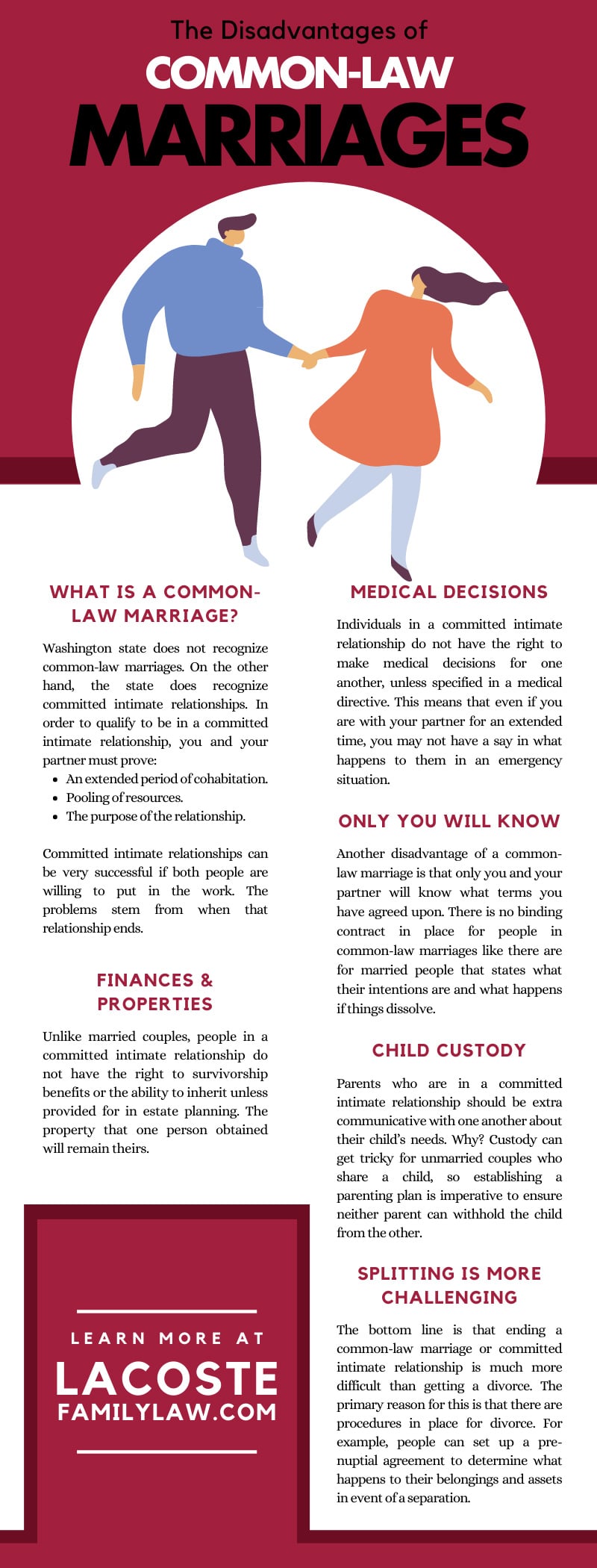
Some people choose not to marry but live together as partners. Here’s a quick look at how marriage compares to cohabitation:
| Aspect | Marriage | Cohabitation |
|---|---|---|
| Legal Rights | Full rights (inheritance, medical, etc.) | Limited or none, varies by country |
| Social Acceptance | Generally higher | Depends on culture |
| Ending Relationship | Requires legal divorce | Usually easier separation |
| Financial Benefits | Tax, insurance, shared assets | Fewer benefits |
| Stability Perception | Often seen as more stable | Varies, sometimes seen as less stable |
Each option has its own pros and cons. The best choice depends on personal values, goals, and local laws.

Credit: meganschukei.com
Frequently Asked Questions
What Are The Main Benefits Of Getting Married?
Marriage offers emotional support, legal rights, shared finances, and help with raising children. Married people often report higher happiness and better health. There are also tax and inheritance benefits in many countries.
What Are The Common Challenges Of Marriage?
Common problems include loss of personal freedom, risk of divorce, money disagreements, and family or in-law conflicts. Some couples struggle with less privacy or growing apart over time.
How Can Couples Avoid The Common Pitfalls Of Marriage?
The most important factor is good communication. Couples should discuss goals, values, and problems openly. Seeking premarital counseling and being honest about finances also helps prevent misunderstandings.
Is Marriage Better Than Living Together Without Marriage?
Marriage brings legal and financial benefits that cohabitation may not offer. However, some couples prefer the flexibility of living together without a legal contract. The best choice depends on personal values and local laws.
Does Marriage Still Matter In Modern Society?
Yes, marriage continues to play a big role in many societies. It brings legal protection, social recognition, and personal fulfillment for many people. However, attitudes are changing, and some prefer other forms of partnership. For more in-depth information, you can visit Wikipedia.
Marriage is not a one-size-fits-all answer. Understanding both the cons and pros of getting married can help you make the best decision for your own life. Think carefully, communicate openly, and remember that every relationship is unique.
