

Childhood Affirmations: Boost Confidence and Self-Esteem Early
Childhood Affirmations: Building Strong Minds And Healthy Self-esteem
Children grow with every word they hear. Simple phrases can shape their thoughts, feelings, and beliefs. One powerful tool for this is childhood affirmations. These are positive statements spoken to children, about themselves or the world. They help build confidence, self-worth, and resilience. When used well, affirmations can set the foundation for a child’s emotional health for life.
Why does this matter? Many children struggle with self-doubt, anxiety, or fear. They may feel pressure from school, family, or friends. Positive affirmations can be a shield against negative thoughts. They can boost motivation, encourage kindness, and help kids see themselves in a positive light.
This article explores what childhood affirmations are, why they work, and how to use them in daily life. We’ll look at research, practical examples, common mistakes, and creative ways to make affirmations fun and effective. By the end, you’ll understand how small words can make a big difference.
Understanding Childhood Affirmations
Affirmations are simple statements meant to reinforce positive beliefs. For children, these could be phrases like “I am brave,” or “I am a good friend. ” The goal is to help kids internalize these ideas, so they become part of their self-talk.
Children’s minds are like sponges. They absorb information quickly, especially from trusted adults. When a child hears positive statements often, they start to believe them. This shapes their behavior, attitude, and even their ability to handle challenges.
How Affirmations Work
Affirmations work by repeating positive thoughts until they feel real. When a child says, “I can do hard things,” it helps them face challenges with courage. Over time, these statements become habits. The child starts to believe they are strong, capable, and worthy.
Research shows that self-affirmation can reduce stress and improve self-esteem in both children and adults. This happens because affirmations create a mental buffer against negative feelings. They help children focus on their strengths, rather than their weaknesses.
Common Types Of Childhood Affirmations
There are three main types of affirmations used with children:
- Self-esteem affirmations: Statements that boost confidence (“I am smart”).
- Behavioral affirmations: Statements that encourage positive actions (“I help others”).
- Emotional affirmations: Statements that support emotional health (“I am loved”).
Each type has its own purpose. Self-esteem affirmations build self-worth. Behavioral affirmations guide actions. Emotional affirmations provide comfort during tough times.
The Science Behind Childhood Affirmations
Many parents wonder if affirmations are just feel-good words. Actually, there’s strong science supporting their impact.
Brain Development And Positive Language
Children’s brains develop rapidly in early years. Positive language helps build neural pathways that support emotional regulation and resilience. When kids hear affirmations, it stimulates areas of the brain linked to motivation and reward.
A study published in the journal *Child Development* found that children exposed to positive self-talk performed better on tasks and showed less anxiety. Another research, shared by the American Psychological Association, explains that affirmations can reduce stress and support mental health.
Long-term Effects
Affirmations are not just about feeling good in the moment. They can have lasting effects. Children who grow up with positive self-talk are more likely to:
- Have higher self-esteem
- Handle failure better
- Form healthy relationships
- Show empathy and kindness
These outcomes matter for both school and life. Positive affirmations can even help children recover from setbacks or difficult experiences.
Data Table: Impact Of Affirmations On Children
Here’s a comparison of children with regular affirmation practice and those without:
| Factor | With Affirmations | Without Affirmations |
|---|---|---|
| Self-Esteem | High | Medium/Low |
| Anxiety Levels | Lower | Higher |
| Social Skills | Improved | Average |
| Resilience | Strong | Weak |
| Academic Performance | Better | Standard |
Benefits Of Childhood Affirmations
Affirmations may seem simple, but their benefits are powerful and far-reaching.
Boosting Self-esteem
Children often compare themselves to others. Negative self-talk can damage their confidence. Affirmations help kids see their own value. They learn to appreciate their unique strengths.
Self-esteem is linked to school success, friendships, and mental health. When children believe in themselves, they try new things and recover faster from failure.
Supporting Emotional Health
Many children feel overwhelmed by emotions like sadness, anger, or worry. Affirmations can calm these feelings. Statements like “I am safe” or “I am loved” offer comfort.
Affirmations also teach children how to manage stress. When a child repeats a positive phrase, it can lower anxiety and help them feel more in control.
Encouraging Positive Behaviors
Affirmations guide children toward good choices. For example, “I am a good listener” encourages paying attention. “I care about others” promotes kindness. Over time, these statements shape habits and values.
Building Resilience
Life is full of challenges. Children face difficult tests, social conflicts, or new experiences. Affirmations like “I can handle tough situations” prepare them to cope.
Resilience means bouncing back from setbacks. Affirmations give children the inner strength to keep going, even when things are hard.
Data Table: Affirmation Benefits By Age Group
See how affirmations help children at different stages:
| Age Group | Main Benefit | Example Affirmation |
|---|---|---|
| Preschool | Building basic self-worth | "I am special" |
| Early Elementary | Learning emotional control | "I can stay calm" |
| Late Elementary | Developing confidence in abilities | "I can solve problems" |
| Middle School | Handling peer pressure | "I am enough" |
| High School | Dealing with stress | "I can face challenges" |
How To Use Childhood Affirmations Effectively
Affirmations work best when used with intention and creativity. Here are practical ways to help children benefit from them.
Choosing The Right Affirmations
Not all affirmations are equal. The best statements are:
- Simple and clear
- Age-appropriate
- Relevant to the child’s life
It’s important to avoid phrases that sound fake or forced. Children can sense insincerity. Stick to words that match their experiences and feelings.
When And How To Use Affirmations
Timing matters. Affirmations are most powerful when children are calm and open. Use them during:
- Morning routines
- Bedtime rituals
- Moments of stress or worry
- After mistakes or failures
Encourage children to say affirmations aloud, write them down, or repeat them in their minds. Consistency is key. The more often they use affirmations, the stronger the effect.
Making Affirmations Fun
Children learn best when they play. Turn affirmations into games, songs, or art projects. Let kids create their own positive phrases. This makes the practice personal and enjoyable.
Try these creative ideas:
- Affirmation cards with colorful drawings
- Affirmation “mirror time” (saying phrases while looking in the mirror)
- Affirmation jars (pulling a positive phrase each day)
- Group affirmations with family or classmates
Example Affirmations For Children
Here are some examples for different needs:
- “I am important.”
- “I can learn new things.”
- “I am kind to others.”
- “I am proud of myself.”
- “I can ask for help.”
- “I am strong.”
- “I am loved.”
- “I am creative.”
- “I can try again.”
- “I believe in myself.”
These can be adapted for different ages and situations.
Credit: theearlychildhoodacademy.com
Common Mistakes And How To Avoid Them
Many parents and teachers use affirmations, but not always in the best way. Here are pitfalls to watch for:
Using Unrealistic Statements
Children know when a statement doesn’t match their feelings. Saying “I am the best at everything” can lead to confusion or disappointment. Stick to realistic, encouraging phrases.
Overusing Affirmations
Too many affirmations at once can feel overwhelming. Focus on a few key phrases at a time. Let children master one idea before adding more.
Ignoring The Child’s Voice
Affirmations should not be forced. Allow children to pick their own phrases or adjust them as needed. Listen to what matters to them.
Not Modeling Affirmations
Children learn by example. If adults don’t use affirmations themselves, kids may not see their value. Make positive self-talk a family habit.
Comparison Table: Effective Vs. Ineffective Affirmation Practices
See the difference between helpful and harmful approaches:
| Effective Practice | Ineffective Practice |
|---|---|
| Simple, honest statements | Exaggerated, unrealistic claims |
| Child involvement | Adult-dictated phrases only |
| Consistent practice | Random, inconsistent use |
| Positive tone | Negative or sarcastic tone |
| Modeling by adults | No adult participation |
Affirmations And Parenting Styles
The way affirmations are used often depends on parenting style. Some parents are strict, others are relaxed. Affirmations fit all types, but the approach may change.
Authoritative Parenting
These parents set clear rules but are warm and supportive. Affirmations are used to build independence and confidence. Statements like “You can solve problems” encourage growth.
Permissive Parenting
Permissive parents are gentle and accepting. Affirmations focus on emotional support and self-love. Phrases like “You are loved no matter what” are common.
Authoritarian Parenting
Strict parents may not use affirmations often. However, positive statements can help balance discipline with encouragement. Try affirmations that focus on effort, such as “You worked hard. ”
Uninvolved Parenting
Children in these homes may lack support. Affirmations can fill gaps, but outside help may be needed. Teachers or mentors can offer positive phrases.
Affirmations In Schools And Group Settings
Affirmations are not just for home. Schools, clubs, and therapy groups use them to help children feel safe and welcome.
Classroom Affirmation Practices
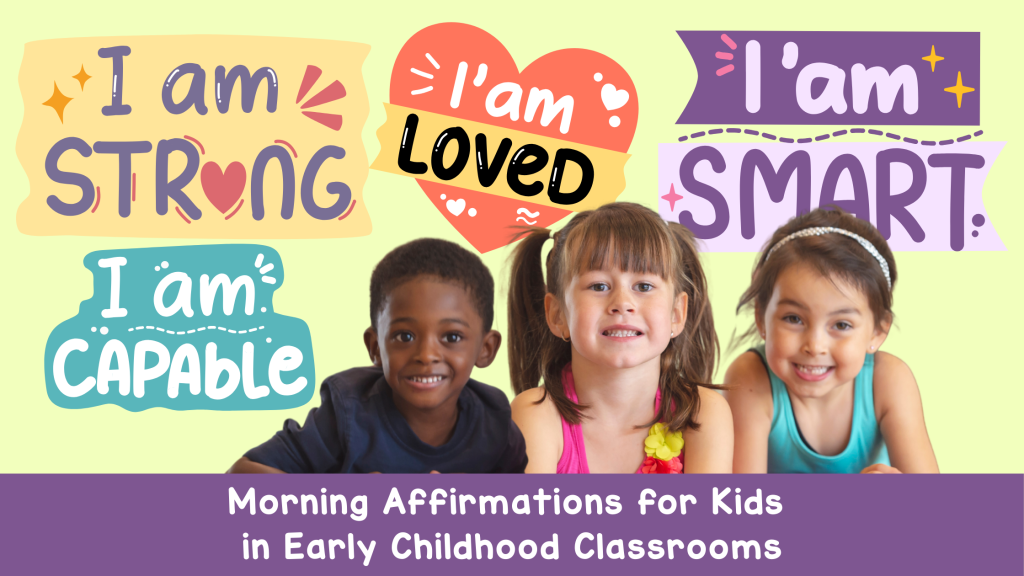
Teachers use affirmations to create a positive environment. Morning meetings may start with group statements like “We are ready to learn. ” This builds unity and motivation.
Some schools post daily affirmations on walls or boards. Others use affirmation circles, where each child shares a positive thought.
Group Activities And Peer Support
Group affirmations can strengthen social bonds. Children learn to encourage each other. This reduces bullying and increases empathy.
Peer-led affirmation activities are effective. When kids see friends using positive self-talk, they are more likely to try it themselves.
Example: Affirmation Circle In Schools
In an affirmation circle, each child shares one positive statement about themselves. The group listens and supports. This builds confidence and helps shy children feel included.
Affirmations For Children With Special Needs
Children with disabilities or learning challenges benefit greatly from affirmations. Positive statements help them feel accepted and capable.
Tailoring Affirmations
Adjust affirmations for each child’s abilities. Focus on effort, progress, and unique strengths. Avoid phrases that highlight differences.
Examples:
- “I am a good friend.”
- “I try my best.”
- “I am learning every day.”
Working With Therapists
Therapists often use affirmations in speech therapy, occupational therapy, or counseling. They teach children to use positive self-talk to handle challenges.

Credit: www.amazon.com
Cultural Differences In Childhood Affirmations
Affirmations are used worldwide, but the language and style may change. Some cultures focus on community, others on individual achievement.
Family And Community Affirmations
In some cultures, affirmations stress family values: “I am part of a loving family.” Others focus on personal growth: “I am unique.”
Respect cultural traditions. Use affirmations that fit your family’s beliefs and values.
Language And Translation
Affirmations must be understood. Translate phrases into the child’s native language if needed. Keep them simple and clear.
Non-obvious Insights For Using Childhood Affirmations
Most guides cover basic advice, but a few powerful tips are often missed:
- Pair affirmations with actions. Words are stronger when matched with behavior. If a child says, “I am helpful,” encourage them to help with a task. This connects the statement to real life.
- Use sensory experiences. Children remember affirmations better when they involve touch, sound, or visuals. Write phrases on colorful cards, sing them, or act them out.
- Rotate affirmations by season or event. Change phrases during holidays, school changes, or family transitions. This keeps affirmations relevant and fresh.

Credit: theearlychildhoodacademy.com
Measuring The Impact Of Childhood Affirmations
How do you know if affirmations are working? Look for changes in behavior, attitude, and mood.
Signs Of Success
Children who benefit from affirmations may:
- Show more confidence
- Try new activities
- Recover faster from mistakes
- Use positive self-talk during challenges
Tracking Progress
Keep a journal of affirmations used and any changes noticed. Ask children how they feel before and after saying their phrases. Teachers can track classroom climate and student engagement.
External Research Link
For more on the science of positive self-talk, see this American Psychological Association resource.
Frequently Asked Questions
What Age Should Children Start Using Affirmations?
Children can start using affirmations as soon as they begin talking. Simple phrases like “I am loved” or “I am special” work well for toddlers. As language skills grow, affirmations can become more detailed.
How Often Should Affirmations Be Used?
Consistency is important. Use affirmations daily, during routines like morning, bedtime, or before new experiences. Even a few minutes each day can make a difference.
Do Affirmations Work For Shy Or Anxious Children?
Yes, affirmations help shy or anxious children feel more secure and confident. Start with gentle, supportive phrases. Encourage children to repeat them quietly if they feel uncomfortable saying them out loud.
Can Affirmations Replace Therapy Or Counseling?
Affirmations are a helpful tool, but they do not replace professional support. For serious emotional or behavioral issues, therapy may be needed. Affirmations can be part of a larger care plan.
How Can I Make Affirmations Fun For My Child?
Make affirmations playful. Use art, music, games, or storytelling. Let your child create their own phrases, decorate affirmation cards, or act out positive statements. Keep the mood light and encouraging.
Final Thoughts
Childhood affirmations are more than simple words. They are tools for building strong minds and healthy self-esteem. When used with care and creativity, affirmations help children feel confident, loved, and capable. They prepare kids to face challenges, grow from mistakes, and develop lifelong resilience.
Whether at home, school, or in therapy, affirmations can be adapted for every child and situation. The key is to use them intentionally, listen to the child’s voice, and make the practice enjoyable. Small words, spoken with kindness, can shape a child’s future.
If you want your child to grow with confidence and emotional strength, start today. Use affirmations as part of daily routines. Watch as your child’s self-belief and happiness blossom. The power of positive language is real—and it begins with you.
