

Can You Repeat Affirmations in Your Head for Faster Results?
Can You Repeat Affirmations In Your Head
Our thoughts play a powerful role in shaping how we see ourselves, our work, and our relationships. Many people use affirmations—short, positive statements—to help shift their mindset and build confidence. But a common question arises: is it effective to repeat affirmations silently in your head, or must you say them out loud?
This article explores the science and practical side of affirmations, focusing on whether thinking them can be as powerful as speaking them. You’ll learn how affirmations work, what happens in the brain, and how to use them for the best results.
Along the way, you’ll see examples, common mistakes, and advanced tips that even experienced users often miss. Whether you’re new to affirmations or want to improve your practice, you’ll find clear, actionable guidance here.
What Are Affirmations?
Affirmations are positive statements designed to challenge and replace negative thoughts. For example, repeating “I am capable and strong” helps train your mind to believe in your abilities. Affirmations are used in personal development, therapy, sports, and even business.
People use affirmations to:
- Boost self-confidence
- Reduce stress or anxiety
- Build motivation for goals
- Change limiting beliefs
- Improve focus
An affirmation is usually short, present-tense, and positive. For instance, “I am becoming more confident each day. ”
Why People Repeat Affirmations
Repeating affirmations is not just about wishful thinking. It’s about creating new mental habits. When you repeat an affirmation, you send a clear message to your brain. Over time, your mind starts to accept these messages as truth, which influences your feelings and actions.
Here’s what happens when you practice affirmations:
- Repetition strengthens belief: The more you hear or think something, the more your brain accepts it.
- Negative thoughts are replaced: Repeating positive statements makes less room for self-doubt and negativity.
- Emotional states shift: Positive affirmations can reduce anxiety or sadness over time.
- Actions follow thoughts: When you believe in your abilities, you’re more likely to take positive action.
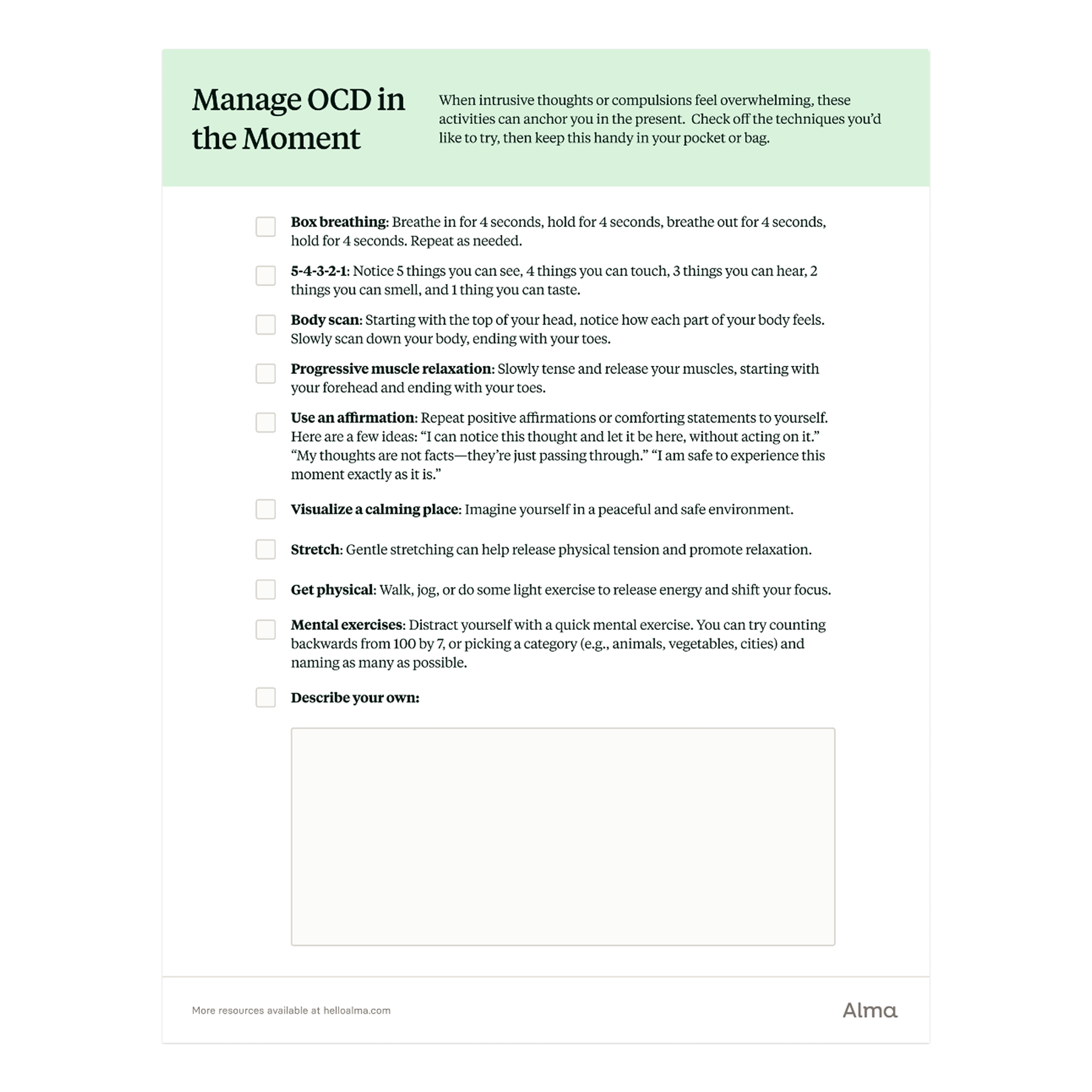
Credit: helloalma.com
Speaking Vs. Thinking Affirmations: What’s The Difference?
Some people say affirmations out loud, while others repeat them silently in their minds. But is one way better than the other?
Let’s compare spoken and mental affirmations side by side.
| Method | How It Works | Benefits | Possible Drawbacks |
|---|---|---|---|
| Out Loud | Speak the affirmation with your voice | Engages hearing; strong focus; physical involvement | Not always private; may feel awkward in public |
| In Your Head | Repeat silently, mentally | Can be done anywhere; private; helps with anxiety | May be less intense for some; easier to lose focus |
Both methods have value. Saying affirmations out loud uses more senses (speaking, hearing), which can make them feel stronger. But repeating them in your head can be just as effective, especially if you focus deeply. In fact, many psychologists and self-help experts agree that the key is how much attention and emotion you give to the affirmation, not just the method.
The Science Behind Mental Affirmations
Your brain is always listening—to your words, thoughts, and even your imagination. Modern research shows that neural pathways (connections in your brain) can change through repeated mental activity, a process called neuroplasticity.
When you repeat an affirmation in your head:
- Your brain lights up in similar ways as if you were speaking or hearing the words.
- The emotional centers can be activated, especially if you imagine the feeling behind the words.
- Over time, new mental patterns form, making positive thinking easier.
A study published in the journal Social Cognitive and Affective Neuroscience found that self-affirmation activates the brain’s reward centers. This means that even thinking positive statements—without speaking—can trigger helpful emotional responses.
How To Repeat Affirmations In Your Head
If you want to use silent affirmations, here’s a simple guide:
- Choose your affirmation. Make it positive, present-tense, and personal. Example: “I am calm and centered.”
- Find a quiet moment. Early morning, before sleep, or during a break works well.
- Close your eyes. This helps you focus inside.
- Repeat slowly. Think the words with attention, not just fast and automatic.
- Visualize and feel. Imagine the meaning, and try to feel the emotion behind the words.
- Repeat 5-10 times. Quality matters more than quantity.
- Return throughout the day. Use in moments of stress or doubt.
You can do this anywhere: at work, while walking, or in a waiting room. Silent affirmations are private and flexible.
Are Mental Affirmations As Effective As Speaking Out Loud?
One common question: “If I don’t say my affirmations out loud, will they still work?”
The answer is yes—mental affirmations can be just as effective if you focus and engage your feelings. Your brain does not always distinguish between what you imagine and what you experience. For example, athletes often use “mental rehearsal” to practice skills in their minds, and their performance improves in real life.
However, for some people, speaking out loud adds extra power, especially when combined with strong emotion and body language. If you feel awkward talking aloud, or if privacy is a concern, repeating in your head is a great option.
Real-life Examples Of Silent Affirmations
Let’s see how mental affirmations are used in daily life:
- Before a presentation: Maria feels nervous before a big meeting. She repeats in her mind, “I am prepared and confident.” This helps her calm down and focus.
- During a workout: James uses “I am strong and can do this” while lifting weights. He doesn’t say it out loud, but visualizes success with each repetition.
- Dealing with stress: Priya faces difficult customers at work. In her mind, she repeats, “I handle challenges with patience and grace.”
- Before sleep: Ahmed struggles with worries at night. He silently thinks, “I let go and rest peacefully,” which helps him relax.
These examples show that private affirmations can fit many situations, even when speaking out loud is not possible.
Common Mistakes When Using Silent Affirmations
Repeating affirmations in your head is simple, but many people make mistakes that reduce their effectiveness. Here are some pitfalls to watch out for:
- Lack of focus: Just saying words quickly, without attention, does not help.
- Choosing negative or doubtful statements: Affirmations should be positive, not “I won’t fail” but “I am capable.”
- Changing affirmations too often: Stick with one for a while to see results.
- No emotional connection: If you don’t feel anything when repeating, try to imagine the result more vividly.
- Expecting instant change: Affirmations work over time, not overnight.
A key insight: Consistency is more important than intensity. Even a few calm, focused repetitions each day can create lasting change.
Tips To Make Mental Affirmations More Powerful
If you want better results from repeating affirmations in your head, try these advanced tips:
- Use visualization. Picture yourself living the affirmation. If you say “I am confident,” imagine a moment where you feel strong and sure.
- Engage your senses. Try to “hear,” “see,” or “feel” the situation in your mind.
- Anchor with breath. Take a slow breath with each repetition to increase focus.
- Pair with a physical action. Even a simple gesture, like touching your fingers together, can make the affirmation feel more real.
- Write it down first. Reading your affirmation silently before repeating can add clarity.
- Use reminders. Set a phone alert or sticky note to repeat your affirmation during the day.
These techniques turn a simple thought into a deeper experience for your mind and body.
When To Use Silent Affirmations
Mental affirmations are flexible and can be used almost anywhere. Here are some good moments to practice:
- Starting your day: Set a positive tone in the morning.
- During stressful events: Calm your mind when faced with challenges.
- Before important tasks: Build focus and confidence.
- While waiting: Use time in lines or traffic to reinforce good thoughts.
- Before sleep: Ease anxiety and encourage rest.
One non-obvious insight: Silent affirmations can interrupt negative thought loops. If you catch yourself worrying or criticizing, switch to your positive statement, even just once. This breaks the cycle and puts you back in control.
Comparing Mental, Spoken, And Written Affirmations
You might wonder how mental affirmations compare to other methods, like writing or speaking. Here’s a comparison:
| Method | Where to Use | Best For | Extra Tips |
|---|---|---|---|
| Mental | Anywhere, any time | Privacy, quick focus | Use visualization to boost effect |
| Spoken | Home, private spaces | Full sensory engagement | Speak with emotion for best results |
| Written | Journals, notes | Clarifying thoughts, tracking progress | Rewrite daily to reinforce message |
You don’t have to choose just one. Many people combine methods for the best results, such as writing in the morning, repeating silently during the day, and speaking out loud when alone.
How Long Does It Take To See Results?
The impact of affirmations depends on your effort and belief. Some people notice a shift in mood right away, while others may take days or weeks. On average, practicing affirmations daily for a few minutes can lead to positive changes in a month or two.
Remember:
- Small, consistent steps work better than one big effort.
- If you don’t see results, review your affirmation and method.
- Track your mood, thoughts, or actions to measure progress.
A research review in the journal Psychology of Consciousness found that self-affirmation improves well-being, especially when used regularly.

Credit: ahead-app.com
Who Can Benefit Most From Mental Affirmations?
Silent affirmations are not just for people with low confidence. They help in many situations:
- Students: To reduce test anxiety or boost motivation.
- Professionals: To prepare for interviews, meetings, or presentations.
- Athletes: To focus before competition.
- Parents: To handle stress or build patience.
- Anyone facing change: To cope with new jobs, moves, or challenges.
Even people who seem confident use affirmations to maintain their mindset. The key is to customize your statements for your unique needs.
How To Create Effective Affirmations
A good affirmation is clear, positive, and believable. Here’s how to write your own:
- Start with “I am” or “I choose.” This keeps it personal.
- Keep it present tense. Use now, not the future.
- Be positive. Focus on what you want, not what you don’t want.
- Make it specific. Instead of “I am successful,” try “I am focused and finish tasks.”
- Add feeling words. “I am calm and peaceful.”
Examples:
- “I am becoming more confident every day.”
- “I choose to respond with patience.”
- “I am strong and handle challenges with grace.”
Test your affirmation by saying it in your head. If it feels right, use it for at least a week before changing.
Advanced Strategies For Experienced Users
If you’ve used affirmations for a while, consider these advanced ideas:
- Customize for situations: Create different affirmations for work, relationships, or health.
- Combine with meditation: Use affirmations as a focus during mindfulness or relaxation.
- Record and listen: Make a quiet audio track of your affirmations for private listening.
- Change up language: Sometimes, using “You are” (talking to yourself) can feel more powerful.
- Group practice: Share affirmations silently in a group for shared energy (e.g., yoga class).
A non-obvious insight: Pairing affirmations with gratitude can boost their effect. For example, “I am grateful for my strength and ability to grow.” Gratitude opens your mind to positive change.
Myths And Misunderstandings About Affirmations
There are many myths about affirmations. Let’s clear up some common ones:
- “You must say them out loud for them to work.” False. Silent affirmations are effective if practiced with attention.
- “Affirmations are magic spells.” Not true. They help change thinking, but you must take action too.
- “You have to believe them 100%.” Not at first. Repetition builds belief over time.
- “Affirmations ignore real problems.” No, they help you approach challenges with a better mindset.
- “They work the same for everyone.” People respond differently; find what suits you.
Understanding the facts helps you use affirmations wisely, without unrealistic expectations.
Pitfalls And How To Avoid Them
Even with good intentions, people can fall into traps with mental affirmations. Here’s how to avoid the most common issues:
- Choosing goals that feel impossible: Pick statements that feel slightly out of reach, not completely unbelievable.
- Going through the motions: If you’re just repeating words without meaning, stop and refocus.
- Overloading with too many affirmations: Stick to one or two main statements for best results.
- Ignoring negative feelings: If an affirmation brings up strong resistance, explore those feelings instead of forcing positivity.
- Quitting too soon: Lasting change takes time—stick with your practice.
One practical tip: If you feel stuck, adjust your affirmation to something you can believe right now. For example, “I am learning to be confident” instead of “I am always confident.”
The Role Of Emotion In Mental Affirmations
Emotion is a key ingredient in making affirmations work. When you repeat a statement in your head, try to connect with the feeling of that statement being true. This might mean:
- Smiling as you think the words
- Imagining a moment of success or peace
- Remembering a time you felt the way you want to feel
Your brain remembers feelings more strongly than words alone. Emotional energy “charges” your affirmation and makes it stick.
How To Track Your Progress
Measuring the effects of silent affirmations can help you stay motivated. Here’s how you can track changes:
- Keep a simple journal. Write down your affirmation and note your mood or experiences each day.
- Notice small shifts. Look for changes in your thoughts, feelings, or reactions.
- Ask friends or family. Sometimes others notice your growth before you do.
- Review after a month. Check your old notes to see progress.
Tracking helps you stay consistent and adjust your practice if needed.
Affirmations And Mental Health
Affirmations are not a cure for serious mental health issues, but they can be a helpful tool for:
- Reducing mild anxiety or stress
- Building self-esteem
- Supporting healthy habits
If you struggle with deep sadness, anxiety, or trauma, affirmations should be one part of your toolkit, not the only solution. Professional help is important in those cases.
For more on the science of affirmations and self-talk, see this Wikipedia article on affirmations.
The Power Of Consistency
The real secret behind any affirmation practice is consistency. It’s not about dramatic, one-time effort. It’s the steady, daily repetition that changes your mental “default settings.” Just as you can learn a new language or skill with regular practice, you can learn new ways of thinking.
Even if you miss a day, return to your affirmation as soon as possible. Over time, you may find that your old negative thoughts become weaker and your positive beliefs grow stronger.
Frequently Asked Questions
Can I Repeat Affirmations In My Head While Doing Other Tasks?
Yes, you can. Silent affirmations fit easily into your daily routine. You can repeat them while walking, commuting, or even doing chores. However, for best results, try to give your full attention for a few moments each day.
How Many Times Should I Repeat An Affirmation Mentally?
There is no strict rule, but most people find 5-10 focused repetitions at a time is enough. Quality matters more than quantity. Repeat until you feel a sense of calm or belief, then move on.
Do I Need To Visualize When Repeating Affirmations In My Head?
Visualization is not required, but it does make affirmations stronger. If you can picture yourself living the affirmation, your mind accepts it faster. But even without images, heartfelt repetition still works.
What If I Don’t Believe My Affirmation At First?
It’s normal not to believe fully in the beginning. Start with a statement that feels possible, like “I am learning to be confident. ” Over time, your belief will grow as you notice small changes.
Can I Use Affirmations For Physical Health Or Only For Mindset?
You can use affirmations for both. For example, “I am healthy and energetic” can support healthy habits. However, affirmations are not a replacement for medical care—use them as a support, not a cure.
Silent affirmations are a flexible, powerful tool for building confidence, focus, and calm. Whether you speak them or repeat them in your head, the real power lies in your intention, consistency, and willingness to believe in change. With practice, your inner voice can become your strongest supporter—one positive thought at a time.

Credit: tiffanywoodfield.com
