

Can You Read Affirmations in Your Head for Faster Results?
Can You Read Affirmations In Your Head
Affirmations are simple, positive statements you repeat to yourself. Many people use them to boost confidence, change habits, or improve their mindset. But there’s a question that often comes up: Do affirmations work if you only read them in your head? Or do you need to say them out loud? Some experts say the spoken word has power. Others believe silent repetition is just as effective. If you’re wondering which method is best—or if it matters at all—you’re not alone.
This article explores the science, psychology, and practical aspects of reading affirmations silently. You’ll learn how the brain responds, what research says, and what real people experience. We’ll also look at common mistakes, give you tips for getting results, and compare silent reading with speaking affirmations aloud.
By the end, you’ll have a clear answer to whether you can read affirmations in your head—and how to do it for the best effect.
What Are Affirmations?
Affirmations are short, positive statements that help you challenge negative thoughts and encourage a better mindset. For example, “I am confident,” or “Every day, I am getting stronger. ” People use affirmations to change self-talk, reduce stress, and move towards goals.
The key to effective affirmations is repetition. By repeating a positive statement, you’re training your mind to accept it as true. Over time, this can help shift your beliefs and behaviors. Affirmations can be about any area of life, such as self-esteem, work, health, or relationships.
How Do Affirmations Work In The Mind?
Affirmations use the brain’s natural ability to adapt and change. This process is called neuroplasticity. When you repeat a thought—whether silently or aloud—your brain forms new connections. If you repeat the same idea often enough, it becomes easier to believe.
A simple example: Imagine you often think, “I can’t do this.” That thought becomes a habit in your mind. If you start saying, “I am capable,” you begin to build a new mental path. Over time, your brain gets used to the new thought, and it feels more natural.
The important point is that the brain responds to both spoken and silent words. Silent reading still activates the areas of the brain used for language and self-talk. In other words, reading affirmations in your head does create real changes inside your mind.
Silent Affirmations Vs. Spoken Affirmations
Is there a difference between reading affirmations silently and saying them out loud? Here is a side-by-side comparison of both methods:
| Method | How It Works | Benefits | Drawbacks |
|---|---|---|---|
| Silent (in your head) | Read or think the affirmation quietly to yourself | Private, can be done anywhere, less self-conscious | Can be easier to lose focus, less sensory involvement |
| Spoken (out loud) | Say the affirmation with your voice | Engages more senses, can feel more powerful, helps memory | Not always practical, may feel awkward around others |
Both methods activate the brain’s language centers. However, speaking out loud uses more senses: you hear your voice, feel the words in your mouth, and may even use gestures. This extra engagement can sometimes make affirmations feel more real and memorable. But it’s not always possible or comfortable to speak aloud, especially in public.
Silent affirmations are more flexible. You can do them while commuting, in a meeting, or lying in bed. The main challenge is staying focused. It’s easy for your mind to wander when you’re not using your voice.
Does Science Support Silent Affirmations?
Research on affirmations is growing. Several studies show that both spoken and silent affirmations can help reduce stress, improve performance, and change self-image. The most important factor is how deeply you focus on the affirmation—not whether you speak it or think it.
For example, studies using brain imaging found that silently repeating positive statements activates the same brain regions as speaking them. This includes areas linked to self-awareness and emotion. One study published in Social Cognitive and Affective Neuroscience found that self-affirmation (even done silently) reduced brain activity linked to threats and stress.
In another experiment, students who used silent affirmations before a test felt calmer and did better. The researchers noted that the positive effect came from focusing attention on the affirmation, not from speaking out loud.
If you want to read more about the science, the Wikipedia page on affirmations covers many studies and theories.
Practical Ways To Read Affirmations In Your Head
If you prefer silent affirmations, you can use several effective methods. Here’s how to get started:
1. Choose Clear, Positive Statements
Pick affirmations that matter to you. Use simple, present-tense language like “I am strong,” or “I make good choices. ”
2. Find A Quiet Moment
While you can do affirmations anywhere, it helps to start in a calm space. This makes it easier to focus.
3. Repeat The Affirmation Slowly
Read or think the affirmation in your mind. Focus on each word. Try to feel the meaning as you say it in your head.
4. Visualize The Result
Imagine what your life looks like if the affirmation is true. This makes it more real for your brain.
5. Use Reminders
Set a phone alert or write your affirmation on a sticky note. This helps you remember to practice.
6. Stay Consistent
Do your silent affirmations daily. Even a few minutes each day can make a difference over time.
Example Routine For Silent Affirmations
Here’s a simple way to build affirmations into your day:
- Morning: Before you get up, silently repeat your main affirmation three times.
- During the day: Whenever you feel doubt or stress, repeat the affirmation in your head.
- Evening: Before sleep, silently say the affirmation and visualize a positive outcome.
Common Mistakes People Make With Silent Affirmations
Many beginners start with good intentions but don’t see results. Here are some mistakes to avoid:
1. Not Believing The Affirmation
If you say, “I am successful,” but deep down you don’t believe it, your mind may resist. Start with statements you can accept, like “I am learning to be successful. ”
2. Repeating Too Quickly
Rushing through affirmations without thinking about the meaning is not effective. Slow down and give each word attention.
3. Being Inconsistent
Skipping days or only using affirmations when you feel bad won’t build new habits. Make it a daily practice.
4. Choosing Vague Statements
General affirmations like “I am happy” may not have much impact. Be specific: “I find joy in small things every day.”
5. Letting Your Mind Wander
It’s easy to get distracted during silent affirmations. If you lose focus, gently bring your attention back to the words.
The Power Of Visualization With Silent Affirmations
Adding visualization to your silent affirmations can make them more powerful. When you imagine yourself living the affirmation, your brain treats it as a real experience. This strengthens the belief and makes it easier to change your thinking.
For example, if your affirmation is “I am calm and confident during presentations,” close your eyes and picture yourself speaking in front of a group. See yourself smiling, speaking clearly, and feeling relaxed. The more details you add, the more your brain “practices” the new belief.
Visualization is especially helpful if you struggle to believe your affirmation. By creating a mental picture, you make the statement feel more real.
Comparing Effectiveness: Silent Vs. Spoken Affirmations
Some people wonder if one method is truly better than the other. Let’s compare key factors side by side:
| Factor | Silent Affirmations | Spoken Affirmations |
|---|---|---|
| Privacy | Very private; can be done anywhere | Less private; may feel awkward in public |
| Focus | May need more effort to stay focused | Voice and sound help keep attention |
| Sensory Involvement | Mainly mental | Includes hearing and speaking |
| Convenience | Can practice anytime | Limited by location and situation |
| Emotional Impact | Depends on concentration and belief | Often feels more powerful due to sound |
The truth is, both methods can work well. The best choice depends on your personality and lifestyle. Some people get better results by mixing both—starting with silent affirmations in public, then speaking them out loud at home.
Two Key Insights Most Beginners Miss
Many people try affirmations but give up quickly. Here are two important points that most beginners overlook:
1. Emotion makes affirmations stick
Simply repeating words—silently or aloud—is not enough. The more emotion you feel, the stronger the impact. If you say, “I am confident,” but feel nothing, your brain doesn’t change much. But if you repeat the affirmation while feeling hope, excitement, or gratitude, your mind pays attention.
Try to connect the affirmation to a real feeling, even if it’s small at first.
2. Affirmations need action, not just words
Affirmations work best when you pair them with small actions. For example, if you use the statement, “I am organized,” take a minute to tidy your desk. This shows your mind that the affirmation is true, making it easier to believe.
Real-life Examples Of Silent Affirmations
Many successful people have used silent affirmations to achieve their goals. Here are a few examples:
- Athletes: Before a big game, some athletes close their eyes and repeat positive statements in their head, such as “I perform at my best under pressure.” This helps them stay calm and focused.
- Students: When feeling nervous before exams, students silently remind themselves, “I remember what I studied. I am prepared.”
- Entrepreneurs: In stressful situations, business owners use silent affirmations like “I handle challenges with creativity and patience” to stay motivated.
These examples show that you don’t need to say affirmations out loud for them to work. The key is regular practice and believing in the message.
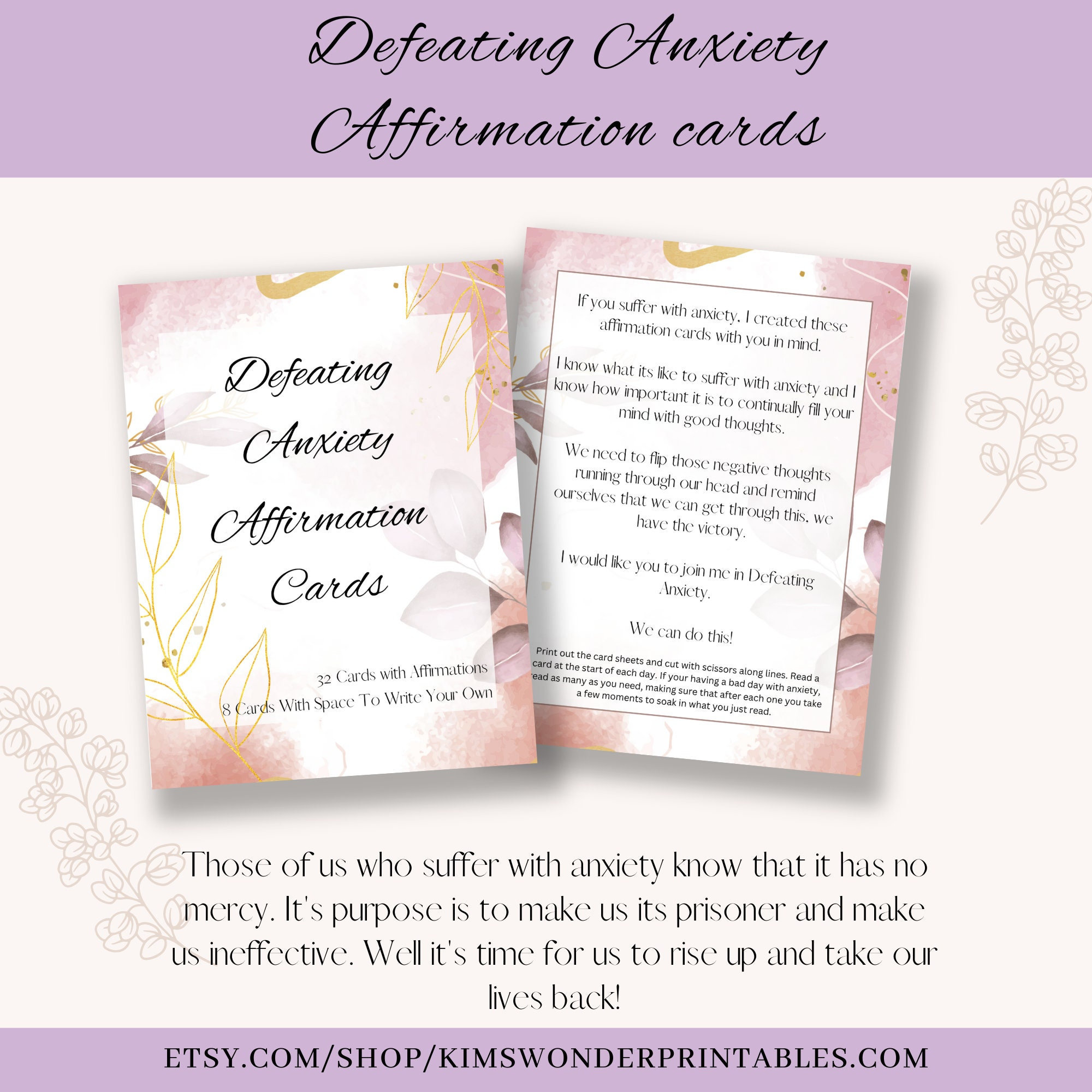
Credit: www.etsy.com
Tips To Make Silent Affirmations More Effective
To get the most from reading affirmations in your head, try these expert tips:
1. Use “i Am” Statements
Phrases that start with “I am” help your mind accept the idea as part of your identity.
2. Personalize Your Affirmations
Make each statement fit your own life and goals. The more personal it feels, the better.
3. Practice At The Same Time Each Day
Building a habit makes it easier to remember and see results.
4. Combine With Breathing Exercises
Take a slow, deep breath as you repeat each affirmation. This helps you relax and focus.
5. Record Your Progress
Write down your affirmations and notice any changes in your mood or actions over time.
6. Avoid Negative Words
Focus on what you want, not what you don’t want. For example, say “I am calm,” not “I am not stressed. ”
How Long Does It Take To See Results?
One common question is how quickly affirmations work. The answer depends on several factors:
- Consistency: Daily practice brings faster results.
- Belief: The more you believe the affirmation, the quicker your mind accepts it.
- Emotional involvement: Feeling the words speeds up change.
Some people notice a difference in a few days; for others, it takes weeks or months. If you stick with it, changes often happen quietly—you start to notice you feel a little more positive or confident without effort.
A helpful tip: Track your progress in a journal. Write down how you feel before and after practicing affirmations. This makes it easier to see small changes over time.
Is It Better To Write Affirmations Down Or Think Them Silently?
Writing affirmations is another popular method. Some people find that writing helps them focus and remember the statement better.
Here’s a quick comparison:
| Method | Benefits | Drawbacks |
|---|---|---|
| Writing | Helps clarify thoughts, improves memory, creates a record | Takes more time, not always possible in every situation |
| Silent reading | Quick, private, flexible | Can be less focused if distracted |
Some experts suggest combining methods: write your affirmation once, then repeat it silently several times. This brings the benefits of both approaches.
When Should You Use Silent Affirmations?
Silent affirmations are useful in many situations:
- During meditation
Use affirmations to guide your thoughts while meditating.
- Before stressful events
Calm your nerves before interviews, exams, or public speaking.
- While commuting
Use travel time to repeat positive statements in your head.
- When you need privacy
If you don’t want others to hear, silent affirmations are the best choice.
- As a daily habit
Anytime you have a free moment, use it to strengthen your mindset.
Can Anyone Benefit From Silent Affirmations?
Yes, almost anyone can use silent affirmations. They are simple, free, and don’t require special tools. Even people who feel shy or uncomfortable speaking out loud can get results. The only group who may need extra support are those with serious mental health issues—affirmations are not a replacement for professional help.
Silent Affirmations For Different Goals
You can tailor silent affirmations to fit any area of your life. Here are some examples:
- Confidence: “I trust myself to make good decisions.”
- Health: “I make healthy choices every day.”
- Relationships: “I am kind and patient with others.”
- Work: “I handle challenges with skill and calm.”
- Anxiety: “I am safe and in control of my thoughts.”
Use these as a starting point and adjust them to fit your needs.
How To Know If Silent Affirmations Are Working
It can be hard to measure the effect of affirmations, especially when done silently. Look for these signs:
- You notice more positive thoughts during the day.
- You react to stress with more calmness.
- You feel more hopeful about your goals.
- You start to act in line with your affirmations without thinking.
Remember, changes may be slow and subtle. Trust the process and keep practicing.
Troubleshooting: What To Do If You Don’t See Results
If you’ve tried silent affirmations but don’t notice any difference, try these steps:
1. Check Your Belief
Are you picking statements you can accept? If not, adjust the wording.
2. Increase Repetition
Practice more often, especially in moments of doubt.
3. Add Emotion
Try to feel the words, not just think them.
4. Combine With Other Methods
Try writing your affirmations, or say them aloud when possible.
5. Be Patient
Give it time. Sometimes changes happen slowly, beneath the surface.

Credit: lovethyselfdaily.com.au
Frequently Asked Questions
What Are The Best Times To Practice Silent Affirmations?
The best times are when your mind is calm and open, such as early in the morning, before bed, or during meditation. You can also use silent affirmations during breaks, commutes, or stressful moments to help shift your mindset.
Can Silent Affirmations Help With Anxiety?
Yes, silent affirmations can reduce anxiety by shifting your focus from negative thoughts to positive ones. The key is to choose calming statements like “I am safe and at ease” and repeat them during moments of stress. Pairing affirmations with deep breathing can boost the calming effect.
Do You Need To Believe In Affirmations For Them To Work?
Belief helps, but it’s not required at the start. If you’re not sure, try using softer statements like “I am learning to be confident. ” Over time, as you repeat the affirmation and see small changes, your belief will grow naturally.

Credit: www.amazon.com
How Many Times Should I Repeat A Silent Affirmation?
There’s no strict rule, but most people repeat an affirmation 5-10 times per session. The most important thing is to focus on the meaning and feel the words as you repeat them. Quality is more important than quantity.
Is It Okay To Use More Than One Affirmation At A Time?
Yes, you can use several affirmations for different goals. However, beginners may find it easier to start with one or two to stay focused. As you get comfortable, you can add more as needed.
Silently reading affirmations is a powerful tool that fits almost any situation. With regular practice, patience, and the right approach, you can use this method to change your mindset and move toward your goals—no matter where you are.
