

Are Affirmations Biblical? Exploring Faith and Positive Declarations
Are Affirmations Biblical?
Many people use affirmations to motivate themselves, overcome negative thoughts, or seek personal growth. These short, positive statements—like "I am strong" or "I am worthy"—are repeated with the hope of changing one’s mindset and, eventually, their life. But for those who want to follow Christian teachings, an important question arises: Are affirmations biblical? Do these practices align with the teachings found in the Bible, or do they drift into territory that Christians should avoid?
This is not just a matter of wording or self-help trends. It's about whether affirmations are truly supported by scripture or if they belong more to the realm of secular psychology and new age thinking. The answer is not as simple as yes or no. It requires looking at what the Bible says about our words, our thoughts, and how we are called to encourage ourselves and others.
This article explores the topic from all angles. You'll discover what the Bible says about the power of words, how affirmations compare with biblical declarations, the difference between self-focused and God-centered statements, and the potential dangers of misunderstandings. You’ll also learn how to create affirmations that stay true to Christian beliefs.
Whether you are new to affirmations or have used them for years, this guide will help you understand how to approach them with wisdom and faith.
What Are Affirmations?
Affirmations are short, positive statements that people repeat to themselves, often daily. The goal is to change negative thinking patterns, boost confidence, or even improve health and performance. For example, someone might say, "I am calm and in control," or "I will succeed in my goals." These statements are believed to help rewire the brain, making positive thoughts more natural over time.
People use affirmations in many settings:
- Personal growth and self-help
- Mental health therapy
- Motivation in sports or business
- Overcoming anxiety or depression
Affirmations are popular in both secular and spiritual circles, but their origins are not specifically Christian. They come from psychology and self-help philosophies. This raises the question: when Christians use affirmations, are they practicing something supported by the Bible, or are they borrowing from other beliefs?
The Biblical View Of Words And Thoughts
The Power Of Words
The Bible speaks often about the power of words. In the Book of Proverbs, we find statements like, "Death and life are in the power of the tongue." This suggests that what we say can have a strong effect on ourselves and on others. Words can build up, but they can also tear down.
Other examples show that words are not just empty sounds. Jesus said that we will give account for every careless word we speak. Paul, in his letters, encouraged Christians to speak words that build up, encourage, and comfort.
Thoughts Matter Too
The Bible also teaches that our thoughts shape our lives. Paul writes about renewing the mind and taking every thought captive to obey Christ. This means Christians are called to pay attention not just to what they say, but also to what they think.
But the Bible's focus is often on aligning our thoughts and words with God's truth, not just our own desires or ambitions. This is a key difference from secular affirmations, which may focus on personal power or self-made success.
Affirmations Vs. Biblical Declarations
Many people use the terms affirmations and biblical declarations as if they are the same, but there are important differences.
| Type | Focus | Example Statement | Source |
|---|---|---|---|
| Affirmations | Self-focused | I am capable and strong. | Personal belief |
| Biblical Declarations | God-focused | God is my strength and my shield. | Scripture |
Affirmations typically focus on the individual's own power or abilities. They may or may not reference God. For example, "I will create my own destiny" is a common affirmation, but it doesn't point to God.
Biblical declarations, on the other hand, are statements based on the Bible. They declare God's promises or truths, like "God will never leave me nor forsake me." These are rooted in faith and in what God has already said.
This difference is not just about wording—it shows a deeper divide in worldview. While affirmations say, "I can do it," biblical declarations often say, "God can do it in me. "
What Does The Bible Say About Self-talk?
The Bible does not use the modern word "affirmation," but it does record examples of self-talk. King David often spoke to himself, especially in the Psalms. For example, he wrote, "Why, my soul, are you downcast? Put your hope in God." Here, David is not just talking to God, but also to his own soul.
This kind of self-talk is honest. It faces real feelings but points back to God. David does not say, "I am strong because I say so. " He reminds himself, "God is my strength. " This is a key difference.
Another example is Paul, who writes, "I can do all things through Christ who gives me strength. " He acknowledges his own need and God's power working in him.

Credit: macorner.co
Common Affirmations Compared To Scripture
Many popular affirmations sound positive, but they may not always match what the Bible teaches. Let’s compare some common affirmations with what the Bible says.
| Common Affirmation | Biblical Response | Scripture Reference |
|---|---|---|
| I am enough. | My sufficiency comes from God. | 2 Corinthians 3:5 |
| I am in control of my life. | God directs my steps. | Proverbs 16:9 |
| I can handle anything. | I can do all things through Christ. | Philippians 4:13 |
| I attract good things into my life. | Every good gift is from above. | James 1:17 |
This comparison shows that while some affirmations can be positive, they can also leave God out of the picture. The Bible encourages confidence, but that confidence is placed in God, not in ourselves alone.
Is There A Danger In Using Secular Affirmations?
For Christians, using affirmations without thinking can be risky. Here’s why:
1. Self-reliance
Many affirmations focus on personal power. They suggest that you can do anything if you believe in yourself. While confidence is good, the Bible warns about relying only on yourself and not on God. Pride and self-sufficiency can lead people away from faith.
2. Ignoring Reality
Some affirmations encourage denying problems. Saying, "I am never afraid," when you are afraid, can lead to pretending instead of facing the truth. The Bible encourages honesty with God and with ourselves.
3. New Age Influence
Some affirmations are rooted in new age beliefs, such as the idea that words have magical power to shape reality. The Bible does teach that words are powerful, but it does not support the idea that humans can control reality by simply speaking.
4. Missing God’s Will
Affirmations often focus on our own will and desires. But the Bible calls Christians to seek God’s will first. If an affirmation leads you away from God’s plan, it can become an idol.
Insight: Many people do not notice when affirmations start to replace prayer or dependence on God. This is a subtle shift, but it can slowly change a person’s faith from God-centered to self-centered.
Can Affirmations Ever Be Biblical?
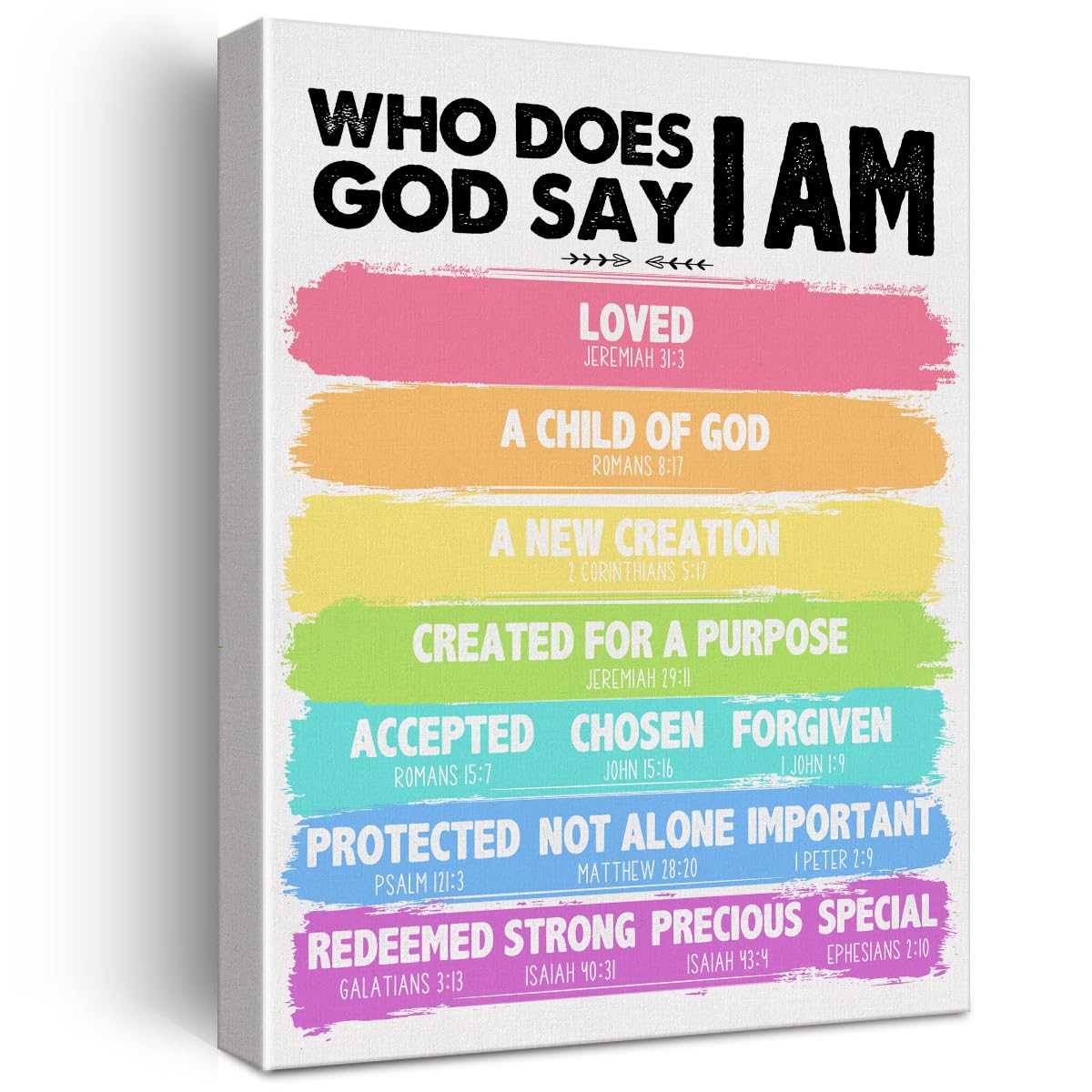
Affirmations are not always wrong. The key is how and why they are used. When affirmations are rooted in God’s truth, they can be helpful. For example, saying, "God loves me," or "I am forgiven in Christ," is both affirming and biblical. These statements agree with what the Bible teaches.
Here’s how to make affirmations more biblical:
- Base them on scripture. Use God’s words, not just your own.
- Point to God’s power and promises. Focus on what He has done and will do.
- Stay honest. Do not deny real problems or emotions.
- Check your motives. Ask if your affirmation brings you closer to God or just builds your own pride.
Non-obvious insight: The Psalms are full of biblical affirmations. Many Christians miss that these are often honest confessions of weakness, paired with declarations of God’s strength.
Examples Of Biblical Affirmations
If you want to use affirmations as a Christian, here are examples that come from scripture:
- "God is my refuge and strength, an ever-present help in trouble."
- "I am fearfully and wonderfully made."
- "Nothing can separate me from the love of God."
- "The Lord is my shepherd; I lack nothing."
- "God’s grace is sufficient for me."
These affirmations do not deny reality but declare God’s truth over it. They remind the speaker of who God is, what He has promised, and what is true even when feelings say otherwise.
How To Create Your Own Biblical Affirmations
If you want to write your own affirmations that align with the Bible, here are practical steps:
- Find a Bible verse that speaks to your situation.
- Rewrite the verse as a personal statement. For example, "God gives me peace," based on "The Lord gives strength to his people; the Lord blesses his people with peace."
- Speak honestly. If you are afraid, say, "Even though I am afraid, God is with me."
- Avoid magical thinking. Do not believe that saying words alone will change everything; trust in God’s power, not just your own.
- Repeat these truths daily, but always with faith, not as a ritual.
When Affirmations Become Problematic
There are times when even well-meaning affirmations can become a problem:
- When they lead to denial of real struggles
- When they are used as a substitute for prayer or seeking God’s guidance
- When they promote a prosperity gospel mindset (the idea that faith or positive words always lead to wealth or success)
- When they focus only on material things or self-promotion
Many people do not see when affirmations become an idol. An idol is anything that takes the place of God in your heart or mind. If your affirmations are about your own power, not God’s, they can easily cross this line.
The Difference Between Faith And Positive Thinking
Some people confuse faith with positive thinking, but they are not the same. Positive thinking is about hoping for the best or expecting good things to happen. Faith, in the biblical sense, is trust in God’s character and promises, even when things look bad.
| Positive Thinking | Biblical Faith |
|---|---|
| Believes things will work out because you expect them to | Trusts God, even if things do not work out as you hope |
| Centers on your own mindset | Centers on God’s power and will |
| Changes how you feel | Changes how you live and act, based on God’s truth |
Faith sometimes means believing and declaring God’s promises even when your feelings do not agree. Positive thinking tries to change your feelings, but faith trusts in God beyond feelings.
What Do Christian Leaders Say?
Many Christian leaders agree that words are powerful, but warn against using affirmations that put the focus on self instead of God. Some pastors encourage believers to speak scripture over their lives, while others warn about the dangers of mixing new age ideas with Christian faith.
Some churches use biblical declarations as part of worship or teaching. Others avoid affirmations, fearing they can lead people away from the gospel. The key is to stay rooted in scripture and seek guidance from trusted spiritual leaders.
Credit: www.amazon.com
Practical Tips For Christians Using Affirmations
If you want to use affirmations as a Christian, here are wise steps to follow:
- Test every affirmation with the Bible. Does it line up with God’s word?
- Pray about it. Ask God if this statement is true and helpful for you.
- Focus on God’s promises, not just your own desires.
- Use affirmations to remind yourself of truth, not to manipulate outcomes.
- Share your affirmations with a mature Christian friend or leader for accountability.
- Be humble. Remember, your power comes from God, not just your words.
Insight: Sometimes, the best affirmation is a simple prayer, inviting God into your situation instead of just declaring what you want to happen.
The Role Of The Holy Spirit
The Bible teaches that the Holy Spirit helps believers to remember and believe God’s promises. Instead of just repeating words, Christians are encouraged to rely on the Spirit for comfort, guidance, and strength.
When you speak biblical truth over your life, the Spirit can use those words to build faith and hope. But the power is not in the words themselves—it is in God’s presence and promise.
Common Mistakes When Using Affirmations
- Using affirmations as a formula. Repeating words without faith or understanding is empty.
- Treating God like a genie. Expecting that saying the right words will force God to act.
- Ignoring real needs. Using affirmations to avoid facing pain, sin, or hard choices.
- Mixing beliefs. Blending Christian faith with new age or mystical ideas about words and energy.
Avoiding these mistakes will help keep your affirmations healthy and scriptural.
Affirmations And Mental Health
Some Christians worry that using affirmations is unspiritual, but research shows that positive self-talk can help with anxiety and depression. The key is balance: use affirmations that are true, honest, and rooted in faith—not just wishful thinking.
If you struggle with negative thoughts, consider combining biblical affirmations with prayer, counseling, or support from others. God cares about your mind and emotions, and He can use many tools—including affirmations—to bring healing.

Credit: www.amazon.com
How Churches Approach Affirmations
Churches vary in their views. Some include scripture-based declarations in worship, while others avoid affirmations to guard against self-centeredness. Many offer classes or groups on renewing the mind with God’s word.
If you are unsure, talk to your pastor or spiritual leader. Ask how your church views affirmations and what guidelines they suggest.
What Science Says About Affirmations
Psychology has studied affirmations for years. Research finds that repeating positive statements can help reduce stress and build confidence, but only when the statements are believable and connected to a person’s real values.
For Christians, this means that affirmations work best when they are true and based on what you really believe. Saying, "I am perfect," when you don’t feel perfect, can create more stress. But saying, "God is with me, even when I fail," can bring comfort and strength.
If you want more on the science, you can read about it at Wikipedia’s page on affirmations.
Final Thoughts: Are Affirmations Biblical?
So, are affirmations biblical? The answer depends on the content and motivation behind the affirmation. If the affirmation is rooted in scripture, points to God’s power, and helps you remember His promises, it can be a helpful tool in your spiritual life. But if it is self-centered, denies reality, or mixes in ideas that are not biblical, it can become a problem.
The Bible calls Christians to renew their minds, speak life-giving words, and believe God’s truth. Affirmations can help with this, but they must be guided by faith, humility, and a desire to honor God above all.
The key is to use affirmations that point you to God, not just yourself. Let your words agree with what God has already said, and trust Him to do what you cannot do on your own.
Frequently Asked Questions
What Is The Main Difference Between Affirmations And Biblical Declarations?
The main difference is the focus. Affirmations often focus on self (what I can do), while biblical declarations focus on God (what God has done or will do). Biblical declarations are rooted in scripture, not just personal desire.
Can Christians Use Positive Affirmations Without Compromising Their Faith?
Yes, but with care. Christians should make sure their affirmations line up with the Bible, point to God’s truth, and avoid self-centered or magical thinking. Using scripture-based affirmations is a safe way to stay biblical.
Is It Wrong To Say “i Am Strong” As An Affirmation?
It depends on your heart and meaning. If you mean, "I am strong because God gives me strength," it matches the Bible. If you mean, "I am strong on my own," it can lead to pride. Always connect your strength to God’s power.
Do Affirmations Really Work?
Affirmations can help change your mindset, especially if they are believable and true. For Christians, affirmations work best when they are based on God’s word and used with faith. They are not magic, but they can support spiritual growth.
What Are Some Examples Of Safe, Biblical Affirmations?
Some examples are: "God is with me," "I am loved by God," "God’s grace is enough for me," and "I am a new creation in Christ." These affirmations agree with scripture and keep the focus on God’s promises.
