

Affirmation Ideas to Boost Confidence and Transform Your Mindset
Affirmation Ideas: Unlocking Positive Change In Your Life
Many people talk about the power of positive thinking, but sometimes it’s hard to know where to start. That’s where affirmations come in. Affirmations are short, positive statements you say to yourself to help change your mindset. They are simple, but when used well, they can help you feel more confident, motivated, and happy. Whether you’re hoping to improve your self-esteem, reduce stress, or reach a new goal, the right affirmation can make a difference.
This article is your complete guide to affirmation ideas. You’ll learn what affirmations are, how they work, and why they matter. You’ll also discover over 100 powerful affirmation examples for different situations, plus tips to help you create your own. If you’ve tried affirmations before and didn’t see results, you’ll find new ways to make them work for you. By the end, you’ll be ready to use affirmations in your daily life—no matter your starting point.
What Are Affirmations And Why Do They Work?
An affirmation is a simple phrase or sentence that you repeat to yourself. The goal is to encourage positive thoughts and beliefs. For example: “I am strong” or “I can handle new challenges.” Affirmations are not magic words, but they help train your brain to focus on the positive.
When you use affirmations, your brain starts to believe what you say, especially if you repeat them often. This is called self-affirmation theory. Studies show that regular use of positive self-statements can reduce stress, build self-confidence, and even improve performance in school or work. In fact, some research suggests that affirmations can help people make healthier choices and recover faster from setbacks.
It’s important to remember that affirmations work best when you truly believe in them. If you say something that feels too far from your reality, your mind may reject it. That’s why choosing or creating the right affirmation for your situation is key.
How To Use Affirmations Effectively
Many people try affirmations but give up quickly. The real secret is in how you use them. Here are some simple but powerful tips for making affirmations work:
- Be specific: Instead of “I am successful,” try “I am confident in my skills at work.”
- Keep it present tense: Say “I am calm” instead of “I will be calm.”
- Repeat daily: The more often you say your affirmation, the stronger the effect.
- Believe what you say: Choose words that feel right for you.
- Write them down: Putting affirmations on paper makes them feel more real.
- Say them out loud: Hearing your own voice can make your brain pay attention.
- Use them in tough moments: Affirmations are most powerful when you need a boost.
Example Routine
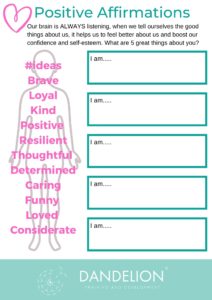
Try starting your day by saying three affirmations aloud. Repeat each one five times. You can also write them on sticky notes and place them where you’ll see them—like your mirror or desk.
Credit: dandeliontraininganddevelopment.com
100+ Powerful Affirmation Ideas For Every Situation
Here are some of the best affirmation ideas, organized by different areas of life. You can use these as they are, or change the words to fit your own needs.
Affirmations For Self-confidence
- I am worthy of respect and kindness.
- I trust myself to make good decisions.
- My voice matters.
- I am proud of who I am becoming.
- I believe in my abilities.
- I am enough just as I am.
- I am brave, even when things are hard.
- I choose to see the best in myself.
- My ideas are valuable.
- I accept myself fully.
Affirmations For Reducing Stress And Anxiety
- I am calm and in control.
- I breathe in peace, I breathe out tension.
- I let go of what I cannot change.
- Each breath relaxes me more.
- I am safe and secure.
- I trust the process of life.
- My mind is clear and focused.
- I am free from worry.
- I am grounded in the present moment.
- I give myself permission to relax.
Affirmations For Motivation And Success
- I am moving closer to my goals every day.
- I learn from every experience.
- I am open to new opportunities.
- I can overcome any challenge.
- I turn setbacks into comebacks.
- I have everything I need to succeed.
- I am committed to growing and learning.
- I celebrate my progress.
- I am focused and determined.
- I make smart choices for my future.
Affirmations For Health And Wellness
- My body is strong and healthy.
- I take care of my mind and body.
- I listen to what my body needs.
- I am grateful for my health.
- I treat myself with kindness.
- I make time for rest and recovery.
- I choose foods that nourish me.
- I enjoy moving my body.
- I am patient with myself as I heal.
- I am in tune with my body’s signals.
Affirmations For Relationships
- I am a caring friend and partner.
- I deserve love and respect.
- I communicate with honesty and kindness.
- I attract positive, supportive people.
- I am open to giving and receiving love.
- I forgive myself and others.
- I am grateful for the people in my life.
- I listen with empathy.
- My relationships are healthy and balanced.
- I create space for connection.
Affirmations For Work And Career
- I am confident in my skills at work.
- I bring value to my team.
- I handle challenges with grace.
- I am growing in my career.
- I welcome new responsibilities.
- I am respected by my colleagues.
- I learn quickly and adapt easily.
- I am proud of my work.
- I balance work with self-care.
- I am open to new possibilities.
Affirmations For Financial Abundance
- I am open to receiving wealth.
- I make wise financial choices.
- I deserve prosperity.
- Money flows to me easily.
- I attract new opportunities for income.
- I am grateful for what I have.
- I manage my money well.
- I am generous and share my wealth.
- My financial future is bright.
- I am free from financial stress.
Affirmations For Self-love
- I love and accept myself unconditionally.
- I am worthy of my own love.
- I honor my needs and desires.
- I am patient with myself.
- I forgive myself for past mistakes.
- I celebrate my uniqueness.
- I am gentle with myself on hard days.
- I am growing at my own pace.
- I choose to treat myself kindly.
- My self-worth is not based on others’ opinions.
Affirmations For Creativity And Inspiration
- I am creative and full of ideas.
- I trust my creative process.
- I see beauty in the world around me.
- Inspiration flows to me naturally.
- I am brave in sharing my ideas.
- I am open to new ways of thinking.
- My creativity brings joy to my life.
- I enjoy exploring new possibilities.
- I am not afraid to take creative risks.
- I am always learning and growing.
Affirmations For Personal Growth
- I am always learning and improving.
- I welcome change as a chance to grow.
- I am open to new experiences.
- I learn from my mistakes.
- I am becoming the best version of myself.
- I take responsibility for my actions.
- I am proud of my progress.
- I am committed to my goals.
- I am not afraid to step outside my comfort zone.
- Every day, I grow stronger and wiser.
Creating Your Own Affirmations
While ready-made affirmations can help, writing your own can be even more powerful. Here’s how to craft affirmations that truly fit you:
- Start with “I am” or “I”: This puts the focus on you.
- Use positive language: Avoid words like “not” or “never.”
- Keep it short and clear: Simple phrases work best.
- Make it believable: Choose something you can accept, even if it’s a stretch.
- Focus on action or feeling: State what you want to do or feel, not what you want to avoid.
For example, instead of “I am not afraid,” try “I am courageous. ” Instead of “I don’t make mistakes,” say “I learn from everything I do. ”
Overcoming Common Affirmation Mistakes
Many people struggle with affirmations for reasons that are easy to fix:
- They pick statements that feel fake: If “I love myself completely” feels untrue, try “I am learning to appreciate myself more each day.”
- They forget to repeat them: Consistency is key. Set reminders or tie affirmations to daily habits, like brushing your teeth.
- They say too many at once: Start with one or two. Focus beats quantity.
Comparing Affirmation Types
Different kinds of affirmations work best in different situations. Here’s a quick comparison of some popular types:
| Affirmation Type | Best For | Example |
|---|---|---|
| Self-Esteem | Building confidence | I am worthy of love and respect. |
| Performance | Work, sports, school | I perform my best under pressure. |
| Stress Relief | Managing anxiety | I am calm and relaxed. |
| Health | Well-being and healing | My body is strong and healthy. |
| Money | Improving finances | I attract abundance and wealth. |
Science Behind Affirmations: Do They Really Work?
Affirmations are more than just positive thinking. Studies from neuroscience and psychology show that repeating positive self-statements can actually change your brain. This process, called neuroplasticity, means your thoughts can build new pathways in your mind.
A key study found that people who practiced self-affirmation had lower stress and performed better on tests. Another study showed that affirmations can make you more open to feedback, which helps you learn and grow.
However, affirmations work best when you back them up with action. For example, saying “I am healthy” is much more powerful if you also eat well and exercise. Using affirmations as part of a daily routine makes them more effective. You can read more about the science at Wikipedia.
Practical Ways To Add Affirmations To Your Life
Affirmations are flexible. You can fit them into almost any part of your day. Here are some real-life ways people use affirmations:
Morning Boost
Start your day with three positive affirmations as you get ready. This sets a confident, positive tone for the hours ahead.
On Your Commute
Repeat affirmations silently while driving or riding public transport. This helps you arrive at work or school feeling centered.
Before A Big Event
If you’re nervous before a meeting, test, or performance, use a calming affirmation. “I am prepared and ready” can help reduce anxiety and boost performance.
In Your Journal
Write your favorite affirmations at the top of your journal page. Reflect on how they relate to your day.
With Technology
Set reminders on your phone with affirmations. You’ll see encouraging words throughout the day, even during busy times.
Affirmations For Special Situations
Some life moments call for unique affirmations. Here are ideas for special challenges and opportunities:
Affirmations For Facing Change
- I adapt easily to new situations.
- I trust the path unfolding for me.
- Change brings new opportunities.
Affirmations For Healing
- I give myself time to heal.
- My body and mind know how to recover.
- I deserve to feel whole and healthy.
Affirmations For Building New Habits
- I am consistent with my new habits.
- Small steps lead to big results.
- I celebrate each day of progress.
Affirmations For Letting Go
- I release what no longer serves me.
- I am free from past hurts.
- I make space for new experiences.
Affirmations For Grief Or Loss
- I honor my feelings and allow healing.
- I am surrounded by love and support.
- My memories bring comfort and peace.
Data: How People Use Affirmations
Recent surveys show that around 30% of adults use affirmations at least once a week. Of those, about 70% say they feel more positive and motivated. Many people start using affirmations for stress or anxiety but later use them to boost confidence or work performance.
Here’s a look at how people use affirmations in daily life:
| Reason for Using Affirmations | Percentage of Users |
|---|---|
| Reduce stress or anxiety | 48% |
| Boost self-confidence | 32% |
| Improve work performance | 10% |
| Health and healing | 6% |
| Better relationships | 4% |
Tips For Making Affirmations Part Of Your Routine
It’s easy to forget about affirmations when life gets busy. Here are some tips to keep your practice strong:
- Choose a regular time: Morning, evening, or after lunch—pick what works best.
- Pair with other habits: Say affirmations while brushing your teeth or making coffee.
- Involve your senses: Write, speak, and even visualize your affirmation for deeper impact.
- Track your progress: Keep a simple chart or journal to note your feelings over time.
Tracking Progress Example
Some people notice changes in their mood or confidence after a few days, while others need weeks. Don’t judge yourself if progress feels slow—small steps count.
Affirmations Vs. Other Self-help Practices
Affirmations are one tool among many for self-growth. How do they compare to other practices? Here’s a quick overview:
| Practice | Main Benefit | Best For | Example |
|---|---|---|---|
| Affirmations | Positive mindset | Quick confidence boost | I am capable. |
| Meditation | Calm and focus | Managing stress | Breathing exercises |
| Visualization | Goal achievement | Preparing for challenges | Imagining success |
| Journaling | Self-reflection | Understanding feelings | Gratitude lists |
Two Non-obvious Insights About Affirmations
- Affirmations work better when you connect them to your values. For example, if you value kindness, an affirmation like “I treat myself and others with kindness” will feel more powerful. This makes the affirmation feel true, even during hard times.
- Negative self-talk can be turned into affirmations. Notice a repeated negative thought, like “I always mess up”? Flip it into an affirmation: “I learn and improve from every mistake.” This shift can help break old thought patterns.

Credit: lotanner.com
When Affirmations Might Not Help
While affirmations are helpful for many, they’re not a cure-all. If you struggle with deep sadness, anxiety, or trauma, affirmations alone may not be enough. In these cases, working with a counselor or therapist can offer more support. Affirmations can still be part of your healing, but don’t hesitate to seek extra help if needed.
Also, some people feel worse when using affirmations that are too far from their reality. If you notice this, adjust your affirmation to feel more believable, or focus on small, positive steps.
Frequently Asked Questions
Credit: www.seaofknowledge.org
What Is The Best Time To Use Affirmations?
There’s no single best time, but many people find mornings effective. Starting your day with positive words sets a hopeful tone. Others prefer evenings to reflect and unwind. The key is consistency—choose a time you can stick with daily.
How Long Should I Repeat An Affirmation Before It Works?
Some people notice changes in a few days, others need weeks or months. It depends on your belief, repetition, and how much the affirmation matches your current feelings. Aim for at least 21 days to see a shift, but stick with it as long as it helps.
Can I Use Affirmations For Someone Else, Like My Child?
Absolutely. You can share affirmations with children, friends, or family to encourage them. For kids, keep statements simple and positive, like “You are brave” or “You can try new things. ” Modeling your own use of affirmations also helps others learn.
What If I Don’t Believe My Affirmation?
If an affirmation feels too hard to believe, change the wording. Try “I am learning to…” or “I am open to the idea that…” This gentle approach helps your mind accept the new thought over time.
Do Affirmations Replace Therapy Or Medical Treatment?
No. Affirmations are a helpful tool, but they don’t replace professional help. If you’re struggling with mental health, talk to a doctor or counselor. Affirmations can support your healing, but they work best alongside other care.
Affirmations are a simple but powerful way to change your mindset and support your growth. With the right approach, you can use them to face life’s challenges, improve your confidence, and build a more positive future. Try a few ideas from this guide, and notice how your thoughts and feelings begin to shift in meaningful ways.
