

Affirmations from Scripture: Unlocking Faith and Inner Strength
Affirmations From Scripture: Unlocking Power And Peace Through Biblical Words
Life is not always easy. Some days feel heavy, and worries can fill your mind. Many people look for ways to find hope, strength, and comfort. One simple but powerful tool is affirmations—positive statements you repeat to yourself. But when those affirmations come from Scripture, they carry a deep meaning. They are rooted in the promises and truths of the Bible. For millions, biblical affirmations are more than just motivational words; they connect you to faith, purpose, and peace.
In this article, you’ll discover what affirmations from Scripture are, why they matter, and how you can use them. You’ll see real examples, practical steps, and even explore how biblical affirmations compare to secular ones. Whether you’re new to this idea or have used affirmations before, you’ll find guidance to make these words a daily part of your life.
Understanding Affirmations From Scripture
Affirmations are statements you say to yourself to focus your mind and heart. Biblical affirmations are based on verses from the Bible. They remind you of God’s promises, love, and guidance. Unlike generic positive affirmations, scriptural affirmations point you to faith and truth, not just positive thinking.
What Makes Biblical Affirmations Unique?
Secular affirmations often focus on self-confidence (“I am strong,” “I can do anything”). Scripture-based affirmations are rooted in God’s character and His promises. Instead of just saying “I am enough,” you might declare, “I am loved by God” or “God gives me strength.” This shifts your focus from yourself to something bigger—faith.
| Secular Affirmation | Scriptural Affirmation |
|---|---|
| I am in control of my life | God guides my steps |
| I am worthy | I am valued by God |
| I can overcome anything | With God, all things are possible |
Why Do Biblical Affirmations Matter?
Repeating words from Scripture can change your mindset. Research shows that positive affirmations reduce stress, improve self-esteem, and help people handle challenges. When those affirmations connect to faith, they offer comfort and hope during difficult times. According to a survey by the American Bible Society, over 60% of people who read the Bible regularly say it makes them feel more hopeful and less anxious.
But there’s more. Biblical affirmations are not just about feeling good; they remind you of deeper truths. For example, “I am forgiven” is not just positive—it’s a foundation in Christian faith.
How To Create And Use Affirmations From Scripture
Using affirmations from Scripture is simple but effective. The key is to choose verses that speak to your situation and repeat them with intention.
Steps To Create Your Own Scriptural Affirmations
1. Identify Your Need
What are you struggling with? Anxiety, confidence, forgiveness, hope? Start by naming your need.
2. Find A Bible Verse
Look for verses that address your need. For anxiety, you might choose, “Do not be anxious about anything…” For strength, “I can do all things through Christ…”
3. Turn The Verse Into An Affirmation
Rewrite the verse in your own words, while keeping its meaning. For example, “God is my strength and my shield. ”
4. Repeat Daily
Say your affirmation aloud each morning, during stressful moments, or before bed. Repetition helps your mind absorb the truth.
Practical Example: Affirmation For Anxiety
- Need: Anxiety about the future
- Verse: “Cast all your anxiety on Him because He cares for you.”
- Affirmation: “I give my worries to God. He cares for me.”
Common Mistakes Beginners Make
- Picking too many affirmations at once. Start with one or two, so you can focus.
- Using generic statements instead of Scripture-based words.
- Not believing the words. Speak them with faith, not just as a ritual.
Credit: outuponthewaters.com
Powerful Scriptural Affirmations For Everyday Life
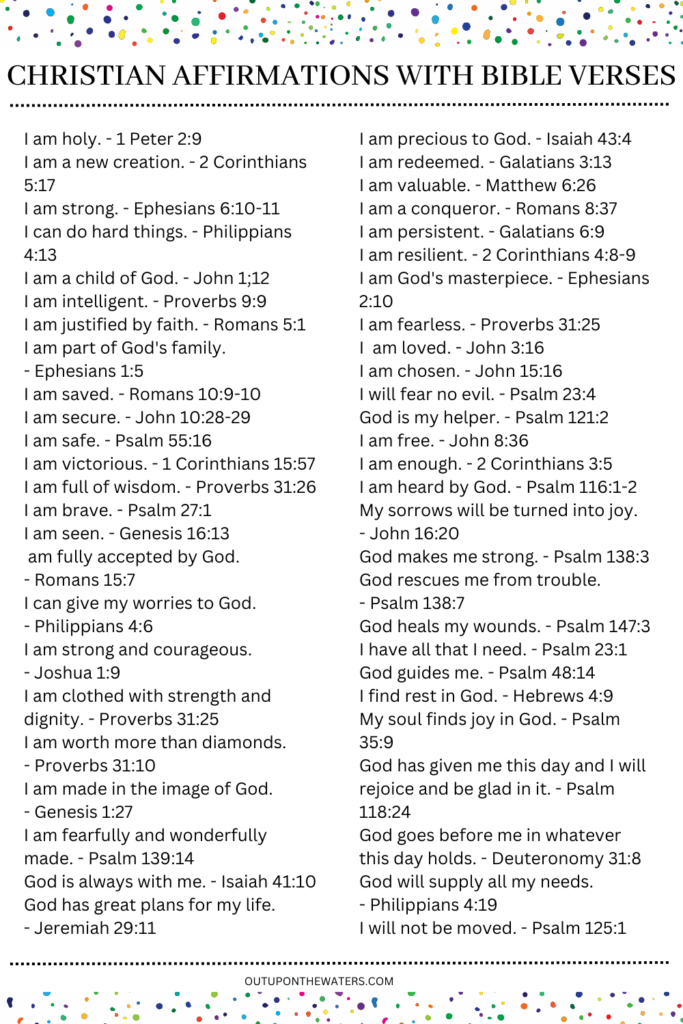
Here are some of the most popular and useful affirmations drawn from Scripture. Each one addresses a common life challenge.
1. I Am Loved By God
Based On: “i Have Loved You With An Everlasting Love.”
2. God Gives Me Strength
Based On: “the Lord Is My Strength And My Shield.”
3. I Am Forgiven
Based on: “If we confess our sins, He is faithful and just to forgive us.”
4. I Am Not Alone
Based On: “i Will Never Leave You Nor Forsake You.”
5. God Has A Plan For Me
Based on: “For I know the plans I have for you…”
6. I Am At Peace
Based on: “The peace of God, which surpasses all understanding, will guard your hearts.”
7. God Fights For Me
Based on: “The Lord will fight for you; you need only to be still.”
8. I Am Chosen
Based On: “you Are A Chosen People, A Royal Priesthood.”
9. I Am A New Creation
Based on: “If anyone is in Christ, he is a new creation.”
10. God Heals Me
Based on: “He heals the brokenhearted and binds up their wounds.”
These affirmations are not magic words. They remind you of truths the Bible teaches. When repeated often, they can change your thinking and boost your faith.
The Science Behind Affirmations: Faith And Psychology
Some people wonder if affirmations really work. Studies show that positive self-talk can change how your brain works. Affirmations activate the reward centers in the brain, helping you feel more hopeful and less fearful.
When those affirmations come from Scripture, they offer more than just positivity. They connect your mind to spiritual truths. According to the National Institutes of Health, spiritual practices like prayer and meditation lower stress and improve mental health.
How Scripture-based Affirmations Differ
Secular affirmations focus on self. Scriptural affirmations remind you of God’s power and promises. This difference is important. Many psychologists say that faith-based affirmations can be even more powerful because they provide meaning and hope beyond yourself.
| Secular Affirmations | Scriptural Affirmations |
|---|---|
| Self-focused | God-focused |
| Temporary | Rooted in eternal truths |
| Personal achievements | God’s promises |
Non-obvious Insight
Many beginners think affirmations are only for confidence. But biblical affirmations can help with deeper issues, like forgiveness, purpose, and healing. They are a tool for spiritual growth, not just motivation.
Credit: macorner.co
Using Biblical Affirmations In Daily Life
Making affirmations a habit can change your routine. Here are ways to include them each day:
- Morning routine: Start your day by reading or reciting a scriptural affirmation.
- During stress: When you feel anxious, repeat your affirmation to calm your mind.
- Writing in a journal: Write your affirmation and reflect on how it applies to your day.
- Sharing with others: Encourage friends or family with a relevant affirmation.
Example: Daily Routine With Affirmations
A person struggling with self-doubt might use, “I am chosen by God. ” Each morning, they repeat this affirmation, write it in their journal, and remind themselves during tough moments. Over time, this builds confidence rooted in faith.
Advanced Tip
Try memorizing the full verse behind your affirmation. This helps you understand the context and makes the affirmation even more powerful. For example, instead of only saying, “God gives me strength,” memorize the verse it’s based on.
Choosing The Right Affirmation: Matching Needs To Scripture
Picking the right affirmation is important. It’s not about choosing random verses, but finding words that match your situation.
How To Match Affirmations To Your Needs
1. Identify Your Main Struggle:
Is It Fear, Anxiety, Doubt, Loneliness, Or Something Else?
2. Search For Related Verses:
Use a Bible index, online search, or ask a spiritual mentor.
3. Personalize The Affirmation:
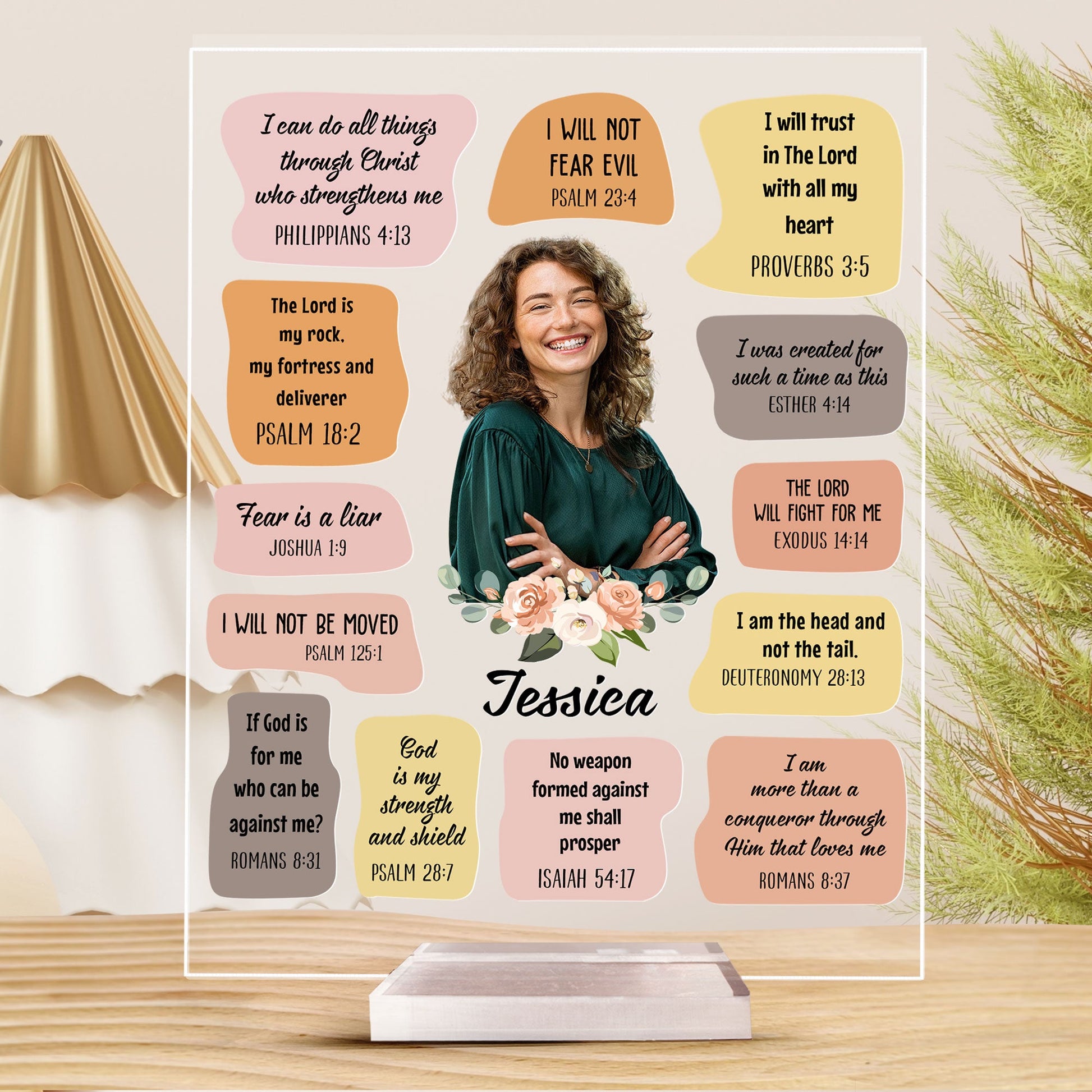
Put your name in the statement. For example, “God gives me strength” becomes “God gives Sarah strength. ”
Example Situations And Affirmations
| Situation | Affirmation |
|---|---|
| Anxiety about exams | God gives me wisdom and peace |
| Fear of change | God is with me wherever I go |
| Feelings of guilt | I am forgiven and set free |
Non-obvious Insight
Some people think affirmations must be short. But longer affirmations can be powerful, especially if you use the full verse or add context. For example, “The Lord is my shepherd; I lack nothing. He guides me and comforts me. ”
Comparing Biblical Affirmations To Other Spiritual Practices
Affirmations from Scripture are just one tool. Many people use prayer, meditation, and worship. How do affirmations fit in?
Prayer Vs. Affirmations
Prayer is speaking to God. Affirmations are speaking truth to yourself, often based on God’s Word.
Meditation Vs. Affirmations
Meditation is focusing your mind, sometimes on a verse or truth. Affirmations are repeated statements, but can be part of meditation.
Worship Vs. Affirmations
Worship is praising God. Affirmations can remind you why you worship.
| Practice | Purpose | How Affirmations Fit |
|---|---|---|
| Prayer | Connect with God | Use affirmations as part of prayer |
| Meditation | Focus mind | Repeat affirmations during meditation |
| Worship | Praise God | Affirm God’s goodness |
Practical Advisor’s Tip
Try combining your affirmation with prayer: say your affirmation, then thank God for it. For example, “God gives me peace—thank you, Lord, for your peace.”
Real-life Stories: Affirmations That Changed Lives
Many people have found hope, healing, and strength through scriptural affirmations. Here are two real examples:
Story 1: Overcoming Anxiety
Maria was always worried about her job and family. She started using the affirmation, “God cares for me; I give Him my worries. ” She repeated it every morning and during stressful moments. Over time, her anxiety dropped. She felt more peaceful, and her family noticed the change.
Story 2: Finding Forgiveness
John struggled with guilt from past mistakes. He used the affirmation, “I am forgiven by God. ” After weeks of repeating this, he felt lighter and more hopeful. He started helping others who felt guilty, sharing his affirmation with them.
Credit: unfinishedsuccess.com
Making Affirmations A Habit: Practical Steps
Affirmations only work if you use them often. Here’s how to build a habit:
- Set a time: Pick a regular moment—morning, evening, or before a challenge.
- Write it down: Keep your affirmation in a notebook, phone, or sticky note.
- Speak aloud: Hearing the words helps you believe them.
- Share with someone: Tell a friend or family member about your affirmation.
- Review monthly: Check if your affirmation is still helpful. Change it if needed.
Advanced Habit-building Tip
Use reminders on your phone or calendar. A daily notification can prompt you to repeat your affirmation. This helps you stay consistent.
Common Questions And Doubts About Scriptural Affirmations
Some people wonder if affirmations are biblical, or if they really work. Here’s what you need to know:
- Are affirmations biblical?
Yes, the Bible encourages believers to meditate on God’s Word and speak truth. “Let the words of my mouth… be pleasing in your sight, O Lord. ”
- Do affirmations really change anything?
Affirmations help you focus on truth. Over time, this changes your mindset and behavior.
- Can anyone use affirmations?
Yes, anyone can use them. They don’t require special skills or background.
- Is it okay to personalize verses?
As long as you keep the meaning, personalizing verses is fine.
- Should you use the exact Bible words?
Using the original verse is powerful, but summarizing or paraphrasing is also helpful.
Frequently Asked Questions
How Often Should I Repeat Affirmations From Scripture?
Most experts suggest repeating your affirmations daily. Some people do it in the morning, others at night. The key is consistency. If you’re facing a tough situation, you might repeat your affirmation several times a day. Consistent repetition helps your mind accept the truth.
Can I Use Affirmations From Different Translations Of The Bible?
Yes, you can use verses from any Bible translation that you understand best. Some people prefer modern translations for clarity. Others like traditional wording. Choose what speaks to you. The most important thing is the meaning, not the exact words.
How Do I Know If My Affirmation Is Working?
You’ll notice changes in your attitude, confidence, and peace. Sometimes the change is slow. Look for signs like feeling less anxious, being more hopeful, or responding to problems with faith. If you don’t feel a difference, try a new affirmation or combine it with prayer.
Is It Okay To Share My Affirmation With Others?
Absolutely. Sharing your affirmation can encourage others. You might find friends or family who need the same words. But remember, affirmations are personal. Share if you feel comfortable, and respect others’ beliefs.
Are Affirmations From Scripture Only For Christians?
While these affirmations are based on the Bible, anyone can use them. People of other faiths or backgrounds may find comfort in biblical truths. However, scriptural affirmations are most meaningful for those who believe in the Bible’s teachings.
Final Thoughts: Bringing Scriptural Affirmations Into Your Life
Affirmations from Scripture are not just positive statements—they are reminders of God’s promises and love. When you use them daily, you build a mindset rooted in faith and truth. Whether you are facing worry, doubt, or need hope, biblical affirmations offer a path to peace and strength.
Choose words that match your needs, repeat them with belief, and make them a habit. Over time, you’ll see real changes in your thoughts and feelings. If you want to go deeper, explore more on Bible Gateway for verses that inspire you.
The journey with affirmations from Scripture is simple, but the impact can be life-changing. Start today—let the words of the Bible shape your mind, and unlock new power and peace in your life.
