

Workout for Glute: Best Exercises to Sculpt and Strengthen Fast
A strong, well-shaped glute is more than just a trend—it’s the foundation for better movement, posture, and athletic performance. Many people focus on building their glute muscles to improve how they look in jeans or at the beach, but the benefits go much deeper. The glute muscles help with walking, running, lifting, and protecting your lower back. If you sit all day or struggle with back pain, you may need to give your glutes more attention.
Learning how to work out your glutes is not complicated, but it does take some basic knowledge and the right exercises. Some people spend months doing the wrong moves, never seeing results. Others get hurt by ignoring form or using too much weight too soon.
This guide will show you exactly how to build your glutes, avoid mistakes, and make every workout count—whether you’re at home, in the gym, or just starting out.
Understanding The Glute Muscles
Many people think of the glutes as one big muscle, but actually, there are three main muscles working together:
- Gluteus maximus: The largest muscle, responsible for hip extension and the “round” shape.
- Gluteus medius: Located on the side of your hip, helps keep your pelvis stable.
- Gluteus minimus: The smallest, sits under the medius and helps with hip stability.
These muscles are important for daily activities like standing up, climbing stairs, and balancing on one leg. Weak glutes can lead to poor posture, knee pain, and even injuries in your back or hips. Many people have “sleepy” glutes because of too much sitting, which makes training even more important.
Why Glute Training Matters
Strong glutes do much more than just improve appearance. Here’s why everyone should include glute workouts:
- Better Posture: The glutes help align your hips and spine, reducing the risk of slouching.
- Injury Prevention: Strong glutes support your lower back and knees, lowering injury risk.
- More Power: If you run, jump, or lift weights, your glutes are the engine for powerful movement.
- Improved Balance: Good glute strength helps with stability and balance in daily life.
- Less Back Pain: Weak glutes make your back do extra work, often leading to pain.
For athletes, glute training is essential for sprinting, jumping, and changing direction. For everyone else, it helps with daily tasks and keeps your body healthy as you age.
Key Principles For Effective Glute Workouts
Before diving into specific exercises, it’s important to understand what makes a glute workout effective:
- Activate the Muscle: Many people use their quads or back more than their glutes. Learn to “feel” the glutes working.
- Use Full Range of Motion: Moving your hips through a full range helps target all parts of the muscle.
- Progressive Overload: To grow, your glutes need more challenge over time—heavier weights, more reps, or tougher exercises.
- Recovery: Muscles grow when you rest. Don’t train glutes every day.
- Mind-Muscle Connection: Focus on squeezing your glutes during each rep, not just moving the weight.
One non-obvious tip: warm up your glutes before heavy training. This “wakes up” the muscles and helps you get more out of each set.
Common Mistakes In Glute Training
Even with good exercises, mistakes can limit your results. Watch out for these:
- Neglecting Glute Activation: Jumping into heavy lifts without waking up the glutes can make other muscles take over.
- Poor Form: Rounding your back or letting your knees cave in reduces glute work and risks injury.
- Over-Reliance on Squats: Squats are great, but they don’t target the glutes as much as many think—especially for some body types.
- Not Adding Weight: Bodyweight is a good start, but your muscles need more challenge to grow.
- Ignoring Single-Leg Movements: These build stability and target the glute medius and minimus.
A second insight: Variety matters. Your glutes respond best when you hit them from different angles and with different exercises.
Top Glute Exercises (with Variations)
The best glute workout isn’t just about one or two moves. Here are some of the most effective exercises, how to do them, and why they work.
Hip Thrust
One of the best moves for glute growth. Sit on the floor with your upper back against a bench, feet flat. Roll a barbell (or use bodyweight) over your hips. Drive through your heels to lift your hips until your thighs are parallel to the ground.
Squeeze your glutes hard at the top, then lower down.
- Focus: Gluteus maximus
- Tip: Keep your chin tucked to avoid arching your back.
Glute Bridge
Similar to the hip thrust but done on the floor. Lie on your back, feet flat, and push your hips up by squeezing your glutes. Can be done with both feet or as a single-leg bridge for extra challenge.
- Focus: Gluteus maximus, some hamstring
- Tip: Don’t push with your lower back.
Bulgarian Split Squat
Stand with one foot behind you on a bench or chair. Lower your body until your front thigh is parallel to the ground, then press back up through your front heel.
- Focus: Gluteus maximus, gluteus medius
- Tip: Lean slightly forward to target the glutes more.
Romanian Deadlift (rdl)
Hold weights in front of your legs. Hinge at the hips, keeping your back straight, and lower the weights down your legs. Push your hips back, then drive up by squeezing the glutes.
- Focus: Gluteus maximus, hamstrings
- Tip: Don’t round your back. Keep the weights close to your legs.
Step-up
Step onto a box or bench, driving through your heel to stand up. Lower back down with control.
- Focus: Gluteus maximus, gluteus medius
- Tip: Use a high enough box to feel your glutes working.
Clamshell
Lie on your side, knees bent, feet together. Open your top knee as far as possible while keeping your feet touching. This works the small glute muscles.
- Focus: Gluteus medius, minimus
- Tip: Place a resistance band around your knees for more challenge.
Donkey Kick
Start on hands and knees. Lift one leg up and back, keeping your knee bent. Squeeze your glute at the top, then lower.
- Focus: Gluteus maximus
- Tip: Avoid arching your back.
Lateral Band Walk
Place a resistance band around your legs (above knees or ankles). Step side to side, keeping tension on the band.
- Focus: Gluteus medius, minimus
- Tip: Don’t let your knees cave in.
Cable Kickback
Stand facing a cable machine. Attach the cable to your ankle and kick your leg back and up. Focus on squeezing the glute.
- Focus: Gluteus maximus
- Tip: Move slowly for better control.
Frog Pump
Lie on your back, feet together and knees out wide (like a butterfly stretch). Push hips up and squeeze glutes.
- Focus: Gluteus maximus
- Tip: Use high reps for a strong burn.
Sample Glute Workouts For Different Levels
Whether you are a beginner or advanced, you can build a strong glute workout. Here are three example routines:
Beginner Glute Workout (bodyweight, No Equipment)
- Glute Bridge: 3 sets of 15 reps
- Donkey Kick: 3 sets of 12 reps per leg
- Clamshell: 3 sets of 15 reps per side
- Lateral Band Walk (if you have a band): 3 sets of 20 steps
Rest 60 seconds between sets. Focus on form and squeezing the glutes.
Intermediate Glute Workout (home Or Gym)
- Hip Thrust (with weight or bodyweight): 4 sets of 12 reps
- Bulgarian Split Squat: 3 sets of 10 reps per leg
- Step-Up: 3 sets of 12 reps per leg
- Single-Leg Glute Bridge: 3 sets of 10 reps per leg
Rest 60–90 seconds between sets. Add resistance as you get stronger.
Advanced Glute Workout (gym)
- Barbell Hip Thrust: 4 sets of 8–10 reps
- Romanian Deadlift: 4 sets of 8–10 reps
- Bulgarian Split Squat (with weights): 3 sets of 10 reps per leg
- Cable Kickback: 3 sets of 12 reps per leg
- Frog Pump: 3 sets of 20 reps
Rest 90 seconds between big lifts, 60 seconds for isolation moves.
Glute Training Frequency And Volume
How often should you train your glutes? Most people see good results with 2–3 sessions per week. Your muscles need time to recover, so avoid training the same muscle group two days in a row.
A good rule: Train glutes every 2–3 days. This allows enough recovery and growth.
When planning your workouts, include:
- 1–2 heavy compound exercises (like hip thrust or deadlift)
- 1–2 single-leg or stability exercises (like split squat or step-up)
- 1–2 isolation exercises (like cable kickback or clamshell)
This mix hits all glute muscles and encourages balanced growth.
Comparing Glute Exercises By Muscle Activation
Different exercises target the glutes in different ways. Here’s a comparison based on muscle activation (how much the glutes are working):
| Exercise | Gluteus Maximus | Gluteus Medius/Minimus | Other Muscles |
|---|---|---|---|
| Hip Thrust | High | Medium | Hamstrings, core |
| Glute Bridge | High | Medium | Hamstrings, lower back |
| Bulgarian Split Squat | Medium-High | Medium | Quads, hamstrings |
| Clamshell | Low | High | Hip rotators |
| Lateral Band Walk | Low | High | Hip abductors |
Glute Training With And Without Equipment
You don’t need a fancy gym to build strong glutes. Here’s how equipment changes your options:
No Equipment (bodyweight)
Great for beginners or those at home. Focus on:
- Glute bridges
- Single-leg glute bridges
- Donkey kicks
- Clamshells
- Frog pumps
You can increase challenge by slowing down reps or adding pauses at the top.
Resistance Bands
Bands are light, cheap, and effective for:
- Lateral band walks
- Banded hip thrusts
- Banded squats
- Banded clamshells
Bands help you feel the glutes working and are great for warm-ups.
Dumbbells And Kettlebells
Add weight to:
- Hip thrusts
- Split squats
- RDLs
- Step-ups
Start light and increase gradually to avoid injury.
Barbells And Machines
For maximum growth, use:
- Barbell hip thrusts
- Barbell squats
- Leg press (glute focus)
- Cable kickbacks
Gyms offer more ways to increase resistance, but form is always key.
Sample Weekly Glute Training Plan
Here’s a balanced week for someone wanting to focus on glutes:
| Day | Main Focus | Key Glute Exercises |
|---|---|---|
| Monday | Glutes + Legs | Hip thrust, split squat, step-up, leg press |
| Wednesday | Glutes + Core | Glute bridge, clamshell, band walk, plank |
| Friday | Glutes + Hamstrings | Romanian deadlift, frog pump, cable kickback |
Rest at least one day between heavy glute sessions. On other days, focus on upper body, cardio, or active recovery.

Credit: www.youtube.com
Nutrition For Glute Growth
Training is only part of the process. To grow your glutes, you also need proper nutrition. Here’s what matters most:
- Protein: Aim for 0.7–1 gram per pound of body weight daily. This helps repair and build muscle.
- Healthy Fats: Needed for hormones and energy. Include sources like olive oil, nuts, avocado, and fish.
- Carbohydrates: Fuel your workouts and help with recovery. Choose whole grains, fruits, and veggies.
- Caloric Surplus: To grow muscle, you usually need to eat a bit more than you burn.
Many beginners miss this: Consistency is key. One good meal won’t build muscle, just like one workout won’t change your body. Stick with your plan for weeks and months to see real results.
Glute Activation: Waking Up Lazy Glutes
If you sit a lot, your glutes may “switch off.” This is called gluteal amnesia or “dead butt syndrome.” Before heavy training, do these moves to wake up your glutes:
- Glute bridge holds (hold at the top for 20–30 seconds)
- Banded clamshells
- Monster walks (wide steps with a resistance band)
Spend 5–10 minutes before your main workout on these. You’ll feel your glutes working more during the main exercises.
Glute Workouts For Women Vs. Men
Some people ask if women and men should train glutes differently. The answer: not much. Both men and women have the same glute muscles and benefit from the same exercises.
However, women often recover faster and can handle a bit more volume (more sets or reps), while men may lift heavier weights. The main difference is usually in goals—some women want more shape, while men may focus on strength or athletic power.
Cardio And Glute Training
Cardio can help with fat loss, but not all cardio is equal for glutes. Walking on an incline, stair climbing, or hill sprints hit the glutes much more than flat running or cycling.
Try adding a few short hill sprints or stair sessions each week to your routine. It’s a simple way to add extra glute work without spending more time in the gym.
Stretching And Mobility For Healthy Glutes
Tight hips or stiff lower back can make it hard for your glutes to work. Include these stretches:
- Hip flexor stretch: Kneel with one foot forward, push hips gently forward.
- Pigeon pose: Sit on the floor, bring one knee forward, extend the other leg back.
- Figure 4 stretch: Lie on your back, cross one ankle over the opposite knee, pull the leg in.
Stretch after your workout or on rest days to keep your hips open and glutes active.
Tracking Progress And Staying Motivated
Building strong glutes takes time. Here are ways to track your progress:
- Take photos every few weeks—results often show in pictures before the mirror.
- Track the weight, sets, and reps you use for big glute exercises.
- Notice changes in daily life: Easier stairs, less back pain, better posture.
Set small goals (like adding 5 pounds to your hip thrust) to stay motivated. Celebrate progress, not just perfection.
Glute Training For Different Goals
Your glute workout should fit your main goal:
For Size And Shape
- Focus on hip thrusts, split squats, and step-ups.
- Use moderate to heavy weight, 8–15 reps per set.
- Include isolation moves (kickbacks, clamshells).
For Strength
- Focus on heavy hip thrusts, squats, and deadlifts.
- Use lower reps (4–8) with more rest.
For Athletic Performance
- Include explosive moves: Box jumps, hill sprints, kettlebell swings.
- Mix strength and speed work.
If you want to focus on fat loss, keep your glute training but add cardio and control your calories.
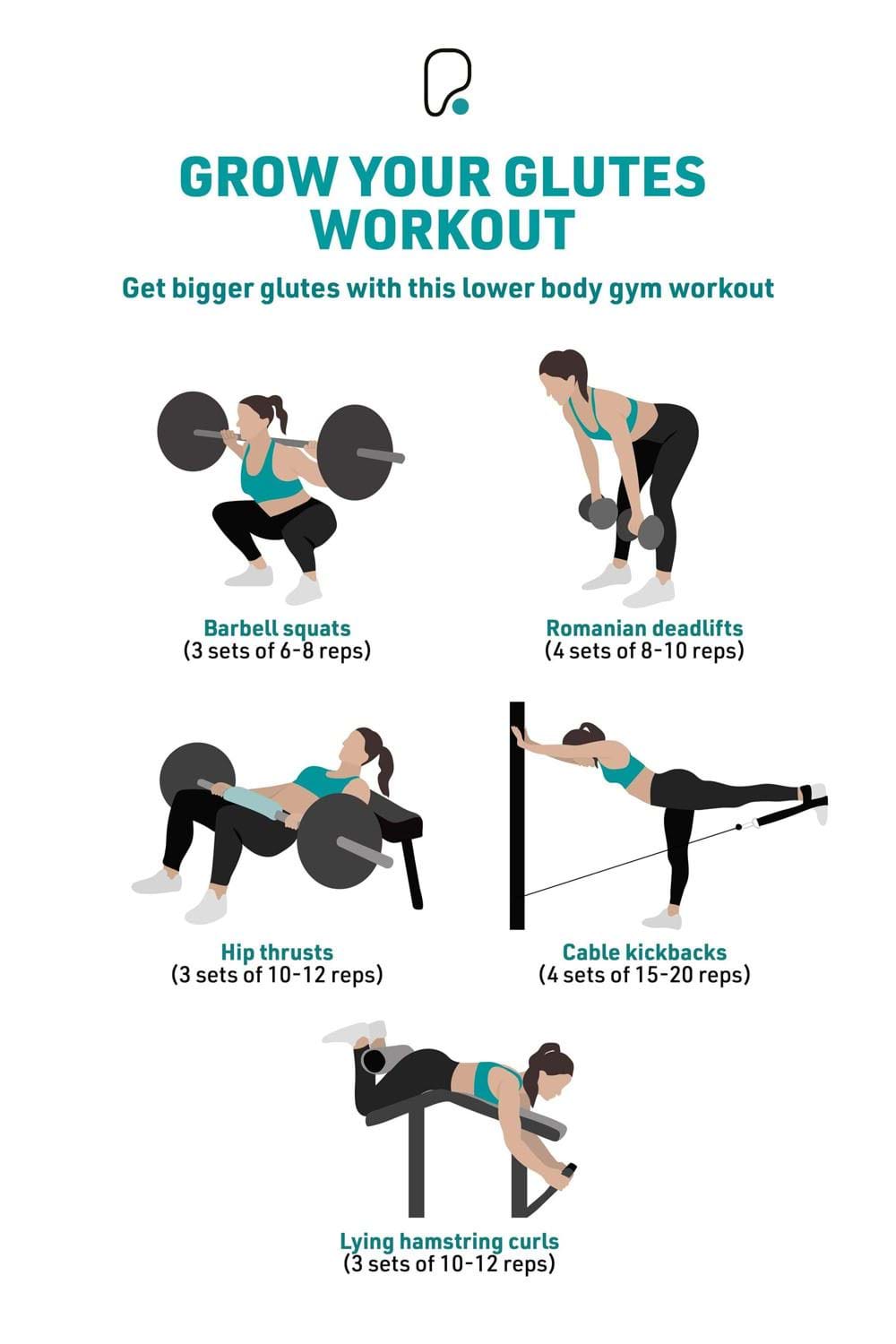
Best Practices For Safe And Effective Glute Workouts
- Always warm up before heavy training.
- Focus on form, not just weight.
- Progress slowly—add weight or reps as you get stronger.
- Listen to your body: Pain is a warning sign.
- Rest and recover: Sleep is when muscles grow.
Many people skip rest days, but this can stall your progress. Quality matters more than quantity.
Credit: www.puregym.com
Glute Exercise Equipment Comparison
How do different tools compare for glute training? Here’s a quick look:
| Equipment | Benefits | Drawbacks | Best For |
|---|---|---|---|
| Bodyweight | Accessible, safe for beginners | Limited progression | Beginners, home training |
| Bands | Portable, easy to add resistance | May not be enough for advanced users | Warm-ups, light workouts |
| Dumbbells/Kettlebells | Versatile, increase weight easily | Grip strength may limit heavy lifts | Intermediate to advanced |
| Barbells | Maximal load, best for strength | Need equipment and space | Strength and muscle growth |
| Machines | Safe, isolate glutes | Not always available | All levels, gym users |
Glute Training For Special Populations
Seniors
Building glute strength can help prevent falls, improve balance, and keep you active. Focus on bodyweight exercises and step-ups. Always check with a doctor before starting new exercises.
Pregnant Women
Glute exercises can relieve back pain and prepare your body for childbirth. Avoid lying on your back after the first trimester; focus on standing moves and keep intensity moderate.
People With Injuries
If you have back, knee, or hip pain, start with gentle exercises like clamshells and glute bridges. Avoid heavy lifts until cleared by a professional.

Credit: www.fondation-enovos.lu
Mixing Glute Workouts With Other Training
Don’t skip other muscle groups. A balanced program includes upper body, core, and cardio. For best results, put glute training first in your workout (when you have the most energy).
If you’re short on time, try a lower body circuit with squats, lunges, and hip thrusts for a full workout in 30 minutes.
Science-backed Results
Research shows that hip thrusts and glute bridges create the most glute activation of any exercise. Adding variety and increasing resistance over time leads to the best results. For example, a study published by the National Strength and Conditioning Association found hip thrusts activated the gluteus maximus significantly more than squats, especially at the top of the lift.
If you want more details on glute muscle anatomy and function, you can visit the Wikipedia page on the gluteus maximus.
Frequently Asked Questions
How Often Should I Do Glute Workouts?
Most people get good results with 2–3 glute-focused sessions per week. This gives your muscles time to recover and grow. Avoid training glutes on back-to-back days.
Can I Build Glutes With Bodyweight Exercises Only?
Yes, especially if you’re a beginner. Exercises like glute bridges, single-leg bridges, and donkey kicks work well. As you get stronger, add bands or weights for more challenge.
Why Don’t I Feel My Glutes Working During Squats?
Many people use their quads or lower back more than their glutes during squats. Try adjusting your stance, adding a glute activation warm-up, or focusing on hip thrusts and bridges, which target the glutes directly.
What If I Have Knee Or Back Pain When Training Glutes?
Start with gentle, low-impact exercises like clamshells or glute bridges. Check your form and avoid heavy weights until you feel stronger. If pain continues, consult a healthcare professional.
How Long Does It Take To See Results From Glute Training?
Most people start to feel stronger in a few weeks, but visible changes may take 8–12 weeks. Progress depends on your starting point, effort, and nutrition. Consistency is the key.
Building strong, healthy glutes is possible for everyone with the right approach. Whether your goal is more power, better posture, or a rounder shape, glute training is worth the effort. Focus on form, use a mix of exercises, and stay consistent.
Over time, you’ll see and feel the difference—not just in your glutes, but in your whole body.
