

Why Triceps is Important: Boost Your Strength and Muscle Growth
Why Triceps Is Important
Strong and well-shaped arms are often a goal for many people who exercise. When most think of building bigger arms, they usually focus on the biceps. But the real secret to powerful and attractive arms is the triceps. These muscles make up most of the upper arm’s size, and they play a critical role in both strength and appearance. Understanding why triceps are important can change how you train and how you see arm development.
The triceps are not just for looks. They are essential for many daily movements, sports, and overall upper body strength. Weak triceps can hold you back, causing poor performance and a higher risk of injury. In this article, you will learn why the triceps matter, how they work, and the benefits of developing them.
You will also see examples, real data, practical tips, and answers to common questions. Whether you are a beginner or have been training for years, improving your triceps can take your fitness to the next level.
Understanding The Triceps Muscle
The triceps, officially called the triceps brachii, are located at the back of your upper arm. The name “triceps” comes from the Latin word for “three heads.” This is because the muscle has three distinct parts:
- Long head – runs along the back of the arm, connecting to the shoulder blade.
- Lateral head – located on the outer side of the arm.
- Medial head – sits deeper and is toward the middle of the upper arm.
Each head works together to straighten the arm (elbow extension), but they also have special roles. For example, the long head helps with movements that involve both the shoulder and elbow.
How Triceps Work
Every time you push something—like opening a door, doing a push-up, or throwing a ball—you use your triceps. They extend your elbow, making your arm straight. This action is important in countless daily activities and sports.
The triceps also balance the work of the biceps, which bend the arm. If your triceps are weak, your arms can feel unstable, and your movements may not be smooth.
Comparison: Triceps Vs. Biceps
Many people want bigger biceps, but the triceps actually make up about two-thirds of the upper arm’s muscle mass. Here is a quick comparison:
| Muscle | Main Function | Arm Mass Contribution | Exercise Examples |
|---|---|---|---|
| Biceps | Elbow flexion (bending arm) | One-third | Curls, chin-ups |
| Triceps | Elbow extension (straightening arm) | Two-thirds | Dips, pushdowns, push-ups |
This shows that if you want bigger, stronger arms, focusing only on biceps is a mistake. Triceps training is key.
Key Roles Of The Triceps In Daily Life
Strong triceps do much more than just make your arms look good. They are important for simple actions you do every day.
Daily Movements
- Pushing up from a chair: When you use your arms to stand up, your triceps do most of the work.
- Carrying objects: Whether you lift groceries, a child, or a heavy box, your triceps help control the weight.
- Reaching and pressing: Placing an item on a high shelf or closing a heavy door uses your triceps.
Sports And Activities
Triceps are active in many sports, including:
- Basketball: Shooting and passing the ball involve quick triceps action.
- Swimming: The stroke phase of freestyle and butterfly uses the triceps for powerful arm extension.
- Boxing and martial arts: Punching force relies on strong triceps.
- Gymnastics: Movements like handstands and ring dips depend on triceps strength.
Injury Prevention
Weak triceps can cause overuse of other muscles, especially the shoulders and elbows. This increases the chance of strains and injuries. Balanced arm strength helps protect joints and allows smoother, more efficient movement.
Triceps And Upper Body Strength
If you want a strong upper body, you cannot ignore your triceps. They are involved in many powerful pushing movements.
Compound Exercises
Some of the most effective strength exercises rely heavily on the triceps:
- Bench press
- Push-ups
- Overhead press
- Dips
These exercises work multiple muscles, but the triceps are always a main player. If your triceps are weak, you will struggle to increase your strength in these lifts.
Real-world Example
Imagine two people doing a bench press. Person A has strong chest muscles but weak triceps. Person B has strong triceps and an average chest. In most cases, Person B will lift more weight, because their triceps do not fail early.
The triceps are the “finishing” muscle in most pressing movements.
Data: Triceps Activation
Studies using EMG (a tool to measure muscle activity) show that the triceps are highly active in all pressing movements. In the close-grip bench press, triceps activation can be as high as 75% of the total effort. This means the triceps are almost always the limiting factor when pushing heavy weights.
Triceps And Arm Size
Many people chase bigger arms by doing endless biceps curls. But this is not the most effective way. As shown earlier, the triceps make up the majority of the upper arm’s size. If you want your arms to look larger in a T-shirt, focus on your triceps.
Visual Impact
Well-developed triceps give your arms a fuller, more “finished” look. The long head adds thickness, while the lateral head creates an impressive “horseshoe” shape visible from the side and back.
Data: Arm Measurement
Here is a simple example to show the effect of triceps growth on arm size:
| Person | Biceps Size | Triceps Size | Upper Arm Size |
|---|---|---|---|
| Person A | 12 inches | 13 inches | 15 inches |
| Person B | 12 inches | 14 inches | 16 inches |
Even with the same biceps size, a small increase in triceps size makes a big difference in the total arm measurement.
Symmetry And Proportion
If you focus only on biceps, your arms may look unbalanced. Well-developed triceps create a better overall shape, making your arms look strong from all angles.
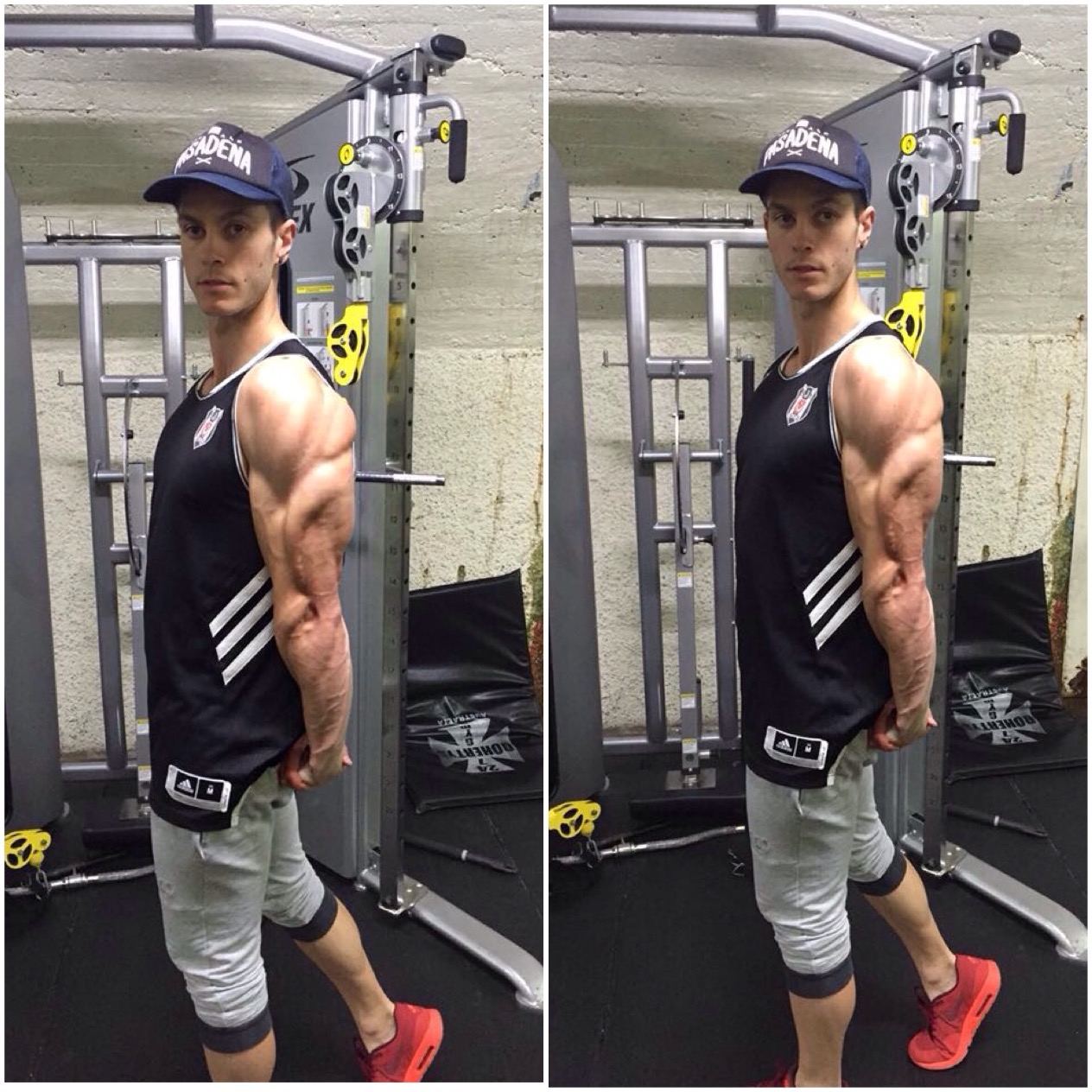
Credit: dannykennedyfitness.com
Triceps And Functional Fitness
Functional fitness means training the body to handle real-world activities. Triceps are a key part of this because they help with pushing, pressing, and stabilizing the arms.
Everyday Strength
A strong triceps muscle helps you:
- Push heavy objects
- Support your body weight (like in a push-up)
- Maintain good posture when carrying loads
Stability And Control
The triceps work with the shoulders and chest to keep your upper body steady. They help protect the elbow joint, especially during sudden or awkward movements.
Example: Getting Up From The Floor
Try getting up from the floor without using your hands. It is harder, right? Using your hands, your triceps work hard to push you up. Weak triceps make this movement slow and difficult, especially as you get older.
Triceps And Athletic Performance
Athletes know the value of strong triceps. In many sports, triceps power can mean the difference between a good performance and a great one.
Explosive Power
Sports like football, basketball, and volleyball need explosive arm strength. The triceps deliver quick, powerful extensions needed for:
- Throwing: In baseball or football, triceps help with the final snap of a throw.
- Jumping: During a basketball dunk or volleyball spike, triceps add force during the push-off.
Endurance
In endurance sports like rowing, cycling, and swimming, the triceps must work again and again without tiring. Well-trained triceps help you keep good technique for longer, reducing fatigue.
Injury Prevention In Sports
Strong triceps support the elbow joint, which faces high stress in sports with lots of arm movement. Athletes with weak triceps often experience elbow pain or injuries.
Case Study: Swimmers
Competitive swimmers often do targeted triceps training. This is because the triceps are active in every stroke, especially in the “finish” phase that powers the swimmer forward. Coaches notice that swimmers with weak triceps lose speed and have a higher risk of shoulder injuries.
Triceps And Aging
As people age, they naturally lose muscle mass and strength. This process, called sarcopenia, affects all muscles, but the triceps are often hit harder because we use them less in daily life.
Importance For Older Adults
- Preventing falls: Strong triceps make it easier to catch yourself during a stumble or to push up from the ground.
- Maintaining independence: Tasks like getting out of a chair, climbing stairs, or using a cane require triceps strength.
- Improving bone health: Resistance training for triceps helps keep bones strong, reducing the risk of fractures.
Practical Example
Older adults who train their triceps find it easier to do simple things like open heavy doors or carry groceries. This can make a big difference in quality of life.
Extra Insight: Hidden Weakness
Many people believe their weakness comes from the shoulders or chest as they age, but often the real problem is weak triceps. Regular triceps training can slow down the loss of strength and help people stay active longer.
Common Mistakes In Triceps Training
Even people who focus on triceps often make mistakes that limit their progress.
Overusing The Same Exercises
Doing only one or two triceps exercises, like pushdowns or extensions, can lead to slow progress. The triceps have three heads, and each head is best trained with different movements.
Poor Form
Many people use too much weight and swing their arms or use their shoulders, reducing the work the triceps actually do. Good form is more important than heavy weight.
Ignoring Compound Movements
Isolation exercises like triceps extensions are good, but compound movements like dips, push-ups, and close-grip bench presses build more overall strength.
Not Training All Three Heads
The long, lateral, and medial heads need different angles and grips. If you only train one way, some parts of the triceps will be underdeveloped.
Not Giving Enough Rest
Triceps are often used in chest and shoulder workouts. If you train them too often without rest, you risk overtraining and injury.

Credit: www.skelcore.com
Effective Ways To Train Triceps
A balanced triceps program uses a mix of exercises to target all three heads.
Key Exercises
- Close-grip bench press – Targets all heads, especially the medial head.
- Dips – Great for overall size and strength.
- Overhead triceps extension – Focuses on the long head.
- Triceps pushdowns – Hits the lateral head strongly.
- Diamond push-ups – Bodyweight exercise that works all heads.
How To Structure Your Workout
- Include 2–3 triceps exercises per workout.
- Use both heavy (compound) and lighter (isolation) exercises.
- Aim for 8–12 repetitions per set for muscle growth.
- Train triceps 1–2 times per week with enough rest between sessions.
Example Triceps Workout
Here is a sample workout that covers all triceps heads:
- Close-grip bench press: 3 sets x 8 reps
- Overhead dumbbell extension: 3 sets x 10 reps
- Triceps pushdown: 3 sets x 12 reps
Data: Exercise Comparison
Not all triceps exercises are equal. Here’s a table showing average EMG activation for common exercises (on a scale of 1–10):
| Exercise | Long Head | Lateral Head | Medial Head |
|---|---|---|---|
| Close-grip bench press | 8 | 7 | 6 |
| Dips | 9 | 8 | 7 |
| Overhead extension | 10 | 5 | 6 |
| Pushdowns | 6 | 10 | 6 |
This shows why variety is important for full triceps development.
Extra Insight: Mind-muscle Connection
Research and experience show that focusing your mind on the muscle while exercising (called the mind-muscle connection) can improve results. When doing triceps exercises, think about squeezing the triceps during each rep. This can lead to better muscle growth.
Nutrition And Recovery For Triceps Growth
Building strong triceps is not just about exercise. What you eat and how you rest also matter.
Protein
Muscles need protein to grow and repair. Aim for 0.7–1 gram of protein per pound of body weight each day if you are training hard.
Hydration
Staying hydrated helps muscles work better and recover faster. Drink water before, during, and after your workouts.
Rest
Muscles grow when you rest, not during the workout. Give your triceps at least 48 hours to recover before training them again.
Sleep
Aim for 7–9 hours of sleep per night. Poor sleep slows down muscle recovery and growth.
Example: Recovery Mistake
A common mistake is training triceps on back-to-back days (for example, chest day followed by triceps day). This does not give the muscles enough time to recover, leading to slower progress and possible injury.
Triceps In Rehabilitation And Therapy
The triceps are also important in physical therapy, especially after arm or shoulder injuries.
Supporting Joint Health
Strong triceps help protect the elbow joint and support the shoulder. They are often trained in rehab to restore full range of motion and strength.
Rebuilding Strength
After injuries or surgeries, therapists include gentle triceps exercises to help rebuild lost muscle and function.
Example: Post-surgery Recovery
After an elbow or shoulder surgery, people can lose up to 30% of their triceps strength. Step-by-step rehab exercises are necessary to regain normal function.
Special Note: Safe Training
If you are coming back from injury, use light resistance and focus on proper form. Avoid fast or jerky movements until your strength returns.
Triceps For Different Fitness Goals
Whether you want to build muscle, gain strength, improve endurance, or just stay healthy, triceps training can be adjusted to your goals.
Muscle Building
Use moderate to heavy weights, 8–12 reps, and focus on both compound and isolation exercises.
Strength
Do lower reps (3–6) with heavier weights. Compound moves like close-grip bench press and dips are best.
Endurance
Use lighter weights for higher reps (15–20). This helps the triceps work longer without tiring.
General Fitness
Include triceps exercises in your overall routine, even if you are not trying to build big arms. This helps balance your body and prevents injury.
Example: Women And Triceps Training
Many women avoid triceps exercises, fearing their arms will get “too big. ” In reality, strong triceps improve arm shape and tone, supporting daily activities without adding large muscle mass. Training triceps can also help prevent common injuries in women, such as elbow pain and shoulder instability.

Credit: www.youtube.com
How To Tell If Your Triceps Are Weak
It is not always easy to know if your triceps need more work. Here are some signs:
- You struggle with pushing exercises (push-ups, bench press).
- Your arms get tired quickly when holding things overhead.
- You feel elbow pain during or after exercise.
- Your arms look less defined from the back.
If you notice these problems, adding focused triceps work can help.
Safety Tips For Training Triceps
While triceps training is important, doing it safely is essential.
Warm-up
Always warm up your elbows and shoulders before heavy triceps work. Try arm circles, light push-ups, or resistance band exercises.
Use Proper Technique
Do not swing weights or use other muscles to “cheat. ” Move slowly and with control.
Increase Weight Slowly
Add weight in small steps. Sudden increases can lead to injuries.
Listen To Your Body
If you feel sharp pain (not normal muscle fatigue), stop and rest. Do not try to “push through” joint pain.
Work With A Trainer
If you are new to exercise or have past injuries, consider working with a fitness professional. They can show you safe and effective triceps exercises.
Common Myths About Triceps
There are many myths about triceps training. Here are a few:
- Myth: Triceps are not important for women.
- Fact: All people need strong triceps for daily activities and injury prevention.
- Myth: You must use heavy weights to grow triceps.
- Fact: Good form and a mix of light and heavy exercises are more important.
- Myth: Triceps training makes your arms bulky.
- Fact: Most people do not build large muscles easily; triceps training adds tone and strength.
- Myth: Push-ups only work the chest.
- Fact: Push-ups also work the triceps, especially with a narrow hand position.
- Myth: Triceps training is only for athletes.
- Fact: Everyone benefits from stronger triceps, from kids to older adults.
Frequently Asked Questions
How Often Should I Train My Triceps?
It is best to train your triceps 1–2 times per week. This gives them enough time to recover and grow. If you train other pushing muscles (chest, shoulders), your triceps get extra work, so avoid overtraining.
What Is The Best Exercise For Building Triceps?
There is no single “best” exercise, but dips, close-grip bench press, and overhead triceps extensions are some of the most effective. For best results, use a mix of exercises to hit all three triceps heads.
Can I Train Triceps At Home Without Equipment?
Yes, you can do diamond push-ups, bench dips (using a chair or table), and bodyweight triceps extensions. These exercises are effective and need little or no equipment.
Why Do My Elbows Hurt During Triceps Exercises?
Elbow pain can come from poor form, using too much weight, or not warming up. Make sure you use proper technique and start with lighter weights. If pain continues, rest and see a doctor or physical therapist.
Will Training Triceps Make My Arms Bigger?
Yes, the triceps are the largest muscle group in the upper arm. Building your triceps will add size and shape to your arms. For best results, combine triceps and biceps training with good nutrition.
Strong triceps are not just for athletes or bodybuilders. They are essential for daily life, sports, injury prevention, and healthy aging. No matter your fitness level, working on your triceps will help you move better, feel stronger, and look your best. If you want more details about muscle anatomy and training, visit the Wikipedia triceps page for in-depth information. Remember, balanced training and good recovery make all the difference. Start paying attention to your triceps, and you will notice the benefits in every part of your fitness journey.
