

Which Tricep Exercise is Best for Maximum Muscle Growth?
Which Tricep Exercise Is Best
Strong, well-shaped triceps are more than just a sign of fitness—they play a major role in upper body strength and everyday movement. Many people focus on biceps, but the triceps actually make up about two-thirds of your upper arm. Choosing the best tricep exercise can seem confusing, especially with so many options. Should you use free weights, machines, or just your own body weight? Is there one move that stands above the rest? This article breaks down the science, compares popular exercises, and guides you to the most effective ways to build your triceps, whether you are a beginner or advanced in the gym.
What Makes A Tricep Exercise Effective?
Before picking the best exercise, it's important to understand what makes a tricep move truly effective. The triceps muscle has three heads: long head, lateral head, and medial head. For full development, you need to target all three. The most effective exercises:
- Allow for full range of motion
- Provide enough resistance to challenge the muscle
- Target different angles for all three heads
- Are safe and easy to perform with good form
Many gym-goers miss out on full tricep growth because they use only one or two exercises, or they choose moves that do not work all heads equally. It's common to see people doing endless pushdowns, but neglecting moves that stretch the long head, for example.
Anatomy Of The Triceps: Why Exercise Selection Matters
Understanding the triceps brachii helps explain why some exercises feel different or give better results. The muscle has three parts:
- Long head: Starts at the shoulder blade, runs down the back of your arm.
- Lateral head: Creates the outer horseshoe shape.
- Medial head: Lies beneath the other two, closer to the body.
Each head gets activated differently depending on arm position and grip. For example, overhead moves stretch the long head more, while close-grip pressing often hits the lateral and medial heads.
Non-obvious insight: Many lifters stick with only pushdowns or dips, but you need both overhead and pressing movements for full tricep development.
The Most Popular Tricep Exercises
There are dozens of tricep exercises, but some have become gym staples. Here are the most common, with a quick description of each:
- Tricep Pushdown (cable or band): Pushes a handle down using elbows close to the body.
- Skullcrusher (lying triceps extension): Lowering a barbell or dumbbells to the forehead, then extending arms.
- Close-Grip Bench Press: Pressing a barbell with hands closer than shoulder-width.
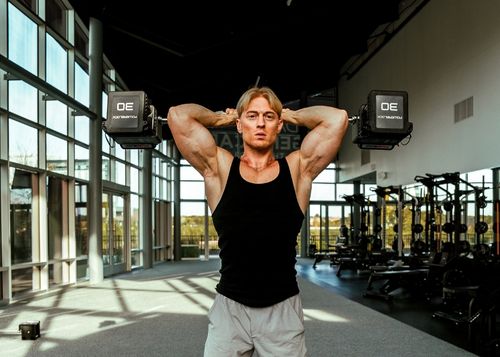
- Overhead Triceps Extension: Extending a weight overhead, stretching the long head.
- Dips: Lowering and raising your body between parallel bars or on a bench.
- Diamond Push-Ups: Hands close together on the floor, forming a diamond shape.
- Kickbacks: Extending the arm behind the body with a dumbbell or cable.
Each exercise has its strengths and weaknesses, and not all work the triceps the same way.
Comparing Tricep Exercises: Science And Data
Research has tested which exercises activate the triceps most. One way to measure this is EMG (electromyography), which records muscle activity. Here is a comparison of some popular exercises and their average tricep activation:
| Exercise | Triceps Activation (EMG %) | Main Head Targeted | Notes |
|---|---|---|---|
| Close-Grip Bench Press | ~85% | Lateral, Medial | Allows heavy loading |
| Dips | ~88% | All heads | Great compound move |
| Overhead Triceps Extension | ~76% | Long head | Stretches triceps fully |
| Triceps Pushdown | ~74% | Lateral | Easy for beginners |
| Skullcrusher | ~78% | Long, Medial | Good for isolation |
| Kickbacks | ~67% | Lateral | Best for finishing sets |
| Diamond Push-Up | ~77% | All heads | No equipment needed |
Non-obvious insight: Exercises with the highest EMG do not always feel hardest. Sometimes, a moderate-activation move may give better results if you can use more weight with good form.
Pros And Cons Of Top Tricep Exercises
To choose the best tricep exercise for your needs, it helps to look at the strengths and weaknesses of each option.
Close-grip Bench Press
Pros:
- Uses heavy weights for serious strength gains
- Also works chest and shoulders
- Easy to progress by adding weight
Cons:
- May strain wrists or shoulders if grip is too close
- Harder for beginners to master form
- Needs a spotter for safety with heavy loads
Dips
Pros:
- Bodyweight or weighted for all levels
- Targets all three tricep heads
- Also builds chest and shoulders
Cons:
- Can stress shoulders if mobility is poor
- Hard for beginners to perform full range
- Less focus on isolation
Overhead Triceps Extension
Pros:
- Best stretch for the long head
- Simple to do with dumbbell, cable, or band
- Good isolation
Cons:
- Can strain elbows if form is poor
- Requires shoulder mobility
- Weight used is usually lighter
Tricep Pushdown
Pros:
- Easy to control and learn
- Good for high reps and finishing sets
- Safe for most people
Cons:
- Less activation of long head
- May become too easy for advanced lifters
- Needs cable machine or resistance band
Skullcrusher
Pros:
- Strong isolation of triceps
- Works long and medial heads
- Can use barbell or dumbbells
Cons:
- High risk for elbow pain if heavy
- Need a bench or floor
- Awkward for some people
Kickbacks
Pros:
- Good for squeezing at end of set
- Easy to add at home or gym
- Isolates the lateral head
Cons:
- Light weights only
- Hard to keep strict form
- Not as effective for mass
Diamond Push-ups
Pros:
- No equipment needed
- Hits all three heads
- Good for endurance and home workouts
Cons:
- Hard for heavy lifters
- Can stress wrists
- Limited overload for advanced trainees
Which Tricep Exercise Is Best? The Evidence
There is no single answer for everyone, but research and real-world results suggest a few moves stand out. If you want the best all-around development, you should focus on:
- Compound exercises for size and strength (like dips and close-grip bench press)
- Overhead extensions for the long head
- Isolation moves like pushdowns or kickbacks for detail and finishing
Still, some exercises rise above others in terms of activation, practicality, and results. Here’s a direct comparison of the top contenders:
| Exercise | Best For | Strengths | Limitations |
|---|---|---|---|
| Dips | Overall mass, all heads | Compound, scalable, high activation | Shoulder stress, hard for beginners |
| Close-Grip Bench Press | Strength, size | Heavy loading, chest and tricep | Needs spotter, wrist strain possible |
| Overhead Extension | Long head isolation | Deep stretch, easy to set up | Lower weights, elbow strain |
| Pushdown | Isolation, finishing sets | Easy for all levels, safe | Limited overload, lateral head focus |
The best approach is to use a mix, but if you want just one exercise that gives the most results for time spent, dips are often the top pick. They activate all tricep heads, allow for both bodyweight and added resistance, and are proven by both science and experience.
How To Perform The Best Tricep Exercises Correctly
Even the best exercise can be wasted if you use poor form. Here’s how to master key tricep moves for safety and results.
Dips
- Grip parallel bars firmly, arms straight, shoulders down.
- Lower body by bending elbows, keeping them close to your sides.
- Stop when upper arms are parallel to the ground (go deeper only if shoulders allow).
- Push back up by straightening arms, squeezing triceps at the top.
- Keep body upright for more triceps, lean forward for more chest.
Tip: Use resistance bands for assistance if you can’t do a full dip.
Close-grip Bench Press
- Lie on a bench, grip bar with hands about shoulder-width apart.
- Lower the bar to mid-chest, elbows tucked at 45 degrees.
- Press the bar back up, focusing on triceps pushing the weight.
Tip: Avoid bringing hands too close—this can stress wrists.
Overhead Triceps Extension
- Stand or sit, hold a dumbbell or cable overhead.
- Keep elbows close to ears, bend arms to lower weight behind head.
- Straighten arms, bringing weight back overhead.
Tip: Don’t flare elbows out—keep movement slow and controlled.
Tricep Pushdown
- Stand at a cable machine, grip handle with palms down.
- Keep elbows at sides, push handle down until arms are straight.
- Return slowly, feeling triceps stretch.
Tip: Don’t move shoulders—keep motion in elbows.
Mistakes To Avoid When Training Triceps
Many people make similar errors that slow progress or cause pain. Avoid these common mistakes:
- Using too much weight and swinging the body
- Letting elbows flare out (especially in pushdowns and extensions)
- Not lowering fully or locking out at the top
- Ignoring the long head by skipping overhead moves
- Training triceps only after exhausting chest or shoulders
Practical insight: For best growth, train triceps when you are not already tired from heavy pressing. Try a dedicated arm day or train triceps after back, not chest.

Credit: www.youtube.com
Advanced Tips For Maximum Tricep Growth
If you have mastered the basics and want to push your triceps further, try these advanced methods:
- Use different grips: For example, reverse-grip pushdowns hit the medial head harder.
- Add stretching: Pausing at the bottom of overhead extensions increases the stretch, signaling growth.
- Slow negatives: Lower the weight slowly (3-4 seconds) to increase muscle tension.
- Supersets: Combine two tricep moves back-to-back with no rest for more pump.
- Partial reps: For example, at the end of a set, do short pulses at the hardest part of the move.
Some lifters overlook that overhead work can make a big difference in arm thickness, especially if your triceps look “flat” from the side.
Sample Triceps Workouts For Every Level
Here are examples for beginners, intermediate, and advanced lifters. Adjust sets and reps to your own needs.
Beginner
- Pushdowns: 3 sets of 12–15 reps
- Overhead Dumbbell Extension: 2 sets of 10–12 reps
Intermediate
- Close-Grip Bench Press: 3 sets of 8–10 reps
- Dips (bodyweight): 3 sets to failure
- Rope Pushdown: 2 sets of 12–15 reps
Advanced
- Weighted Dips: 4 sets of 6–8 reps
- Overhead Cable Extension: 3 sets of 10–12 reps
- Skullcrushers: 3 sets of 8–10 reps
- Kickbacks: 2 sets of 12–15 reps (for finishing)
Pro tip: If your elbows hurt, reduce volume or switch to cable moves, which are easier on joints.
Credit: powerblock.com
Tricep Exercise Selection For Different Goals
Not everyone has the same reason for working triceps. Your best exercise may depend on your main goal.
For Size
- Focus on heavy compound moves (dips, close-grip bench)
- Add overhead work for full development
For Strength
- Use low-rep sets (4–6 reps) with big lifts
- Practice strict form to avoid injury
For Toning And Definition
- Higher reps (12–20) with pushdowns, kickbacks, or band work
- Focus on squeeze and slow movement
For Joint Health
- Use cables and bands for less strain
- Avoid heavy skullcrushers if elbows ache
Equipment Options: Free Weights Vs. Machines Vs. Bodyweight
Your choice of equipment affects which tricep exercises are possible. Here’s how they compare:
| Equipment | Best Exercises | Advantages | Drawbacks |
|---|---|---|---|
| Free Weights | Skullcrushers, Overhead Extension, Close-Grip Bench | Versatile, builds stabilizers | Harder to learn, more risk of bad form |
| Cable Machines | Pushdowns, Overhead Cable Extension | Constant tension, easy to adjust | Needs gym access |
| Bodyweight | Dips, Diamond Push-Ups | No equipment needed, scalable | Hard to progress for advanced |
| Resistance Bands | Band Pushdowns, Overhead Band Extension | Portable, joint-friendly | Limited resistance for strong lifters |
Non-obvious insight: Many people ignore bands and cables, but they are excellent for protecting joints, especially for high-rep isolation work.
How Often Should You Train Triceps?
The triceps recover quickly compared to bigger muscle groups. Most people get the best results training triceps 2–3 times per week. You can:
- Add triceps after chest or shoulders (if not already tired)
- Have a dedicated arm day
- Use short, frequent “mini-sets” throughout the week for extra volume
Warning: Training triceps too often with poor form or heavy weights can lead to elbow pain. Always listen to your body.
Signs Your Triceps Workout Is Working
It’s not just about feeling a pump. Look for these signs:
- Steady increase in weight or reps over time
- Muscles feel tired but not painful after workout
- Arms look fuller, more defined in the mirror
- No sharp joint pain during or after training
If you do not see results after 2–3 months, change your exercises or adjust your form.

Credit: www.youtube.com
Real-world Results: What Experienced Lifters Say
Many top bodybuilders and athletes agree on a few points:
- Dips are a “must” for big arms, but require good shoulder health.
- Overhead extensions are key for the long head, which gives arms their size from the side.
- Variety is important: Using the same exercise for months leads to plateaus.
- Good form and mind-muscle connection (focusing on squeezing the triceps) often matter more than maximum weight.
Example: One common story is someone stuck at the same arm size for years, but after adding heavy dips and overhead cable extensions, saw clear growth within weeks.
Should You Use One Exercise Or Many?
While one exercise can build triceps, most people get the best results from a mix of 2–3 moves per session. This covers all tricep heads and reduces overuse injury risk. For example:
- Start with a heavy compound move (dips or close-grip bench)
- Add an overhead extension for the long head
- Finish with a pushdown or kickback for detail
This simple structure works for most lifters, from beginner to advanced.
Recommended Resources
For more scientific data on triceps activation, you can read studies summarized by the National Institutes of Health.
Frequently Asked Questions
What Is The Single Best Tricep Exercise For Overall Growth?
Dips are often considered the best for most people. They activate all three heads, allow for bodyweight or added weight, and can be scaled for beginners or advanced trainees. However, if you have shoulder pain, close-grip bench press is a strong alternative.
How Many Tricep Exercises Should I Do In One Workout?
Most people should use 2 to 3 exercises per workout. Choose one heavy compound move, one isolation (like pushdown), and one overhead movement for best results. This covers all tricep heads and avoids overuse.
Are Pushdowns Enough For Big Triceps?
Pushdowns are good for isolation and finishing sets, but they do not hit the long head well. For full size, combine pushdowns with dips or overhead extensions. Relying only on pushdowns will limit your results.
How Can I Avoid Elbow Pain During Tricep Workouts?
Use lighter weights for isolation moves, warm up thoroughly, and keep elbows tucked. Avoid locking out forcefully and skip skullcrushers if you have a history of elbow problems. Using cables or bands can also reduce joint strain.
Can I Train Triceps At Home Without Equipment?
Yes, you can do diamond push-ups, regular push-ups, and bench dips using a sturdy chair. For added resistance, use a backpack with books. Resistance bands are also cheap and very effective for home tricep training.
Strong triceps are not just for show—they boost your pressing power, help with daily tasks, and protect your elbows and shoulders. By choosing the right exercises, focusing on good form, and training with purpose, you can build arms that are both strong and well-shaped.
Remember, consistency matters more than the perfect move. Mix compound and isolation exercises, listen to your body, and enjoy the results.
