

What Exercises Use Triceps: Top Moves for Stronger Arms
Every time you extend your arm to push a door, lift a bag overhead, or hold yourself up during a plank, your triceps are hard at work. The triceps brachii, usually called the triceps, is a large muscle on the back of your upper arm. It makes up about two-thirds of your upper arm’s muscle mass and plays a key role in any movement that straightens your elbow. Yet, most people overlook how many exercises use triceps, even when those moves don’t look like “arm” exercises at all.
If you want strong, defined arms, better pushing power, or improved athletic performance, understanding which exercises use triceps is essential. Whether you’re lifting weights, using your own bodyweight, or just doing daily tasks, your triceps are helping out more often than you might think. In this guide, you'll learn about the main types of exercises that use triceps, how they work, and practical tips for getting the most from each one. You’ll also see how triceps are involved in both common gym moves and unexpected activities.
Anatomy Of The Triceps: Why This Muscle Matters
To understand which exercises use triceps, it helps to know what the triceps do. The triceps have three heads—long head, lateral head, and medial head—which all connect at your elbow.
- The long head runs along the back of your arm and attaches to your shoulder blade.
- The lateral head sits on the outside of your upper arm.
- The medial head lies deep beneath the other two heads.
All three heads work together to extend your elbow—that is, to straighten your arm. The long head also helps with shoulder movement.
Many exercises use all three heads, but some moves emphasize one part more than others. For example, overhead triceps exercises often target the long head, while pushing movements focus more on the lateral and medial heads.
Types Of Exercises That Use Triceps
Almost any movement that involves pushing, pressing, or straightening your arm will work your triceps to some degree. Here’s a breakdown of the main categories.
1. Isolation Exercises
These target the triceps directly, letting you focus on building muscle and strength in that area.
Triceps Pushdown
Using a cable machine, you grip a bar or rope and push it down by straightening your arms. This move keeps tension on the triceps through the whole motion.
Overhead Triceps Extension
This can be done with a dumbbell, barbell, or cable. You hold the weight overhead, then bend and straighten your arms. This move stretches the long head of the triceps and helps build overall size.
Skullcrusher (lying Triceps Extension)
Lying on a bench, you lower a barbell or dumbbells toward your forehead, then push back up. It works all three heads of the triceps, especially when you keep your elbows steady.
Kickback
You bend forward at the waist, hold a dumbbell, and straighten your arm behind you. Kickbacks provide good isolation but require strict form.
One-arm Triceps Extension
Using one arm at a time can help correct muscle imbalances and improve mind-muscle connection.
2. Compound Pressing Exercises
These moves use multiple muscles, but the triceps play a key role in the pressing phase.
Bench Press
The classic bench press targets the chest, but your triceps help lock out the weight at the top. Close-grip bench presses shift even more work to the triceps.
Push-up
A basic push-up uses chest, shoulders, and triceps. The narrower your hand placement, the more triceps are involved.
Overhead Press
Pressing a barbell or dumbbells overhead works your shoulders and triceps. The triceps are especially active as you straighten your arms at the top.
Dips
Dips require you to lower and lift your body using parallel bars or a bench. They are one of the most effective bodyweight triceps exercises.
Diamond Push-up
Here, you place your hands close together under your chest to form a diamond shape. This puts maximum tension on your triceps.
Dumbbell Chest Press
Like the bench press, but with dumbbells. The triceps assist in stabilizing and extending your elbows.
3. Functional And Everyday Movements
Triceps aren’t just for the gym. They help with many daily tasks.
- Pushing open a heavy door
- Getting up from a chair or bed
- Throwing a ball
- Carrying groceries overhead
Even activities like yoga and pilates include poses that use the triceps, such as chaturanga or plank.
Most Effective Triceps Exercises And How They Work
Not all triceps exercises are created equal. Some moves are better for strength, others for muscle size, and some for endurance. Here’s a closer look at the most effective exercises, how they work the triceps, and who should use them.
Triceps Pushdown
- How to do it: Stand facing a cable machine, grab the bar or rope with both hands, elbows at your sides. Push the bar down by straightening your arms, then return slowly.
- Muscles worked: All three heads, with focus on lateral and long head.
- Why it’s effective: The cable keeps constant tension, making it great for muscle growth.
- Pro tip: Avoid swinging your body—keep elbows pinned to your sides.
Overhead Triceps Extension
- How to do it: Stand or sit, hold a dumbbell with both hands overhead. Lower it behind your head, then extend your arms to lift.
- Muscles worked: Long head gets a deep stretch.
- Why it’s effective: Overhead angle targets parts of the triceps many people miss.
- Pro tip: Keep your core tight to avoid arching your back.
Skullcrusher
- How to do it: Lie on a bench, hold a barbell above your chest. Lower it toward your forehead, then press back up.
- Muscles worked: All three heads, especially the long head.
- Why it’s effective: High tension through a long range of motion.
- Pro tip: Move only your forearms; keep elbows steady.
Bench Dip
- How to do it: Sit on a bench, hands beside your hips, feet on the floor. Slide forward, lower your body, then push back up.
- Muscles worked: Triceps, with help from shoulders and chest.
- Why it’s effective: Great for bodyweight training and can be made harder by adding weight.
- Pro tip: Don’t lower too far; stop when your upper arms are parallel to the ground.
Close-grip Bench Press
- How to do it: Lie on a bench, grip the bar with hands shoulder-width apart. Lower to your chest, then press up.
- Muscles worked: Triceps, with less chest involvement than a standard bench press.
- Why it’s effective: Allows you to lift heavy and build overall arm strength.
- Pro tip: Keep elbows close to your body to protect your shoulders.
Triceps Kickback
- How to do it: Bend forward, hold a dumbbell, and straighten your arm behind you.
- Muscles worked: Emphasizes the lateral head.
- Why it’s effective: Good for finishing a workout with high reps.
- Pro tip: Don’t swing the weight—move slowly and with control.
Comparison: Isolation Vs Compound Triceps Exercises
Many people wonder whether to focus on isolation or compound exercises for triceps growth. The answer depends on your goals.
Here’s a quick comparison:
| Exercise Type | Main Benefit | Muscles Worked | Best For |
|---|---|---|---|
| Isolation | Target triceps directly | Triceps | Muscle growth, fixing imbalances |
| Compound | Build overall strength | Triceps, chest, shoulders | Strength, athletic performance |
Non-obvious insight: Many beginners skip isolation moves, thinking compound lifts are enough. But adding even one or two isolation exercises can speed up arm growth and help avoid muscle imbalances.
How Triceps Work In Pressing Movements
Pressing exercises are often thought of as “chest” or “shoulder” moves, but the triceps are essential for finishing the lift. Here’s how triceps are involved in some popular pressing movements:
- Bench Press: Triceps help lock out your arms at the top. The closer your grip, the more your triceps work.
- Overhead Press: As you press the weight above your head, your triceps extend your elbows to finish the move.
- Push-Up: Triceps help straighten your arms as you push up from the ground.
Here’s a table comparing triceps involvement in different pressing exercises:
| Exercise | Primary Muscle | Triceps Involvement (%) | Common Mistake |
|---|---|---|---|
| Standard Bench Press | Chest | ~30% | Letting elbows flare out |
| Close-Grip Bench Press | Triceps | ~45-50% | Too narrow grip |
| Overhead Press | Shoulders | ~35% | Arching lower back |
| Diamond Push-Up | Triceps | ~60% | Hands too far apart |
Pro tip: If your goal is bigger triceps, don’t just add more chest presses—instead, use moves with a narrow grip or focus on the lockout phase.
Bodyweight Triceps Exercises: Train Anywhere
You don’t need fancy equipment to train your triceps. Bodyweight exercises can be just as effective, especially if you use the right form and progressions.
Push-ups
- Standard: Works triceps, chest, and shoulders.
- Diamond: Place hands close together for more triceps activation.
- Decline: Feet elevated for extra difficulty.
Dips
- Bench Dip: Easier version for beginners.
- Parallel Bar Dip: Advanced move that builds both strength and size.
- Straight Bar Dip: Harder on the shoulders, but very effective for triceps.
Plank To Push-up
Start in a plank position on your forearms, then press up to a push-up position. This move challenges triceps endurance and core strength.
Triceps Extension (bodyweight)
Stand facing a wall or use a sturdy surface. Place your hands on the wall, bend your elbows to lower your head toward your hands, then push back.
Non-obvious insight: Slower, controlled reps in bodyweight moves can increase time under tension, leading to better muscle growth—even without heavy weights.
Free Weights Vs Machines Vs Cables For Triceps
Choosing between free weights, machines, and cables can affect how your triceps develop. Each tool has its own strengths:
| Type | Pros | Cons | Best Use |
|---|---|---|---|
| Free Weights | Build stabilizing muscles; functional strength | Requires good form; risk of injury | All levels, especially for overall strength |
| Machines | Easy to use; safer for beginners | Less stabilizer muscle use | Beginners, rehab, burnout sets |
| Cables | Constant tension; many angles | Need access to gym or equipment | Muscle growth, targeted work |
Pro tip: Rotate between different equipment types to keep your triceps workouts fresh and avoid plateaus.
Overhead Vs Pressing Triceps Exercises
Overhead exercises and pressing exercises both work the triceps, but they target different parts of the muscle.
- Overhead moves (like overhead extensions) stretch and challenge the long head, which gives your arms a fuller look.
- Pressing moves (like bench presses and dips) focus more on the lateral and medial heads, which are important for strength.
Try to include both types in your workouts for the best results.
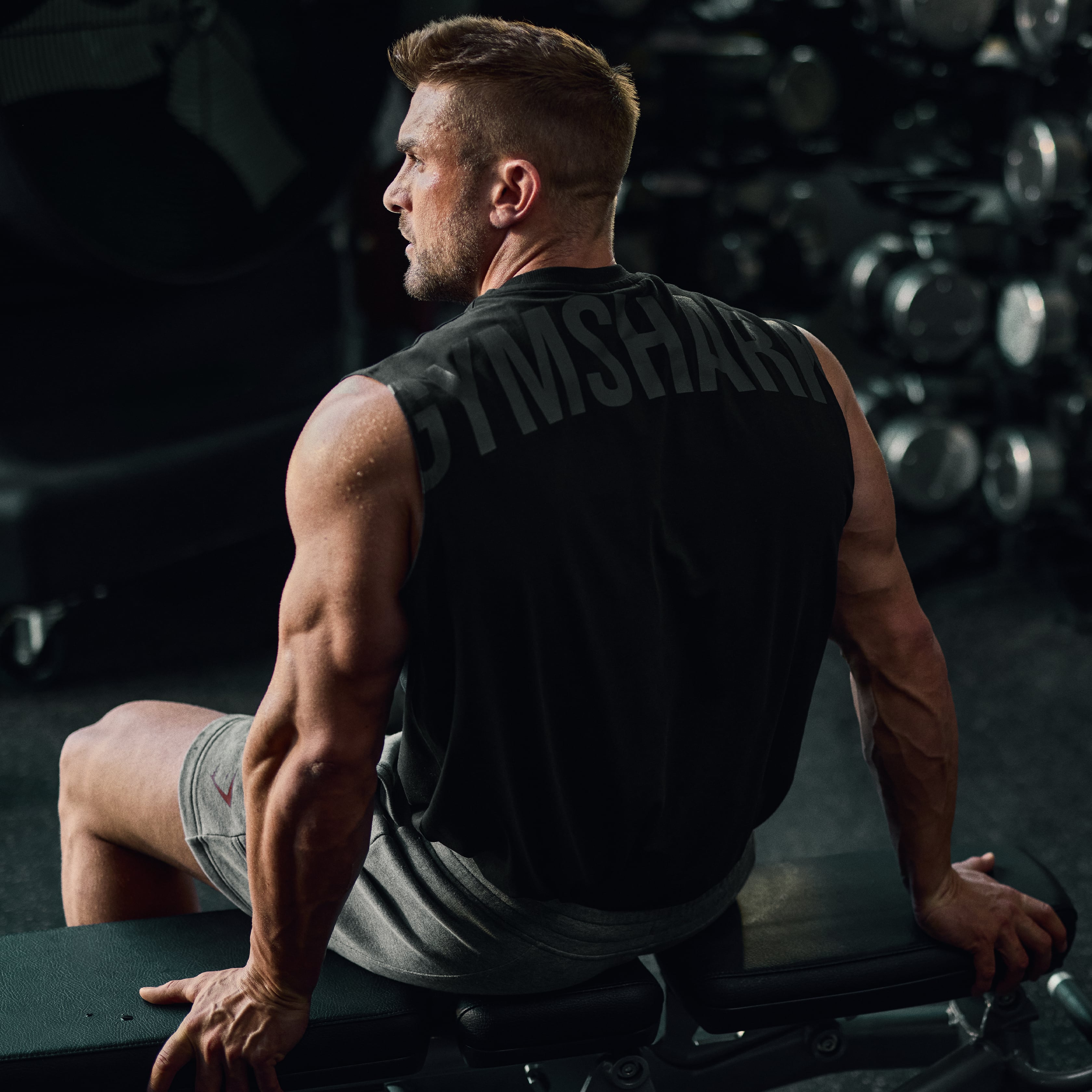
Credit: www.gymshark.com
Common Mistakes When Training Triceps
Even experienced lifters make mistakes that limit triceps growth. Here are some to watch out for:
- Using too much weight: This often leads to poor form and shoulder pain.
- Neglecting full range of motion: Not fully straightening or bending your arms reduces muscle activation.
- Not changing grip or angle: Sticking to just one exercise or grip can lead to plateaus.
- Ignoring elbow health: Repeating the same motion can irritate your elbows. Mix up your exercises and use a neutral grip sometimes.
- Skipping warm-up: Cold muscles are more likely to get injured.
Experience-based tip: If you feel pain in your elbows, switch to cables or lighter weights for a few weeks. This lets you train without overloading your joints.
How To Structure A Triceps Workout
A balanced triceps workout should use both isolation and compound exercises. Here’s a sample structure:
- Start with a compound exercise: Like bench press or dips (3-4 sets, 6-10 reps).
- Add an isolation move: Such as triceps pushdowns or overhead extensions (3 sets, 8-12 reps).
- Finish with a high-rep finisher: Kickbacks or cable extensions (2-3 sets, 15-20 reps).
Rest for 60-90 seconds between sets. Focus on good form, not just heavy weights.
Pro tip: Train triceps after chest or shoulder day, since those muscles will already be warmed up.

Credit: www.reddit.com
Triceps In Sports And Daily Life
Strong triceps help in many sports, such as basketball (shooting), swimming (pushing water), boxing (throwing punches), and gymnastics (holding yourself up on rings). In daily life, you use your triceps when you lift, push, or carry items.
Example: Carrying a suitcase or pushing a stroller uses your triceps more than you may realize. Training these muscles can make daily tasks easier and prevent injuries.
How To Progress And Avoid Plateaus
To keep your triceps growing and getting stronger:
- Change your reps and sets: Use heavy weights for low reps sometimes, then switch to lighter weights for high reps.
- Try new angles: Overhead, underhand, and neutral grips all work the triceps differently.
- Add pauses: Hold the contraction for 1-2 seconds at the end of each rep.
- Increase time under tension: Slow down the lowering (eccentric) phase.
If you always do the same exercises, your progress will slow down. Try a new triceps move every few weeks.
Training Tips For Beginners
If you’re new to triceps exercises, here’s how to get started:
- Master bodyweight moves first: Push-ups and bench dips build a strong base.
- Focus on form, not weight: Learn the correct movement before adding heavy weights.
- Train triceps 1-2 times per week: This gives them enough time to recover and grow.
- Don’t forget to rest: Muscles grow when you’re resting, not just when you’re training.
Non-obvious insight: Many beginners think more is better, but overtraining triceps can lead to elbow pain and slow progress. Less can be more if you use perfect form.
Who Should Avoid Certain Triceps Exercises?
Some people should be careful with certain triceps moves:
- If you have shoulder or elbow pain: Avoid dips and skullcrushers, which can stress the joints.
- If you have wrist pain: Use neutral grips or cables instead of straight bars.
- Older adults: Focus on lighter weights and slow, controlled reps.
If you’re unsure, talk to a fitness professional or physical therapist before starting a new exercise.

Credit: www.youtube.com
The Role Of Triceps In Balanced Arm Development
Big biceps get most of the attention, but triceps actually make up the majority of your upper arm size. For a balanced look and real-world strength, train both biceps and triceps.
Experience-based tip: If your arms look “flat” from the side, it’s usually because your triceps need more work—not your biceps.
Sample Triceps Workout For All Levels
Here’s a sample triceps routine you can try, at home or in the gym:
Beginner
- Push-Ups: 3 sets of 10–15 reps
- Bench Dips: 2 sets of 8–12 reps
- Overhead Dumbbell Extension: 2 sets of 10 reps
Intermediate
- Close-Grip Bench Press: 3 sets of 8 reps
- Triceps Pushdowns (cable): 3 sets of 10 reps
- Skullcrushers: 2 sets of 12 reps
Advanced
- Weighted Dips: 4 sets of 6 reps
- Overhead Cable Extension: 3 sets of 10 reps
- Diamond Push-Ups: 3 sets to failure
Adjust sets and reps based on your fitness level and recovery.
How To Avoid Elbow Pain When Training Triceps
Elbow pain is a common complaint, especially with heavy triceps work. Here’s how to keep your joints healthy:
- Warm up your elbows: Use light weights or resistance bands before starting.
- Use a full range of motion: But don’t overextend your elbows.
- Switch grips and tools: Try cables, dumbbells, and different grips to reduce stress.
- Rest if you feel pain: Take a break and ice sore joints as needed.
If pain doesn’t go away, see a doctor or physical therapist.
Nutrition And Recovery For Triceps Growth
Building bigger, stronger triceps isn’t just about training. You need good nutrition and recovery, too.
- Eat enough protein: Aim for at least 0.7–1 gram per pound of bodyweight each day.
- Get enough sleep: Muscles repair while you sleep.
- Stay hydrated: Water helps muscles recover.
- Take rest days: Don’t train triceps hard two days in a row.
For more on muscle nutrition, see this guide from the National Institute of Arthritis and Musculoskeletal and Skin Diseases.
Frequently Asked Questions
What Are The Best Exercises To Isolate The Triceps?
Some of the best isolation exercises include triceps pushdowns, overhead extensions, skullcrushers, and kickbacks. These moves target the triceps directly and help with muscle growth and definition.
Can I Train Triceps Every Day?
It’s not recommended to train triceps every day. Muscles need time to recover and grow. Training them 1–2 times per week with proper intensity is enough for most people.
Why Do My Elbows Hurt During Triceps Exercises?
Elbow pain can be caused by poor form, using too much weight, or repeating the same movement too often. To prevent pain, warm up well, use different grips, and avoid locking out your elbows forcefully.
Do Push-ups Build Triceps?
Yes, push-ups are a great way to build triceps, especially if you use a close or diamond hand position. Standard push-ups also use triceps along with the chest and shoulders.
How Long Does It Take To See Results In Triceps?
If you train consistently, use good form, and eat well, you may start to see changes in your triceps in as little as 4–6 weeks. Visible muscle growth takes longer, but strength can improve quickly.
Building strong, defined triceps is about more than just looks. These muscles help you push, lift, and support your body in almost every upper body movement. By understanding which exercises use triceps—and using a mix of isolation, compound, and bodyweight moves—you can make your workouts more effective and keep your arms healthy for years to come. Remember: perfect form, smart progression, and proper recovery are your best tools for success.
