

Upper Glute Workout
Strong, rounded glutes are more than just a fitness trend. They support your hips, protect your back, and help you move with power. Many people focus on building the lower glutes, but the upper glutes play a key role in shape and strength. If you want a lifted, sculpted look and better performance, training the upper glutes matters.
This guide will show you how to target the upper glute muscles, explain why they’re important, and provide a full workout plan. You’ll get practical tips, common mistakes to avoid, and sample routines that fit all fitness levels. Whether you’re a beginner or advanced, you’ll learn how to unlock the full potential of your glutes.
Understanding The Upper Glutes
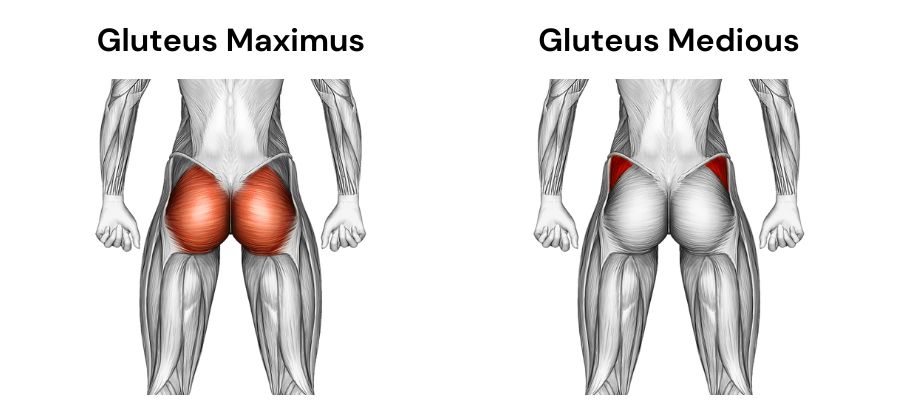
The glutes are a group of three muscles: gluteus maximus, gluteus medius, and gluteus minimus. When people talk about “glutes,” they often mean the gluteus maximus. But the upper portion is shaped by the gluteus medius and the top fibers of the gluteus maximus.
The gluteus medius sits on the outer, upper side of your butt. It stabilizes your pelvis, helps you walk, and gives the glutes a rounded curve at the top. The upper part of the gluteus maximus adds height and lift. Building these muscles not only boosts your appearance, but also improves balance, protects your lower back, and helps in sports like running, jumping, and squatting.
It’s also important to realize that the gluteus medius is often weak in people who sit a lot or don’t do lateral (sideways) movements. This weakness can lead to hip drops when walking, poor posture, and even a “flat” look at the top of your glutes, which many people want to change.
Even athletes with strong lower bodies sometimes have imbalances if they skip upper glute work.
Why Target The Upper Glutes?
Most workouts focus on squats and hip thrusts, which hit the lower glutes. But the upper glutes need special attention. Here’s why:
- Shape and Lift: Strong upper glutes create a lifted, rounded look.
- Balance and Stability: They keep your hips steady when you walk or run.
- Injury Prevention: Weak upper glutes can cause knee and back pain.
- Performance: They help you jump higher, sprint faster, and move more powerfully.
Adding to this, targeting the upper glutes helps with daily activities. For example, when you climb stairs, step sideways, or change direction quickly, your upper glutes are responsible for keeping your hips level and powering those movements. If these muscles are weak, you might compensate with your lower back or knees, leading to aches or even injuries over time.
Many people miss these benefits because they don’t know which exercises target the upper glutes. Let’s break down the best moves and how to do them.
Key Upper Glute Exercises
Effective upper glute workouts include both compound and isolation exercises. Compound moves work several muscles together, while isolation exercises focus on one area. To build strength and shape, combine both types.
Compound Movements
Compound exercises activate the upper glutes along with other muscles. Here are the most effective ones:
- Bulgarian Split Squat
- Stand in front of a bench, place one foot behind you.
- Lower your body until your front thigh is parallel to the floor.
- Push through your heel to stand up.
- This move hits the upper glutes, quads, and core.
- Tip: Lean your chest slightly forward while keeping your back straight. This small adjustment increases the stretch and activation in your upper glutes. Don’t let your front knee cave inward as you lower your body.
- Single-Leg Romanian Deadlift
- Hold a dumbbell in one hand, stand on one leg.
- Keep your back straight, hinge at the hips.
- Lower the weight toward the floor, then return to standing.
- Targets balance and the upper glutes.
- Try to keep your hips square, not letting one side drop. This forces your upper glutes to stabilize your pelvis.
- Curtsy Lunge
- Stand tall, step one leg behind and across the other.
- Lower into a lunge, keeping your chest up.
- Push back to start.
- Activates the gluteus medius and outer glute area.
- Go slow and don’t rush the movement. This exercise works best when you control the descent and push up through your heel.
Compound movements are important because they teach your upper glutes to work as part of your whole body, not just in isolation. This is helpful for sports and daily life.
Isolation Exercises
Isolation moves focus more on the upper glutes. Add these for extra activation:
- Side-Lying Hip Abduction
- Lie on your side, lift your top leg up and down.
- Keep your toes pointed forward.
- Great for gluteus medius.
- To prevent your hip flexors from taking over, don’t let your leg drift forward. You can put your hand on your upper glute to feel it working.
- Standing Cable Hip Abduction
- Attach a cable to your ankle, stand sideways.
- Move your leg out to the side, squeeze the glute.
- Use slow, controlled reps.
- Focus on moving just your leg, not swinging your whole body.
- Banded Clamshell
- Place a resistance band above your knees, lie on your side.
- Open your knees apart, keeping feet together.
- This strengthens the upper glutes and hip muscles.
- Pause for one second at the top of each rep for extra burn.
You can add these isolation moves at the end of your workout, or use them as warm-ups to “wake up” your glutes before heavier lifts.
Machine And Gym Variations
If you’re training at a gym, use these machines for upper glute activation:
- Abduction Machine: Sit with knees apart, push out against pads.
- Keep your back pressed against the seat and lean slightly forward for better upper glute activation.
- Cable Kickback (Diagonal): Attach cable to ankle, kick back and slightly out to target upper glutes.
- This diagonal angle is key—straight back targets lower glute, but a slight outward angle hits the upper fibers.
Not all machines are equal. Use the ones that let you move your leg outward or diagonally, since this motion hits the upper glutes best.
If your gym doesn’t have these machines, you can use mini bands or ankle weights for similar moves.
Credit: pneudirect.it
Upper Glute Workout Routine
Now you know the best exercises. Let’s build a sample routine. Choose 5–6 exercises per workout, mix compound and isolation moves, and train 2–3 times per week.
Sample Upper Glute Workout (intermediate Level)
- Bulgarian Split Squat – 3 sets x 12 reps (each leg)
- Single-Leg Romanian Deadlift – 3 sets x 10 reps (each leg)
- Curtsy Lunge – 3 sets x 12 reps (each leg)
- Side-Lying Hip Abduction – 3 sets x 15 reps (each leg)
- Banded Clamshell – 3 sets x 20 reps
- Standing Cable Hip Abduction – 3 sets x 12 reps (each leg)
Rest 60–90 seconds between sets. Use weights that challenge you but allow good form.
Don’t skip your warm-up. Start with 5–8 minutes of light cardio and dynamic hip stretches to get blood flowing and prevent injury. For example, hip circles and bodyweight glute bridges wake up the muscles.
Beginner Modifications
If you’re new to training, start with bodyweight only. Reduce sets to 2 and reps to 8–10. Focus on slow, controlled movement and proper alignment.
If a movement feels too hard, like the single-leg RDL, hold onto a wall or chair for support. This allows you to build balance and confidence without losing form. For clamshells, use a lighter band or no band at first.
Advanced Progressions
For advanced lifters, add more resistance, increase sets to 4, or try supersets (doing two exercises back-to-back without rest). You can also add plyometric moves, like lateral band walks or jumping curtsy lunges for extra challenge.
Another way to progress is by slowing down the lowering (eccentric) part of each rep. For example, take 3 seconds to lower during a Bulgarian split squat. This creates more muscle tension and growth.
Weekly Upper Glute Training Plan
Here’s an example schedule:
- Monday: Upper Glute Focus
- Wednesday: Lower Body Strength
- Friday: Upper Glute Focus
Mix upper glute workouts with full lower body routines. Don’t train glutes every day—muscles need rest to grow.
You can also add some glute activation work before cardio or sports practices if you want to fire up the muscles.
Comparing Upper Glute Exercises
Not all exercises activate the upper glutes equally. Here’s a comparison of three popular moves:
| Exercise | Upper Glute Activation | Equipment Needed | Difficulty |
|---|---|---|---|
| Bulgarian Split Squat | High | Dumbbells/Bench | Intermediate |
| Side-Lying Hip Abduction | Moderate | Bodyweight/Band | Beginner |
| Curtsy Lunge | High | Bodyweight/Dumbbells | Intermediate |
Bulgarian split squats and curtsy lunges are highly effective. Side-lying hip abductions are easier, but still target the right muscles.
If you want variety, try swapping in cable abductions or even step-ups with a slight diagonal step to challenge your upper glutes in new ways.
Credit: www.youtube.com
Anatomy And Muscle Activation
Understanding how the upper glutes work will help you train smarter. The gluteus medius is the main muscle for hip abduction (lifting your leg out to the side). The upper gluteus maximus helps with hip extension and outward rotation.
The gluteus medius is also active when you stand on one leg, keeping your pelvis level. This is why single-leg exercises feel much harder and are so good for upper glute growth. If you notice your hip dropping or your balance wobbling, it’s a sign your upper glutes are working hard.
Studies using EMG (muscle activation tests) show that exercises with outward leg movement—like abductions—fire the upper glutes more than traditional squats. For maximum results, combine hip abduction and extension movements.
Muscle Activation Data
Let’s look at muscle activation levels for three exercises, based on EMG studies.
| Exercise | Gluteus Medius Activation (%) | Gluteus Maximus Activation (%) |
|---|---|---|
| Side-Lying Hip Abduction | 75 | 35 |
| Bulgarian Split Squat | 60 | 80 |
| Curtsy Lunge | 70 | 65 |
These numbers show that combining different moves is key for balanced development.
As an extra tip, if you want even more upper glute activation, try exercises where your upper body is slightly leaned forward (like a forward-leaning step-up or a diagonal cable kickback). Research shows this position helps “light up” the upper fibers.
Common Mistakes And How To Fix Them
Building strong upper glutes takes more than just doing the right exercises. Many people make mistakes that slow progress or cause injury. Here’s what to watch out for:
Mistake 1: Poor Form
Rushing through reps or using heavy weights can cause bad form. This reduces muscle activation and increases injury risk. Always keep your knee in line with your toe, don’t arch your back, and move slowly.
If you’re unsure about your form, use a mirror or film yourself. Checking your alignment can reveal weaknesses you didn’t notice.
Mistake 2: Not Using Full Range Of Motion
Partial reps don’t fully work the muscle. Lower your body until your thigh is parallel, lift your leg all the way, and squeeze at the top.
If your flexibility is limited, work on mobility with stretches like pigeon pose or hip flexor stretches. This will help you use full range safely.
Mistake 3: Ignoring Isolation Moves
Compound lifts are great, but skipping isolation exercises means you miss targeted activation. Add side-lying hip abductions, clamshells, and cable abductions for best results.
These small, focused moves are especially important if you have a “sleepy glute,” meaning your glute muscles don’t fire well on their own.
Mistake 4: Overtraining
Glutes need time to recover. Training every day leads to fatigue and slow growth. Aim for 2–3 upper glute sessions per week.
If you feel sore or tired, take a rest day or do light stretching instead of pushing through. Quality is better than quantity.
Mistake 5: Neglecting Mind-muscle Connection
Focus on feeling the upper glutes working. Before each set, tap or touch the muscle, then concentrate as you move. This simple tip boosts activation and results.
If you have trouble feeling your glutes, slow down and pause at the hardest part of each rep. You’ll notice more muscle activity right away.
Practical Tips For Faster Progress
Small adjustments can make a big difference in your upper glute workouts. Here are two non-obvious tips:
- Change Foot Angle: In side-lying hip abduction, point your toes forward instead of up. This shifts activation to the gluteus medius instead of the hip flexors.
- Use Mini Bands: Adding a resistance band above your knees during squats or lunges increases upper glute activation. The band forces you to push your knees out, engaging the right muscles.
Another useful tip: At the end of your workout, try a “burnout set” of banded clamshells or side-lying hip abductions for 30–45 seconds without stopping. This floods the muscle with blood and helps finish your session strong.
Nutrition For Glute Growth
Muscle growth needs more than exercise. Eat enough protein (at least 0. 7 grams per pound of body weight) and healthy fats. Good choices include eggs, chicken, salmon, nuts, and avocados. Don’t forget complex carbs like sweet potatoes and oats for energy.
Drink plenty of water to support muscle recovery and keep your joints healthy. If you’re vegetarian or vegan, try plant proteins like lentils, tofu, or quinoa.
If you find it hard to reach your protein goal, consider a protein shake after your glute workout.
Recovery And Mobility
Strong glutes need rest and flexibility. Stretch your hips and glutes after workouts. Try foam rolling for tight areas. Get 7–9 hours of sleep each night to support recovery.
If you often feel tight in your hips or lower back, add stretches like the pigeon pose, lying figure-4 stretch, and seated forward folds. These help you use the full range of motion in your glute exercises.
How To Track Progress
You can’t improve what you don’t measure. Here’s how to track your upper glute progress:
- Take Photos: Snap a picture every 4 weeks. Look for changes in shape and lift.
- Measure Circumference: Use a tape measure around your upper hips.
- Log Workouts: Write down sets, reps, and weights. Aim to increase one variable each week.
For more detail, you can also write short notes in your workout log about how exercises felt. For example, “Felt strong on split squats, struggled with balance on RDL. ” Over time, you’ll see patterns and know which moves give the best results.
Example Progress Chart
| Week | Upper Hip Circumference (inches) | Photos Taken | Workout Volume |
|---|---|---|---|
| 1 | 36 | Yes | 15 sets |
| 4 | 37 | Yes | 18 sets |
| 8 | 38 | Yes | 20 sets |
You’ll see progress over time. Don’t expect instant results—building muscle takes weeks or months.
If your measurements or photos don’t change after 8–12 weeks, adjust your workout by adding weight, changing exercises, or eating more protein.

Credit: samarthyaclasses.com
Faqs About Upper Glute Training
Many people have questions about training the upper glutes. Here are answers to the most common ones.
Frequently Asked Questions
How Often Should I Train My Upper Glutes?
Most people see good results with 2–3 sessions per week. This gives your muscles time to recover. Avoid training every day, as overuse can cause fatigue and slow growth.
What’s The Best Exercise For Upper Glutes?
The Bulgarian split squat is highly effective. It combines hip extension and abduction, hitting both gluteus medius and maximus. Side-lying hip abduction and curtsy lunges are also excellent choices.
Can I Build Upper Glutes Without Weights?
Yes, you can use bodyweight exercises like side-lying hip abduction and banded clamshells. Resistance bands are helpful for added intensity. For faster progress, add weights when you feel strong enough.
Why Are My Glutes Not Growing?
Common reasons include poor form, not eating enough protein, and skipping isolation moves. Also, not increasing weight or reps over time can stall progress. Track your workouts and nutrition for best results.
Is It Safe To Train Glutes With Knee Pain?
Yes, but focus on low-impact exercises and proper form. Avoid deep squats or lunges if they cause discomfort. Side-lying hip abductions and clamshells are gentle and effective. If pain persists, consult a physical therapist.
How Long Until I See Results?
Most people notice small changes after 4–6 weeks, but major shape changes take 3–6 months. Consistency, good form, and nutrition are key.
Do I Need Gym Machines For Upper Glutes?
No. Many top exercises use just bodyweight or resistance bands. Machines can help, but you can get great results at home.
Final Thoughts
Building strong, rounded upper glutes is possible for everyone. It takes smart training, the right exercises, and patience. Focus on compound and isolation moves, keep your form perfect, and mix up your routine. Don’t forget nutrition, rest, and tracking your progress.
Remember, the upper glutes aren’t just about looks. They help you move better, feel stronger, and protect your joints. Whether you’re aiming for athletic performance, injury prevention, or a more sculpted shape, a targeted upper glute workout will get you there.
If you want more details on glute anatomy and function, visit Wikipedia for a deeper look. Now, take what you’ve learned and start your upper glute journey. Your body—and your confidence—will thank you.
