

Lower Back And Glute Workout: Build Strength and Stability Fast
Lower Back And Glute Workout: Build Strength, Prevent Pain, and Boost Performance
A strong lower back and powerful glutes are not just for athletes or fitness models. They are the foundation for almost every movement in daily life, from sitting and standing to lifting groceries, climbing stairs, and even walking. Yet, these muscles are often weak or underused in many people, especially those with desk jobs or sedentary lifestyles.
Weakness here can lead to back pain, poor posture, reduced athletic performance, and even a higher risk of injury.
Focusing on lower back and glute workouts is more than just a way to look good in jeans. It’s about building core strength, improving mobility, and protecting your body from common aches and injuries. This article explores how to work these crucial areas effectively, what exercises give the best results, how to avoid mistakes, and how to fit these workouts into your life—whether you’re a beginner or a seasoned gym-goer.
Why Focus On Lower Back And Glutes?
Most people know that a strong core helps prevent injuries, but they often forget that the lower back and glutes are major parts of the core. The glutes—made up of the gluteus maximus, medius, and minimus—are the largest muscles in the body and are essential for hip movement, balance, and power.
The lower back, especially the erector spinae muscles, helps keep your spine stable and upright. Weakness in these areas can cause:
- Lower back pain: One of the most common health problems worldwide.
- Poor posture: Leading to neck, shoulder, and upper back pain.
- Reduced athletic performance: Weak glutes and lower back limit running, jumping, lifting, and balance.
- Higher injury risk: Especially in the knees, hips, and even ankles due to poor movement patterns.
By strengthening these muscles, you not only look better but move better and feel better every day.
Anatomy: Understanding The Muscles Involved
Before you start, it’s helpful to know which muscles you’re targeting. This way, you can focus on proper form and get the best results.
The Glutes
- Gluteus Maximus: The largest glute muscle. Responsible for hip extension (moving your leg backward), and helps with climbing stairs, running, and standing up.
- Gluteus Medius: Located on the side of your hip. Important for hip stability, especially when standing on one leg or walking.
- Gluteus Minimus: The smallest glute muscle. Works with the medius for hip stability.
Lower Back Muscles
- Erector Spinae: A group of muscles running along each side of your spine. They help you stand up straight, bend backward, and rotate your torso.
- Multifidus: Smaller muscles that help stabilize the spine during movement.
- Quadratus Lumborum: Located deep in the lower back, it helps with side bending and stabilizes the pelvis.
Understanding these muscles helps you focus during exercises, feel the right muscles working, and avoid using the wrong ones.
The Benefits Of Lower Back And Glute Workouts
Training these areas pays off in many ways:
- Reduced Back Pain: Strengthening the glutes and lower back supports your spine and reduces strain.
- Better Posture: Stronger muscles help you stand and sit taller, reducing slouching.
- More Power and Speed: Glutes are the engines for running, jumping, and lifting.
- Improved Balance and Stability: Important for sports, daily activities, and preventing falls.
- Enhanced Aesthetics: Well-developed glutes and a strong lower back create a balanced, athletic look.
- Injury Prevention: Supports the knees, hips, and core, lowering the risk of strains and sprains.
How Often Should You Train Lower Back And Glutes?
For most people, training these areas 2–3 times per week is enough. Muscles need time to recover, so allow at least one rest day between sessions. If you’re new, start with two sessions per week, and gradually increase as your strength improves.
Essential Equipment For Lower Back And Glute Workouts
You don’t need fancy equipment to get results, but some tools can help:
- Bodyweight: Great for beginners. Many effective exercises use only your body.
- Resistance Bands: Add extra challenge, especially for glute exercises.
- Dumbbells or Kettlebells: Increase resistance for faster strength gains.
- Barbell: Needed for heavy lifts like deadlifts or hip thrusts.
- Stability Ball: Adds a balance challenge and works deep muscles.
- Bench or Step: Useful for step-ups and hip thrusts.
Most gyms have these tools, but you can also train at home with minimal equipment.
Warm-up: Preparing Your Muscles
Warming up is essential to prevent injuries and improve performance. A good warm-up for lower back and glutes should increase blood flow, activate the right muscles, and prepare your joints.
Sample Warm-Up Routine (5–7 minutes):
- Glute Bridges (10–15 reps): Lie on your back, feet flat, push hips up.
- Bird Dogs (8–10 reps/side): On hands and knees, extend opposite arm and leg.
- Bodyweight Squats (15 reps): Focus on sitting back and keeping chest up.
- Hip Circles (10 reps each direction): Hands on hips, make big circles.
- Standing Leg Swings (10 reps/leg): Swing each leg forward and backward.
Pay attention to how your lower back and glutes feel during the warm-up. If you notice tightness or pain, spend extra time stretching or use a foam roller.
The Best Lower Back And Glute Exercises
Let’s break down the most effective exercises for building strength, size, and stability in your lower back and glutes. For best results, mix compound movements (using multiple joints/muscles) and isolation exercises (targeting specific muscles).
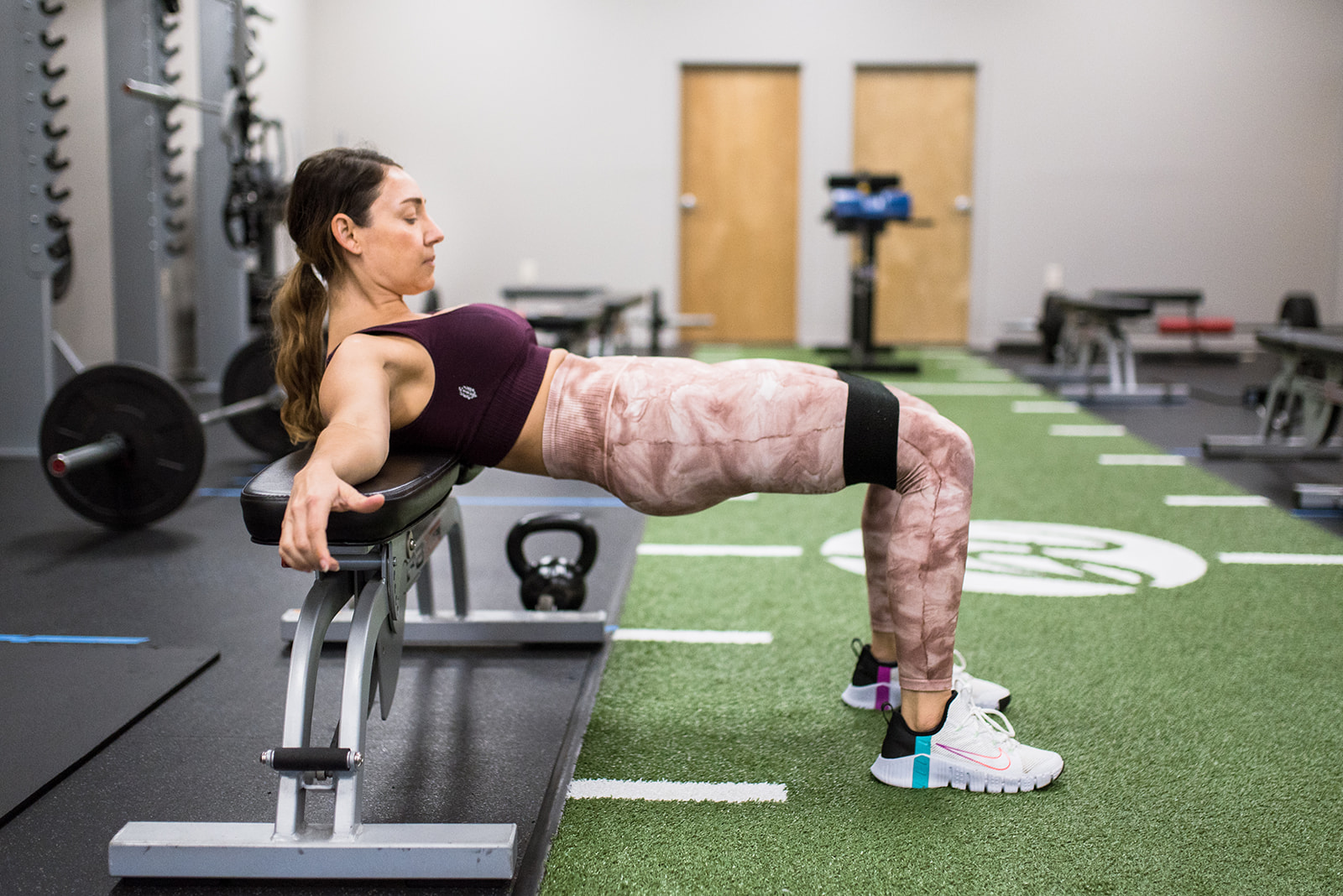
1. Hip Thrust
- Primary muscles: Gluteus maximus, hamstrings, lower back
- How to do it: Sit on the ground with your upper back against a bench, feet flat. Roll a barbell or place a weight across your hips. Drive your hips up, squeezing your glutes at the top. Lower and repeat.
Tips: Keep your chin tucked and avoid arching your back. Focus on pushing through your heels.
2. Deadlift
- Primary muscles: Glutes, hamstrings, erector spinae, core
- How to do it: Stand with feet hip-width apart, barbell over midfoot. Hinge at hips, bend knees, grab the bar. Keep back flat, push through heels to stand up.
Tips: Keep the bar close to your shins, don’t round your lower back. Beginners can start with kettlebell deadlifts.
3. Romanian Deadlift (rdl)
- Primary muscles: Hamstrings, glutes, lower back
- How to do it: Hold dumbbells or a barbell. Stand tall, soften knees, hinge at hips to lower weights down your legs. Go as low as you can while keeping your back straight, then return to standing.
Tips: Focus on the hip hinge, not bending at the waist.
4. Glute Bridge
- Primary muscles: Glutes, lower back
- How to do it: Lie on your back, knees bent, feet flat. Push hips up, squeeze glutes, lower back down.
Tips: Make it harder by using a resistance band around your knees or adding weight to your hips.
5. Back Extension
- Primary muscles: Erector spinae, glutes, hamstrings
- How to do it: Use a back extension bench or stability ball. Anchor your feet, cross arms over chest, lower your upper body, then lift back up until your body forms a straight line.
Tips: Don’t hyperextend. Focus on slow, controlled movement.
6. Bulgarian Split Squat
- Primary muscles: Glutes, quads, lower back (stabilizer)
- How to do it: Stand facing away from a bench, place one foot behind you on the bench. Lower your back knee toward the ground, then push up through your front heel.
Tips: Keep your torso upright, don’t let your front knee go far past your toes.
7. Single-leg Glute Bridge
- Primary muscles: Glutes, lower back, core
- How to do it: Same as a regular glute bridge, but lift one leg off the ground. Push hips up using the other leg.
Tips: Don’t let your hips drop to one side.
8. Good Morning
- Primary muscles: Hamstrings, glutes, lower back
- How to do it: Hold a barbell across your upper back (not neck). Stand tall, feet hip-width apart. Hinge at the hips, lower your torso forward, then return to standing.
Tips: Start with a light bar or even a broomstick. Keep back flat.
9. Step-up
- Primary muscles: Glutes, hamstrings, quads
- How to do it: Stand in front of a bench or sturdy box. Step up with one foot, drive through your heel, bring the other foot up, then step down.
Tips: For more challenge, hold dumbbells.
10. Clamshell
- Primary muscles: Gluteus medius and minimus
- How to do it: Lie on your side, knees bent. Keeping feet together, lift your top knee as high as you can, then lower.
Tips: Use a resistance band around your knees for more intensity.
Sample Lower Back And Glute Workout Routines
Here are three routines for different fitness levels. Each can be done in about 45–60 minutes, including warm-up.
Beginner Routine
- Glute Bridge – 3 sets of 12 reps
- Bird Dog – 3 sets of 10 reps per side
- Bodyweight Step-Up – 3 sets of 10 reps per leg
- Clamshell – 3 sets of 15 reps per side
- Back Extension (on mat or ball) – 2 sets of 10 reps
Rest 60–90 seconds between sets.
Intermediate Routine
- Barbell Hip Thrust – 4 sets of 10 reps
- Romanian Deadlift (Dumbbell) – 3 sets of 12 reps
- Bulgarian Split Squat – 3 sets of 8 reps per leg
- Single-Leg Glute Bridge – 3 sets of 10 reps per leg
- Back Extension – 3 sets of 12 reps
Rest 60–120 seconds between sets.
Advanced Routine
- Deadlift – 4 sets of 6 reps
- Barbell Hip Thrust – 4 sets of 8 reps
- Good Morning – 3 sets of 10 reps
- Bulgarian Split Squat (weighted) – 3 sets of 8 reps per leg
- Step-Up (with dumbbells) – 3 sets of 10 reps per leg
- Clamshell (banded) – 3 sets of 20 reps per side
Rest 90–150 seconds between sets.
Exercise Comparison: Which Ones Target Glutes And Lower Back Best?
The effectiveness of each exercise can vary. Here’s a quick comparison to show which moves focus more on the glutes, lower back, or both.
| Exercise | Glute Activation | Lower Back Activation | Difficulty |
|---|---|---|---|
| Hip Thrust | Very High | Moderate | Intermediate |
| Deadlift | High | High | Advanced |
| Romanian Deadlift | High | Moderate | Intermediate |
| Glute Bridge | High | Low | Beginner |
| Back Extension | Moderate | High | Intermediate |
| Bulgarian Split Squat | High | Low | Intermediate |
Tips For Maximum Results
Getting results from your lower back and glute workouts is not just about doing the right exercises. How you train matters just as much.
Focus On Mind-muscle Connection
Research shows that thinking about squeezing your glutes or lower back during an exercise activates those muscles more. Don’t just go through the motions—focus on feeling the target muscles working.
Progressively Overload
To get stronger and see changes, you need to increase the challenge over time. Add more weight, do more reps, or use harder variations as you get stronger.
Balance Strength With Flexibility
Strong muscles are great, but stiff muscles limit your movement and can cause pain. Stretch your hips, hamstrings, and lower back after each workout.
Don’t Forget Core Stability
Your abs and obliques support your lower back during heavy lifts. Add planks and anti-rotation moves (like Pallof presses) to your routine.
Rest And Recover
Muscles grow during rest, not during the workout. Get enough sleep, eat well, and give your lower back and glutes a day or two to recover between sessions.
Credit: www.youtube.com
Common Mistakes And How To Avoid Them
Even experienced lifters make mistakes when training glutes and lower back. Watch for these common errors:
Using Too Much Weight Too Soon
Trying to lift heavy before you have proper form can cause injuries. Master the basics with light weights before progressing.
Overarching The Lower Back
During exercises like deadlifts or hip thrusts, avoid arching your lower back too much. This puts pressure on your spine. Focus on a neutral back position.
Neglecting Glute Medius And Minimus
Most people focus on the big gluteus maximus but forget the side glutes (medius and minimus). Weakness here can cause hip and knee pain. Include exercises like clamshells and lateral band walks.
Not Using Full Range Of Motion
Short, half-reps don’t work the muscles fully. Lower yourself all the way down in squats and hip thrusts, and extend fully at the top.
Skipping Warm-up And Stretching
Jumping straight into heavy lifts or skipping stretching can lead to strains and tightness. Take 5–10 minutes to prepare and cool down.
Integrating Lower Back And Glute Workouts Into Your Routine
You don’t have to train these muscles every day, but you should include them regularly. Here are some ways to fit them into your week:
- Full-Body Workouts: Add 2–3 lower back/glute exercises to your full-body sessions.
- Lower Body Days: Dedicate part of your leg day to glute and lower back moves.
- Glute-Focused Days: If you train 4–5 days per week, make one day all about glutes and lower back.
- Active Recovery: On lighter days, do bodyweight moves and stretches to help with recovery.
Listen to your body. If you feel pain (not just muscle fatigue) in your lower back or hips, take an extra rest day or see a professional.
Tracking Progress And Measuring Results
Building strength and muscle in the lower back and glutes takes time. Tracking your progress helps you stay motivated and make adjustments.
Ways to measure progress:
- Strength: Track how much weight you can lift or how many reps you can do.
- Endurance: Count how many sets/reps you can do before fatigue.
- Appearance: Take photos every month to see visual changes.
- Performance: Notice improvements in sports, running, or daily activities (like climbing stairs).
Many people miss that progress is not always visible right away. Sometimes, you’ll first notice you can sit or stand longer without discomfort, or that daily tasks feel easier. These are signs your training is working.
Sample Weekly Workout Plan
Here’s how you could set up a week of training to maximize lower back and glute gains, whether you’re a beginner or advanced.
| Day | Workout Focus | Key Exercises |
|---|---|---|
| Monday | Lower Back & Glutes (Strength) | Deadlift, Hip Thrust, Back Extension |
| Tuesday | Upper Body | Push-ups, Rows, Shoulder Press |
| Wednesday | Rest or Active Recovery | Light Stretching, Walking |
| Thursday | Glutes & Legs (Hypertrophy) | Bulgarian Split Squat, Step-Up, Clamshell |
| Friday | Core & Stability | Plank, Bird Dog, Pallof Press |
| Saturday | Cardio or Sport | Jog, Bike, or Sport Activity |
| Sunday | Rest | — |
This plan gives your lower back and glutes enough work, but also time to recover.
Credit: www.issaonline.com
Nutrition Tips For Stronger Lower Back And Glutes
Your muscles need fuel to grow and get stronger. Nutrition is just as important as training.
- Protein: Aim for about 0.7–1 gram per pound of body weight daily. Good sources are chicken, fish, eggs, beans, and Greek yogurt.
- Carbohydrates: Needed for energy, especially before and after workouts. Whole grains, fruits, and vegetables are best.
- Healthy Fats: Support hormone health and recovery. Use olive oil, nuts, avocados, and fatty fish.
- Water: Muscles are about 75% water. Drink enough throughout the day to stay hydrated.
- Micronutrients: Magnesium, calcium, and vitamin D help muscle function and recovery. Include leafy greens, dairy, or supplements if needed.
Pro tip: Many people forget that eating enough calories overall is key for building muscle. If you’re not seeing progress, you might not be eating enough.
Glute And Lower Back Training For Specific Goals
For Pain Prevention
Focus on low-impact, controlled movements. Use lighter weights, higher reps, and avoid exercises that cause pain. Prioritize form over heavy lifting.
For Athletes
Add explosive exercises like jump squats or kettlebell swings. Include single-leg moves for balance. Train both strength and power.
For Muscle Growth
Use progressive overload with heavier weights and slower reps. Combine compound lifts (deadlifts, hip thrusts) with isolation moves (clamshells, kickbacks). Rest 1–2 minutes between sets for recovery.
For Fat Loss
Pair lower back and glute moves with high-intensity intervals or circuits to burn more calories. Keep rest short, but don’t sacrifice form.
Credit: bootylabinc.com
Two Non-obvious Insights For Better Results
- Train All Glute Muscles, Not Just the Maximus: Many people focus on big movements like squats and hip thrusts, but skip side glute work. The gluteus medius and minimus are crucial for hip stability and preventing knee pain. Add moves like clamshells, lateral band walks, and single-leg squats for complete development.
- Include Unilateral (Single-Leg) Exercises: Most people do only double-leg moves. Single-leg exercises like Bulgarian split squats and single-leg glute bridges correct muscle imbalances, improve balance, and work the lower back and glutes more intensely.
When To Seek Professional Help
If you feel sharp pain (not normal muscle soreness), numbness, or weakness in your legs, stop training and see a doctor or physical therapist. Persistent lower back pain can mean a deeper issue, like a herniated disc. It’s always better to be safe.
For more on back health, see the Mayo Clinic Back Pain Resource.
Frequently Asked Questions
What If I Have Lower Back Pain—should I Still Do These Workouts?
If you have mild discomfort, gentle exercises (like glute bridges, bird dogs, and clamshells) can help strengthen your muscles and reduce pain. But if you have severe or sharp pain, or if pain goes down your leg, stop and see a doctor before exercising.
How Long Does It Take To See Results From Lower Back And Glute Workouts?
Most people notice changes in strength and endurance within 4–6 weeks. Visible muscle changes can take 8–12 weeks, depending on your diet, genetics, and workout consistency.
Can I Do Lower Back And Glute Workouts At Home Without Equipment?
Yes! Many effective exercises (like glute bridges, step-ups on stairs, bird dogs, and clamshells) need no equipment. Resistance bands or household items (like water bottles) can add challenge.
Is It Safe To Train Glutes And Lower Back On The Same Day As Legs?
Absolutely. The glutes and lower back work together with your legs in many compound exercises. Just make sure to balance training and allow rest days for recovery.
What Should I Do If My Lower Back Feels Tight After Workouts?
Gentle stretching (like child’s pose, cat-cow, or lying knee-to-chest) can help. Use a foam roller on your glutes and lower back. If tightness continues or becomes pain, rest and consult a professional.
Building a strong lower back and glutes is one of the best investments you can make for your health, performance, and quality of life. With the right exercises, good form, and consistent effort, you’ll move better, feel better, and look better—no matter your age or fitness level.
Start today and enjoy the benefits for years to come.
