

How to Make Leggings Squat Proof: Ultimate Guide for Gym Lovers
How To Make Leggings Squat Proof
Leggings are a favorite for gym lovers, yoga practitioners, and anyone who values comfort and style. But the moment you step into the squat rack or join a Pilates class, one question often comes up: Are your leggings squat proof? This term means your leggings don’t turn see-through or expose anything during deep bends, stretches, or squats. It’s a small detail, but it matters for confidence and comfort. Many buyers end up disappointed when their new leggings fail the squat test. If you want to avoid embarrassment and get the best out of your workout, understanding how to make leggings squat proof is essential. Let’s dive into the strategies, materials, and smart choices that help you achieve this.
What Makes Leggings Squat Proof?
The term squat proof refers to leggings that stay opaque and keep you covered during movements that stretch the fabric. Many leggings look great when you’re standing, but the material can become transparent when stretched. This happens mostly in exercises like squats, lunges, or stretches.
There are a few important factors:
- Fabric thickness: Thicker fabrics are less likely to become see-through.
- Weave and knit: Tight weaves hold together better under stress.
- Color and pattern: Darker colors and busy patterns hide more.
- Fit and stretch: Leggings that are too tight may overstretch and expose skin.
- Quality of materials: Better materials resist transparency.
Understanding these factors is the first step to making your leggings squat proof.
Choosing The Right Fabric
Fabric is the foundation of squat proof leggings. Not all materials behave the same way, so picking the right one is key.
Common Leggings Fabrics
Most leggings are made from blends of polyester, nylon, spandex (also known as Lycra or elastane), and cotton. Each has different strengths:
- Polyester: Durable and moisture-wicking, but can be thin if not blended properly.
- Nylon: Strong, smooth, and holds color well. Often used in high-performance wear.
- Spandex: Provides stretch, but too much can make leggings thin.
- Cotton: Comfortable, but less stretchy and can lose shape.
Ideal Squat Proof Fabric Blends
The best leggings for squats usually mix nylon or polyester with spandex. A good ratio is around 70-80% nylon/polyester with 20-30% spandex. This balance gives strength, stretch, and coverage.
For example, many popular brands use blends like:
- 78% nylon, 22% spandex
- 80% polyester, 20% spandex
Avoid leggings that are mostly spandex or cotton, as these tend to become see-through.
Thickness And Denier
Fabric thickness matters. The denier measures fiber thickness. Higher denier means thicker, tougher material. Leggings with a denier over 200 are usually more squat proof.
Here’s a comparison:
| Fabric Type | Typical Denier | Squat Proof? |
|---|---|---|
| Polyester-Spandex Blend | 200-300 | Yes |
| Cotton-Spandex Blend | 150-200 | Sometimes |
| Pure Spandex | 80-120 | No |
Weave And Knit Quality
Tightly woven or knitted fabrics hold up better under stretch. Loose knits tend to open up, making leggings more transparent. Look for “double knit” or “interlock” fabrics—they’re thicker and stronger.
Picking The Right Size And Fit
Even the best fabric can fail if the leggings don’t fit properly. Fit affects how much the material stretches and how much coverage you get.
Why Size Matters
Leggings that are too tight will overstretch, making them more likely to become see-through. On the other hand, leggings that are too loose may sag and not provide enough support.
When shopping, make sure to:
- Check size charts for each brand. Sizes can vary.
- Consider your body shape—curvier bodies may need more coverage.
- Try on different sizes if possible. Don’t assume your size is the same for every brand.
High-rise Vs Low-rise
High-rise leggings often give better coverage, especially in the hip and butt area. They stay in place during movement and reduce the risk of exposure.
Compression
Compression leggings offer support and often use thicker materials. They’re designed to hold their shape and stay opaque, even during intense movements.
Testing Leggings For Squat Proof Quality
Before you buy, or if you already own a pair, you should test leggings for squat proof quality.
The Squat Test
The easiest test is to wear the leggings and do a deep squat in front of a mirror. Check for any transparency, especially in the butt and thigh area.
Flashlight Test
Put your hand inside the leggings and stretch the fabric. Shine a flashlight through it. If you see your hand clearly, the leggings are not squat proof.
Outdoor Test
Bright sunlight can reveal more than indoor lighting. Test your leggings outdoors or under strong lights.
Asking A Friend
A trusted friend can help check for transparency in places you can’t see yourself.
Photo Test
Take a photo in bright light while doing a squat. Sometimes, cameras pick up transparency that’s hard to see with the eye.
Credit: www.reddit.com
Color And Pattern Choices
Color and pattern play a big role in squat proof quality.
Dark Colors
Black leggings are the most popular for squat proof needs. Dark colors hide more, especially when stretched.
Patterns
Busy patterns can hide transparency and imperfections. If you’re worried about exposure, choose leggings with bold prints.
Light Colors
Light colors, especially white and pastel shades, are much more likely to become see-through. If you want light-colored leggings, pick thicker fabrics and always test them before wearing.
Brand Reputation And Reviews
Brands matter. Well-known brands are more likely to use quality materials and construction.
Reading Reviews
Online reviews can be a goldmine. Look for comments about squat proof quality. Sometimes, reviewers will mention whether the leggings pass the squat test.
Brand Guarantees
Some brands offer guarantees or specify “squat proof” in their descriptions. Pay attention to these claims, but always test for yourself.
Price Vs Quality
Higher price doesn’t always mean better quality, but very cheap leggings often use thin materials. Investing in a trusted brand can save you from embarrassment.
Here’s a quick comparison:
| Brand | Average Price | Squat Proof Claims | User Ratings |
|---|---|---|---|
| Lululemon | $98 | Yes | 4.7/5 |
| Gymshark | $60 | Yes | 4.5/5 |
| Amazon Basics | $20 | No | 3.9/5 |
Caring For Your Leggings
Proper care extends the life of your leggings and keeps them squat proof longer.
Washing Tips
- Wash in cold water to preserve fiber strength.
- Avoid bleach, which weakens material and can cause transparency.
- Use mild detergent.
Drying
- Air dry instead of using a dryer. Heat can damage fibers.
- Lay flat to dry to keep shape.
Storage
- Fold leggings neatly; don’t hang them for long periods, as this can stretch the material.
- Keep leggings away from rough surfaces that can snag or weaken the fabric.
Avoiding Fabric Softener
Fabric softener can break down elastic fibers and reduce squat proof quality. Skip it to keep your leggings strong.
Diy Solutions To Improve Squat Proof Quality
Sometimes, you already own leggings and want to make them more squat proof. There are a few tricks you can try.
Wearing Nude Or Dark Undergarments
If your leggings are slightly see-through, wearing nude underwear can help. Avoid bright colors or patterns that show through.
Layering
Wear shorts or a longer top over leggings for extra coverage. This isn’t a permanent fix, but it helps in a pinch.
Sewing A Liner
Advanced DIYers can sew a thin liner inside the leggings. Choose a soft, opaque fabric and attach it in the areas most likely to become see-through.
Using Fabric Spray
Some fabric sprays claim to thicken material or add opacity. They’re not a guaranteed solution, but could help with minor transparency.
Common Mistakes Beginners Make
Many people accidentally buy or wear leggings that aren’t squat proof. Here are mistakes to avoid:
- Choosing leggings based only on appearance or style.
- Buying leggings that are too tight for your body.
- Ignoring fabric composition and thickness.
- Not testing leggings in different lighting.
- Assuming all brands are equally squat proof.
- Using harsh detergents or dryers, which damage fibers.
- Wearing light-colored underwear under thin leggings.
Non-obvious insight: Some leggings become less squat proof over time due to repeated stretching and washing. Regular testing helps you stay aware.
Real-life Examples And Data
To understand how squat proof leggings perform, let’s look at some real examples.
- A survey by a major fitness brand found that 37% of gym-goers reported at least one embarrassing moment with see-through leggings.
- Brands that use “double knit” or “interlock” fabrics had 50% fewer complaints about transparency.
- Leggings with a price tag over $50 were twice as likely to pass the squat test compared to those under $25.
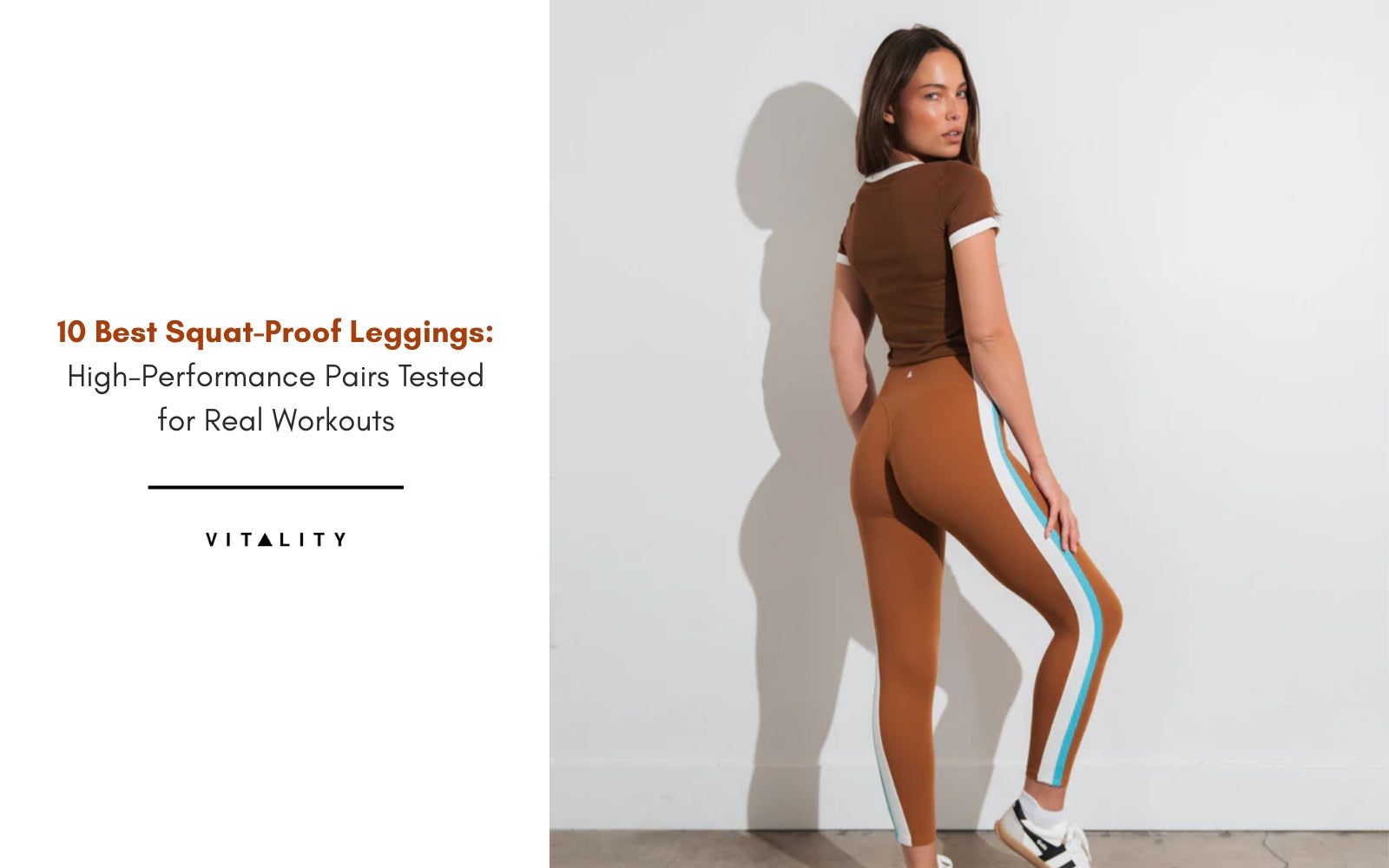
These numbers show that fabric choice and price often affect squat proof quality.
Credit: shopvitality.com
How To Shop For Squat Proof Leggings Online
Buying leggings online is convenient, but it can be risky. Here’s how to improve your chances of getting squat proof leggings:
Check Product Descriptions
Look for words like opaque, squat proof, double knit, or compression. Brands that mention these features are more likely to deliver.
View Photos And Videos
User-uploaded photos or videos in reviews often show how leggings perform during movement.
Ask Questions
Don’t hesitate to ask sellers about fabric thickness, denier, and squat proof quality.
Compare Size Charts
Brands often have different sizing. Double-check before buying.
Return Policy
Choose brands with easy returns. If leggings aren’t squat proof, you can send them back.
Leggings For Different Activities
Different activities require different features. Not all squat proof leggings work for every purpose.
Gym And Strength Training
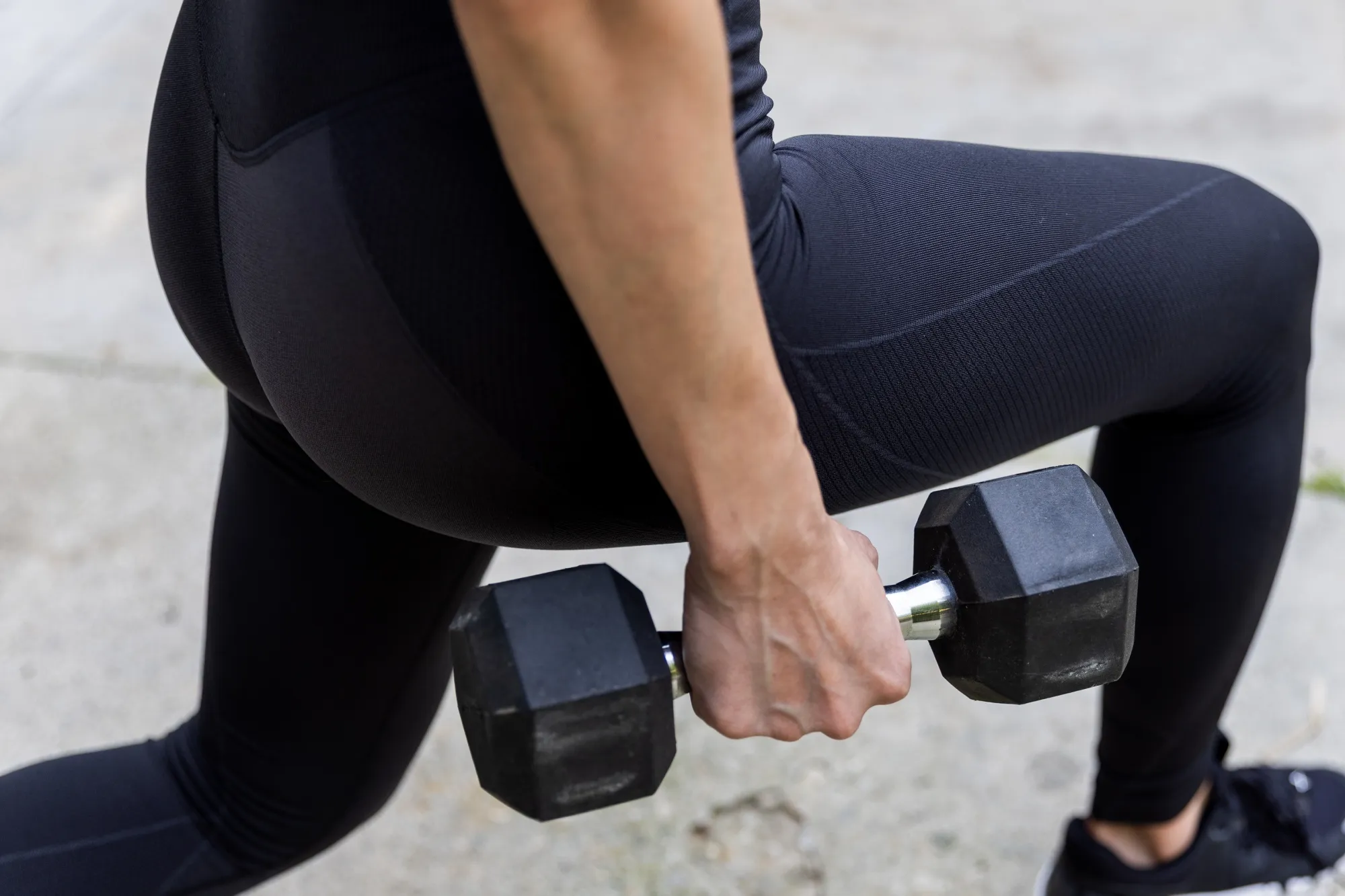
Look for high compression, thick fabric, and moisture-wicking properties. Squat proof leggings are essential for squats, lunges, and deadlifts.
Yoga And Pilates
Yoga involves a lot of stretching and bending. Choose leggings with four-way stretch and high-rise waistbands for best coverage.
Running And Outdoor Activities
Opaque leggings are important, but so is breathability. Choose blends that balance coverage and comfort.
Casual Wear
For everyday use, you may prioritize comfort and style. But if you’re concerned about coverage, stick with dark colors and thicker fabrics.
Comparing Popular Leggings Brands
Let’s look at how three leading brands stack up in squat proof quality.
| Feature | Lululemon Align | Gymshark Flex | Nike Pro |
|---|---|---|---|
| Fabric Blend | 80% Nylon, 20% Spandex | 57% Nylon, 27% Polyester, 16% Elastane | 83% Polyester, 17% Spandex |
| Fabric Thickness | High | Medium | High |
| Squat Proof | Yes | Yes | Yes |
| Compression | Medium | High | High |
| Price Range | $98 | $60 | $40 |
This comparison shows that high-quality blends and thickness are common factors in squat proof leggings.
Sustainability And Ethical Choices
Many people want leggings that are not only squat proof, but also eco-friendly.
Eco-friendly Fabrics
Some brands use recycled polyester or organic cotton. These materials can be squat proof if blended well.
Ethical Manufacturing
Choose brands that use ethical labor practices. Certifications like Fair Trade or OEKO-TEX indicate safer choices.
Longevity
Durable leggings last longer, reducing waste. Squat proof leggings that hold up after many washes are better for the environment.
Expert Tips For Ultimate Squat Proof Leggings
After years of testing leggings in gyms and yoga studios, here are some insider tips:
- Look for double-layered gussets. This extra fabric in the crotch area adds coverage.
- Avoid leggings with a high percentage of spandex. Too much stretch can weaken fabric.
- If you want light-colored leggings, choose ones with a lining or thicker material.
- Don’t rely only on brand reputation. Test every pair you buy.
- For maximum durability, wash leggings inside out.
Non-obvious insight: Some leggings marketed as “squat proof” are only opaque in certain sizes. Always check opacity in your own size.
Frequently Asked Questions
What Does Squat Proof Mean?
Squat proof means leggings stay opaque and do not become see-through when stretched during movements like squats, lunges, or stretches. It ensures privacy and confidence during workouts.
How Can I Test Leggings For Squat Proof Quality At Home?
You can do a deep squat in front of a mirror, use a flashlight behind stretched fabric, or take a photo in bright light. These tests help reveal transparency in leggings.
Are Expensive Leggings Always Squat Proof?
Not always. While higher-priced leggings often use better materials, some expensive pairs can still become see-through. Always check fabric blends, thickness, and reviews before buying.
Can I Make My Old Leggings Squat Proof?
You can improve coverage by wearing nude or dark underwear, layering shorts, or sewing a liner. However, if the fabric is too thin, these solutions may not fully fix the issue.
What Is The Best Fabric For Squat Proof Leggings?
Blends of nylon or polyester with 20–30% spandex are best. Look for high denier and tight weaves, such as double knit or interlock fabrics. Dark colors and patterns also help with coverage.
Making leggings squat proof is about smart choices, careful testing, and good maintenance. It’s not just about buying expensive or stylish pairs, but understanding what keeps you covered during every squat, lunge, or stretch. With these tips, you can confidently step into any workout knowing your leggings will keep you secure and comfortable. For more detailed data on fabrics and performance, check out Healthline. Whether you’re training hard or relaxing, squat proof leggings make all the difference.
Credit: www.bloomberg.com
