

Glute Workout Men: Build Stronger, Bigger Glutes Fast
Glute Workout Men: The Complete Guide to Building Stronger, Bigger Glutes
A strong lower body is more than just big quads and calves. For many men, the glutes—the muscles of your butt—are often overlooked in workout routines. Yet, developing your glutes can transform your physique, boost athletic performance, and even help prevent injuries. Whether your goal is to lift heavier, sprint faster, or simply fill out your jeans better, understanding the right way to train your glutes is essential.
Many men focus on upper body workouts and sometimes neglect the posterior chain. But the glutes are actually the largest and most powerful muscle group in your body. They play a key role in almost every sport, from running to jumping to lifting. Weak glutes can lead to back pain, poor posture, and lower-body injuries. On the other hand, strong glutes help with stability, protect your knees, and improve your strength in squats and deadlifts.
This guide covers everything you need to know about glute workouts for men—from anatomy and exercise selection to programming and advanced tips. If you’re ready to upgrade your lower body training, read on for science-backed advice, practical workouts, and answers to common questions.
Why Glute Training Matters For Men
The glutes are made up of three main muscles: gluteus maximus, gluteus medius, and gluteus minimus. Each plays a different role in movement and stability. Here’s why glute training is so important for men:
- Improved Athletic Performance: Strong glutes power your jumps, sprints, and explosive movements. This means better results in sports and gym lifts.
- Better Posture and Lower Back Health: The glutes stabilize your pelvis and support your spine. Weak glutes often cause lower back pain or hip issues.
- Injury Prevention: Properly trained glutes protect your knees and hips by absorbing shock and keeping your body aligned.
- Aesthetics: Well-developed glutes create a balanced, athletic look and improve the fit of your clothing.
- Functional Strength: Everyday movements like lifting, climbing stairs, and even standing are easier with strong glutes.
Glute Muscle Anatomy: What You Need To Know
Understanding glute anatomy helps you target each muscle effectively. Let’s break down the three key muscles:
- Gluteus Maximus: This is the largest muscle in your body. It gives your butt most of its shape and is responsible for hip extension, like standing up from a squat or running uphill.
- Gluteus Medius: Located on the outer side of your hip, it helps with hip abduction (moving your leg away from your body) and stabilizes your pelvis when you stand on one leg.
- Gluteus Minimus: The smallest glute muscle, lying beneath the medius, helps with internal rotation and stabilization of the hip.
When you train your glutes, you want to target all three muscles for full development. This means using a mix of exercises and movement patterns.
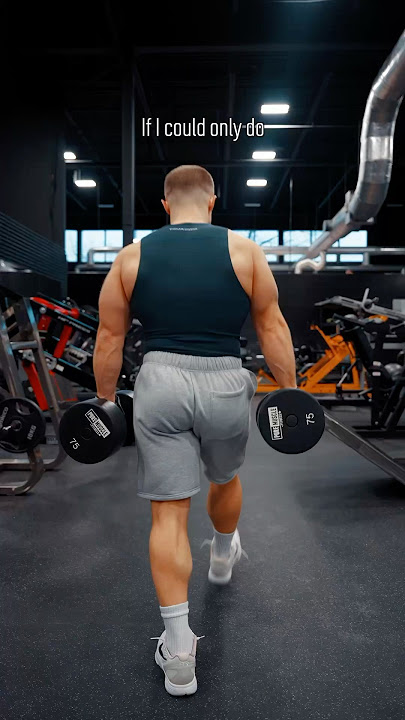
Credit: www.youtube.com
How To Structure A Glute Workout For Men
Many men simply add a few hip thrusts or squats at the end of leg day. But for real progress, glute training deserves its own structured approach. Here’s how to do it:
- Train Glutes 2-3 Times a Week: Research shows that frequency matters. Two to three focused sessions allow for enough volume and recovery.
- Use a Variety of Exercises: Combine compound movements (squats, deadlifts, lunges) with isolation exercises (hip thrusts, glute bridges, kickbacks).
- Vary Your Reps and Loads: Heavy, low-rep lifts build strength. Moderate to high reps with lighter weight help with muscle growth (hypertrophy).
- Prioritize Form and Mind-Muscle Connection: Focus on feeling your glutes work, not just moving the weight.
- Progress Over Time: Increase the weight, reps, or sets as you get stronger.
Top Glute Exercises For Men
Building bigger, stronger glutes requires a mix of compound and isolation exercises. Below are some of the best moves to include in your program.
1. Barbell Hip Thrust
- Primary muscles: Gluteus maximus, gluteus medius
- Why it’s great: The hip thrust is one of the best exercises for directly targeting and growing the glutes. It allows for heavy loading and a large range of motion.
- How to do it: Sit on the floor with your upper back against a bench, knees bent, and feet flat. Roll a barbell over your hips. Drive through your heels to lift your hips, squeezing your glutes at the top.
2. Romanian Deadlift (rdl)
- Primary muscles: Gluteus maximus, hamstrings
- Why it’s great: RDLs stretch and strengthen the glutes through hip extension. They also improve your hamstring strength.
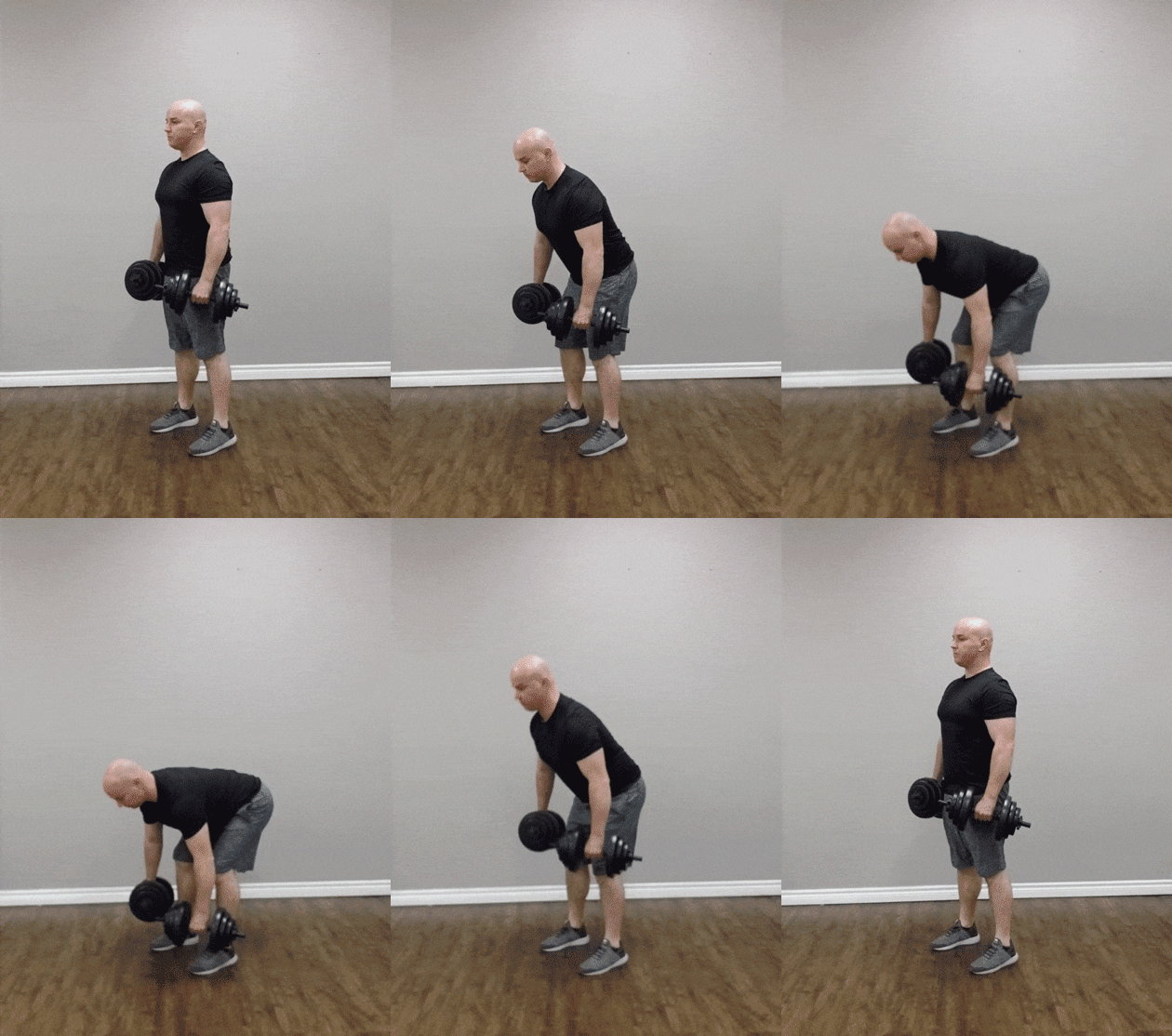
- How to do it: Stand with feet hip-width apart, holding a barbell. Hinge at the hips, keeping your back flat, and lower the bar down your legs. Pause when you feel a stretch, then return to standing.
3. Bulgarian Split Squat
- Primary muscles: Gluteus maximus, gluteus medius, quads
- Why it’s great: This single-leg exercise challenges your glute stability and strength while also working your quads.
- How to do it: Stand a few feet in front of a bench, place one foot behind you on the bench. Lower your back knee to the ground, then drive back up through your front heel.
4. Walking Lunge
- Primary muscles: Gluteus maximus, gluteus medius, quads, hamstrings
- Why it’s great: Walking lunges are dynamic, challenge your balance, and force the glutes to work hard to stabilize and move you forward.
- How to do it: Take a large step forward, drop your back knee, and push through your front heel to stand, bringing your feet together.
5. Glute Bridge
- Primary muscles: Gluteus maximus
- Why it’s great: Glute bridges are simple but effective, especially for beginners or as a warm-up.
- How to do it: Lie on your back with knees bent and feet flat. Push through your heels to lift your hips, squeezing your glutes at the top.
6. Cable Kickback
- Primary muscles: Gluteus maximus
- Why it’s great: Cable kickbacks isolate the glutes and let you focus on muscle contraction without much help from other muscles.
- How to do it: Attach an ankle strap to a low cable. Stand facing the machine, hinge slightly forward, and kick your leg back, squeezing your glute.
7. Sumo Deadlift
- Primary muscles: Gluteus maximus, hamstrings, adductors
- Why it’s great: The wide stance shifts more work to your glutes and inner thighs compared to a regular deadlift.
- How to do it: Stand with feet wider than shoulder width, toes pointed out. Grip the bar inside your knees, then stand up, pushing your hips forward.
8. Step-up
- Primary muscles: Gluteus maximus, gluteus medius, quads
- Why it’s great: Step-ups mimic real-life movement and are excellent for building single-leg strength.
- How to do it: Step up onto a bench or box with one foot, push through your heel, and bring your other foot up. Step down and repeat.
9. Clamshell
- Primary muscles: Gluteus medius, gluteus minimus
- Why it’s great: This exercise targets the side glutes, which are important for hip stability.
- How to do it: Lie on your side with knees bent, feet together. Keeping your feet touching, lift your top knee up and lower it back down.
10. Reverse Hyperextension
- Primary muscles: Gluteus maximus, hamstrings, lower back
- Why it’s great: Reverse hypers train the glutes through a long range of motion and reduce lower back stress.
- How to do it: Lie face down on a reverse hyper machine, legs hanging off. Raise your legs behind you by squeezing your glutes.
Sample Glute Workouts For Men
A good glute workout doesn’t have to be complicated. Below are two sample routines—one for beginners, one for advanced lifters. Adjust the weight to fit your level.
Beginner Glute Workout
- Barbell Hip Thrust – 3 sets x 8-10 reps
- Bulgarian Split Squat – 3 sets x 8 reps per leg
- Glute Bridge – 2 sets x 12 reps
- Clamshell – 2 sets x 15 reps per side
Advanced Glute Workout
- Romanian Deadlift – 4 sets x 6-8 reps
- Barbell Hip Thrust – 4 sets x 8 reps
- Walking Lunge – 3 sets x 10 reps per leg
- Cable Kickback – 3 sets x 15 reps per leg
- Reverse Hyperextension – 3 sets x 12 reps
Workout Structure Comparison
Here’s how a beginner and advanced glute workout stack up:
| Exercise | Beginner | Advanced |
|---|---|---|
| Barbell Hip Thrust | 3x8-10 | 4x8 |
| Bulgarian Split Squat | 3x8/leg | - |
| Romanian Deadlift | - | 4x6-8 |
| Walking Lunge | - | 3x10/leg |
| Glute Bridge | 2x12 | - |
| Cable Kickback | - | 3x15/leg |
| Clamshell | 2x15/side | - |
| Reverse Hyperextension | - | 3x12 |
Key Programming Principles For Glute Growth
For the best results, follow these training principles:
Train With Enough Volume
Muscle growth happens when you challenge your muscles with enough work. Studies suggest 10–20 sets per muscle group per week is ideal for most people. For glutes, this could mean:
- 3-4 glute-focused exercises per workout
- 2–3 workouts per week
Use Progressive Overload
To keep growing, you must gradually increase the weight, reps, or sets. Track your progress and aim to improve each session, even by a small amount.
Mix Heavy And Moderate Loads
Heavy compound lifts (like deadlifts) build strength. Moderate weights for higher reps (like cable kickbacks) add muscle size and detail. Using both helps maximize results.
Focus On Range Of Motion
A full range of motion activates more muscle fibers. For example, lowering deep in a squat or hip thrust ensures the glutes work harder.
Balance Push And Pull Movements
Include both hip extension (hip thrust, deadlift) and abduction (clamshell, band walks) exercises for complete glute development.

Credit: toneopfit.com
Common Mistakes Men Make In Glute Training
Even with the best intentions, it’s easy to make mistakes that limit your glute gains. Here are some of the most common errors—and how to fix them:
- Neglecting Glute Isolation: Only doing squats and deadlifts misses the glute medius and minimus. Add isolation moves like hip thrusts and clamshells.
- Using Too Much Weight Too Soon: Heavy weights with poor form shift the work to your lower back or quads. Use a weight you can control with good technique.
- Not Feeling the Glutes Work: If you don’t feel your glutes, slow down your reps and focus on squeezing at the top.
- Poor Exercise Order: Fatiguing your glutes first with isolation exercises can help you feel them more in big lifts.
- Skipping Warm-Ups: Activating your glutes before heavy lifting prepares them to work better and reduces injury risk.
Glute Activation: The Secret To Better Results
Many men struggle to “feel” their glutes during workouts. This is often due to inactive or underused glute muscles, especially for those who sit a lot during the day. Glute activation exercises can help.
Best Glute Activation Exercises
- Banded Lateral Walks: Place a mini-band above your knees, bend slightly, and step side to side.
- Frog Pumps: Lie on your back, press the soles of your feet together, and thrust your hips up.
- Fire Hydrants: On all fours, lift one knee out to the side without rotating your hips.
Doing these moves for 2–3 sets of 12–20 reps before your main workout can help you feel your glutes working more during big lifts.
Equipment For Effective Glute Training
You can build great glutes with both gym and home equipment. Here’s a quick comparison of popular options:
| Equipment | Benefits | Common Uses |
|---|---|---|
| Barbell | Heavy loading, strength gains | Hip thrusts, squats, deadlifts |
| Dumbbells | Versatile, easier for beginners | Lunges, step-ups, RDLs |
| Resistance Bands | Glute activation, rehab | Banded walks, clamshells |
| Cable Machine | Constant tension | Kickbacks, pull-throughs |
| Bodyweight | Accessible, low risk | Bridges, clamshells, step-ups |
| Machines | Targeted muscle work, safety | Glute drive, leg press |
Advanced Glute Training Tips
Once you’ve mastered the basics, these strategies can take your glute training to the next level:
Try Single-leg Variations
Single-leg exercises like Bulgarian split squats, step-ups, and single-leg hip thrusts build balance, stability, and fix muscle imbalances.
Use Pauses And Slow Tempos
Adding a pause at the top of a hip thrust or slowing down the lowering phase increases time under tension and improves muscle activation.
Prioritize Glutes In Your Training Split
If glutes are a weak point, train them first in your workout, or dedicate a day just for glute work.
Include Plyometrics
Jumping exercises—like box jumps or broad jumps—boost power and athleticism, which also helps glute development.
Focus On Nutrition And Recovery
Muscle grows when you eat enough protein and calories, and when you get quality sleep. Don’t overlook these basics.
Nutrition For Glute Growth
Building muscle, including your glutes, requires the right nutrition:
- Eat Enough Protein: Aim for at least 0.7–1 gram of protein per pound of body weight daily.
- Get Enough Calories: A small calorie surplus helps with muscle growth.
- Include Healthy Fats and Carbs: Both are important for energy and hormone health.
- Stay Hydrated: Muscles work best when you’re well hydrated.
Some men think training alone is enough. But without proper nutrition, your glute growth will plateau quickly.
How To Measure Glute Progress
It can be hard to see glute progress since you don’t look at your own back side often. Here are practical ways to track your results:
- Take Progress Photos: Front, side, and back shots every 4–6 weeks.
- Measure Hip Circumference: Use a tape measure around the widest part of your hips.
- Track Strength Gains: Record your best weights and reps in hip thrusts, squats, and deadlifts.
- Check Clothing Fit: Notice if pants or shorts fit differently around your glutes.
Don’t rely on the scale alone. Muscle is denser than fat, so your weight may stay the same even as your glutes grow.
Glute Workout Myths Men Should Ignore
There’s a lot of confusion about glute training for men. Let’s clear up some common myths:
- “Squats are enough for glutes.” While squats work the glutes, they don’t target them as directly as hip thrusts or bridges.
- “Glute training is only for women.” The glutes are critical for strength and performance in men, too.
- “You need fancy equipment.” Many effective glute exercises use just bodyweight or simple weights.
- “High reps only.” Both heavy and light weights help glute growth. Mix them for best results.
- “If you don’t feel sore, it’s not working.” Soreness is not a sign of muscle growth. Focus on progress, not just how you feel after.
Glute Training For Sports And Daily Life
Strong glutes are not just for looks. They play a key role in many sports and daily activities:
- Running and Sprinting: Glutes generate force for each stride, helping you run faster.
- Jumping: Powerful glutes help you jump higher and land safely.
- Lifting and Carrying: Everyday tasks like picking up objects use your glutes for support and stability.
- Posture and Back Health: Glutes keep your pelvis aligned, reducing stress on your lower back.
Professional athletes, including sprinters and football players, spend time training glutes for these reasons. Even if you don’t compete, strong glutes will help you move better in daily life.
Credit: sunnyhealthfitness.com
Real-world Example: Glute Growth Journey
Let’s look at a typical progression for a man starting a focused glute routine:
- Month 1: Learning new exercises, feeling the glutes work for the first time. Strength and balance quickly improve, but visible changes are small.
- Month 2: Hip thrust and squat weights increase. Pants fit tighter around the hips, and friends may notice a change.
- Month 3 and Beyond: Glutes look fuller, athletic performance (running, jumping, lifting) improves, and lower back pain may decrease.
Most men underestimate how quickly glutes can respond to smart training. Consistency and patience are key.
Glute Workouts At Home Vs. Gym
Not everyone has access to a full gym. The good news: you can still build strong glutes at home.
Home Glute Training Tips
- Use resistance bands for added tension.
- Try single-leg variations for more challenge.
- Use household items (like water jugs or backpacks) as weights.
- Focus on slow, controlled reps and high volume.
Gym Glute Training Tips
- Take advantage of barbells and machines for heavy lifts.
- Use cable machines for isolation work.
- Alternate between free weights and machines for variety.
Here’s a quick look at differences between home and gym glute workouts:
| Factor | Home | Gym |
|---|---|---|
| Equipment | Bands, bodyweight, household items | Barbells, machines, cables |
| Exercise Variety | Limited | Wide range |
| Progressive Overload | Challenging after a point | Easy with weights |
| Convenience | Very high | Requires travel |
| Cost | Low | Membership fees |
Two Non-obvious Insights For Glute Growth
- Strong Glutes Improve Core Strength: Many people separate core and glute training, but your glutes support your pelvis and help stabilize your entire core. Weak glutes can actually make ab exercises less effective and increase injury risk.
- Glute Soreness Is Not Essential for Growth: Many men chase soreness as a sign of a good workout. But research shows that muscle growth is more about progressive overload, not post-workout pain. You can grow without feeling sore every time.
Frequently Asked Questions
How Often Should Men Train Glutes?
Most men get the best results training glutes 2–3 times per week. This frequency allows enough volume for muscle growth and enough recovery between sessions.
Are Squats Or Hip Thrusts Better For Glute Growth?
Both are effective, but hip thrusts target the glutes more directly. Squats also involve the quads and lower back. For full development, include both in your routine.
Why Don’t I Feel My Glutes Working?
This is common, especially if you sit a lot. Try glute activation exercises (like banded walks) before your main workout. Slow down your reps and focus on squeezing your glutes at the top of each move.
Can I Build Glutes At Home Without Weights?
Yes, you can use bodyweight exercises and resistance bands for effective glute training at home. Focus on higher reps, single-leg moves, and add bands for extra resistance.
What’s The Best Way To Track Glute Progress?
Use a mix of progress photos, hip measurements, and tracking your strength in key glute exercises. Don’t rely only on the scale.
Building strong glutes is about more than just looks. It’s about performance, health, and confidence. Consistent, well-planned training—combined with good nutrition and recovery—will help you see impressive results over time. For more on glute anatomy and training, visit Wikipedia. No matter your starting point, every man can benefit from better glute training. Start today, and you’ll feel the difference in and out of the gym.
