

Glute Soreness After Workout: Causes, Relief, and Prevention Tips
Glute Soreness After Workout
Many people wake up the day after a tough workout and feel a deep ache in their glutes. This glute soreness is common for both beginners and experienced athletes. It often means you pushed your muscles in new or intense ways. But what exactly causes this soreness? Is it a good sign, or should you be worried? And most importantly, how can you manage it so your workouts do not get derailed?
Understanding glute soreness is important for anyone who wants stronger, healthier hips and legs. Whether you are chasing bigger glutes, better athletic performance, or just want to move without pain, knowing why your muscles get sore—and what to do about it—can make your training safer and more effective.
In this guide, you will learn what glute soreness really means, how to tell if it is normal or a warning sign, and the best ways to recover and prevent it in the future.
Why Do The Glutes Get Sore After A Workout?
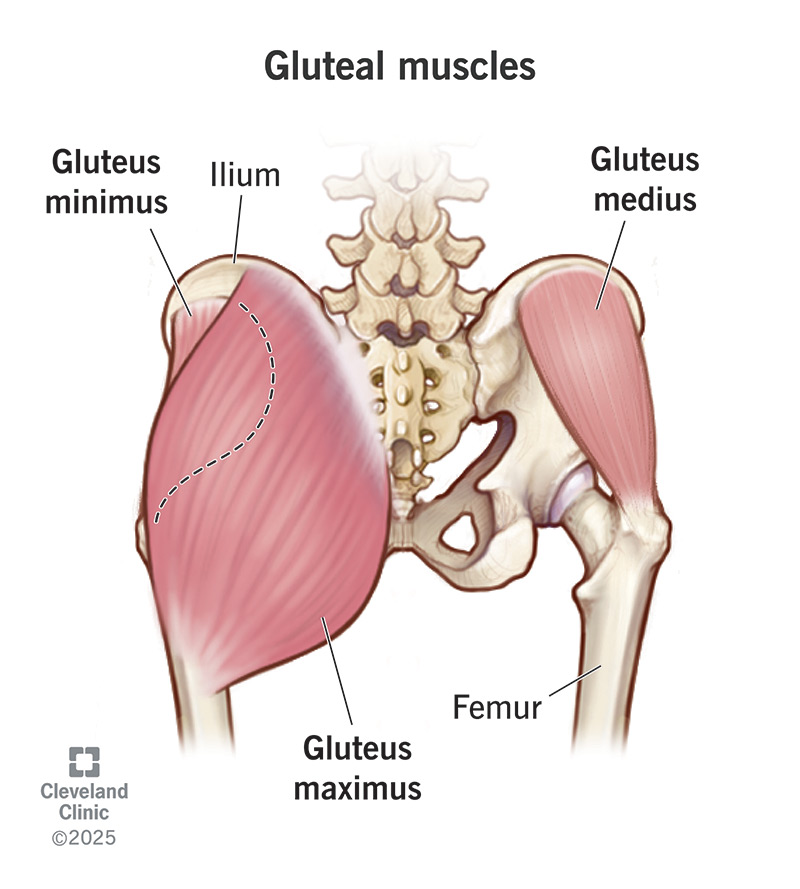
The gluteal muscles—the gluteus maximus, medius, and minimus—are some of the strongest in the body. They help you stand, walk, run, squat, and jump. When you exercise, especially with movements like squats, lunges, deadlifts, or hip thrusts, these muscles work hard. Soreness usually appears when you do something new, increase your intensity, or use a challenging movement.
The main reason for glute soreness after a workout is a process called delayed onset muscle soreness (DOMS). DOMS happens when you place new or more intense stress on your muscles. It is most common 24 to 72 hours after exercise, and it can make your muscles feel tender, tight, or even weak.
How Doms Works
When you exercise, you create tiny microtears in your muscle fibers. This is normal. Your body repairs these tears, and your muscles become stronger in the process. The soreness is caused by inflammation as your body heals. This is why you often feel sore after trying a new exercise, adding more weight, or doing more reps than usual.
Not All Soreness Is Doms
While DOMS is the most common cause of glute soreness, other factors can play a role. For example, poor exercise form, muscle strains, or even nerve irritation can cause similar feelings. Learning to tell the difference is important for staying safe.
Common Exercises That Cause Glute Soreness
Many lower body exercises work the glutes, but some are more likely to cause soreness than others. These exercises often use large ranges of motion, high loads, or force your glutes to work during both the lifting and lowering phases.
Here are some of the top movements that lead to glute soreness:
- Squats (barbell, dumbbell, goblet, or bodyweight)
- Deadlifts (traditional, sumo, Romanian)
- Hip thrusts and glute bridges
- Lunges (walking, reverse, Bulgarian split squats)
- Step-ups
- Cable kickbacks
- Single-leg glute exercises (single-leg deadlift, single-leg hip thrust)
- Kettlebell swings
- Sprints and uphill running
Why These Exercises Are Challenging
Most of these exercises use both the eccentric phase (muscle lengthening, like lowering into a squat) and the concentric phase (muscle shortening, like standing up). The eccentric part especially creates more muscle damage and soreness. For example, slowly lowering yourself during a squat or lunge increases the stress on your glutes.

Credit: www.houseofpeach.com
How To Tell If Glute Soreness Is Normal Or A Problem
Feeling sore after a workout is usually a sign that your muscles are adapting. But sometimes, pain can mean something more serious. It is important to know the difference between normal soreness and signs of injury.
Signs Of Normal Glute Soreness
- Starts 12–24 hours after your workout
- Peaks at 24–72 hours
- Feels like a dull ache or tightness
- Muscles may feel tender when touched or stretched
- Improves with movement or as the day goes on
Warning Signs Of Injury
- Sharp, stabbing, or severe pain
- Soreness that does not improve after 4–5 days
- Bruising or swelling in the glute area
- Pain with everyday activities (walking, sitting)
- Numbness, tingling, or weakness in your leg
If you notice these warning signs, it is best to stop exercising and consult a healthcare provider. It could be a muscle strain, tear, or even nerve issue like sciatica. Do not ignore these symptoms, as pushing through can make things worse.
What Influences How Sore Your Glutes Get?
Not everyone gets sore in the same way. Some people barely notice muscle soreness, while others struggle to walk after a tough workout. Several factors can affect your experience:
Training Experience
Beginners usually get more sore because their muscles are not used to the stress. As you get stronger and more experienced, your body adapts. This is called the repeated bout effect—your muscles become less sore with regular training.
Exercise Selection And Volume
Doing new exercises, using heavy weights, or doing lots of reps/sets increases soreness. For example, adding Bulgarian split squats to your routine often leads to more soreness than regular squats.
Eccentric Emphasis
Movements that focus on the lowering phase (eccentric) create more muscle damage. Slow eccentrics, like lowering a weight for 4 seconds, are famous for causing extra soreness.
Recovery Habits
How you eat, sleep, and recover makes a big difference. Poor recovery slows down your healing and can make soreness worse.
Genetics And Individual Differences
Some people are naturally more prone to soreness due to their genetics, muscle fiber type, or even pain tolerance. This is normal and not a sign of a problem.
Is Glute Soreness A Sign Of A Good Workout?
Many people believe that if they are not sore, their workout did not work. This is a myth. Soreness is not the best way to measure progress.
Soreness Means Adaptation, Not Always Growth
Feeling sore means your muscles experienced something new or more intense than usual. It shows your body is adapting. However, you can build muscle and strength without always being sore. In fact, as you get more advanced, you may rarely feel sore—even as you continue to improve.
Too Much Soreness Can Slow Progress
Extreme soreness can limit your ability to move, train, or even walk. This slows your progress, increases injury risk, and can make you dread workouts. A little soreness is fine, but being unable to sit or climb stairs for days is not necessary.
Track Progress In Other Ways
Instead of chasing soreness, look for these signs that your training is working:
- You can lift heavier weights or do more reps
- Your form improves
- Your glutes look or feel stronger
- You move better in daily life
How Long Does Glute Soreness Last?
For most people, glute soreness from a workout lasts 24 to 72 hours. It usually starts to fade as your muscles heal and adapt. With the right recovery, soreness should not last longer than a few days.
Here is a simple overview of how long soreness lasts for different situations:
| Situation | Expected Soreness Duration |
|---|---|
| New exercise or return after long break | 2–4 days |
| Increased weight or volume | 1–3 days |
| Normal training session | 0–2 days |
| Injury or strain | 4+ days (seek help) |
Some soreness is normal, but if it lasts more than 5 days, or gets worse, you should check with a healthcare provider.
Best Ways To Reduce Glute Soreness
If your glutes are sore, you do not have to suffer in silence. There are proven ways to reduce soreness and speed up recovery. Some methods work better than others.
1. Active Recovery
Moving gently helps increase blood flow and reduce muscle tightness. Try walking, cycling, or a light bodyweight workout. The goal is to move without adding more stress.
2. Stretching And Mobility Work
Gentle glute stretches can help loosen tight muscles. Some effective stretches include:
- Seated glute stretch
- Figure-four stretch
- Lying glute stretch
Hold each stretch for 20–30 seconds, and do not force the movement.
3. Massage And Foam Rolling
Using a foam roller or massage ball on your glutes can help reduce tightness. Apply gentle pressure and roll slowly over sore spots. If you have access to a professional massage, it can also help recovery.
4. Cold And Heat Therapy
Ice packs can reduce inflammation in the first 24 hours, while heat packs help relax tight muscles later. Use what feels best for your body.
5. Nutrition And Hydration
Eat enough protein, healthy fats, and carbohydrates to support muscle repair. Stay hydrated to help your body flush out waste products from exercise.
6. Rest And Sleep
Give your body time to heal by getting enough sleep and avoiding intense workouts while you are sore. Sleep is when most muscle repair happens.
7. Over-the-counter Pain Relief
For severe discomfort, non-prescription pain relievers like ibuprofen can help. Do not rely on these long-term—if you need them often, adjust your training.
8. Light Compression
Wearing light compression shorts or leggings may help reduce swelling and improve comfort for some people.
What Beginners Often Miss
Many new lifters think total rest is best, but gentle movement usually speeds up healing. Also, drinking enough water is often overlooked—dehydration can make soreness worse.
When To See A Doctor Or Physical Therapist
Most glute soreness fades on its own, but sometimes you need expert help. Seek medical advice if:
- Pain is severe, sharp, or not improving after 4–5 days
- You notice bruising, swelling, or a lump in your glute
- You have numbness or tingling down your leg (could be nerve-related)
- You cannot walk, stand, or sit without pain
A physical therapist can help you recover and fix any underlying issues, such as poor exercise form or muscle imbalances.
How To Prevent Glute Soreness In The Future
You cannot avoid all muscle soreness, but you can reduce how often and how severe it gets. Smart training and good recovery habits make the biggest difference.
1. Warm Up Properly
A good warm-up increases blood flow and prepares your glutes for work. Try 5–10 minutes of light cardio, followed by dynamic stretches (leg swings, bodyweight squats).
2. Progress Gradually
Increase your weights, reps, or exercise difficulty slowly. The 10% rule works well: do not increase your total training load by more than 10% per week.
3. Use Proper Technique
Good form protects your muscles and joints. If you are unsure, ask a coach or watch trusted instructional videos. Poor technique often leads to unnecessary soreness or even injury.
4. Cool Down
Finish your workout with gentle stretching and easy movement to help your muscles relax and recover.
5. Prioritize Recovery
Plan rest days, get enough sleep, eat well, and use recovery tools like foam rollers or massage.
6. Vary Your Exercises
Changing your routine keeps your muscles guessing, but do not change everything at once. Add new exercises gradually.
7. Listen To Your Body
If you feel unusually tired or sore, take an extra rest day. More is not always better. Overtraining increases soreness and risk of injury.
Common Myths About Glute Soreness
There is a lot of confusion about muscle soreness. Let’s clear up some of the biggest myths:
Myth 1: Soreness Means A Good Workout
Fact: You can build muscle and get stronger with little or no soreness. Soreness just means your body did something new or harder than usual.
Myth 2: No Pain, No Gain
Fact: Some discomfort is normal, but sharp pain is not. Pushing through real pain can cause injury.
Myth 3: Stretching Prevents Soreness
Fact: Stretching is good for flexibility, but research shows it does not prevent DOMS. It can help with tightness but not the actual muscle damage.
Myth 4: You Should Not Train When Sore
Fact: Light exercise can actually help reduce soreness. Just avoid high-intensity or heavy glute workouts until you recover.
Myth 5: Soreness Means Muscle Growth
Fact: Soreness is not a direct sign of growth. You can get sore from any new activity, even if it does not build muscle.
Sample Glute Workout And Soreness Expectations
To see how different exercises might affect your glute soreness, here is a sample workout and what to expect:
| Exercise | Sets x Reps | Soreness Level |
|---|---|---|
| Barbell Hip Thrusts | 4 x 10 | High (especially for beginners) |
| Bulgarian Split Squats | 3 x 8 per leg | Medium–High |
| Romanian Deadlifts | 3 x 12 | Medium |
| Bodyweight Glute Bridges | 3 x 20 | Low–Medium |
| Band Side Steps | 2 x 20 steps | Low |
Beginners often feel the most sore after hip thrusts and split squats, especially if they are not used to single-leg work. Start with lighter weights and fewer sets if you are new.
Glute Soreness And Different Training Goals
How you approach glute soreness depends on your main goal. Here’s how it matters for different types of training:
Muscle Building (hypertrophy)
Some soreness is common, especially with high-volume or new exercises. Focus on progressive overload (gradually increasing weight or reps). Do not chase soreness every session.
Strength Training
Strength-focused workouts (low reps, heavy weights) may cause less soreness than high-rep routines. Good form and controlled volume help manage soreness.
Athletic Performance
Athletes need to avoid excessive soreness so it does not affect their sport. Focus on quality movement, not just muscle fatigue. Use active recovery to stay fresh.
General Fitness
If your main goal is health or toning, mild soreness is fine. Avoid programs that leave you too sore to move. Consistency matters most.
Credit: my.clevelandclinic.org
Nutrition Tips For Faster Glute Recovery
Food plays a huge role in muscle repair and soreness. Here are key nutrition tips:
- Protein: Aim for 0.7–1 gram of protein per pound of body weight daily. Good sources: chicken, fish, eggs, dairy, tofu, beans.
- Carbohydrates: Help replenish muscle energy. Include rice, potatoes, fruit, and whole grains.
- Healthy Fats: Needed for hormone health and recovery. Eat avocados, nuts, seeds, and olive oil.
- Water: Drink enough to keep urine pale yellow. Dehydration slows recovery.
- Electrolytes: If you sweat a lot, use drinks or foods with sodium, potassium, and magnesium.
A common beginner mistake is under-eating after workouts. Your body needs extra fuel to repair muscle—do not skip meals.
How To Train Glutes If You’re Still Sore
Sometimes you want to keep training, but your glutes are still sore. Here’s how to do it safely:
- Use lighter weights and higher reps for blood flow
- Focus on form and technique, not max effort
- Train other muscle groups (upper body, core) instead
- Do active recovery (walking, cycling, swimming)
- Try isolation moves that do not stress sore areas
Avoid heavy compound glute exercises until you recover. Training through extreme soreness can slow healing and increase injury risk.
Glute Soreness In Women Vs. Men
Both men and women experience glute soreness, but there are some differences:
- Women often have more type I muscle fibers in the glutes, which recover faster and resist soreness better.
- Men tend to use heavier loads, which can increase soreness.
- Hormonal cycles in women can affect soreness and recovery, especially near menstruation.
No matter your gender, smart training and recovery are key.
Sample Weekly Glute Training Plan
Here is a sample plan showing how to train your glutes while managing soreness:
| Day | Workout Focus | Notes on Soreness |
|---|---|---|
| Monday | Heavy Glute Strength (Hip Thrusts, Deadlifts) | Expect mild-moderate soreness |
| Tuesday | Active Recovery (Walking, Yoga) | Reduces soreness |
| Wednesday | Glute Hypertrophy (Lunges, Glute Bridges) | Some soreness possible |
| Thursday | Upper Body/Core | Glutes rest |
| Friday | Glute Isolation (Kickbacks, Side Steps) | Low soreness |
| Saturday | Active Recovery or Rest | Soreness fades |
| Sunday | Rest or Light Cardio | No new soreness |
This balance allows for effective glute training without overwhelming soreness. Beginners can start with fewer sessions.

Credit: www.youtube.com
Helpful Resources
For more on muscle soreness, check out this Wikipedia entry on DOMS. It offers in-depth information and research references.
Frequently Asked Questions
Why Are My Glutes More Sore Than Other Muscles?
The glutes are large, powerful muscles that often get less use in daily life. When you challenge them with new or intense exercises, they can get extra sore, especially if you have not trained them much before.
Can I Still Work Out If My Glutes Are Sore?
Yes, you can usually train other muscle groups or do light activity. Avoid heavy glute work until the soreness fades. Gentle movement helps recovery, but do not push through pain.
How Can I Make My Glute Soreness Go Away Faster?
Stay active with light exercise, eat well, hydrate, and use foam rolling or gentle stretching. Sleep is also critical for muscle repair. Ice or heat packs may help with comfort.
Does Glute Soreness Mean My Workout Was Effective?
Soreness means your muscles experienced a new or hard challenge, not necessarily that your workout was best. You can build muscle without soreness. Track progress by strength, size, and performance instead.
How Do I Avoid Getting Too Sore After Glute Workouts?
Warm up, increase weight or reps slowly, use good form, and prioritize recovery. Do not change your routine too quickly. Listening to your body is the best way to prevent too much soreness.
Glute soreness after a workout is a normal part of getting stronger and fitter. With smart training and recovery, you can make progress without being sidelined by pain. Remember, soreness is just one sign of hard work—consistency and good habits are what truly drive results.
