

Glute Kickbacks Workout: Sculpt Stronger, Rounder Glutes Fast
Glute Kickbacks Workout: Complete Guide For Stronger Glutes
Building strong glutes is not just for athletes or fitness enthusiasts. Anyone can benefit from having powerful, well-shaped glute muscles. They help you stand tall, move better, and reduce the risk of injuries. Among the many glute exercises, glute kickbacks are simple, effective, and easy to do almost anywhere. Many people do them to improve the shape and strength of their buttocks, but there’s much more to learn about this workout. This guide explains everything you need to know about glute kickbacks: how to do them, why they matter, the best variations, common mistakes, and how to build a complete routine for better results.
Understanding Glute Kickbacks
Glute kickbacks are a basic yet powerful exercise. The main movement is kicking one leg backward while keeping your knee bent or straight. This targets the largest muscle in your buttocks, the gluteus maximus. You can perform kickbacks on the floor, on all fours, or standing up. Some people use resistance bands or gym machines to make the exercise harder.
Why Glute Kickbacks Matter
Many people focus on squats and lunges for glute training. Kickbacks offer unique benefits:
- Isolation: Kickbacks work the gluteus maximus directly without much help from the thighs.
- Easy for Beginners: No heavy weights or advanced skills needed.
- Low Impact: Safe for knees and lower back.
- Versatile: Can be done anywhere, with or without equipment.
Key Muscles Worked
Glute kickbacks mostly target the gluteus maximus. This muscle gives your butt its shape and power. Kickbacks also use the hamstrings and core muscles for stability. If you do kickbacks correctly, you will feel the burn in your glutes, not your back or legs.
Proper Technique: How To Do Glute Kickbacks
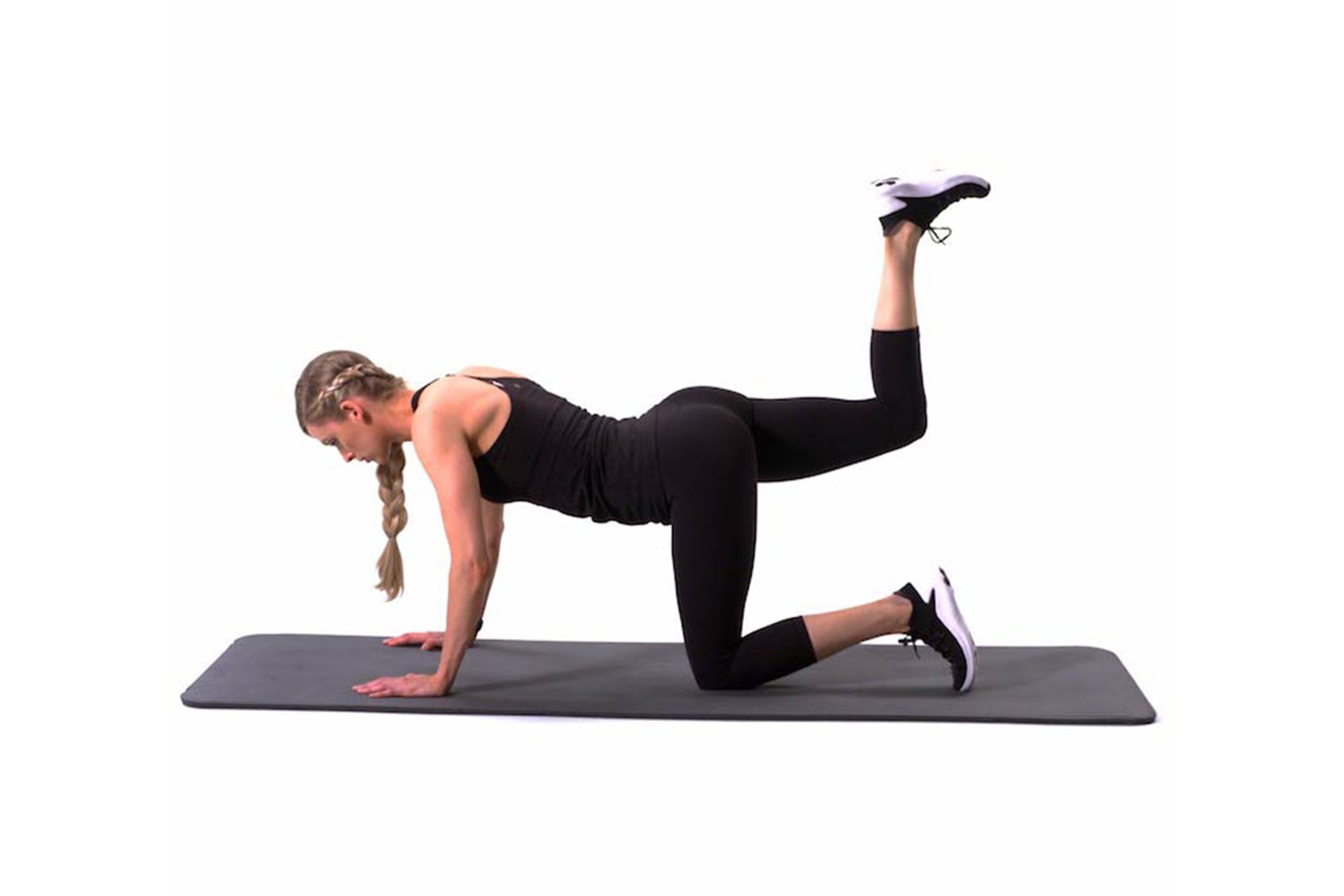
Getting the right form is crucial. Poor technique can lead to injury or wasted effort. Here’s a step-by-step guide for the basic floor version:
- Starting Position: Get on your hands and knees. Keep your hands under your shoulders and knees under your hips.
- Core Tight: Brace your stomach. Keep your back flat and head neutral.
- Kick Back: Lift one leg, keeping your knee bent at 90 degrees. Push your heel toward the ceiling.
- Squeeze Glutes: At the top, pause and squeeze your glute muscle for one second.
- Lower Down: Slowly bring your leg back to the starting position.
- Repeat: Do 10–15 reps, then switch legs.
Tips for Best Results:
- Avoid arching your back.
- Don’t swing your leg fast. Move slowly and control the motion.
- Keep your hips level. Don’t twist or rotate.
- Breathe out as you kick back, breathe in as you lower.
Floor Vs. Standing Kickbacks
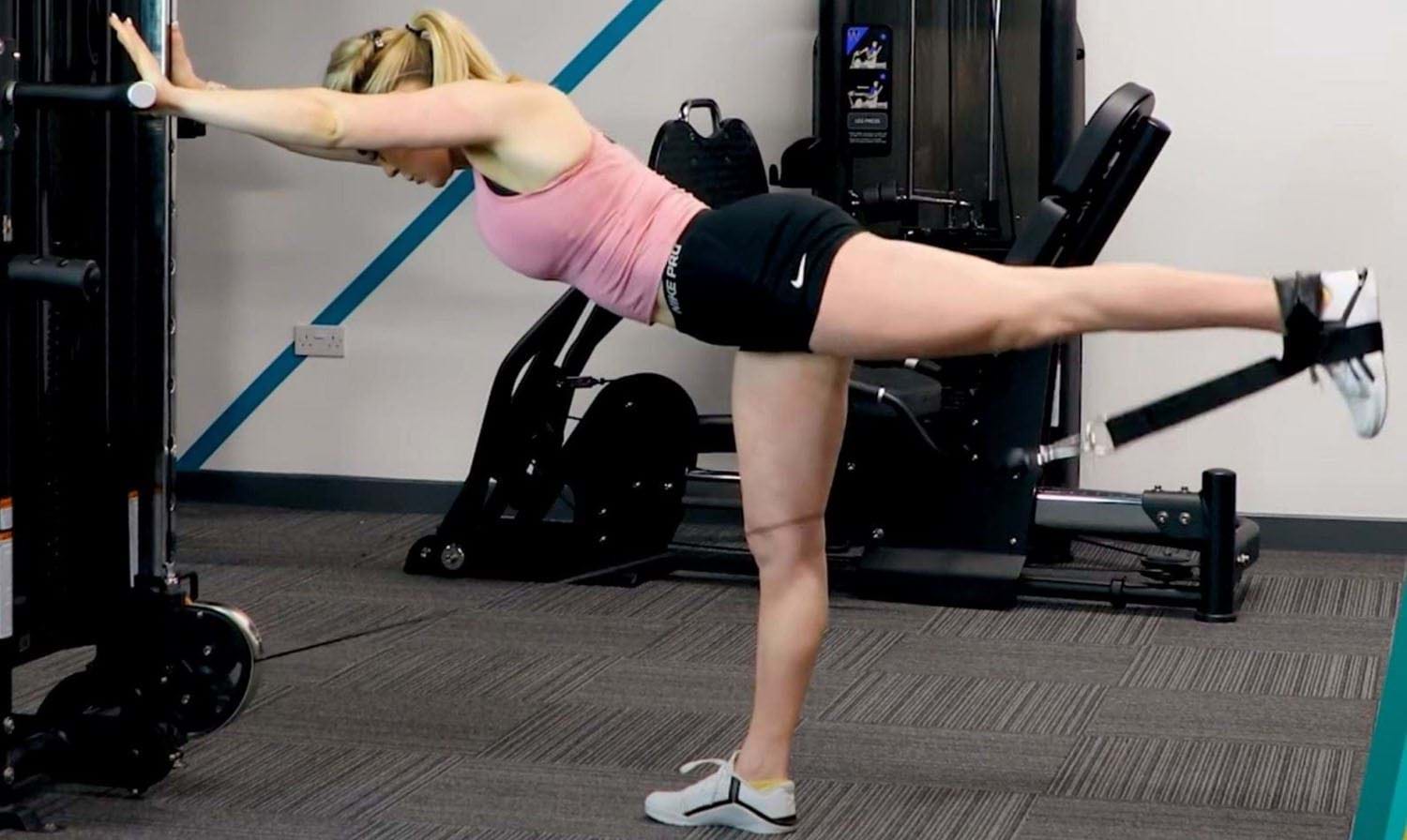
You can do kickbacks while standing, holding onto a chair or wall for balance. The movement is similar, but you keep your supporting leg straight and your body upright. Standing kickbacks use more balance and core strength.
Credit: www.puregym.com
Variations Of Glute Kickbacks
Changing your kickback method can help you target the glutes from different angles and prevent boredom. Here are the most popular variations:
1. Resistance Band Glute Kickbacks
Place a resistance band around your thighs or ankles. This adds extra tension, making your glutes work harder. Bands are cheap, easy to use, and perfect for home workouts.
2. Cable Machine Kickbacks
At the gym, you can use a cable machine. Attach the ankle strap, stand facing the machine, and kick back against the weight. This allows you to adjust resistance and track progress.
3. Donkey Kickbacks
This classic version keeps your knee bent throughout. It’s good for beginners and focuses on the upper glute.
4. Straight Leg Kickbacks
Instead of bending your knee, keep your leg straight as you kick back. This version also targets the hamstrings and lower glute.
5. Stability Ball Kickbacks
Kneel on a stability ball for extra balance challenge. This activates your core muscles and improves coordination.
6. Standing Kickbacks
Hold onto a wall or chair, and kick your leg back while standing. This version is great for those who can’t kneel or want to train balance.
7. Quadruped Kickbacks
This is the standard floor version but with extra attention on keeping your hips square and your back flat.
8. Glute Kickbacks With Dumbbells
Hold a small dumbbell behind your knee for added resistance. This is good for home workouts without bands.
Comparison: Kickbacks Vs. Other Glute Exercises
It’s important to know how glute kickbacks stack up against other popular exercises. Here’s a comparison of kickbacks, squats, and lunges:
| Exercise | Main Muscles Worked | Difficulty | Equipment Needed | Isolation |
|---|---|---|---|---|
| Glute Kickbacks | Gluteus maximus | Easy | None/Bands/Machine | High |
| Squats | Glutes, quads, hamstrings | Medium | Optional weights | Low |
| Lunges | Glutes, quads, calves | Medium | Optional weights | Medium |
Kickbacks are best for isolating the glutes, while squats and lunges work many leg muscles at once. For full glute development, combine all three in your routine.
Benefits Of Glute Kickbacks
Doing glute kickbacks regularly leads to both visible and hidden benefits. Here are some key advantages:
- Better Shape: Kickbacks help lift and shape the buttocks.
- Injury Prevention: Strong glutes protect the lower back and knees.
- Improved Balance: The exercise works stabilizer muscles.
- Functional Strength: Glutes are important for walking, running, and jumping.
- Easy on Joints: Kickbacks don’t strain the knees or hips.
- Flexible Routine: You can add kickbacks to any workout plan.
A study from the National Institutes of Health found that targeted glute exercises can improve muscle activation and reduce pain in the lower back. This is especially helpful for people who sit for long periods.
Common Mistakes And How To Avoid Them
Many beginners make errors that reduce results or cause discomfort. Here are the most frequent mistakes:
1. Arching The Lower Back
If you arch your back, the movement shifts to your spine, not your glutes. Keep your core tight and back flat.
2. Swinging The Leg
Moving too fast uses momentum, not muscle power. Slow, controlled reps are better.
3. Twisting The Hips
Letting your hips rotate takes tension away from the glutes. Keep your hips square to the floor.
4. Not Squeezing The Glutes
Pause at the top and squeeze your glute. This increases muscle activation.
5. Using Too Much Weight
Heavy weights can make you lose form. Start light and increase resistance slowly.
6. Neglecting The Core
Your abs stabilize your body. Engage your core to prevent wobbling.
:max_bytes(150000):strip_icc()/Cable-Kickback-47f64e410484455eb9edb863625da9df.jpg)
Credit: www.shape.com
How To Build A Glute Kickbacks Workout Routine
Glute kickbacks can be part of a wider glute or lower body workout. Here’s how to create a routine that works for you:
Sample Routine For Beginners
- Glute Kickbacks: 3 sets x 12 reps per leg
- Donkey Kickbacks: 2 sets x 10 reps per leg
- Standing Kickbacks: 2 sets x 15 reps per leg
Rest 30–60 seconds between sets. Do this routine 2–3 times per week.
Intermediate Routine
- Resistance Band Kickbacks: 4 sets x 15 reps per leg
- Cable Machine Kickbacks: 3 sets x 12 reps per leg
- Straight Leg Kickbacks: 2 sets x 12 reps per leg
Increase resistance as you get stronger. Add other glute exercises like bridges or step-ups.
Advanced Routine
- Weighted Kickbacks: 4 sets x 20 reps per leg
- Stability Ball Kickbacks: 3 sets x 15 reps per leg
- Single-Leg Glute Bridge: 3 sets x 12 reps per leg
Include kickbacks in your leg day with squats, lunges, and deadlifts.
Weekly Structure Example
| Day | Workout Focus | Main Exercises |
|---|---|---|
| Monday | Glutes & Hamstrings | Kickbacks, bridges, deadlifts |
| Wednesday | Legs & Core | Squats, lunges, planks |
| Friday | Glutes Focus | Kickbacks, step-ups, band walks |
This structure balances glute training with overall leg and core work.
How Many Sets And Reps Should You Do?
The right number of sets and reps depends on your goals. Here are general guidelines:
- For Toning: 2–3 sets, 12–15 reps, light resistance
- For Strength: 3–4 sets, 8–12 reps, moderate resistance
- For Growth: 4–5 sets, 12–20 reps, higher resistance
If you are new, start with fewer sets and build up as your strength improves.
Equipment For Glute Kickbacks
You don’t need fancy equipment to do kickbacks. Here are the most common tools:
- Exercise Mat: For comfort on the floor.
- Resistance Bands: Add tension, available in different strengths.
- Cable Machine: Found in most gyms, adjustable resistance.
- Stability Ball: Adds balance challenge.
- Dumbbells: For weighted kickbacks.
Choose equipment based on your fitness level and access. For home workouts, bands and mats are enough.
Glute Kickbacks For Different Fitness Levels
Kickbacks can be adjusted for anyone, from beginners to advanced athletes.
For Beginners
Start with bodyweight kickbacks. Focus on form and muscle control. Do short sets and rest often.
For Intermediate
Add bands or light weights. Increase reps and sets. Try different variations.
For Advanced
Use heavier weights, cables, or unstable surfaces (like a stability ball). Add kickbacks to your complex leg routines.
Credit: shockfitapp.com
Glute Kickbacks For Men Vs. Women
Both men and women benefit from glute kickbacks. The exercise improves shape, strength, and function. Some people believe kickbacks are “just for women,” but this is a myth. Men also need strong glutes for sports, lifting, and preventing injuries.
Men usually have larger muscles, so they may use heavier resistance. Women often focus on higher reps for shaping. The basic movement and benefits are the same for everyone.
Glute Kickbacks For Home Workouts
If you don’t go to a gym, glute kickbacks are perfect for home routines. You only need a mat and maybe a resistance band.
Tips for home workouts:
- Make sure you have enough space to kick back safely.
- Use a chair or wall for standing kickbacks.
- Clean your floor to avoid slipping.
- Try different variations for variety.
Advanced Tips For Better Results
Getting the most from your glute kickbacks involves more than doing reps. Here are some advanced tricks:
1. Mind-muscle Connection
Think about your glutes while you move. Studies show that focusing mentally on the muscle being trained increases activation.
2. Pause And Hold
At the top of each kickback, pause for 2–3 seconds. This boosts muscle tension.
3. Progressive Overload
Gradually increase resistance or reps over time. This is the key to building stronger glutes.
4. Mix Variations
Alternate between bent knee, straight leg, and banded kickbacks. This prevents plateaus.
5. Use Unilateral Training
Train one leg at a time. This balances strength and corrects muscle imbalances.
Glute Kickbacks And Injury Prevention
Weak glutes are linked to knee pain, lower back pain, and bad posture. Kickbacks strengthen your posterior chain and help protect these areas. If you have an injury, talk to a physical therapist before starting any new exercise.
Kickbacks are safe, but bad form can cause problems. If you feel pain in your back, stop and check your technique.
Incorporating Glute Kickbacks Into Full Body Workouts
Glute kickbacks are not only for glute days. You can add them to warm-ups, circuits, or full-body routines. Here’s how:
- Warm-Up: Use kickbacks to activate glutes before squats or deadlifts.
- Superset: Pair kickbacks with lunges or bridges for extra burn.
- Circuit Training: Add kickbacks between cardio moves to keep your heart rate up.
How Glute Kickbacks Fit With Cardio And Mobility Work
Kickbacks work well with cardio and flexibility training. You can do them after running or before stretching. They don’t tire you out, so you can add them to almost any workout.
Tracking Progress With Glute Kickbacks
To see real results, track your workouts. Keep a log of:
- Sets and reps
- Resistance used
- How your glutes feel after each session
You can also take progress photos every few weeks. This helps you see changes that are hard to notice daily.
Glute Kickbacks For Older Adults
Kickbacks are gentle and safe for older people. They help maintain muscle strength and balance, which reduces fall risk. Start with simple, low-resistance versions and focus on slow, controlled movement.
Glute Kickbacks In Physical Therapy
Physical therapists use kickbacks to help patients recover from injuries. The exercise is safe for rebuilding glute strength after hip, knee, or back problems. Always follow your therapist’s advice and don’t push through pain.
Real-world Examples: Who Uses Glute Kickbacks?
Many professional athletes, dancers, and fitness models include kickbacks in their routines. For example, sprinters use kickbacks to build power for running. Dancers use them for balance and shape. Even office workers do kickbacks to offset long hours of sitting.
Glute Kickbacks Vs. Hip Thrusts: Which Is Better?
Hip thrusts are another powerful glute exercise. Let’s compare them:
| Exercise | Glute Activation | Difficulty | Equipment | Best For |
|---|---|---|---|---|
| Kickbacks | Medium-High | Easy | None/Bands | Isolation, beginners |
| Hip Thrusts | Very High | Medium-Hard | Barbell/Bench | Strength, advanced |
Kickbacks are better for isolation and shape, while hip thrusts build more strength and muscle mass.
Frequently Asked Questions
What Muscles Do Glute Kickbacks Work?
Glute kickbacks mainly work the gluteus maximus. They also use the hamstrings and core muscles for stability. If you do them right, you’ll feel the burn in your buttocks.
How Many Times Per Week Should I Do Glute Kickbacks?
Most people get good results by doing kickbacks 2–3 times per week. You can add them to your glute, leg, or full body workouts.
Do Glute Kickbacks Help With Back Pain?
Yes, stronger glutes can reduce lower back pain. Kickbacks build muscle that supports your spine. However, always use proper form and talk to a professional if you have injury concerns.
Can I Do Glute Kickbacks At Home Without Equipment?
Absolutely. Bodyweight kickbacks are effective and require no equipment. A mat for comfort and a resistance band for extra challenge are helpful but not required.
Are Glute Kickbacks Better Than Squats For Shaping The Butt?
Kickbacks are great for isolating the glutes and improving shape. Squats work more muscles at once. For best results, combine both exercises in your routine.
Final Thoughts
Glute kickbacks are one of the easiest yet most effective exercises for building strong, shapely buttocks. Their simplicity means anyone can start, and their versatility keeps workouts interesting. Whether you train at home or in the gym, kickbacks help improve your posture, protect your back, and boost athletic performance.
Remember, quality is more important than quantity. Focus on form, mix up your variations, and increase resistance gradually. With consistent effort and smart training, you will see real results.
For further reading and scientific data on glute training, visit National Institutes of Health.
