

Best Glute Workout: Sculpt Stronger, Rounder Glutes Fast
Best Glute Workout
A strong and well-shaped glute is not just about looks. It improves your posture, helps you move better, and protects your lower back. Many people want round, firm glutes, but most do not know the right way to train them.
It is easy to think squats are enough, but the glute muscles need focused and varied exercises. This article will guide you to the best glute workout, including top exercises, step-by-step instructions, and practical advice. Whether you are a beginner or advanced, you will learn how to build strong glutes safely and effectively.
Understanding The Glute Muscles
The glutes are made up of three main muscles:
- Gluteus maximus: The largest, most visible muscle. It gives your butt its shape and is the main driver for hip extension.
- Gluteus medius: Located on the side of your hip. It helps with hip abduction and stabilizes your pelvis.
- Gluteus minimus: The smallest glute muscle, also on the side of your hip. It works with the medius for stability and movement.
Most glute workouts focus on the maximus, but training all three muscles is important for balance, power, and injury prevention.
Why Glute Strength Matters
Strong glutes can:
- Improve athletic performance: They power movements like running, jumping, and squatting.
- Support lower back health: Weak glutes lead to overuse of the lower back, causing pain.
- Enhance posture: Glutes help keep your pelvis in the right position, reducing slouching.
- Boost functional strength: Everyday movements like lifting, climbing stairs, and standing up rely on glute power.
Many people do not realize weak glutes can cause knee and ankle problems, as the glute muscles control leg alignment.
The Best Glute Exercises
Not all glute exercises are equal. Some target the glutes directly, while others involve supporting muscles. The following exercises are proven to activate and grow the glute muscles.
1. Hip Thrust
Hip thrusts are famous for their high glute activation. They isolate the glutes better than squats.
How to do it:
- Sit on the ground with your upper back against a bench.
- Roll a barbell over your hips (optional).
- Bend your knees, feet flat on the floor.
- Push through your heels, lifting your hips until your thighs are parallel to the floor.
- Squeeze your glutes at the top, then lower slowly.
Tips: Keep your chin tucked and avoid arching your back. Use a pad for comfort if using a barbell.
2. Glute Bridge
This is similar to a hip thrust but done without a bench.
How to do it:
- Lie on your back, knees bent, feet flat.
- Push through your heels, lift your hips up.
- Squeeze glutes at the top, lower back down.
Tips: For extra challenge, use a resistance band around your knees.
3. Bulgarian Split Squat
This single-leg exercise works the glutes, quads, and hamstrings.
How to do it:
- Stand in front of a bench.
- Place one foot behind you on the bench.
- Lower your body until your front thigh is parallel to the floor.
- Push through your front heel to stand up.
Tips: Lean slightly forward to increase glute activation.
4. Romanian Deadlift
This targets the glutes and hamstrings.
How to do it:
- Stand with feet hip-width apart, holding a barbell or dumbbells.
- Keep your knees slightly bent.
- Hinge at your hips, lowering the weights while keeping your back straight.
- Return to standing, squeezing your glutes.
Tips: Focus on hip movement, not knee bending.
5. Step-up
Step-ups are simple but effective for the glutes.
How to do it:
- Stand in front of a sturdy bench or box.
- Step one foot onto the bench, push through your heel to rise.
- Lower back down and repeat.
Tips: Use weights for added intensity.
6. Cable Kickback
Cable machines can isolate the glutes.
How to do it:
- Attach an ankle strap to the cable.
- Stand facing the machine, hold onto it for support.
- Kick your leg back, squeezing the glute.
- Return slowly.
Tips: Keep your back straight and move only the leg.
7. Clamshell
Clamshells are great for the glute medius and minimus.
How to do it:
- Lie on your side, knees bent.
- Keep feet together, lift your top knee up.
- Lower back down.
Tips: Use a resistance band for more challenge.
8. Lateral Band Walk
This exercise targets the side glutes.
How to do it:
- Place a resistance band around your thighs.
- Stand with feet hip-width apart.
- Bend knees slightly, step sideways.
Tips: Stay low and keep tension on the band.
9. Sumo Squat
Sumo squats use a wide stance to hit the inner and outer glutes.
How to do it:
- Stand with feet wider than shoulders, toes pointed out.
- Hold a dumbbell or kettlebell.
- Lower your body, keeping your back straight.
- Rise back up.
Tips: Focus on pushing knees out.
10. Single-leg Glute Bridge
This variation adds difficulty and improves balance.
How to do it:
- Lie on your back, knees bent.
- Lift one leg straight up.
- Push through your heel, lift hips.
- Lower and repeat.
Tips: Switch legs after each set.
Structuring Your Glute Workout
Designing a glute workout is more than picking exercises. You need the right order, sets, reps, and rest.
Sample Glute Workout (beginner)
- Glute Bridge: 3 sets x 12 reps
- Lateral Band Walk: 3 sets x 15 steps each side
- Bulgarian Split Squat: 3 sets x 10 reps each leg
- Clamshell: 3 sets x 15 reps each side
Rest: 60–90 seconds between sets.
Sample Glute Workout (intermediate)
- Hip Thrust: 4 sets x 10 reps
- Romanian Deadlift: 3 sets x 12 reps
- Step-Up: 3 sets x 10 reps each leg
- Cable Kickback: 3 sets x 12 reps each leg
Rest: 90 seconds between sets.
Sample Glute Workout (advanced)
- Barbell Hip Thrust: 5 sets x 8 reps
- Bulgarian Split Squat: 4 sets x 12 reps each leg
- Single-Leg Glute Bridge: 4 sets x 12 reps each leg
- Sumo Squat: 4 sets x 10 reps
Rest: 90–120 seconds between sets.
Weekly Workout Structure
You should train glutes 2–3 times per week. Leave at least one day between workouts for recovery. Overworking the glutes can lead to soreness and injury.
Choosing Resistance: Bodyweight, Bands, Or Weights?
There are many ways to add resistance to glute workouts. Each method has strengths.
| Method | Benefits | Common Exercises |
|---|---|---|
| Bodyweight | Easy for beginners, no equipment needed | Glute bridge, clamshell, single-leg glute bridge |
| Resistance Bands | Targets smaller glute muscles, portable | Lateral band walk, banded clamshell, banded squats |
| Free Weights | Builds maximum strength and size | Hip thrust, deadlift, sumo squat |
For best results, combine all three methods. Bands can be used with weights for extra activation.
Glute Activation: Why Warm-up Matters
One common mistake is jumping into hard workouts without activating the glutes. If your glutes are not "awake," your body may use other muscles instead.
How To Activate Your Glutes
- Foam rolling: Roll your glutes for 1–2 minutes to release tightness.
- Dynamic stretches: Try hip circles or leg swings.
- Activation exercises: Do banded bridges or clamshells for 2 sets x 15 reps.
This prep takes just 5–10 minutes and can make your workout more effective.
Non-obvious Insight
Most people do not realize that sitting for long periods can turn off glute muscles. If you work at a desk, activation is even more important before training.
Glute Training Mistakes And How To Avoid Them
Many people spend hours at the gym but see little glute growth. Here are mistakes to watch for:
1. Not Using Full Range Of Motion
Partial reps do not fully activate the glutes. Lower your hips all the way, and squeeze at the top.
2. Using Too Much Weight
Heavy weights can shift the work to your lower back or hamstrings. Start light, focus on technique.
3. Neglecting Mind-muscle Connection
Think about squeezing your glutes during every rep. This simple trick increases activation.
4. Skipping Isolation Work
Compound moves are great, but isolation exercises like kickbacks and clamshells target the glutes directly.
5. Overtraining
Training glutes every day can lead to fatigue. Muscles need rest to grow.
6. Poor Exercise Order
Do not start with heavy lifts. Begin with activation and lighter movements, then progress to harder exercises.
Glute Progress: Tracking And Measuring Results
Seeing progress motivates you to keep going. Tracking glute growth is not just about the mirror.
Ways To Track
- Measurements: Use a tape measure around the widest part of your hips every month.
- Strength: Record the weight or reps you lift in each exercise.
- Photos: Take progress photos from the side and back.
- Performance: Notice improvement in daily activities like climbing stairs or standing up.
Non-obvious Insight
Sometimes, your glute muscles grow but fat hides the shape. Focus on strength and performance, not just appearance.
Glute Workout Variations For Different Goals
Your goal changes how you should train your glutes.
For Muscle Growth
- Use moderate to heavy weights.
- Do 8–12 reps per set.
- Focus on hip thrusts, squats, deadlifts.
For Endurance
- Use lighter weights or bodyweight.
- Do 15–20 reps per set.
- Use banded walks, step-ups, bridges.
For Power
- Use explosive movements.
- Try jump squats, kettlebell swings, sprinting.
For Athletic Performance
- Combine strength, power, and endurance exercises.
- Mix hip thrusts, single-leg work, plyometrics.

Credit: www.fondation-enovos.lu
Glute Workout Equipment: What You Really Need
You do not need expensive machines for a good glute workout. Here is a comparison of common equipment:
| Equipment | Cost | Space Needed | Best For |
|---|---|---|---|
| Resistance Bands | Low | Small | Activation, isolation |
| Dumbbells | Medium | Medium | Strength, compound moves |
| Barbell | High | Large | Maximum glute growth |
| Cable Machine | Very High | Large | Isolation, kickbacks |
For home workouts, resistance bands and dumbbells are enough for most people.
Nutrition For Glute Growth
Exercise is just half the story. Glute muscles need the right nutrients to grow and recover.
Protein
Protein builds and repairs muscle. Aim for 1.2–1.7 grams per kilogram of body weight daily. Good sources are chicken, fish, eggs, tofu, and beans.
Carbohydrates
Carbs fuel your workouts and help muscles recover. Include rice, potatoes, oats, fruits, and vegetables.
Healthy Fats
Fats are important for hormone health, which affects muscle growth. Use olive oil, avocados, nuts, and seeds.
Hydration
Muscles need water to perform and recover. Drink enough so your urine stays light yellow.
Non-obvious Insight
After your workout, eat a meal with protein and carbs within 1–2 hours. This timing helps your glutes repair and grow faster.
Glute Training For Men Vs. Women
Some believe men and women should train glutes differently. The truth is, both can use similar exercises and methods. The main difference is often in goals:
- Women may focus more on shape and muscle tone.
- Men often aim for strength and athletic power.
Both should use hip thrusts, squats, lunges, and isolation exercises. Genetics and hormone levels affect how glutes grow, but training principles are the same.
Glute Training Without Gym Access
You can build strong glutes at home, even without equipment. Here is an effective home workout:
- Single-Leg Glute Bridge: 4 sets x 12 reps each leg
- Clamshell: 4 sets x 15 reps each side
- Sumo Squat: 4 sets x 15 reps
- Lateral Band Walk: 4 sets x 20 steps (if you have a band)
- Step-Up (use stairs): 4 sets x 12 reps each leg
Focus on slow, controlled movements and squeeze your glutes with each rep.
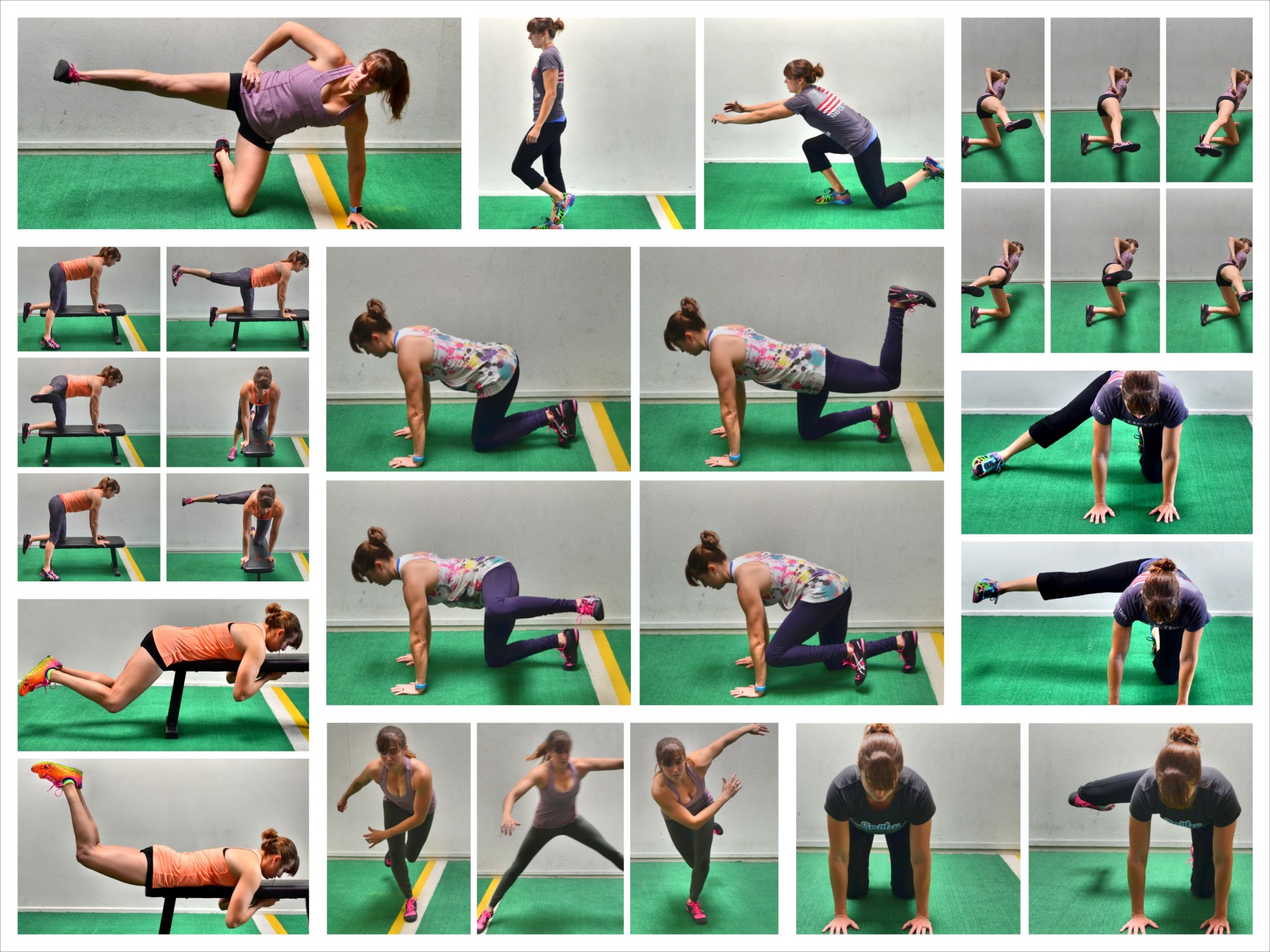
Credit: redefiningstrength.com
Advanced Glute Training Techniques
Once basic glute workouts become easy, try these methods:
1. Drop Sets
Do a set to failure, reduce the weight, and keep going. This boosts muscle growth.
2. Supersets
Pair two glute exercises back-to-back, like hip thrusts and clamshells.
3. Time Under Tension
Slow down each rep. Try a 3-second lift, hold for 2 seconds, then lower for 3 seconds.
4. Resistance Band Layering
Add a band to weighted moves for extra glute activation.
Non-obvious Insight
Advanced lifters benefit from adding unilateral (one-leg) exercises. This builds balance and prevents muscle imbalances.
Glute Workout Myths
There are many myths about glute training. Here are the most common:
- “Squats alone build glutes.” Squats work many muscles, but hip thrusts and bridges target glutes better.
- “You need heavy weights.” Bands and bodyweight can grow glutes, especially for beginners.
- “Running shapes glutes.” Running burns calories but does not build glute muscle size.
- “Machines are best.” Free weights and bands activate glutes more naturally.
Do not let myths hold you back. Choose exercises proven to build strong glutes.
Real-life Examples: Glute Transformation Stories
Example 1: Office Worker
Maria, age 30, spent years sitting at a desk. She started with bodyweight glute bridges and lateral band walks three times a week. After two months, she improved hip stability and reduced lower back pain.
Example 2: Athlete
John, a college soccer player, added hip thrusts and single-leg glute bridges to his routine. His sprinting speed increased, and he could jump higher.
Example 3: Older Adult
Linda, age 55, struggled with stairs. She used step-ups and clamshells. After three months, she climbed stairs with ease and felt less knee pain.
These examples show that anyone can benefit from glute training, regardless of age or fitness level.
Common Questions And Beginner Mistakes
Beginners often ask how fast glutes grow and what exercises are best. Here are mistakes to avoid:
- Doing only squats.
- Forgetting glute activation.
- Ignoring nutrition.
- Overtraining.
Progress takes time. Aim for small improvements each week.

Credit: www.fondation-enovos.lu
Safety And Injury Prevention
Glute workouts are safe if done correctly. Here is how to stay safe:
- Use proper form. Watch videos or ask a trainer if unsure.
- Start light. Increase weight slowly.
- Warm up before every workout.
- Listen to your body. Rest if you feel pain, not just soreness.
If you have hip, knee, or back injuries, consult a doctor or physical therapist before starting glute workouts.
Glute Workout Vs. Other Lower Body Training
Glute workouts are not the same as leg workouts. Here is a comparison:
| Workout Type | Main Muscles Used | Key Exercises |
|---|---|---|
| Glute Workout | Gluteus maximus, medius, minimus | Hip thrust, glute bridge, band walk |
| Leg Workout | Quads, hamstrings, calves | Squats, lunges, calf raises |
For best results, mix glute-focused days with full leg workouts.
How Long Does It Take To See Results?
Glute growth depends on genetics, nutrition, and training. Most people see changes in 8–12 weeks if they train consistently.
You may notice:
- Better hip stability after 2–3 weeks.
- More muscle tone after 6–8 weeks.
- Visible shape changes after 2–3 months.
Be patient. Glute muscles are large and take time to grow.
Recovery And Rest Days
Muscles grow when you rest, not during the workout. Plan 1–2 rest days after each glute session.
Recovery tips:
- Stretch your hips and legs after training.
- Use foam rolling to reduce soreness.
- Get enough sleep.
Overtraining slows progress and increases injury risk.
Frequently Asked Questions
What Is The Best Glute Exercise For Beginners?
Glute bridges are easy, safe, and effective for beginners. They target the glute muscles directly and help you learn proper hip movement. Start with bodyweight glute bridges, then progress to single-leg bridges or add resistance bands.
How Often Should I Train My Glutes?
For best results, train glutes 2–3 times per week. Give at least one day of rest between sessions. This allows your muscles to recover and grow. Training every day can lead to fatigue and slow progress.
Can I Grow My Glutes Without Weights?
Yes, you can build glute strength with bodyweight and resistance bands. Exercises like glute bridges, clamshells, and lateral band walks activate the glute muscles. As you get stronger, add bands, heavier objects, or progress to single-leg variations.
Why Are My Glutes Not Growing?
Common reasons include poor exercise form, not using enough resistance, skipping activation, or not eating enough protein. Track your progress and review your workout plan. Make sure you use full range of motion and squeeze your glutes during each rep.
Are Glute Workouts Safe For People With Back Pain?
Glute workouts can help reduce back pain if done correctly. Strong glutes support your lower back. Start with gentle exercises like glute bridges and clamshells. Avoid heavy weights until your form improves. If you have serious back pain, see a doctor before starting.
Building strong, balanced glutes takes effort and patience. With the right exercises, structure, and nutrition, you can improve your strength, posture, and confidence. Remember, consistency is key. If you want to learn more about glute science and training, check out this research paper from the NCBI. Start your journey today and see how glute workouts can change your body and life.
