

Workout Clothes Alternative: Stylish and Functional Options for Every Body
Workout Clothes Alternative
Choosing the right outfit for a workout can be more challenging than most people expect. Many believe they need to buy special gear before starting exercise, but that's not always true. In fact, there are many workout clothes alternatives you may already have in your closet. Whether you're trying to save money, reduce waste, or just need something comfortable in a hurry, there are many ways to dress for activity without buying expensive sportswear.
This article explores practical, creative, and budget-friendly alternatives to traditional workout clothes. You’ll discover what works, what doesn’t, and how to stay safe and comfortable while moving your body. If you’ve ever felt held back by not having the “right” gear, this guide will help you get started with what you have.
Why Consider Alternatives To Workout Clothes
Most fitness clothing is designed for specific activities, like running or yoga. However, not everyone can afford, access, or even wants to wear standard activewear. There are several reasons to look for alternatives:
- Cost-saving: High-quality workout clothes can be expensive.
- Sustainability: Reusing what you own means less waste.
- Immediate need: Sometimes, you want to exercise right away and can’t wait for delivery or a shopping trip.
- Personal style: Not everyone likes how athletic wear looks or feels.
Understanding your real needs can help you choose what to wear for different exercises.
What Makes Good Workout Clothing
Before picking an alternative, it’s important to know what makes clothing suitable for exercise:
- Comfort: Clothes shouldn’t restrict movement or cause irritation.
- Breathability: Sweating is natural during workouts. Breathable fabrics help keep you cool.
- Moisture management: Some materials absorb sweat, others wick it away.
- Flexibility: Stretchy clothes allow for a full range of motion.
- Durability: Frequent washing and movement can wear out clothes.
- Safety: For outdoor activities, visibility and weather protection matter.
These factors help you choose which alternatives will work best for you.
Common Alternatives To Workout Clothes
You don’t need to buy special items for every workout. Here are some practical substitutes for popular gym clothing:
T-shirts Instead Of Performance Tops
Old cotton T-shirts are one of the most common alternatives. They’re comfortable, easy to move in, and most people have plenty at home. While cotton doesn’t wick moisture as well as synthetic fabrics, it works for many low to moderate activities like walking, stretching, or home workouts.
If you sweat a lot, bring an extra shirt or choose lighter colors that show less sweat. For activities like yoga or pilates, a soft tee can be just as good as an expensive tank.
Leggings And Tights Instead Of Sports Pants
Everyday leggings, tights, or even pajama pants can substitute for running or yoga pants. Look for styles with some stretch and a snug but comfortable fit. Avoid pants with heavy seams or decorations that could rub against your skin.
Many people use their regular leggings for yoga, barre, or home cardio workouts. Just make sure the fabric is not see-through when you bend or squat.
Shorts And Sweatpants
Basketball shorts, old gym class shorts, or even casual lounge shorts can work for workouts. Similarly, soft sweatpants or joggers are suitable for cooler weather or relaxed activities.
Check that your shorts or pants allow you to move freely and won’t slip down during vigorous movement. Some people even cut old sweatpants into shorts for better ventilation.
Undershirts And Tank Tops
An undershirt or basic tank top can replace a sports top, especially for men. These tops are lightweight and allow for airflow. Women may prefer a fitted tank or camisole with some support for low-impact workouts.
If you need more support, layer a bra or fitted shirt underneath.
Regular Bras With Added Support
You don’t need a sports bra for every activity. A sturdy everyday bra, especially with a wider band and thicker straps, may offer enough support for gentle movement. Some women wear two regular bras together for extra support.
For higher-impact exercise, using a crop top or layering bras can help, but always listen to your body’s comfort.
Swimwear As Activewear
Swimsuits, especially one-piece designs, offer snug support and can work for yoga, pilates, or dance. They’re designed to stretch, stay in place, and handle sweat.
Swim trunks or board shorts also double as workout shorts for men or women, especially in hot weather or for outdoor exercise.
Pajama Bottoms And Lounge Pants
Soft pajama bottoms or lounge pants made from cotton or jersey are comfortable for stretching, yoga, or meditation. They allow plenty of movement and are gentle on the skin.
Make sure they’re not too loose to avoid tripping, especially for activities with quick changes in direction.
Everyday Hoodies And Sweatshirts
When you need an extra layer for warmth, an old hoodie or crewneck sweatshirt can replace a branded gym pullover. These are perfect for outdoor walks, warming up, or post-exercise cooldowns.
Choose something that’s easy to remove as you warm up. Avoid heavy or overly bulky items that could restrict arm movement.
Compression Wear From Other Activities
Compression socks, sleeves, or shorts used for travel or medical reasons can sometimes be used as workout gear. They offer support and help with circulation during prolonged exercise.
If you have items from previous injuries or other sports, consider repurposing them for your workouts.
Work Uniforms Or Scrubs
Some people in healthcare or service jobs use old scrubs or uniform pants for exercise. These clothes are made to be durable, flexible, and easy to wash.
Just be sure they’re clean and comfortable, and not too loose or stiff for your activity.
Footwear Alternatives For Exercise
Shoes are just as important as clothing for exercise comfort and safety. If you don’t have athletic shoes, here’s what you can use:
Everyday Sneakers
Any clean, supportive sneaker can work for walking, gym workouts, or light jogging. Look for shoes with non-slip soles and good cushioning.
Replace shoes if they’re very worn, as old shoes can cause injury.
Flat Canvas Shoes
Simple canvas shoes like slip-ons or tennis shoes work for indoor workouts, lifting weights, or cycling. They have flat soles, which can help with balance during strength training.
Avoid these for running or jumping, as they lack shock absorption.
Barefoot Or Socks
For yoga, pilates, stretching, or dance, going barefoot or wearing grippy socks can be a safe and comfortable option. Some people prefer the natural feel for better balance and foot strength.
Be sure your workout space is clean and free of sharp objects.
Hiking Boots Or Trail Shoes
For outdoor activities like hiking or trail walking, sturdy boots or trail shoes offer better support and traction than running shoes. If you already own hiking footwear, use it for outdoor workouts.
Check that the shoes fit well and don’t cause blisters on longer walks.
What To Use For Workout Accessories
Accessories can improve comfort and safety during exercise. Here are some common substitutes for gym-specific items:
Towels
A regular bath or hand towel can replace a gym towel for wiping sweat, covering benches, or doing floor exercises. Microfiber towels from the kitchen also work well.
Water Bottles
Reusable household water bottles, glass jars with lids, or even sports drink bottles can keep you hydrated. Avoid glass if there’s a risk of dropping it during intense movement.
Resistance Bands
Old tights, leggings, or pantyhose can be tied into loops for light resistance exercises. They’re not as strong as real bands but work for gentle stretching or rehab moves.
Yoga Mats
A folded blanket, large towel, or even a rug can provide padding for yoga, stretching, or core workouts. Make sure the surface is not too slippery to avoid falls.
Weights
Household items like water bottles, canned food, milk jugs, or backpacks filled with books can replace dumbbells or kettlebells for basic strength training.
Comparing Alternatives: Pros And Cons
Sometimes it helps to see how these substitutes compare to regular workout clothes. Here’s a useful overview:
| Alternative | Best For | Main Limitation |
|---|---|---|
| Old T-Shirts | Walking, stretching, home cardio | Holds sweat, dries slowly |
| Leggings/Lounge Pants | Yoga, pilates, dance | May become see-through or too loose |
| Pajama Bottoms | Meditation, gentle stretching | Too loose for fast movements |
| Undershirts/Tanks | Low-impact exercise | Less sweat-wicking |
| Swimwear | Yoga, hot weather, outdoor | May feel tight for some |
How To Choose The Right Alternative For Your Workout
Not every alternative works for every exercise. Here are steps to help you decide:
- Match the activity: Running and weight training need more support than gentle stretching.
- Test movement: Try jumping, squatting, or stretching in your clothes before you start.
- Check for safety: Make sure nothing is too loose, long, or slippery.
- Layer if needed: Layering can add support or warmth, but avoid overheating.
- Monitor comfort: If you notice rubbing, overheating, or discomfort, try something else.
Safety And Hygiene Tips
Wearing non-traditional workout clothes means you need to pay extra attention to comfort and cleanliness:
- Wash clothes after every workout, especially if you sweat a lot.
- Avoid clothes with metal parts or zippers that could scratch you.
- Choose lighter colors for outdoor activities to reflect heat.
- If using household items as weights, check they’re secure to prevent spills or injuries.

Credit: www.deathnfriends.com
Sustainability And Eco-friendly Choices
Choosing alternatives is not just about saving money; it’s also about reducing waste. Here’s how you can make your workout wardrobe greener:
- Repurpose old clothes before throwing them away.
- Swap or share gear with friends or family.
- Donate items you no longer need.
- Buy second-hand if you do need to add something new.
These steps help reduce your environmental footprint while staying active.
When You Shouldn’t Use Alternatives
There are times when traditional workout clothes are the safer choice:
- High-intensity sports: Running, competitive sports, or long-distance cycling usually need proper support and sweat-wicking.
- Extreme weather: Technical fabrics protect you in very hot, cold, or wet conditions.
- Group classes or gyms: Some gyms have dress codes for safety and hygiene.
Listen to your body. If you notice skin irritation, overheating, or poor performance, consider investing in some basic athletic wear.
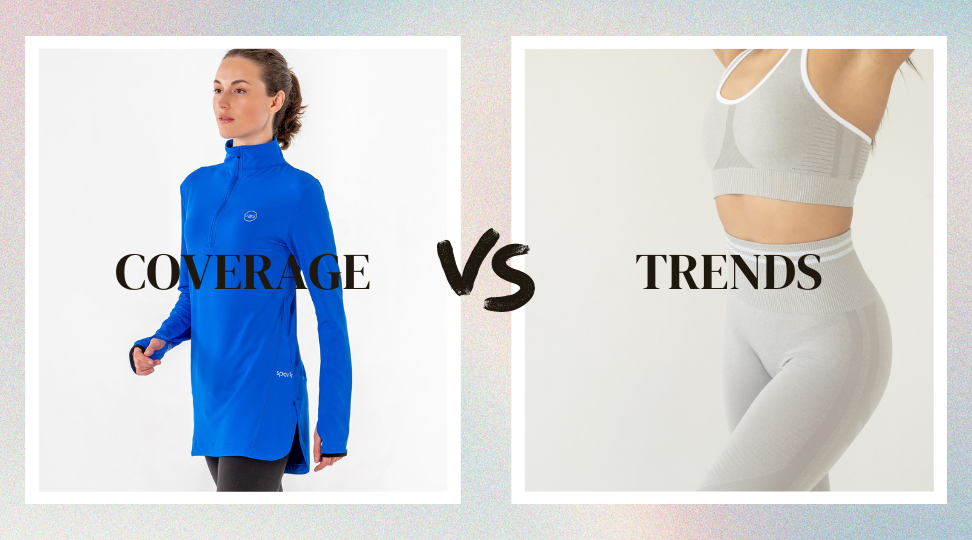
Credit: www.veilgarments.com
How Workout Clothes Evolved And Why It Matters
The rise of modern activewear is not just about fashion. Sports brands use research to design clothing that supports performance, reduces injuries, and keeps you comfortable. For example, synthetic blends wick sweat better, and seamless designs prevent chafing.
However, you don’t need these features for every type of movement. For most people starting at home, comfort and freedom of movement are more important.
Creative Ideas: Upcycling And Diy
If you enjoy crafts, try turning old clothes into something new for your workouts:
- Cut old leggings into shorts.
- Add elastic bands to loose pants.
- Sew patches or reinforcements on areas that wear out.
- Decorate plain shirts for motivation.
DIY options give your clothes a second life and let you personalize your workout style.
Real-life Examples: How People Use Alternatives
Many people use alternatives without even realizing it. Here are a few examples:
- Parents at home: Use pajama pants and T-shirts for quick morning stretches.
- Students in dorms: Repurpose loungewear for group workouts.
- Busy professionals: Change into undershirts and comfortable pants for lunchtime walks.
- Outdoor enthusiasts: Hike in old cargo pants and layers instead of specialized gear.
These examples show that you don’t need perfect clothing to get moving.
How Alternatives Can Help You Start A Fitness Habit
One barrier to starting exercise is the belief that you need special gear. By using alternatives, you remove this obstacle. You can begin with what you have, test what you like, and invest in better gear later if needed.
Some people even find that working out in their favorite old clothes makes them feel more relaxed and less self-conscious.

Credit: www.deathnfriends.com
Summary Table: Best Alternatives By Activity
Here’s a quick reference for what to wear for different workouts:
| Activity | Top Alternative | Footwear |
|---|---|---|
| Yoga/Pilates | Leggings, tank top, swimwear | Barefoot or grippy socks |
| Walking | T-shirt, sweatpants, shorts | Sneakers or trail shoes |
| Strength Training | Fitted T-shirt, leggings | Flat shoes or sneakers |
| Dance/Aerobics | Tank, leggings, shorts | Sneakers or barefoot (if safe) |
| Stretching/Meditation | Pajama pants, loose top | Barefoot |
Non-obvious Insights To Make The Most Of Alternatives
- Testing at Home First: Before taking your alternative outfit to a gym or public space, try a full workout at home. This helps identify any discomfort, transparency, or slipping.
- Layer for Sweat Management: If your clothes don’t wick sweat, layering with a thin, moisture-absorbing tank underneath can help keep you drier and more comfortable.
Many beginners miss these details and end up feeling awkward or distracted during exercise.
When To Invest In Specialized Workout Clothes
Alternatives are great for starting out or for certain activities, but consider proper workout clothing if you:
- Exercise outdoors in extreme weather.
- Join a gym with a dress code.
- Train for a specific sport or event.
- Experience skin irritation or injury from regular clothes.
Invest in one or two essential pieces first, like a good sports bra or supportive sneakers. You can add more as your routine grows.
Where To Find More Guidance
For those interested in deeper research on exercise clothing and physical activity, the Centers for Disease Control and Prevention (CDC) offers tips on safe, healthy movement for all ages.
Frequently Asked Questions
What Are The Best Alternatives To Sports Bras For Support?
For low-impact activities, a sturdy everyday bra or a fitted tank top with built-in support can work. For more support, wear two bras together or layer a crop top over your bra. Listen to your comfort and avoid any digging or pinching.
Can I Exercise In Jeans Or Denim Shorts?
It’s not recommended. Denim is stiff and does not stretch well, which can limit movement and cause chafing. Choose leggings, shorts, or sweatpants instead for better comfort and safety.
How Do I Keep My Alternative Workout Clothes From Getting Too Sweaty Or Smelly?
Wash them after each use, use lighter colors to hide sweat, and layer with moisture-absorbing undershirts if needed. Allow clothes to dry fully before storing them.
Are There Any Risks To Using Household Items As Workout Equipment?
Yes, be cautious. Make sure items like water bottles or backpacks are securely closed and won’t break during use. Avoid sharp or breakable objects, and always check the weight before lifting.
Do I Need Special Shoes For Working Out At Home?
Not always. For most home workouts, clean sneakers, flat canvas shoes, or even bare feet work well. For running or jumping, supportive athletic shoes reduce injury risk. Always check your floor for safety before going barefoot.
Finding alternatives to traditional workout clothes opens up more possibilities for staying active, no matter your situation. You don’t need to wait for the perfect gear to get started—what matters most is movement, comfort, and consistency. Try different options, pay attention to your body, and enjoy the freedom to move your way.
