

Will Gym Clothes Shrink in the Dryer? What You Need to Know
Will Gym Clothes Shrink In The Dryer
When you invest in gym clothes, you expect them to last through hundreds of workouts. You want them to fit well, keep you comfortable, and look good after many washes. But after drying your favorite leggings or shirt, you suddenly notice—they feel tighter, shorter, or just “off.” Shrinking is a common worry, but why does it happen? Is it unavoidable, or can you keep your activewear in perfect shape?
Understanding whether gym clothes shrink in the dryer is not just about saving money—it’s about comfort, performance, and getting the most from your gear. This article looks deeply at what happens to gym clothes in the dryer, why different fabrics react differently, and how you can prevent unwanted changes in size or shape.
You’ll also learn practical tips, common mistakes, and how to choose the right gym clothes for your routine.
What Causes Gym Clothes To Shrink?
It’s easy to blame the dryer, but shrinking is a bit more complex. The main cause is how heat and mechanical action affect the fibers inside your clothes.
- Heat: High temperatures can change the structure of fibers, especially natural ones like cotton. When fibers are heated, they relax, then tighten up as they cool, leading to shrinkage.
- Moisture: Water makes fibers swell. When that moisture is quickly removed in a hot dryer, fibers can snap back to a smaller shape.
- Mechanical Agitation: The tumbling in a dryer rubs fibers together, making them more likely to contract.
Most gym clothes are made from synthetic materials—polyester, nylon, spandex, or blends. These fibers are often more heat-resistant, but not immune to shrinking. Manufacturers sometimes use pre-shrinking processes, but not always.
How Different Fabrics React In The Dryer
Your gym clothes aren’t all made from the same stuff. Each fabric type has its own reaction to the dryer.
| Fabric Type | Shrinkage Risk | Dryer Safety |
|---|---|---|
| Cotton | High | Low heat or air dry recommended |
| Polyester | Low | Moderate heat usually safe |
| Nylon | Medium | Low heat only |
| Spandex (Lycra, Elastane) | High (with heat) | Air dry strongly recommended |
| Blends (Poly/Cotton, etc.) | Medium | Check label, use low heat |
Cotton
Cotton is popular for gym t-shirts and some joggers. It’s breathable, soft, and affordable. But cotton fibers are very sensitive to heat and moisture changes. When you put a cotton shirt in a hot dryer, it can shrink by up to 20%. This is why your shirt may fit perfectly after washing, but tighter after drying.
Polyester
Polyester is the most common gym fabric. It’s strong, quick-drying, and holds its shape well. Pure polyester usually doesn’t shrink much in the dryer, unless exposed to very high heat. However, repeated high-heat cycles can cause it to lose elasticity and become misshapen.
Nylon
Nylon is used in some performance wear for its strength and stretch. It’s more sensitive to heat than polyester, and may shrink slightly or lose its smooth feel if dried on high settings.
Spandex (elastane, Lycra)
Spandex gives gym clothes their stretch. It’s often blended with other fibers. Spandex can break down with heat, leading to shrinkage or loss of stretch. That’s why leggings or compression shirts may feel tighter or less flexible after improper drying.
Blends
Many gym clothes use blends—like polyester-cotton or nylon-spandex. These fabrics combine the strengths of each fiber, but also their weaknesses. If the blend contains cotton or spandex, it’s more likely to shrink in the dryer.
Why Gym Clothes Shrink: The Science
Understanding the science behind shrinking helps you protect your clothes. Let’s look at what’s happening inside the fibers.
Fiber Structure
- Natural fibers (like cotton) are made of long chains that twist and coil. Heat lets them relax, and as they cool, they tighten up—making the fabric smaller.
- Synthetic fibers (like polyester or nylon) are made from chemicals, which are set during manufacturing. They are more stable, but can still change shape when exposed to enough heat.
Tension From Manufacturing
During the making of gym clothes, fibers are pulled tight. When you wash and dry them, especially with heat, they try to return to their original, relaxed state. This is called fabric relaxation shrinkage.
Residual Shrinkage
Even if a fabric is “pre-shrunk,” it may still shrink a little more with repeated drying. This is called residual shrinkage, and it’s especially common in blends.
The Role Of Dryer Settings
The dryer is not always the enemy—but how you use it makes a big difference. Not all settings are equal.
| Dryer Setting | Heat Level | Effect on Gym Clothes |
|---|---|---|
| High Heat | Very Hot | High risk of shrinking/spandex damage |
| Medium Heat | Warm | Safer for polyester, risky for blends |
| Low Heat | Cool | Best for most gym clothes |
| Air Dry/Fluff | No Heat | Safest, but takes longer |
Using high heat can shrink, warp, or even melt synthetic fibers over time. Low heat or air drying is safest for most activewear.
Common Gym Clothes And Their Shrinkage Risks
Different types of gym clothes have different risks. Here’s how the most common items behave in the dryer:
T-shirts And Tanks
- Cotton or cotton blends: High risk. Expect shrinkage unless you use low heat.
- Polyester: Low risk, but can lose shape if over-dried.
Leggings And Yoga Pants
- Usually made from polyester-spandex or nylon-spandex blends.
- Spandex can shrink or lose stretch with heat—always air dry or use lowest heat.
Sports Bras
- Often contain a high percentage of spandex.
- Dryer can break down elastic fibers, leading to loss of support and fit.
Shorts
- Cotton shorts: Shrink easily.
- Synthetic shorts: Usually hold shape, but be careful with trims or waistbands.
Hoodies And Sweatshirts
- Cotton or blends: Can shrink significantly, especially after first few washes.
- Performance blends: Check label, but lower heat is safer.
Reading Care Labels: What To Look For
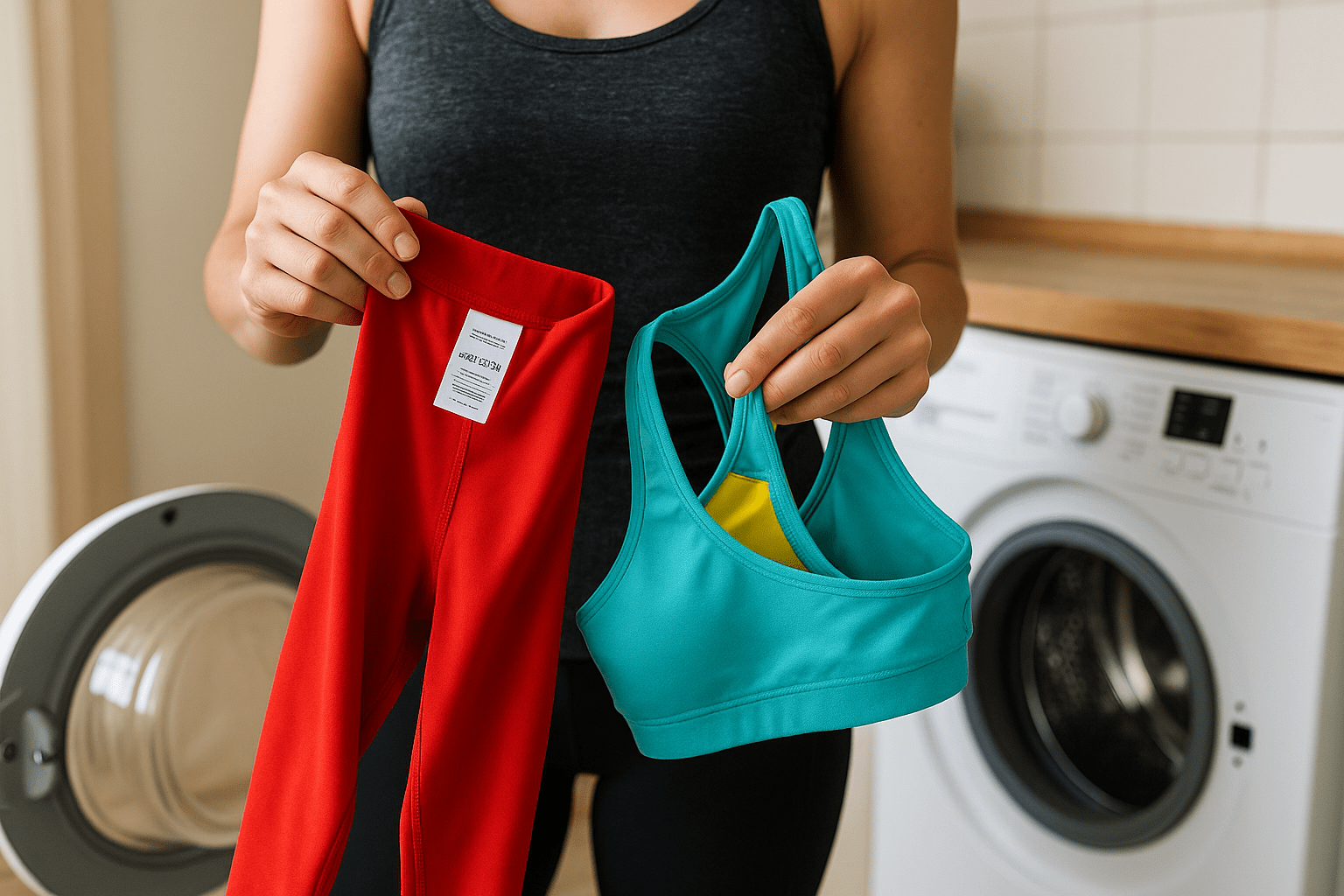
Many people ignore the care label inside their gym clothes, but it’s the best guide to avoiding shrinkage. Here’s what to check:
- Washing temperature: “Cold wash only” means the fabric is sensitive to heat.
- Drying instructions: “Tumble dry low” or “Lay flat to dry” is a sign of shrinkage risk.
- Ironing instructions: If it says “Do not iron,” avoid high dryer heat—same risk.
- Fiber content: More than 10% spandex/elastane? Air dry for safety.
If you cut out the label, check the brand’s website or similar items for guidance.

Credit: greenllamaclean.com
How To Prevent Gym Clothes From Shrinking In The Dryer
You don’t have to stop using your dryer completely, but you do need to be smart. Here’s how:
- Sort by fabric type: Wash and dry similar materials together.
- Use cold water: Hot water can start the shrinking process before drying.
- Choose low heat: Always select “low” or “delicate” for gym clothes.
- Remove promptly: Don’t let clothes over-dry in the machine. Take them out while slightly damp.
- Air dry when possible: Lay flat or hang gym clothes, especially leggings, bras, and anything with spandex.
- Avoid dryer sheets: They can coat fibers and reduce stretch.
- Turn clothes inside out: Reduces friction and helps keep colors bright.
Non-obvious Tips
- Use a mesh laundry bag: It protects delicate items from rough tumbling.
- Don’t overload the dryer: Crowded dryers create more friction, increasing shrink risk.
When Shrinking Gym Clothes Is Useful
There are times when you might want your gym clothes to shrink—maybe you bought the wrong size or your shirt is stretched out. Here’s how to do it safely:
- Wash in hot water, but only if the fabric is mostly cotton.
- Use medium or high heat in the dryer, but check every 10 minutes.
- Never try this with spandex-heavy items—they may lose shape or become see-through.
Even then, shrinking is not precise. You might end up with uneven results or damage, so it’s often safer to exchange for the right size.
Real-world Examples
Example 1: Polyester Leggings
A customer washed her polyester-spandex leggings on hot and dried them on high heat. The leggings came out tighter and less stretchy. She noticed pilling and a shiny, plastic-like feel. The cause? Heat damaged the spandex, not just shrinking but changing the fabric texture.
Example 2: Cotton T-shirt
After drying a 100% cotton t-shirt on high heat, it became almost a size smaller. The sleeves were noticeably shorter. This kind of shrinkage is common, especially after the first drying cycle.
Example 3: Nylon Shorts
A pair of nylon gym shorts was dried on medium heat. No major shrinking, but after several cycles, the waistband became wavy and less elastic. Heat gradually broke down the waistband’s elastic fibers.
Why Some Gym Clothes Don’t Shrink
Some activewear seems immune to shrinking. There are several reasons:
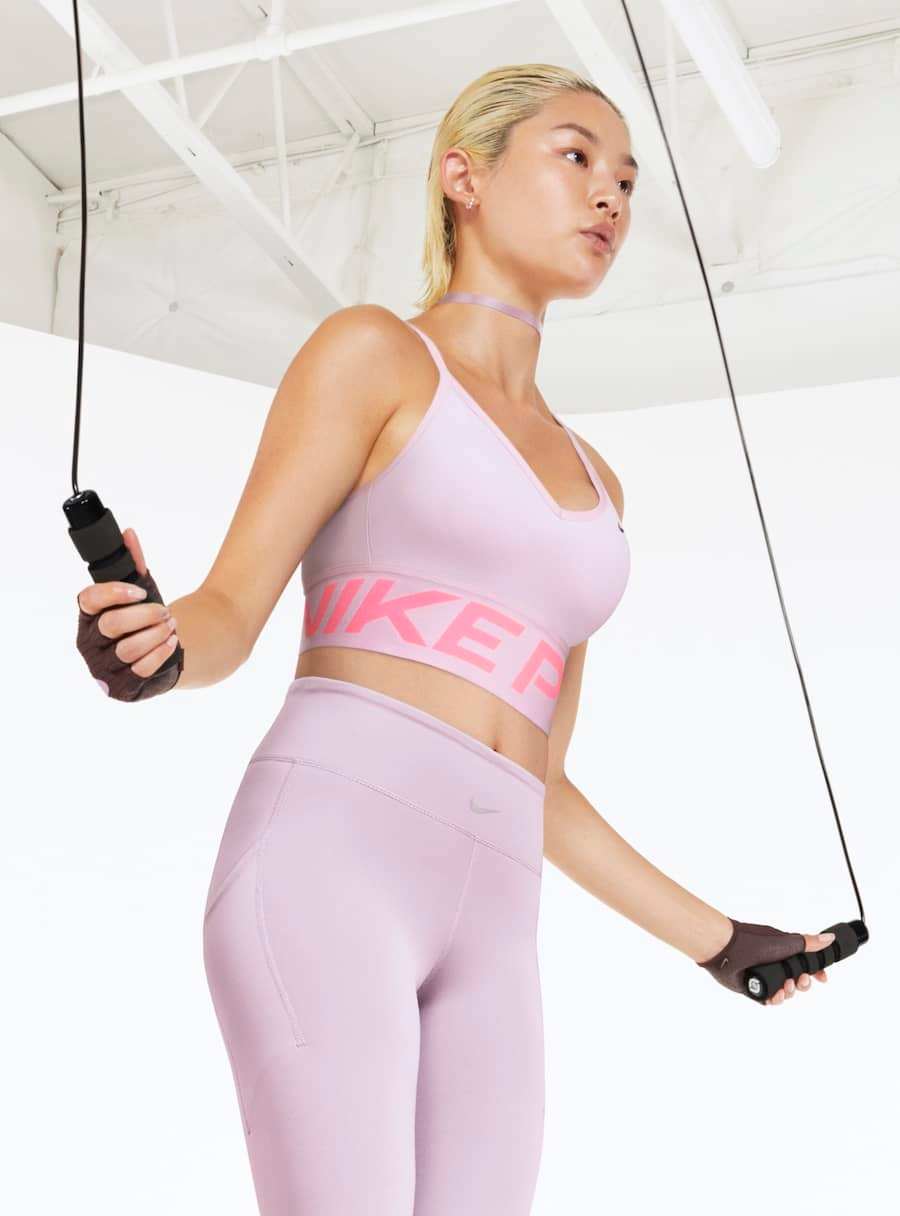
- High-quality synthetics: Premium polyester or nylon is engineered to resist shrinking.
- Pre-shrunk fabrics: Some brands pre-treat their clothes to stabilize the size.
- Moisture-wicking coatings: These can help fibers resist changing shape.
But even these fabrics can slowly degrade or lose stretch with repeated heat exposure.
Credit: www.nike.com
Buying Gym Clothes That Won’t Shrink
If shrinkage is a constant headache, choose your gym clothes carefully. Here’s what to look for:
- High polyester content: 90% or more is very stable.
- Minimal cotton or viscose: Reduces shrink risk.
- Quality spandex blends: Look for Lycra or branded elastane, which resists heat better.
- Moisture-wicking features: These tend to be less sensitive to heat.
- Reinforced seams and waistbands: Less likely to twist or pucker.
Always read reviews, and if possible, check the care instructions before you buy. Some brands post detailed fabric care guides online.
Mistakes That Lead To Shrinking
Many people accidentally shrink their gym clothes by making these common mistakes:
- Using high heat: Most dryers default to high—always check the setting.
- Ignoring the care label: Not all gym clothes are the same.
- Over-drying: Leaving clothes in the dryer too long.
- Washing with towels or jeans: These heavy items cause more agitation.
- Using bleach: Can weaken fibers, making shrinkage more likely.
Avoiding these mistakes helps your gym clothes last longer and fit better.
The Hidden Costs Of Shrinking Gym Clothes
Shrinking does more than just make clothes smaller:
- Wasted money: Constantly replacing gym clothes adds up.
- Poor performance: Tight or misshapen clothes can restrict movement.
- Reduced confidence: Uncomfortable fit can distract you during workouts.
- Environmental impact: Throwing away shrunken clothes increases waste.
Treating your clothes well is better for your wallet, your workouts, and the planet.
Restoring Shrunken Gym Clothes: Is It Possible?
If you’ve already shrunk your favorite gym shirt or leggings, is there hope? Sometimes.
For Cotton
- Soak in lukewarm water with baby shampoo or conditioner for 30 minutes.
- Gently stretch back to shape.
- Lay flat to dry.
This method can add back some length or width, but not always perfect.
For Synthetics
- Soaking rarely helps. Once polyester or spandex shrinks, it’s usually permanent.
- Extreme stretching can damage the fibers further.
In most cases, prevention is better than repair.
Credit: sportek.com
Washing And Drying Gym Clothes: Best Practices
Here’s a quick routine to keep your gym clothes safe:
- Turn inside out before washing.
- Cold water, gentle cycle in the washer.
- Skip the fabric softener—it can block moisture-wicking.
- Remove immediately after washing.
- Air dry or use the lowest dryer setting.
- Store flat or hang—avoid folding tightly, which can crease elastics.
By following this, you’ll protect fit, stretch, and color.
How Shrinking Affects Performance
It’s not just about fit—shrinking changes how your clothes perform.
- Compression wear: If leggings or shirts shrink, they can become too tight, cutting off circulation or making movements harder.
- Sports bras: Loss of elasticity means less support, which can lead to discomfort or injury.
- Moisture-wicking: Shrunken fabric may not wick sweat as well, leaving you damp and uncomfortable.
- Range of motion: Tight sleeves or legs restrict stretching and bending.
This is why many serious athletes are careful to avoid dryer damage.
Brands And Shrinkage: Do Expensive Gym Clothes Shrink Less?
It’s a common belief that pricier brands use better materials and won’t shrink. This is only partly true.
- High-end brands often use advanced synthetics, pre-shrunk fabrics, and better construction.
- Budget brands may use cheaper blends or skip pre-shrinking.
However, no fabric is invincible if you use high heat often. Even top brands recommend gentle drying.
Gym Clothes Vs. Regular Clothes: Are They Really That Different?
Gym clothes are designed to handle sweat, stretching, and movement. Compared to regular clothes:
- More synthetic fibers: Less likely to shrink, more likely to lose shape with heat.
- More spandex: Sensitive to high temperatures.
- Special coatings: Can be damaged by dryer sheets and high heat.
Treating gym clothes like regular laundry is a common mistake. They need extra care.
Is Air Drying Always Best?
Air drying is the safest method for all gym clothes, especially those with spandex or elastane. It prevents heat damage, maintains elasticity, and reduces wear. The downside? It takes more time and space.
If you must use a dryer, choose the lowest heat and remove clothes while still slightly damp. Finish air drying flat or on a hanger.
Environmental Impact: Why Care Matters
Protecting your gym clothes isn’t just about saving money. When clothes shrink, stretch out, or wear out early, they end up in landfills. Synthetic fibers can take hundreds of years to break down.
By caring for your activewear—washing less often, air drying, and avoiding unnecessary replacements—you lower your environmental footprint.
Should You Ever Use The Dryer For Gym Clothes?
Sometimes, convenience matters. If you’re in a hurry, use the dryer on low or no heat, and dry for as short a time as possible. Always check if your clothes are safe for tumble drying.
If you’re unsure, air drying is always the safer choice.
Industry Advice And Research
The American Cleaning Institute and major sportswear brands agree: air drying or using low heat extends the life and performance of gym clothes. Studies also show that heat exposure reduces elasticity in spandex by up to 50% after repeated cycles.
For more details, see this Wikipedia article on spandex.
Frequently Asked Questions
Will My Gym Clothes Shrink The First Time I Dry Them?
Many gym clothes, especially those with cotton or spandex, may shrink slightly the first time you dry them—especially on high heat. Synthetic fabrics like polyester usually shrink less, but always check care labels and use low heat for the first dry.
Can I Use A Dryer Sheet With My Gym Clothes?
It’s better to avoid dryer sheets. They can coat the fabric, reducing breathability and moisture-wicking. This is especially important for performance wear with special finishes or spandex.
My Gym Leggings Feel Tighter After Drying. Are They Ruined?
If leggings feel tighter after drying, the spandex or elastic fibers may have shrunk or lost some stretch. Try washing again and air drying. If they’re still tight, the change is likely permanent.
What’s The Safest Way To Dry Sports Bras?
Always air dry sports bras. Lay them flat on a towel, reshape the cups and straps, and let them dry naturally. Avoid hanging by the straps, as this can stretch them out.
Do Gym Clothes Shrink More Than Regular Clothes?
Not always, but they are more sensitive to heat because of spandex and elastic fibers. Regular clothes made from 100% cotton might shrink more, but gym clothes can lose shape or function if not cared for properly.
Taking good care of your gym clothes keeps them fitting well, helps you perform your best, and saves you money over time. By understanding fabrics, using the right dryer settings, and following smart practices, you can avoid the frustration of shrinking—and enjoy your workouts with confidence.
