

Will Gym Clothes Shrink in the Dryer? Essential Care Tips
Will Gym Clothes Shrink In The Dryer
Stepping out of the gym, you toss your sweaty clothes straight into the wash. Later, you grab them from the dryer, only to find your favorite leggings tighter, your shirt a little shorter, or your once-comfortable shorts now hugging your skin. Many people have had this experience and often wonder: Will gym clothes shrink in the dryer? The short answer is, yes—they can. But the reality is more complex.
The fabrics used in gym wear are different from everyday cotton clothes. Brands promise sweat-wicking, flexibility, and durability, but these features don’t always mean “shrink-proof. ” Many gym-goers, both new and experienced, are surprised when their expensive activewear changes shape after one round in the dryer.
Understanding why this happens, how to prevent it, and what to do if your clothes shrink can save you money and frustration.
In this detailed guide, we’ll explore what causes gym clothes to shrink, the science behind fabric behavior, and practical steps to keep your workout gear fitting perfectly. Whether you’re a fitness beginner or a seasoned athlete, you’ll learn how to care for your activewear and avoid common mistakes that can ruin your investment.
The Main Fabrics In Gym Clothes
Not all gym clothes are created equal. The materials chosen by brands shape how your clothes behave in the wash and the dryer. Understanding these fabrics is the first step to preventing shrinkage.
Polyester
Polyester is one of the most common materials in athletic wear. It’s lightweight, dries quickly, and is resistant to shrinking compared to natural fibers. However, at high heat, even polyester can lose its shape or slightly shrink. Many polyester blends are mixed with spandex or elastane for stretch, which can react differently to heat.
Spandex (elastane Or Lycra)
Spandex is famous for its stretch and recovery. It’s what gives your leggings or compression shirts their flexible feel. Spandex on its own is generally resistant to shrinking, but it can lose elasticity when exposed to high dryer temperatures. Over time, the fabric may become less stretchy or fit more tightly.
Nylon
Nylon is smooth, strong, and often used in sports bras and seamless workout clothes. Like polyester, it resists shrinking but can be damaged by high heat. Nylon can also become misshapen if dried at a high temperature.
Cotton
Some gym wear, especially older styles or budget options, use cotton or cotton blends. Cotton is soft and breathable, but it’s notorious for shrinking, especially when washed in hot water or dried at high heat.
Blends
Most gym clothes are made from fabric blends. For example, a shirt may be 60% polyester and 40% cotton, or leggings could mix nylon and spandex. Each blend has its own care needs. A blend can shrink more or less depending on the percentage of each material and how they’re woven.
Why Do Gym Clothes Shrink In The Dryer?
Shrinkage happens when heat, moisture, and motion combine to change the structure of fibers. The dryer is the perfect storm for this. But the way each fabric responds is different.
Heat
High temperatures cause fibers to contract. For natural fibers like cotton, the molecules tighten up, making the fabric smaller. Synthetic fibers like polyester and nylon can melt or deform if the heat is extreme, leading to shrinkage or warping.
Moisture
Water helps fibers move and relax. When clothes are wet, the fabric is more flexible. If you put wet gym clothes in a hot dryer, the combination can rearrange the fibers and cause them to shrink as they dry and cool.
Agitation
The tumbling motion in the dryer also affects fabric. It can cause fibers to rub and bind together, especially in natural materials. While synthetic fibers are less sensitive, aggressive drying cycles can still cause some change in shape or size.
Repeated Cycles
Shrinkage is often gradual. Clothes may not shrink noticeably after one cycle, but repeated exposure to high heat and agitation can add up. Over time, you might find your favorite gym shirt getting shorter or your leggings fitting tighter.
How Different Fabrics React To Dryer Heat
Let’s compare how common gym fabrics respond to the dryer. This overview can help you predict what might happen to your clothes.
| Fabric | Shrinkage Risk | Recommended Dryer Setting |
|---|---|---|
| Polyester | Low to Medium | Low heat or air dry |
| Spandex (Elastane) | Low, but can lose elasticity | Low heat or air dry |
| Nylon | Low | Low heat or air dry |
| Cotton | High | Low heat or air dry (avoid high heat) |
| Polyester/Cotton Blend | Medium | Low heat |
| Nylon/Spandex Blend | Low to Medium | Low heat |
Notice that almost every fabric recommends low heat or air drying. This is not a coincidence. High heat is the main cause of shrinkage and damage for most gym clothes.
Brand Differences: Are Some Gym Clothes More Shrink-proof?
Many people trust certain brands for quality, but even top names cannot defy the laws of fabric science. However, how gym clothes are made can make a difference.
Premium Brands
Brands like Nike, Adidas, Lululemon, and Under Armour often use advanced blends and technology to make their fabrics more resistant to heat, pilling, and shrinkage. For example, some brands pre-shrink their fabrics or use special finishes that help maintain shape.
Budget Brands
Cheaper gym clothes may use lower-quality fabric blends. These are more likely to shrink or lose shape, especially if they have a high cotton content or weak stitching.
Fit And Cut
Slim-fit or compression styles may feel tighter after even a small amount of shrinkage. Looser clothes might not show the difference right away, but the fabric can still degrade.
Labels And Care Tags
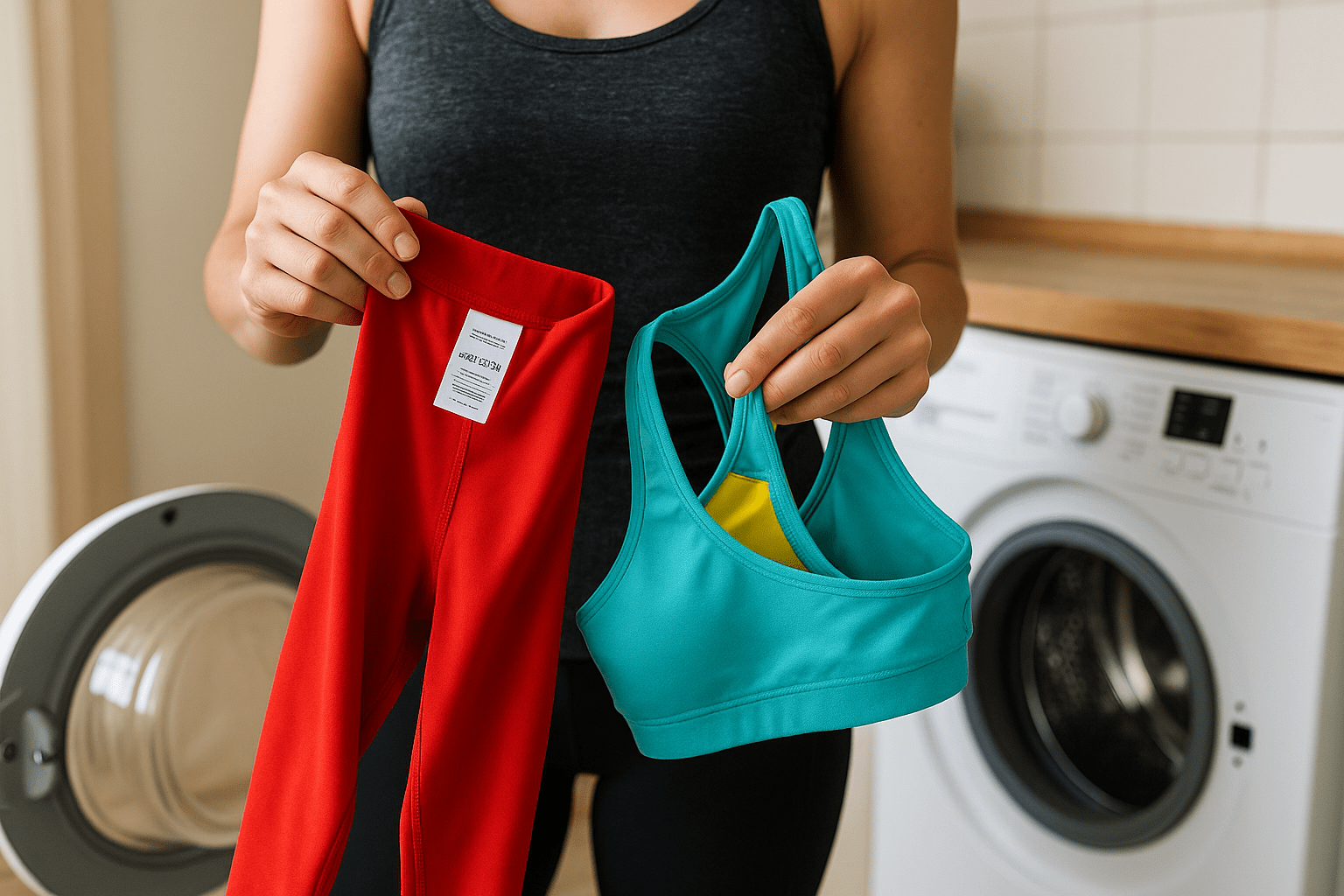
Always check the care label on your gym clothes. Premium brands often give detailed care instructions, which are important to follow. Ignoring them increases the risk of shrinkage.
Credit: sportek.com
The Science Of Fabric Shrinkage
Understanding the science behind shrinkage can help you make better laundry choices.
Relaxation Shrinkage
When fabrics are made, fibers are pulled and stretched tightly. Washing and drying allow them to relax, causing the fabric to shrink to its natural state. This is most common with cotton but can happen with other fibers too.
Felting Shrinkage
This type happens mainly in wool, but it can affect blended athletic fabrics that use natural fibers. Agitation in the dryer makes fibers bind together, causing irreversible shrinkage.
Thermal Shrinkage
High heat causes synthetic fibers like polyester and nylon to contract or deform. While not technically “shrinkage” in the way cotton behaves, the result is the same: clothes become smaller or lose their shape.
Real Examples: What Happens To Gym Clothes In The Dryer?
Let’s look at how some common gym clothes react to the dryer, based on real-world experiences and tests.
- Polyester Leggings: After one cycle on high heat, leggings made of 90% polyester and 10% spandex might shrink by 2-3% in length. Over time, repeated high-heat drying can reduce stretch and make them feel tighter.
- Cotton Gym T-Shirts: A cotton shirt can shrink up to 5% after just one hot dryer cycle. That means a large shirt could fit more like a medium.
- Nylon Sports Bras: Sports bras made mostly of nylon and spandex can lose elasticity if dried on high heat. The band can feel tighter, and the fabric may become wavy or warped.
- Polyester/Spandex Shorts: These usually hold up well if dried on low heat. On high heat, they may lose some stretch and feel rougher over time.
- Mixed Fabric Hoodies: A hoodie with both cotton and polyester can shrink unevenly. The cotton areas might shrink more, causing the hoodie to look misshapen.
How To Prevent Gym Clothes From Shrinking
The best way to protect your gym clothes is to change your laundry routine. Here’s how to keep your gear looking and fitting like new.
Read The Care Label
This may sound basic, but it’s the most important step. The care label is there for a reason. It will tell you the highest temperature your clothes can handle and if they need special treatment.
Wash In Cold Water
Hot water is a major cause of shrinkage. Cold water is gentle on both natural and synthetic fibers and helps preserve color and elasticity.
Use A Gentle Cycle
A gentle or delicate cycle reduces agitation and stress on the fabric, lowering the risk of shrinkage.
Avoid The Dryer When Possible
Air drying is the safest option for almost all gym clothes. Hang your clothes on a drying rack, over a shower rod, or lay them flat to keep their shape.
If Using A Dryer, Choose Low Heat
If you must use a dryer, select the lowest heat setting. Some dryers have an “air dry” or “no heat” option. This will take longer but is safer for activewear.
Remove Clothes Promptly
Don’t leave clothes sitting in a hot dryer after the cycle is done. Remove them immediately to avoid extra heat exposure.
Turn Clothes Inside Out
Washing and drying your gym clothes inside out helps prevent pilling, color fading, and fiber damage.
Use A Mesh Laundry Bag
A mesh bag protects delicate gym clothes from tangling and rubbing against other items, reducing the risk of damage.
Common Mistakes That Cause Shrinkage
Even with the best intentions, people often make laundry mistakes that lead to shrunken gym gear.
1. Washing With Towels Or Heavy Clothes
Mixing gym clothes with towels or jeans increases agitation and friction. This can damage delicate fibers and speed up shrinkage.
2. Using Fabric Softener
Many don’t realize that fabric softeners can coat fibers, making them less breathable and reducing elasticity. This can make shrinkage worse, especially in spandex-rich clothes.
3. Overloading The Dryer
Stuffing too many clothes in the dryer means they won’t tumble properly. This leads to uneven drying and more heat exposure in certain areas.
4. Not Checking The Dryer Filter
A clogged lint filter restricts airflow, making the dryer hotter than it should be. This extra heat can damage gym clothes.
5. Ignoring Care Instructions
Skipping the care label is a common mistake. Not all gym clothes are made the same—even two shirts from the same brand can require different care.
Practical Tips For Keeping Gym Clothes In Top Shape
Activewear is an investment. Here’s how to make yours last:
- Wash After Every Use: Sweat, bacteria, and oils can break down fibers if left too long.
- Skip the Ironing: Most gym clothes don’t need ironing. High heat from irons can ruin synthetic fabrics.
- Store Properly: Don’t stuff gym clothes in a gym bag or drawer when damp. Let them dry completely to prevent odor and fabric damage.
- Replace When Needed: If your clothes have lost their stretch, changed size, or have permanent odors, it’s time to replace them.
What If My Gym Clothes Already Shrunk?
If your favorite activewear has already shrunk, you might be able to stretch it back—at least a little.
Stretching Shrunken Clothes
- Soak in Lukewarm Water: Add a few drops of baby shampoo or conditioner. This relaxes the fibers.
- Gently Stretch: Lay the garment flat on a towel. Gently pull it back to its original size and shape.
- Air Dry Flat: Don’t hang it, or it could stretch unevenly. Let it dry completely flat.
Note: This method works best for mild shrinkage. Severely shrunken clothes may not return to their original size.
When To Let Go
Sometimes, clothes are too far gone. Don’t force yourself into uncomfortable gym gear. Clothes that are too tight can restrict movement and even cause skin irritation.
Credit: www.nike.com
Comparing Dryer Settings For Gym Clothes
Choosing the right dryer setting can make a big difference. Here’s a quick overview:
| Dryer Setting | Temperature | Best For | Risk of Shrinkage |
|---|---|---|---|
| High Heat | 140°F+ | Towels, jeans | Very High |
| Medium Heat | 120–130°F | Cotton blends | High |
| Low Heat | 100–110°F | Activewear, synthetics | Low to Medium |
| Air Dry/No Heat | Room Temp | All gym clothes | Very Low |
The True Cost Of Shrinking Gym Clothes
Replacing shrunken gym clothes is not just about money—it’s about comfort and confidence. Good activewear can cost anywhere from $25 for a basic shirt to over $100 for top leggings. If you regularly shrink your clothes, you could waste hundreds every year.
Shrunken or damaged gym wear can also affect your workout. Tight clothes limit your range of motion and may distract you from your routine. Ill-fitting sports bras lose support, and misshapen shirts can cause skin irritation.
Non-obvious Insights Most People Miss
While most gym-goers know to avoid high heat, there are two key details beginners overlook:
1. Elastic Memory In Synthetic Fibers
Even if your leggings look fine after several low-heat cycles, the elastic memory of spandex or elastane can wear out slowly. This means the fabric won’t snap back as well, and your clothes will sag or fit oddly over time—long before you see visible shrinkage.
2. Invisible Damage Adds Up
You may not notice shrinkage after one or two washes, but micro-damage from repeated dryer cycles builds up. The fabric may thin, seams may weaken, and odor resistance can disappear. Treating your gym clothes gently from the start is the best way to extend their lifespan.
Are Dryer Sheets Safe For Gym Clothes?
Dryer sheets are popular for softening clothes and reducing static. However, for gym wear, they’re not recommended. Dryer sheets can leave a waxy residue on synthetic fibers, blocking the fabric’s ability to wick moisture. This can lead to lingering odors and a sticky feeling during workouts.

Credit: greenllamaclean.com
Real-world Data: Gym Clothes Lifespan
Research and user surveys show that gym clothes can last from six months to several years, depending on care. In one consumer study, people who always used air drying reported their leggings lasted twice as long as those who used a dryer regularly.
| Care Method | Average Lifespan (Wears) | Common Issues |
|---|---|---|
| Air Drying | 100–150 | Minimal pilling, color stays vibrant |
| Low Heat Drying | 60–100 | Some loss of stretch, slight fading |
| High Heat Drying | 30–60 | Shrinkage, loss of elasticity, fading |
The Bottom Line: Should You Put Gym Clothes In The Dryer?
It’s tempting to throw your gym clothes in the dryer for speed and convenience. However, the risks are clear. Most gym clothes—especially those made from synthetic blends—should be dried on low heat or air dried to avoid shrinkage, loss of stretch, and fabric damage.
While some minor shrinkage is almost unavoidable over time, you can slow it down by treating your gym clothes with care. Read the label, use cold water, skip the high heat, and avoid dryer sheets. These small steps can keep your favorite activewear fitting and performing well for months or even years.
If you ever doubt what to do, air drying is always the safest choice.
Frequently Asked Questions
Do All Gym Clothes Shrink In The Dryer?
Not all gym clothes shrink, but most are at risk if exposed to high heat. Synthetic fabrics like polyester and nylon are less likely to shrink than cotton, but they can still lose shape or elasticity. Always check the care label and use the gentlest setting possible.
Can I Use The Dryer For Gym Clothes If I’m In A Hurry?
You can use the dryer on a low heat or air dry setting if you need quick results. Avoid high heat, which increases the risk of shrinkage and fabric damage. Removing clothes promptly after the cycle also helps reduce heat exposure.
How Can I Tell If My Gym Clothes Have Shrunk?
Signs of shrinkage include a tighter fit, shorter length, warped seams, or reduced stretch. Sometimes, the change is subtle at first but gets worse with repeated dryer cycles.
Is It Okay To Dry Gym Clothes With Regular Laundry?
It’s better to wash and dry gym clothes separately, especially from heavy items like towels or jeans. Heavy fabrics increase friction and can damage the delicate fibers in activewear.
Where Can I Find More Information About Fabric Care?
For more detailed guidance on fabric care and laundry best practices, you can visit the Consumer Reports laundry guide.
Taking care of your gym clothes doesn’t have to be hard. With a little attention to detail, you’ll keep your favorite workout gear looking and feeling great—no shrinking surprises needed.
