

Why Wear Leggings When Working Out: Top Benefits Explained
Why Wear Leggings When Working Out
If you spend time in gyms or fitness classes, you have probably noticed that leggings are everywhere. People wear them for yoga, running, cycling, weight training, and even dance. At first glance, leggings may seem like just another fashion trend. But there are real, practical reasons why so many choose leggings for exercise. This guide explores the benefits, the science behind their popularity, and what you should know before picking your next pair. Whether you’re new to working out or looking to upgrade your exercise gear, understanding why leggings matter can help you make smarter choices for comfort, performance, and health.
What Makes Leggings Different
Leggings are not just tight pants. They are designed for active movement. Unlike jeans or casual trousers, leggings use materials like spandex, polyester, or blends that stretch and recover quickly. This flexibility is key for sports and workouts. When you squat, jump, or stretch, leggings move with your body, avoiding restrictions and discomfort.
Leggings also fit closely to the skin. This “second skin” effect helps in several ways:
- Reduces friction during movement
- Minimizes chafing
- Allows for freedom of motion
Compared to loose-fitting gym shorts or sweatpants, leggings offer a combination of support and comfort that is hard to match.
Comfort Is Everything
One of the biggest reasons people choose leggings is comfort. Exercise can be tough on your body, so your clothing should not make it harder. Leggings are soft, lightweight, and designed to feel good on your skin. They don’t bunch up or slide down during activity. Many brands use flat seams to avoid rubbing or irritation, making them ideal for long workouts.
Sweat Management
Modern leggings use moisture-wicking fabrics. These materials pull sweat away from your skin and help it evaporate faster. This keeps you drier and cooler, especially during high-intensity workouts. For example, polyester blends can wick sweat much more efficiently than cotton, which tends to absorb moisture and stay wet.
Temperature Control
Leggings are useful in both warm and cool weather. In the heat, they offer breathability and keep sweat off your body. In cooler conditions, they trap warmth close to your skin without making you overheated. Some leggings are made with thermal fabrics for winter sports, while others use mesh panels or lighter materials for summer.
Credit: matadormeggings.com
Support And Muscle Compression
The close fit of leggings does more than just look good. Many designs offer compression—gentle pressure on your muscles. Compression is not just about aesthetics; it has real benefits for athletes and regular gym-goers.
How Compression Works
Compression helps stabilize your muscles and joints during activity. This can reduce muscle vibration, which is linked to fatigue and soreness. According to sports research, compression garments may boost blood flow, helping oxygen reach your muscles faster.
Performance And Recovery
Studies suggest that wearing compression leggings can:
- Lower muscle fatigue
- Improve endurance
- Speed up recovery after exercise
Athletes often use compression leggings for running, cycling, and weightlifting. Even non-athletes notice less soreness and quicker muscle recovery.
| Feature | Standard Leggings | Compression Leggings |
|---|---|---|
| Fit | Snug, flexible | Snug, firm pressure |
| Muscle Support | Moderate | High |
| Fatigue Reduction | Low | Notable |
| Recovery Aid | Minimal | Enhanced |
Freedom Of Movement
If you have ever exercised in stiff pants or shorts, you know how frustrating it can be. Leggings solve this problem. Their stretch and flexibility allow your body to move naturally. You can bend, twist, jump, or squat without restriction.
Yoga And Pilates
Yoga is all about flexibility and control. Leggings help by staying in place during poses and stretches. You won’t have to adjust your clothes every time you switch positions. The same applies to Pilates, where movement is fluid and precise.
Running And Cardio
For runners, leggings reduce wind resistance and avoid the distractions of flapping fabric. Cardio classes involve fast movements, jumps, and turns. Leggings stay put, so you can focus on your workout.
Reducing Chafing And Skin Irritation
Chafing is a common issue during exercise, especially for those who sweat a lot or have sensitive skin. Loose shorts can rub against your thighs, causing soreness and redness. Leggings provide a smooth barrier between your skin and the outside world.
Flatlock Seams
Quality leggings use flatlock seams. These seams lay flat against your skin, reducing friction. The result is less irritation, even during long runs or intense gym sessions.
Fabric Choices
Some materials are naturally more comfortable. Look for leggings made from soft, breathable fabrics like nylon or polyester blends. Avoid cheap materials that feel scratchy or rough.
Body Confidence And Motivation
Feeling good about yourself can improve your workout. Leggings are available in many styles, colors, and patterns. This variety lets you pick something that boosts your confidence. Some people find that wearing stylish leggings motivates them to exercise more often.
Shape And Support
Leggings can shape your body and provide gentle support. Many designs include a high waistband that smooths your stomach and stays in place. This can help you feel secure and ready to move.
Non-obvious Insight: Psychological Boost
Research shows that what you wear can affect your mindset. Wearing “proper” fitness clothes, like leggings, may signal to your brain that you are ready to exercise. This small change can make a big difference in motivation and effort.
Hygiene And Health
Workout gear must be easy to clean. Leggings are simple to wash and dry. Most are machine-washable and dry quickly, which helps avoid bacteria buildup.
Preventing Infections
Sweaty clothes can lead to skin problems. Leggings made from moisture-wicking fabrics dry faster, reducing the risk of fungal infections. They also protect your skin from gym equipment, mats, or rough surfaces.
Odor Control
Some leggings include antimicrobial treatments. These help control odor by stopping the growth of bacteria. If you exercise often, this is a valuable feature.
Safety And Performance For Different Sports
Leggings are not just for the gym. They are used in many sports, from running to cycling, dance, and even martial arts. Each activity has specific needs, and leggings often meet them better than other types of clothing.
Running And Cycling
Runners and cyclists need gear that reduces wind resistance and stays comfortable over long distances. Leggings offer both. Compression models can also support muscles and improve performance.
Dance And Gymnastics
For dancers, leggings allow freedom of movement and keep the body warm. Tight clothing helps instructors spot form and technique, making corrections easier.
Martial Arts
In martial arts, leggings provide coverage and protection. They let you move freely without catching on equipment or opponents.
| Sport | Leggings Benefit | Common Alternative |
|---|---|---|
| Running | Compression, moisture-wicking | Shorts |
| Cycling | Reduced wind resistance | Bike shorts |
| Yoga | Flexibility, comfort | Sweatpants |
| Dance | Freedom of movement | Leotard |
| Martial Arts | Protection, flexibility | Traditional pants |
Practical Design Features
Modern leggings are more than just stretchy pants. They include practical features that help during workouts.
Pockets
Many leggings now have hidden pockets for keys, phones, or cards. This is useful for runners or people who exercise outdoors.
Waistband Choices
Different waistbands offer various levels of support. High-rise waistbands can help with stability and prevent sliding. Some people prefer mid-rise or low-rise for comfort.
Length And Style
Leggings come in full-length, capri, or shorts styles. Choose the length based on your activity and climate.
Comparing Leggings To Other Workout Clothes
Let’s see how leggings stack up against other common workout clothing. This comparison shows why leggings are often the best choice for many activities.
| Feature | Leggings | Shorts | Sweatpants |
|---|---|---|---|
| Flexibility | High | Medium | Low |
| Moisture-wicking | Excellent | Good | Poor |
| Compression | Available | Rare | Rare |
| Chafing Risk | Low | Medium | High |
| Style Variety | Wide | Narrow | Narrow |
| Pockets | Sometimes | Usually | Usually |
| Temperature Control | Balanced | Cool | Warm |
Picking The Right Leggings
With so many choices on the market, it can be hard to pick the right pair. Here are some key factors to consider:
- Material: Look for moisture-wicking, breathable fabrics. Avoid heavy cotton.
- Fit: Try leggings that fit snugly but are not too tight. They should move with you.
- Compression: Decide if you want extra muscle support. Compression leggings cost more but may help performance.
- Waistband: High-waisted leggings stay up better during active movement.
- Length: Choose full-length for warmth, capri for hot weather, or shorts for high-intensity training.
- Features: Check for pockets, antimicrobial treatments, or reflective details for outdoor use.
- Price: Good leggings range from $20 to $100 or more. Higher prices usually mean better quality, but you don’t need to spend too much as a beginner.
Non-obvious Insight: Try Before You Buy
Many people buy leggings online, but fit and comfort can vary. If possible, try them on in-store, or check reviews for details on sizing and softness. Some brands fit small or large, so pay attention to the sizing chart.
Common Mistakes
- Picking leggings that are too tight (can restrict movement)
- Choosing thin materials for intense workouts (may become see-through)
- Ignoring washing instructions (can damage fabric and stretch)
The Science Behind Performance
Leggings are more than a trend—they are backed by sports science. Studies show that compression garments can help athletes perform better, recover faster, and avoid injury. For example, runners wearing compression leggings often report less soreness and faster recovery.
Data On Sweat Management
A report from the American Council on Exercise found that moisture-wicking fabrics keep athletes drier and more comfortable, which leads to better performance. Polyester blends outperformed cotton, reducing skin irritation and overheating.
Research On Muscle Support
Compression leggings reduce muscle vibration by up to 30%, according to sports medicine studies. This can lower fatigue and risk of injury, especially in endurance sports.
Credit: matadormeggings.com
Leggings For All Body Types
Leggings are popular with people of all shapes and sizes. Unlike some gym clothes, they stretch and adapt to your body. This makes them inclusive and comfortable for everyone.
Plus Size And Petite Options
Brands now offer leggings in many sizes, from XXS to 3XL and beyond. Look for brands that design for different body shapes, not just larger or smaller versions.
Adaptive Designs
Some leggings are made for people with disabilities or mobility challenges. They use softer fabrics, easier waistbands, and special features for comfort.
Leggings In Everyday Life
Many people wear leggings outside the gym. Their comfort and style make them popular for travel, errands, or lounging at home. Some even style them for casual outings with a long top or jacket.
Versatility
Leggings can go from the gym to the street easily. This versatility saves time and money. You don’t need to change clothes after your workout.
Environmental And Ethical Considerations
Not all leggings are made equal. Some brands focus on eco-friendly materials or ethical production.
Sustainable Fabrics
Look for leggings made from recycled polyester or organic cotton. These options use less energy and water.
Ethical Manufacturing
Some companies make leggings in factories with safe conditions and fair wages. Check brand websites for information.
Caring For Your Leggings
To keep your leggings in good shape, follow these care tips:
- Wash in cold water to protect elasticity
- Avoid fabric softeners, which can damage moisture-wicking ability
- Air dry when possible
- Check the label for special instructions
Longevity
Quality leggings can last for years with proper care. Cheap leggings may lose their shape or become see-through after a few washes.
Leggings And Gender
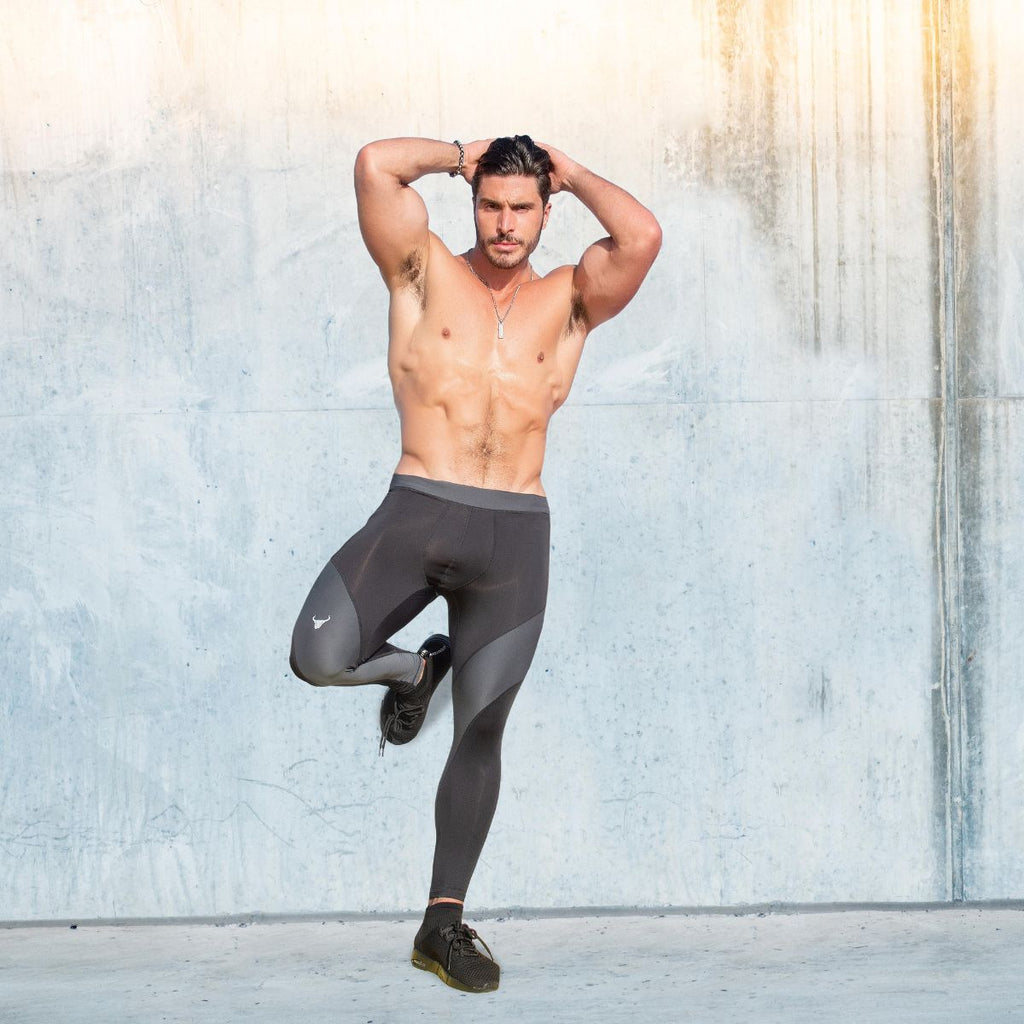
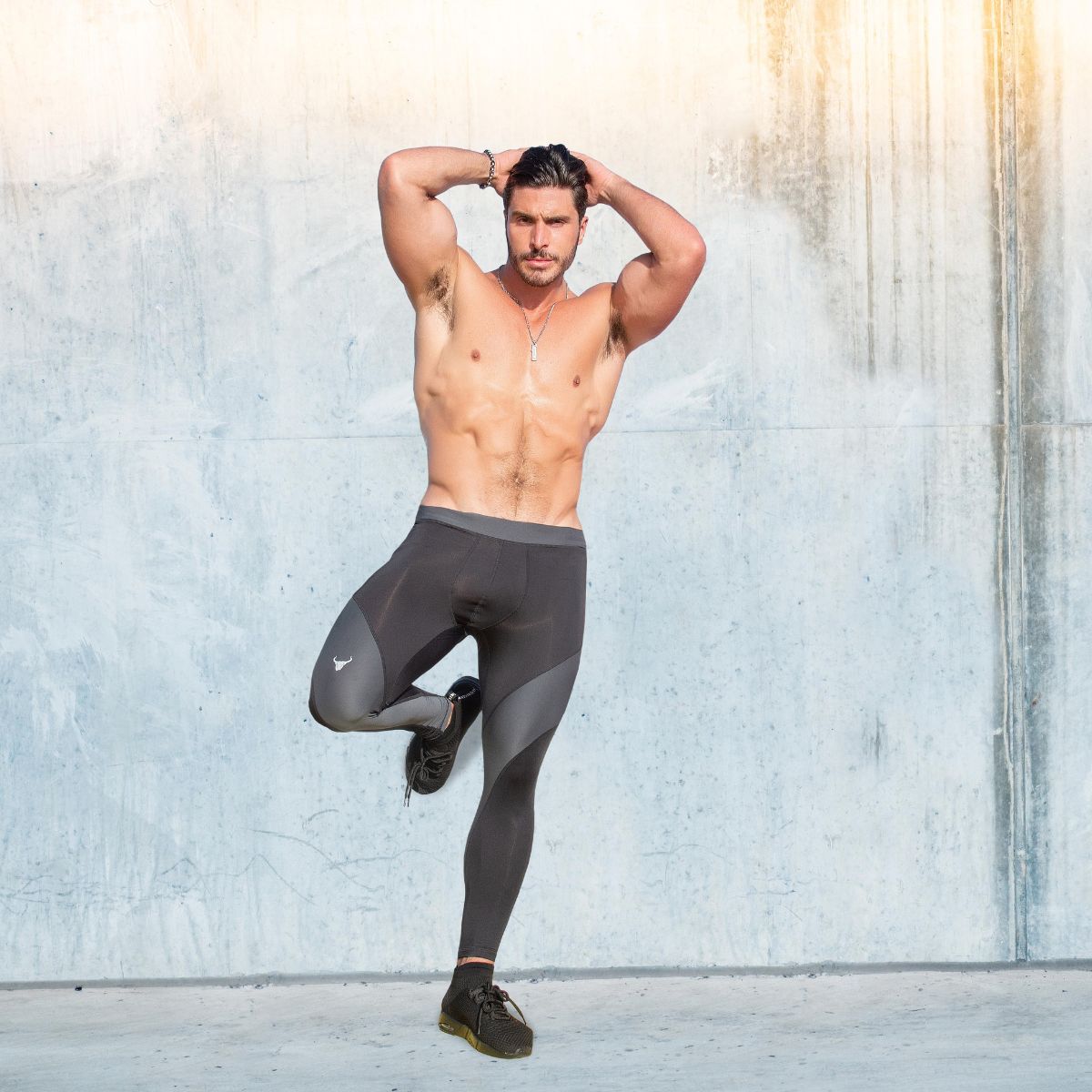
Leggings are popular with both women and men. Men use leggings for running, cycling, and other sports, sometimes called “compression tights.” The benefits are the same: comfort, support, and performance.
Fashion Vs Function
For women, leggings are often a fashion statement as well as workout gear. For men, function usually comes first. Both groups benefit from the same features.
Leggings And Technology
New technologies have improved leggings. Some brands use smart fabrics that track performance or heart rate. Others use special threads that change color with temperature.
Future Trends
Expect more leggings with features like UV protection, water resistance, or built-in sensors. As technology improves, leggings will become even more practical.
Leggings In Group Fitness
In group classes, leggings help participants move easily and stay comfortable. Instructors can see body alignment and technique, helping with corrections.
Uniformity
Some fitness studios ask people to wear leggings for safety and uniformity. Leggings reduce distractions and create a professional look.
Leggings For Outdoor Workouts
Outdoor workouts bring extra challenges, like wind, sun, and rough surfaces. Leggings protect your skin from these elements. Some include reflective strips for visibility during early morning or evening runs.
Layering
In cold weather, leggings can be layered under other clothes. They trap warmth without adding bulk.
Credit: www.gymshark.com
Debunking Myths About Leggings
Some myths exist about leggings. Let’s clear them up:
- “Leggings are just for women.” False—men benefit from leggings too.
- “Leggings are see-through.” Quality leggings are not, but cheap ones can be. Check before buying.
- “Leggings are not for serious athletes.” Many professionals use leggings for performance and recovery.
Frequently Asked Questions
Are Leggings Better Than Shorts For Working Out?
Leggings offer more muscle support, reduce chafing, and help with sweat management. Shorts may be cooler for some activities, but leggings are usually better for flexibility and comfort.
Can I Wear Leggings For All Types Of Workouts?
Yes, leggings suit most workouts, from yoga to running, cycling, and strength training. Choose different materials and lengths for each activity.
How Do I Know If My Leggings Fit Well?
Leggings should be snug but not too tight. They should move with you and stay in place. If they slide down, pinch, or restrict movement, try a different size or brand.
Do Leggings Help With Performance?
Compression leggings can boost blood flow, reduce muscle fatigue, and aid recovery. Even non-compression leggings improve comfort and flexibility, which can help performance.
How Often Should I Wash My Leggings?
Wash leggings after each workout to keep them clean and prevent bacteria buildup. Use cold water and avoid fabric softeners for longer life.
---
Choosing the right workout gear can make or break your experience. Leggings offer a unique mix of comfort, support, and style that other clothes rarely match. From sweat management to muscle support, leggings help you move, recover, and feel confident. They are practical for all body types, easy to care for, and suitable for almost every sport. If you want to get the most out of your workouts, investing in quality leggings is a smart move. For more on the science and benefits of activewear, check out the Sportswear (activewear) page. With the right leggings, you can focus on your goals—and enjoy every step of the journey.
