

Why Wear a Tshirt Under a Shirt: Surprising Benefits Explained
Why Wear A Tshirt Under A Shirt
Sometimes, the simplest choice in style can make a huge difference in how you look and feel. Many people wonder why some prefer to wear a tshirt under a shirt. Is it about comfort, style, or just an old habit? The truth is, this small detail can affect your daily life in ways you might not notice at first. From keeping sweat at bay to helping your clothes last longer, the reasons are both practical and stylish.
Wearing a tshirt under your shirt is not just for school uniforms or office workers. It’s a smart move for people who want to stay comfortable, look neat, and even save money on clothing. If you have never tried it, or if you’re not sure why this simple layer matters, you’re in the right place.
This article will take you through every reason and benefit, share some real-world examples, and even point out mistakes to avoid. By the end, you’ll know exactly how and why a tshirt under your shirt can make a real difference in your daily routine.
Comfort And Skin Protection
One of the main reasons people choose to wear a tshirt under a shirt is the comfort it brings. A good tshirt acts as a soft layer between your skin and the often rough or stiff fabric of shirts. This is especially important if your shirt is made from materials that can cause irritation or itchiness, such as certain types of cotton blends or synthetic fabrics.
For many, the seams and tags inside shirts can feel scratchy or uncomfortable. The tshirt provides a smooth barrier, reducing friction and preventing red marks or rashes. This is not just for people with sensitive skin; even those with no skin problems notice the difference after a long day.
Another key point is protection from chemicals. Some shirts, especially new ones, may still have traces of dye or finishing chemicals. A tshirt limits direct contact, which can be important if you have allergies or sensitive skin.
Sweat Control And Odor Management
Sweating is a natural part of life, but nobody likes sweat marks on their shirt. A tshirt under a shirt helps absorb sweat before it reaches your outer shirt. This keeps you looking fresher for longer, especially in hot weather or during stressful situations like meetings.
Let’s look at how a tshirt helps with sweat and odor:
- Sweat absorption: The tshirt catches moisture, stopping it from soaking into your main shirt.
- Odor reduction: Less sweat means less chance for bacteria to grow, which means less body odor.
- Confidence boost: You don’t have to worry about embarrassing sweat stains or smells.
This layer is especially helpful for people who sweat more than average, or for those who have long commutes. Wearing an undershirt can make the difference between a good day and a very uncomfortable one.
Keeping Shirts Clean And Extending Lifespan
Clothes are an investment. Shirts, especially good ones, are not cheap. A tshirt under a shirt acts as a shield, keeping your shirts cleaner for longer. Most of the sweat, oil, and dead skin your body produces gets trapped by the tshirt, so your outer shirt stays fresher.
This means you don’t have to wash your shirts as often. Washing less often helps keep the color, shape, and fabric quality of your shirts. It also saves you money in the long run because your shirts last longer and look better.
Here’s a simple comparison:
| Wearing Only Shirt | Wearing Tshirt Under Shirt |
|---|---|
| Needs frequent washing | Can wear more times before washing |
| More sweat stains | Fewer sweat stains |
| Fabric wears out faster | Fabric lasts longer |
This simple habit can save you time, money, and effort in laundry and shopping.
Improved Appearance And Style
A well-chosen tshirt can actually help you look better. How? The tshirt smooths out your body shape, hiding uneven areas or body hair that might show through thin shirts. It makes your outer shirt sit better on your body, which gives a sharper, cleaner look.
Some common style benefits include:
- No see-through: Light-colored shirts can sometimes reveal too much. A white or skin-tone tshirt solves this problem.
- Crisper collar: The base layer helps keep your shirt collar in place, which looks neater.
- Better fit: Some shirts are cut a bit loose or are made from thin material. The tshirt fills out the shape, making the shirt look more tailored.
People often overlook these small details, but in formal or business settings, they can make a big difference.
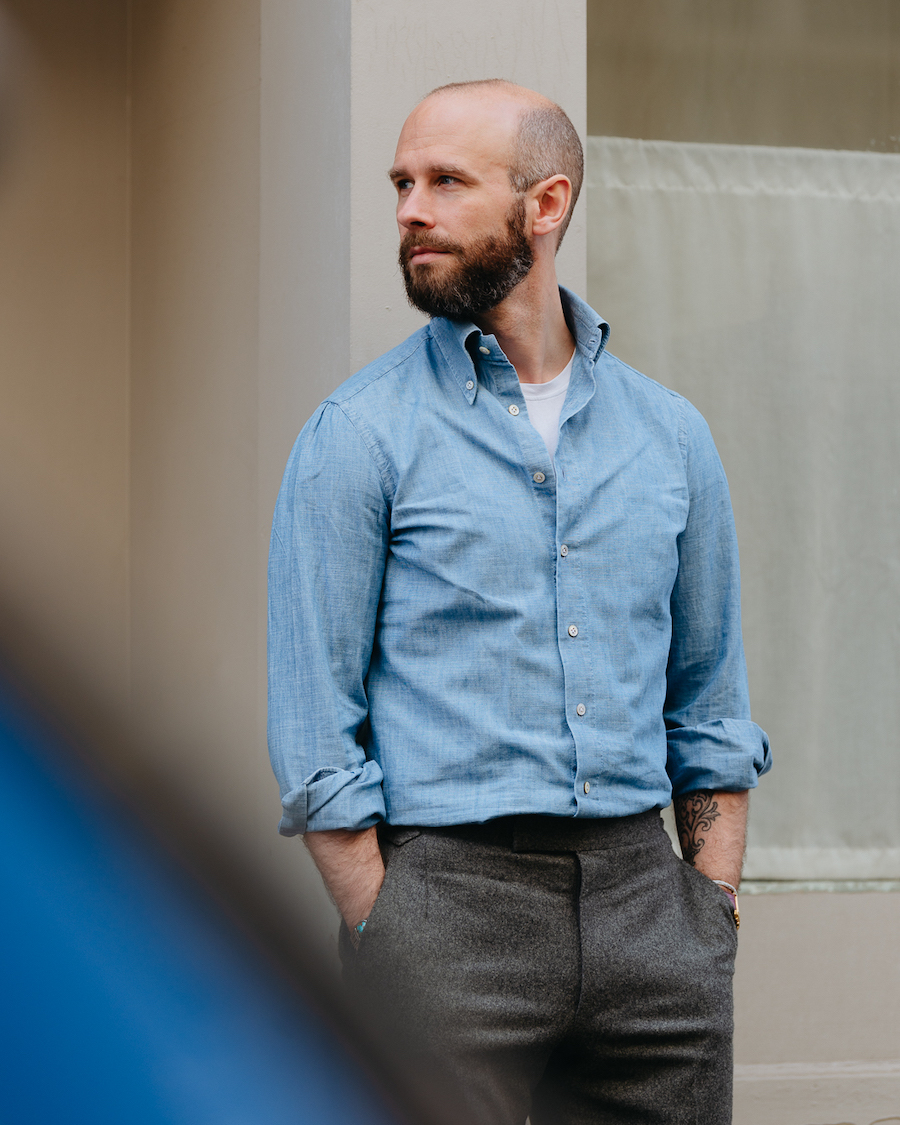
Credit: www.permanentstyle.com
Temperature Regulation
Layering is a smart way to handle changing temperatures. A tshirt under your shirt works as a buffer. In cold weather, it adds warmth by trapping a thin layer of air close to your body. In hot weather, it can actually help by absorbing sweat and letting it evaporate slowly, which cools you down.
Think about those chilly mornings that turn into hot afternoons. With a tshirt, you can take off your outer shirt if you get too warm and still feel covered. This flexibility is helpful for students, office workers, and anyone with a busy day ahead.
Here’s how the tshirt helps with different weather:
| Weather | Benefit of Tshirt Layer |
|---|---|
| Cold | Traps heat, keeps body warm |
| Hot | Absorbs sweat, keeps shirt dry |
| Windy | Extra barrier against chill |
This layering technique is often used by travelers and people who spend time outdoors, but it’s just as useful for everyday life.
Professional And Social Etiquette
In many cultures and workplaces, wearing a tshirt under your shirt is part of good dress etiquette. It shows that you care about your appearance and hygiene. In some offices, sweat marks or see-through shirts can be seen as unprofessional.
A tshirt also helps you stay ready for any situation. If you spill something on your shirt, you can take it off, and still be decently dressed. For people who have to remove their shirt for a medical check or at the gym, a tshirt gives privacy and comfort.
Some events even require an undershirt, such as:
- Weddings and formal events: Keeps your dress shirt in perfect shape all day.
- Job interviews: Shows you understand professional standards.
- Religious or community gatherings: Often part of modest dress codes.
Preventing Visible Body Marks And Discomfort
Body marks from belts, pants, or even shirt seams can show through a thin shirt. A tshirt helps hide these marks. It also prevents buttons or rough seams from digging into your skin, especially when sitting for long periods.
People who wear backpacks or carry shoulder bags notice less irritation and fewer marks when they use a tshirt as a base layer. This is a simple way to stay comfortable during travel or long commutes.
Adapting To Different Shirt Fabrics
Not all shirts are made equal. Some fabrics, like linen or silk, are very light and can show skin or body hair. Others, like polyester or wool blends, can feel rough or cause sweating. A tshirt under your shirt solves both problems.
For example, a cotton tshirt under a linen shirt keeps you cool and prevents see-through. Under a polyester shirt, it absorbs sweat and stops the fabric from sticking to your skin. This makes it easier to wear different types of shirts all year round.
Here’s a quick look at how tshirts help with different fabrics:
| Shirt Fabric | Problem | Tshirt Solution |
|---|---|---|
| Linen | See-through, wrinkles | Hides skin, smooths look |
| Polyester | Sticky, traps sweat | Absorbs moisture, adds comfort |
| Wool blend | Itchy, rough | Soft barrier for skin |
| Silk | Delicate, shows marks | Protects fabric, hides marks |
This kind of adaptation is something many beginners overlook, but it can make a big difference in how your clothes look and feel.
Saving Money And Reducing Waste
Washing clothes too often wears them out. By using a tshirt under your shirt, you cut down on how often you need to wash your shirts. This saves water, laundry soap, and energy. Over time, it means you buy fewer shirts and throw away less clothing.
Let’s break down the savings:
- Less frequent washing: Tshirts are easier and cheaper to wash than shirts.
- Longer shirt life: Less washing means colors and fabric stay new longer.
- Lower replacement cost: You don’t need to buy new shirts as often.
This also means you are making a more eco-friendly choice. Fewer washes and fewer new shirts mean less impact on the environment. Many people do not realize this hidden benefit, but it is an easy way to be more sustainable.
Boosting Confidence And Reducing Anxiety
Worrying about sweat marks, odor, or see-through shirts can distract you from your day. A tshirt under your shirt gives peace of mind, so you can focus on your work, study, or social time. This small step can help reduce social anxiety, especially in important meetings or public speaking situations.
People often feel more secure when they know they look neat and fresh. This confidence can improve performance at work or school. It’s a detail that others may not see, but you feel the effect every day.

Credit: www.artofmanliness.com
Cultural And Personal Preferences
In some cultures, it is common for men and women to wear an undershirt as part of daily dress. In others, it may be a personal preference learned from family or friends. Some people start the habit after seeing the benefits in sports or during military service.
Personal comfort, family traditions, and local climate all play a role. For example, in warm countries, the extra layer helps with sweat control. In colder regions, it adds needed warmth.
Mistakes To Avoid When Wearing A Tshirt Under A Shirt
While there are many benefits, there are also common mistakes that can reduce comfort or style. Here’s how to avoid them:
- Wearing a thick tshirt: The tshirt should be light and fitted. Thick or loose ones can look bulky and feel hot.
- Choosing the wrong color: A white tshirt works for most light shirts, but for very thin or see-through shirts, a skin-tone tshirt is better.
- Visible necklines: If your shirt is unbuttoned, make sure the tshirt’s neckline does not show unless you want a casual look.
- Synthetic fabrics: If you have sensitive skin, avoid polyester tshirts. Cotton is best for most people.
- Wearing graphic tees: Logos or designs can show through your shirt. Plain tshirts are best for layering.
Avoiding these mistakes ensures you get all the benefits without any downsides.
Types Of Tshirts For Layering
Not all tshirts work well under shirts. Here are the main types:
- Crew neck: Most common, best for buttoned shirts.
- V-neck: Good for unbuttoned shirts, stays hidden.
- Sleeveless (tank): Best for hot weather, but less sweat control for arms.
- Long sleeve: For extra warmth in cold weather.
The right choice depends on your needs and the type of shirt you plan to wear.
Practical Tips For Best Results
If you want to get the most from this layering method, keep these tips in mind:
- Wash your tshirts often since they absorb sweat and oils.
- Choose fitted tshirts so they do not bunch up under your shirt.
- Replace old, stretched-out tshirts to avoid lines or wrinkles under your shirt.
- Try different colors and necklines to see what works best with your wardrobe.
Many people find that building a small collection of good-quality tshirts improves both comfort and style.

Credit: www.hockerty.com
Real-world Examples
Let’s look at a few situations where a tshirt under a shirt makes a real difference:
- Office worker: Wears a tshirt to stay fresh during long meetings. No sweat marks, and shirts look new for months.
- Student: Uses a tshirt under a school shirt. Less laundry, no embarrassing stains, and more focus on studies.
- Traveler: Layers a tshirt for comfort on long flights. Can remove the shirt in airports or hotels and still feel dressed.
- Sports coach: Always wears a tshirt under team shirts. Handles sweat and stays comfortable during active days.
These are just a few examples, but the benefits apply to almost anyone, anywhere.
Scientific Backing
Research shows that layering clothing helps regulate body temperature and moisture. According to studies on athletic wear, a base layer like a tshirt can move sweat away from the skin and reduce odor. This is why athletes use special base layers in sports – the same principle works for everyday life.
If you want to read more, organizations like the Healthline offer helpful guides on layering and sweat control.
Non-obvious Insights Beginners Miss
- Tshirt length matters: A longer tshirt stays tucked in better, preventing it from riding up during the day. This is often missed by beginners who pick standard-length tshirts.
- Different tshirt fabrics for different seasons: Cotton is great for most days, but moisture-wicking blends (like those used in sports) are better for hot, humid weather. These keep you dry without feeling heavy.
Frequently Asked Questions
Is It Necessary To Wear A Tshirt Under A Shirt Every Day?
No, it’s not always necessary, but it’s helpful in most situations. On very hot days or when wearing thick, casual shirts, you might skip it. But for work, travel, or formal occasions, it’s usually a good idea.
What Color Tshirt Should I Wear Under A White Shirt?
A plain white or skin-tone tshirt works best. Skin-tone is better if the shirt fabric is very thin, as it won’t show through as much as white.
Can Women Wear Tshirts Under Shirts Too?
Absolutely. Many women use thin, fitted camisoles or tshirts for the same reasons: comfort, sweat control, and better appearance. The benefits are not just for men.
Does A Tshirt Under A Shirt Make You Hotter?
A light, fitted tshirt should not make you feel much hotter. In fact, it can keep you cooler by absorbing sweat and letting it evaporate. Thick or heavy tshirts can make you feel warm, so choose the right material for the season.
How Often Should I Replace My Undershirts?
Replace your tshirts when they lose shape, develop holes, or get permanent stains. This can be every few months if you wear them daily, or longer if you rotate several.
Wearing a tshirt under your shirt is a simple habit, but it brings many benefits—comfort, cleanliness, confidence, and style. Whether you’re getting ready for work, school, or a special event, this one step can make your day smoother and more comfortable.
Try it, and you might never go back to wearing just a shirt again.
