

Why Should You Wear Workout Clothes for Maximum Performance?
Why Should You Wear Workout Clothes
People often think workout clothes are just about style or looking good in the gym. But the truth goes much deeper. What you wear during exercise can change your whole workout experience. The right clothes can help you move better, feel more comfortable, avoid injuries, and even boost your confidence.
Wearing proper workout clothes is not just for athletes; it is for everyone who wants to get the most from their physical activity.
Many beginners skip this, thinking their regular T-shirt and shorts are enough. But they miss out on some big advantages—some of which are not obvious at first. This article will explain, in detail, why you should wear workout clothes, the science behind their benefits, what to look for when choosing them, and how they can make a real difference for anyone—no matter your fitness level.
The Science Behind Workout Clothes
Exercise puts stress on your body. Your muscles move, your skin sweats, and your joints work hard. Workout clothes are designed to help your body handle all this stress. They do this with special fabrics, smart designs, and features made for movement.
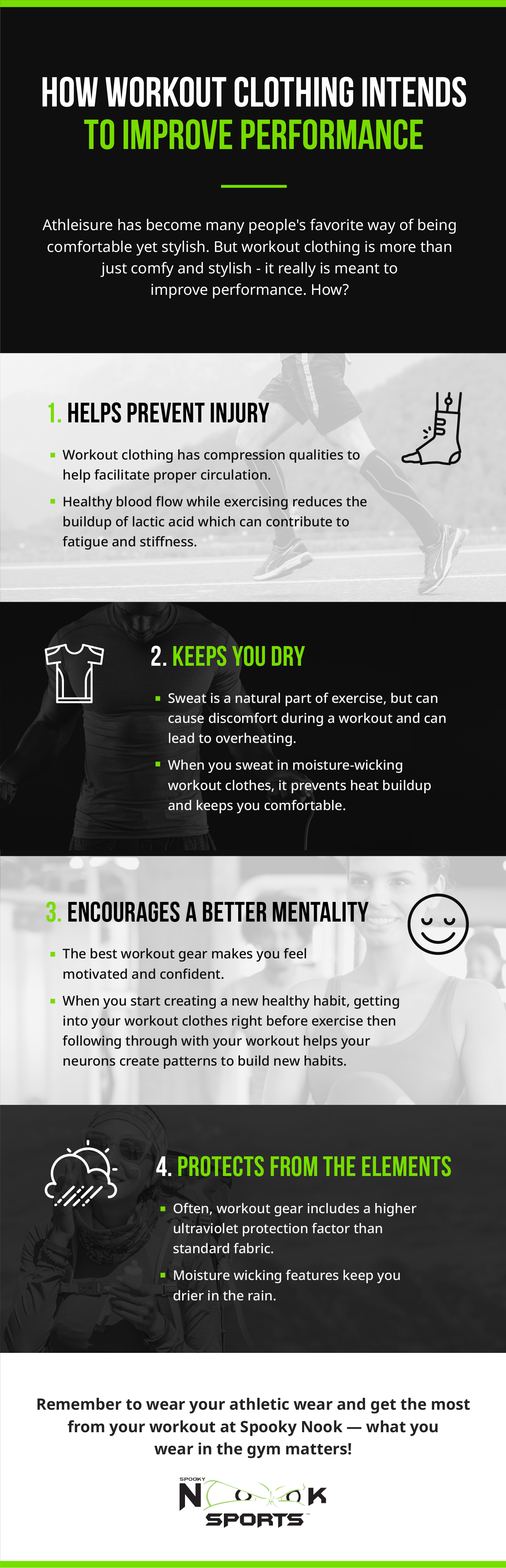
Modern workout clothes often use moisture-wicking materials. These fabrics pull sweat away from your body, helping you stay dry. When you are dry, you feel cooler and less distracted. For example, polyester and nylon blends are common because they dry faster than cotton.
Another key point is compression. Some workout clothes gently squeeze your muscles. This can increase blood flow and reduce muscle vibration. Studies have shown that compression clothing may help with muscle recovery and reduce soreness after workouts.
Seamless designs and flatlock stitching also matter. They stop chafing and skin irritation, especially in areas that rub during running or cycling. All these features are there for a reason: to help you perform better and enjoy your workout more.
Comfort And Freedom Of Movement
Comfort is often underestimated. If your clothes are too tight, too loose, or made from the wrong material, you will feel uncomfortable, distracted, and possibly even stop your workout early. Proper workout clothes are cut and shaped to match your body's movement. This is sometimes called an athletic fit.
For example, running shorts have side slits so your legs can move freely. Yoga pants use stretchy fabrics so you can bend and twist without restriction. Even seams and waistbands are designed to avoid pressure points.
Wearing comfortable workout clothes means you can focus on your exercises, not on adjusting your shirt or pulling up your pants. This freedom of movement helps you use the correct form and prevents awkward motions that could lead to injury.
If you have ever tried squatting in stiff jeans, you know how important this is.
Moisture Management And Temperature Control
When you exercise, your body heats up and sweats to cool down. If your clothes hold on to sweat, you will feel heavy, sticky, and uncomfortable. Worse, wet clothes can cause rashes and make you cold quickly after your workout.
Moisture-wicking fabrics like polyester, spandex, and modern blends are designed to pull sweat away from your skin. They help sweat evaporate faster. This keeps your skin dry and your body temperature steady. Some advanced workout clothes even have mesh panels or ventilation zones in places where you sweat more, like under the arms or on the back.
In cold weather, workout clothes can help you stay warm without overheating. Many brands offer layers, such as base layers that trap heat but still let sweat escape. This is important for outdoor runners or anyone exercising in changing climates.
Injury Prevention
Wearing the right clothes can protect you from common injuries. It is not just about shoes—shirts, shorts, and leggings play a role too.
- Support: Compression gear gives gentle pressure to muscles, which can reduce muscle vibration and fatigue. This may prevent small tears and soreness, especially in high-impact sports.
- Protection: Long sleeves, leggings, or padded shorts can protect your skin from cuts, scrapes, and even sunburn if you exercise outdoors. Some clothes have UV protection built in.
- Reduced Chafing: Flat seams and smooth fabrics prevent rubbing, especially in areas like thighs and underarms. This reduces the risk of blisters and rashes.
- Better Grip: Some gloves or socks have special grips to prevent slipping during yoga or weightlifting.
Beginners often miss the importance of these details. They only realize after experiencing discomfort or minor injuries. Investing in the right workout gear can prevent these problems from the start.
Credit: www.refinery29.com
Boosting Confidence And Motivation
How you feel in your clothes can affect your mindset. Wearing proper workout clothes can boost your confidence and even motivate you to stick with your fitness routine.
When you wear clothes made for exercise, you signal to yourself and others that you are serious about your workout. This mental shift can make you more likely to complete your session. You also feel less self-conscious if you know your clothes fit well and are not see-through or too loose.
Some people find that putting on workout gear is a ritual that gets them into the right mindset. Just like a uniform helps athletes focus, your workout clothes can help you switch into "exercise mode. "
Hygiene And Odor Control
Sweating is natural during exercise, but it can lead to unpleasant smells and bacteria growth if your clothes do not handle moisture well. Workout clothes are designed to be antimicrobial or have special treatments that stop bacteria from growing.
Regular clothes, especially cotton, hold onto sweat and odor. They are also harder to wash out fully. Many workout tops have mesh zones and quick-dry features so you can wash and wear them often without them smelling bad.
This is not just about comfort; it is also about health. Wearing sweaty, dirty clothes can lead to skin problems like acne, rashes, or fungal infections. Quality workout gear helps you avoid these issues by keeping your skin cleaner and dryer.
Improved Performance
The right clothes can help you perform better—sometimes in ways you do not notice until you try them. For example, running shorts with built-in liners reduce friction and support your muscles. Compression sleeves can help maintain blood flow during long sessions.
Some sportswear uses aerodynamic designs to reduce drag for runners and cyclists. Lightweight materials mean you use less energy carrying extra weight. Even small changes, like a better waistband that stays put during burpees, can add up to a smoother, more focused workout.
Table below compares the impact of workout clothes on several key performance factors:
| Factor | Regular Clothes | Workout Clothes |
|---|---|---|
| Moisture Control | Poor | Excellent |
| Freedom of Movement | Limited | High |
| Odor Resistance | Low | High |
| Muscle Support | None | Compression Options |
| Durability | Medium | High |
Durability And Cost-effectiveness
Workout clothes are not just for one-time use. They are designed to handle heavy washing, stretching, and sweat. Regular clothes can wear out fast if used for exercise—fabrics fade, stretch out, or tear. Good workout gear keeps its shape and color much longer.
While workout clothes may cost more upfront, they often save you money in the long run. You will not have to replace them as often, and you avoid ruining your everyday clothes.
Some brands offer guarantees on their products, showing confidence in their durability. Look for reinforced stitching, high-quality zippers, and fade-resistant dyes. These details make a big difference over time.
Safety Features
Workout clothes often include safety features, especially for those who exercise outdoors. These can include:
- Reflective strips for visibility at night or in low light
- UV protection woven into the fabric for sun safety
- Pockets with zippers to keep keys or phones secure while moving
- Quick-release fastenings for easy removal in emergencies
These features are not just "nice to have. " They can prevent accidents and make outdoor exercise safer. For example, runners and cyclists are more visible to drivers when wearing reflective gear.
Weather Adaptability
Weather can change quickly, but workout clothes help you handle it. There are options for every climate:
- Hot weather: Light, breathable fabrics with mesh keep you cool. Sleeveless tops and shorts let your body release heat.
- Cold weather: Layering is key. Base layers keep you warm, while outer layers block wind and rain but let sweat escape.
- Rain: Water-resistant jackets or hats help keep you dry without making you overheat.
The right clothes allow you to exercise all year. You do not have to miss a run because it is too cold or too hot. Look for gear with adjustable features, like zippers or removable sleeves, for even more flexibility.
Credit: www.spookynooksports.com
Psychological Benefits
Workout clothes do more than help your body; they affect your mind. This is called "enclothed cognition"—the idea that what you wear can change how you feel and behave.
Wearing dedicated workout gear tells your brain, "Now it is time to exercise. " This mental trigger can help you start, stick with, and finish your workout, even on days when motivation is low.
Some people find that wearing bright colors lifts their mood. Others prefer simple, neutral tones for focus. The key is to choose clothes that make you feel good and ready to move. This is a detail many fitness beginners miss, but it can have a big impact over time.
Social And Cultural Acceptance
Gyms, fitness classes, and sports clubs often have social norms about what to wear. Wearing workout clothes helps you fit in and feel part of the group. It also shows respect for shared spaces by wearing clean, appropriate attire.
Some gyms even require certain types of clothes for safety or hygiene reasons. For example, you may need closed-toe shoes or non-slip socks for group classes.
In some cultures, modesty or coverage is important. There are now workout clothes designed to offer coverage, breathability, and style all in one. This makes fitness more accessible to everyone, no matter their background or beliefs.
Credit: muscletorque.shop
Practical Features For Exercise
Workout clothes often have small details that make a big difference. For example:
- Hidden pockets for keys, cards, or energy gels
- Thumb holes in sleeves to keep hands warm during cold runs
- Zip-off legs in pants for changing weather
- Adjustable waistbands for a custom fit
These features seem minor until you need them. For instance, runners appreciate a pocket that does not bounce, and cyclists need jerseys that stay in place.
| Feature | Helps With | Common Activities |
|---|---|---|
| Reflective Trim | Visibility | Running, Cycling |
| Compression Panels | Muscle Support | Weightlifting, Running |
| Breathable Mesh | Cooling | HIIT, Cardio |
| Zip Pockets | Storage | Running, Gym Workouts |
| Adjustable Drawstrings | Fit Customization | Yoga, Pilates |
Sustainability And Eco-friendly Choices
More people are now aware of the environmental impact of fashion—including sportswear. Some brands use recycled materials or eco-friendly dyes in their workout clothes. Others focus on making durable items so you buy less often, which reduces waste.
When choosing workout gear, look for certifications like OEKO-TEX or bluesign. These show the clothes were made with fewer chemicals and safer processes. Some brands even offer recycling programs for old gear.
This is a detail that can make your fitness routine not just better for you, but better for the planet.
Choosing The Right Workout Clothes
Not all workout clothes are equal. Here is what to consider when shopping:
Fabric
- Choose moisture-wicking fabrics over cotton.
- Look for stretchy blends for full movement.
- For outdoor workouts, consider UV protection or thermal layers.
Fit
- Clothes should be snug but not tight.
- Test squats, jumps, or stretches in the fitting room.
- Check for seams or tags that might rub during movement.
Activity Type
- Runners need lightweight, breathable tops and shorts.
- Cyclists need padded shorts and fitted jerseys.
- Yogis need stretchy, non-slip pants and tops.
- Weightlifters need tops that allow shoulder movement.
Extra Features
- Pockets for essentials
- Reflective details for safety
- Reinforced areas for high-wear spots
Below is a quick comparison of what to look for in workout clothes for different activities:
| Activity | Best Fabric | Key Feature |
|---|---|---|
| Running | Polyester blend | Moisture-wicking, Reflective |
| Yoga | Spandex blend | Stretch, High waist |
| Cycling | Nylon/Spandex | Padded shorts, Tight fit |
| Weightlifting | Cotton/Polyester | Breathability, Mobility |
| HIIT | Polyester/Elastane | Ventilation, Compression |
Common Mistakes When Buying Workout Clothes
- Choosing fashion over function: Trendy clothes may look good but might not perform well.
- Ignoring fabric type: Cotton holds sweat and can feel heavy and sticky.
- Buying the wrong size: Too tight can restrict movement, too loose can snag on equipment.
- Overlooking activity needs: Yoga pants are not always good for running, and vice versa.
- Skipping on quality: Cheap items may wear out fast, leading to more spending over time.
- Not trying movements: Always test stretching, bending, or jumping in new clothes.
- Forgetting care instructions: Some workout gear needs special washing to keep features working.
Real-life Examples And Data
Many professional athletes credit their performance to the right gear. For instance, marathon runners often wear moisture-wicking tops and shorts with flat seams to avoid chafing over long distances.
A study from the Journal of Sports Sciences found that athletes wearing compression clothing recovered faster and felt less muscle soreness after intense training. Another research paper showed that moisture-wicking shirts could reduce skin temperature and sweat discomfort, making workouts feel easier.
Everyday exercisers see the benefits too. Gym-goers often report sticking with their routines longer when they invest in dedicated workout gear. They feel more comfortable, less distracted, and more confident.
If you want more in-depth science, you can read about it at Wikipedia.
Two Non-obvious Insights
Many beginners do not realize these two things:
- Wearing the same workout clothes too often can actually reduce their effectiveness. Over time, sweat, deodorant, and fabric softeners can block the moisture-wicking ability. Always wash gear promptly and avoid fabric softener.
- Proper sports bras and underwear matter as much as outerwear. Supportive, sweat-wicking underwear can prevent discomfort, chafing, and even injury, especially for women or during high-impact exercise.
How To Care For Your Workout Clothes
To get the most from your workout clothes, follow these tips:
- Wash after every use, especially if you sweat a lot.
- Use mild detergent; avoid fabric softeners—they block moisture-wicking fibers.
- Air dry when possible to keep stretch and shape.
- Turn clothes inside out before washing to protect colors and logos.
- Store in a dry place to stop bacteria growth.
With proper care, good workout clothes last a long time and keep performing at their best.
Frequently Asked Questions
What Is The Difference Between Regular Clothes And Workout Clothes?
Workout clothes are made with special fabrics, like moisture-wicking materials, which keep you dry and comfortable. They also have features like flat seams, stretch, and support that help you move freely and avoid injury. Regular clothes are not designed for heavy movement or sweat.
Can I Use Cotton T-shirts For Exercise?
Cotton T-shirts are comfortable but not ideal for workouts. They hold sweat, become heavy, and can cause chafing. It is better to choose polyester or blends that dry quickly and allow better movement.
Are Expensive Workout Clothes Worth The Money?
Often, yes. Higher-priced workout gear usually offers better durability, fit, and features like odor resistance or reinforced stitching. While you do not need the most expensive brands, investing in quality pieces saves money over time and improves your workout experience.
How Do I Choose The Right Size For Workout Clothes?
Try them on and move—do squats, stretches, or jumps. Clothes should fit snugly but not restrict movement. Check for any tightness around joints or seams that might rub. If shopping online, check sizing charts and read reviews for guidance.
How Often Should I Replace My Workout Clothes?
Replace when you notice loss of stretch, fading, bad odor that won't wash out, or fabric thinning. With proper care, good workout clothes can last many months or even years, depending on use.
Wearing the right workout clothes is more than just a trend. It is a smart, practical choice that supports your body, protects your skin, and boosts your confidence—helping you get the most out of every workout. Whether you are a beginner or experienced athlete, investing in proper workout clothes is one of the simplest ways to improve your fitness journey.
