

Why Should You Wear Workout Clothes for Better Performance?
Why Should You Wear Workout Clothes
Most people know exercise is important for health. But many do not realize how much workout clothes can affect your experience. Some go to the gym in casual outfits, while others invest in sportswear brands. Is there a real difference? Yes—wearing the right clothes can change your workout results, your comfort, and even your motivation. This article explains all the reasons why workout clothes matter, with examples, data, and practical advice to help you make the best choices.
Comfort And Mobility
Comfort is a key reason to wear workout clothes. When you move, your body needs freedom. Tight jeans or heavy shirts restrict motion. Workout clothes use stretchy fabrics like spandex, polyester, or blends. These materials let you stretch, bend, run, or jump without holding you back.
Imagine doing yoga in jeans. Each pose would feel harder, and you might strain muscles. In contrast, yoga pants or leggings support your movement. The fabric adapts to your shape and helps you flow from one pose to another.
Another example: Running in a cotton shirt can cause chafing and discomfort. Moisture stays trapped, making the shirt heavy. A lightweight, moisture-wicking shirt feels dry and lets you focus on your run, not your clothes.
Comfort also affects your confidence. When you feel good in your outfit, you are more likely to push yourself and enjoy your workout.
Moisture Management
Sweating is natural during exercise. But sweat can cause problems if your clothes absorb and trap it. Wet clothing leads to chafing, skin irritation, and an unpleasant feeling.
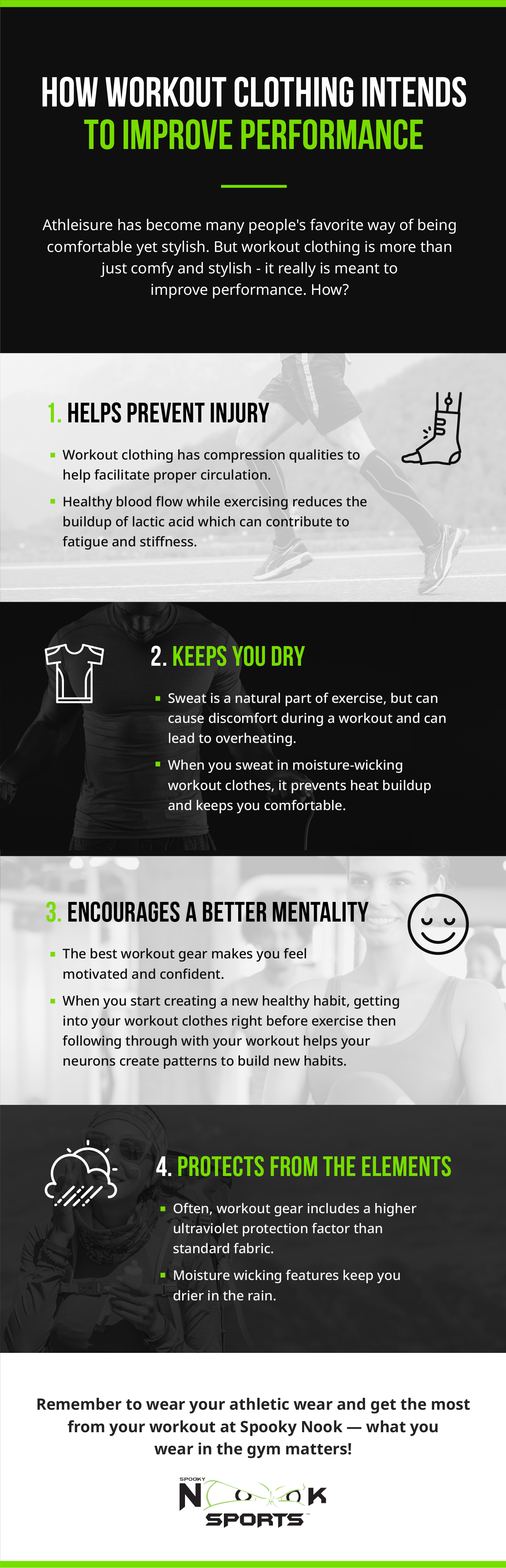
Many workout clothes use special fabrics designed for moisture-wicking. These pull sweat away from your skin and spread it across the fabric to evaporate faster. Polyester, nylon, and blends are popular choices. This technology keeps you dry, cool, and comfortable.
Here’s how moisture-wicking works:
- Sweat leaves your skin and is absorbed by the inner layer of the fabric.
- The fabric moves sweat to the outer surface.
- Sweat evaporates quickly, keeping your skin dry.
This process is much more effective than basic cotton. Cotton absorbs sweat but does not release it, so clothes stay wet and heavy. According to lab tests, moisture-wicking fabrics can dry up to 2-3 times faster than cotton.
Temperature Regulation
Workout clothes help your body manage temperature. When you exercise, your body warms up. If you overheat, you become tired faster. If you get too cold, your muscles can stiffen, increasing injury risk.
Sportswear brands design clothes with breathable fabrics. These allow airflow, preventing overheating. Mesh panels and light materials help sweat evaporate, keeping you cool.
For cold weather workouts, some clothes use thermal insulation. This traps body heat but still releases sweat. You stay warm and dry, not sweaty or chilled.
Here’s a comparison of temperature regulation features:
| Feature | Warm Weather | Cold Weather |
|---|---|---|
| Breathable fabric | Yes | Sometimes |
| Mesh panels | Yes | No |
| Moisture-wicking | Yes | Yes |
| Thermal insulation | No | Yes |
Choosing the right workout clothes helps your body stay balanced, whatever the weather.
Injury Prevention
Workout clothes are not just about looks. They can actually protect you from injuries. Quality sportswear supports your muscles and joints. Compression garments, for example, gently squeeze your skin. This increases blood flow and reduces swelling after exercise.
Some clothes use padding in areas like knees or elbows, especially in sports like cycling or football. This extra layer absorbs shocks and prevents bruises.
Shoes are part of workout clothes, too. Running shoes cushion your feet and prevent injuries from impact.
Another point: Loose clothing can get caught in machines or weights. Tight, well-fitting clothes keep you safe and allow you to move freely.
Performance Improvement
Wearing workout clothes improves your performance. This is not only about comfort. Sportswear brands use technology to help athletes reach their best.
Compression shirts and shorts can:
- Reduce muscle fatigue
- Increase endurance
- Speed up recovery
Moisture-wicking fabrics keep you focused, not distracted by sweat. Breathable shoes prevent overheating and blisters.
One study found that runners in compression gear had lower muscle soreness and recovered faster.
Let’s compare regular clothes and workout clothes in terms of performance:
| Aspect | Regular Clothes | Workout Clothes |
|---|---|---|
| Mobility | Limited | Excellent |
| Moisture management | Poor | Great |
| Support | None | Compression |
| Recovery | Slower | Faster |
These differences show why workout clothes are more than just a fashion choice.
Motivation And Mindset
Your outfit can change how you feel about exercise. This is called enclothed cognition—a psychological idea that what you wear affects your mindset.
When you put on workout clothes, your brain gets a signal: “It’s time to exercise.” This can boost motivation. You feel ready, focused, and committed.
People who wear sportswear are more likely to stick to their workout plans. The clothes remind them of their goals and help them build healthy habits.
A study found that participants felt more confident and performed better when wearing athletic gear compared to casual clothes.
Here are two insights beginners often miss:
- Routine triggers: Changing into workout clothes can become a ritual, helping you start exercise even on lazy days.
- Social support: Wearing workout clothes in public (like at the gym) can make you feel part of a group, increasing motivation and accountability.
Credit: muscletorque.shop
Hygiene And Skin Health
Exercise increases sweat and bacteria. Wearing basic clothes traps moisture and can cause skin problems—like acne, rashes, or fungal infections.
Workout clothes use antibacterial fabrics and moisture-wicking technology. They dry quickly and reduce bacteria growth. Some brands add silver ions or other treatments to kill germs.
Wearing clean workout clothes each session is also important. Dirty clothes can transfer bacteria and cause odor.
One tip: Always wash your workout clothes after each use to protect your skin and stay fresh.
Protection From The Elements
Outdoor workouts expose you to sun, wind, rain, and dust. Workout clothes offer protection:
- UV-blocking fabrics shield your skin from sun damage.
- Water-resistant jackets keep you dry during rain.
- Windproof layers protect against cold gusts.
- Some clothes use reflective strips for visibility at night.
These features keep you safe and comfortable during outdoor activities.
A survey of outdoor runners showed that those using UV-blocking sportswear had less sunburn and skin irritation.
Confidence And Self-esteem
Feeling good in your outfit can boost your confidence. Workout clothes are designed to flatter your body and highlight progress. Seeing muscles or curves can remind you of your achievements.
Many people report feeling more positive and energetic when wearing sportswear. This can help you push through tough workouts and reach new goals.
Confidence also affects group activities. When you wear the right clothes, you feel comfortable joining classes or teams.
Social And Group Benefits
Workout clothes are common in gyms, studios, and sports clubs. Wearing them makes you fit in and feel part of the community.
Group classes often have dress codes or recommend certain gear. This helps everyone move safely and comfortably.
Wearing similar clothes to others can increase motivation and teamwork. You feel like you belong and support each other’s progress.
Safety Features
Many workout clothes include safety features:
- Reflective strips for night running or cycling
- Pockets for keys, phones, or IDs
- Reinforced seams for durability
- Tear-resistant fabrics for high-intensity sports
These features protect you and your belongings. For example, runners with reflective gear are more visible to drivers, reducing accident risk.
Durability And Value
Workout clothes are made to last. Sportswear uses strong fabrics, double stitching, and durable materials. This means you can wash them many times without fading or tearing.
Regular clothes wear out quickly during exercise. Seams rip, colors fade, and fabrics stretch. Investing in quality workout clothes saves money over time.
Here’s a comparison of durability:
| Type | Wash Cycles | Fabric Quality |
|---|---|---|
| Regular T-shirt | 20-30 | Weak |
| Workout Shirt | 100+ | Strong |
This shows why sportswear is a smart investment for active people.
Practical Features
Sportswear includes many practical features you might not notice at first:
- Zippers or pockets for carrying essentials
- Adjustable straps for a better fit
- Thumb holes in sleeves for warmth
- Built-in bras for support
- Drawstrings for waist adjustment
These details make exercise easier and more enjoyable. Beginners often overlook these benefits, but they are useful in daily workouts.
Style And Personal Expression
Workout clothes come in many styles, colors, and patterns. You can express your personality through your outfit. Some people prefer bold designs, others like simple colors.
Feeling stylish can increase motivation and make you look forward to workouts. Some brands collaborate with athletes or designers to create unique collections.
One tip: Choose clothes that match your taste and make you feel confident.
Specialized Clothing For Different Activities
Different sports require different clothing. For example:
- Yoga: Stretchy leggings, fitted tops, bare feet or yoga socks
- Running: Moisture-wicking shirts, compression shorts, running shoes
- Cycling: Padded shorts, tight jerseys, gloves
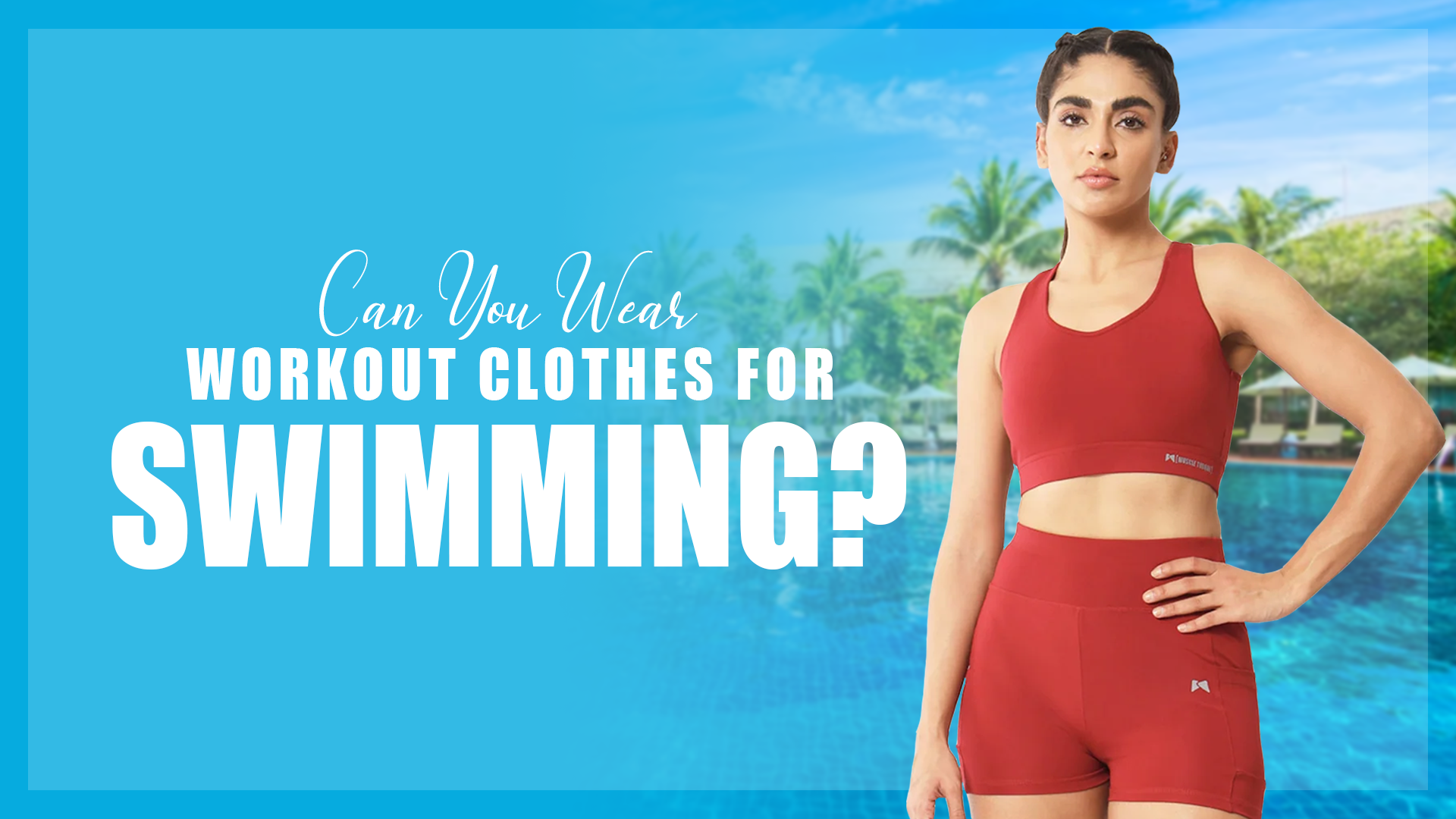
- Swimming: Swimsuits, goggles, swim caps
- Weightlifting: Supportive shoes, tank tops, wrist wraps
Using the right clothes for each activity improves performance and safety. Beginners often use generic outfits, but specialized gear makes a big difference.
Gender-specific Needs
Workout clothes are designed for both men and women, with differences in fit and support.
- Women’s sportswear often includes built-in bras, adjustable straps, and shapes for curves.
- Men’s clothes focus on muscle support and breathability.
Choosing gender-specific clothes ensures better comfort and performance. For example, a well-fitting sports bra is essential for women during high-impact activities.
Age And Body Type Considerations
Sportswear brands offer options for all ages and body types. There are clothes for kids, teens, adults, and seniors. Plus-size and petite options are common.
Choosing the right fit is important. Too tight or too loose clothes can cause discomfort or limit movement. Many brands use size charts and adjustable features.
People with unique body shapes can find clothes that boost their confidence and help them move freely.
Cost Vs. Quality
Some people worry about the price of workout clothes. But quality matters more than cost. Cheap clothes wear out quickly, cause discomfort, and may lack important features.
Higher-quality clothes last longer, perform better, and protect your health. You do not need the most expensive brand, but avoid the cheapest options.
Here are tips for smart buying:
- Look for sales or discounts from reputable brands.
- Check reviews for durability and comfort.
- Invest in basics like shirts, shorts, and shoes first.
A good sportswear purchase is an investment in your health and happiness.
Environmental Impact
Sportswear brands are becoming more eco-friendly. Many use recycled materials or sustainable fabrics. Some companies reduce water use or add biodegradable features.
Choosing eco-friendly workout clothes helps protect the environment. Look for labels like “recycled polyester” or “organic cotton. ”
You can also donate old clothes or recycle them to reduce waste.
Common Mistakes Beginners Make
Many beginners make mistakes when choosing workout clothes:
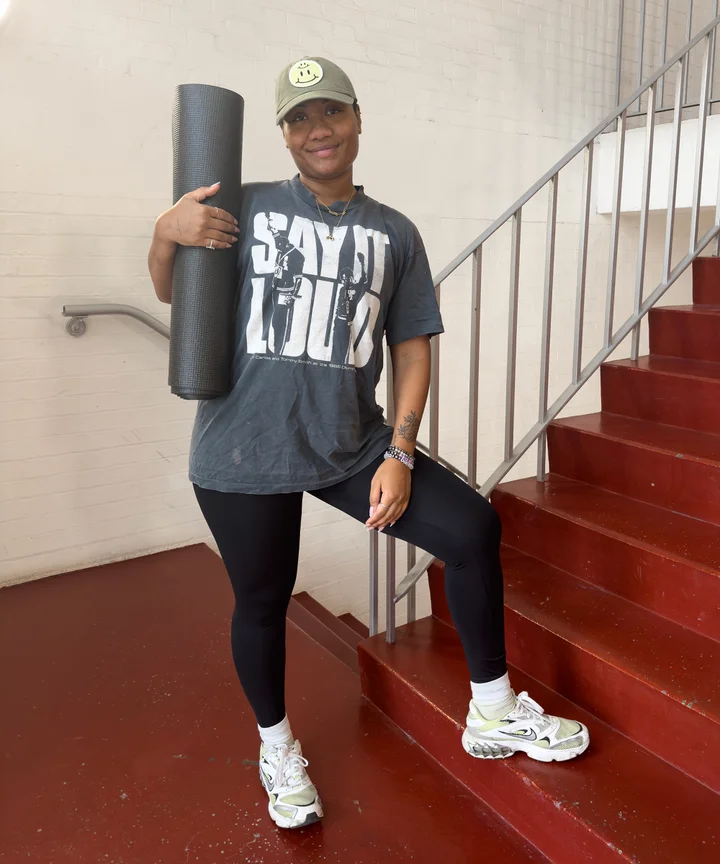
- Wearing basic cotton shirts or jeans
- Ignoring size charts and fit
- Choosing fashion over function
- Not washing clothes regularly
- Forgetting specialized gear for different sports
Avoid these errors by focusing on comfort, fit, and performance.
Credit: www.refinery29.com
How To Choose The Right Workout Clothes
Selecting the best workout clothes is simple if you follow these steps:
- Know your activity: Choose clothes designed for your sport (yoga, running, cycling, etc. ).
- Check the fit: Try different sizes and styles. Clothes should be snug but not tight.
- Look for moisture-wicking fabrics: Polyester, nylon, or blends are good choices.
- Consider weather: Use breathable clothes for warm weather, insulated clothes for cold.
- Check practical features: Pockets, zippers, adjustable straps, and built-in support are useful.
- Prioritize quality: Choose durable brands and read reviews.
- Express your style: Pick colors and patterns you like.
Making smart choices ensures you get all the benefits of workout clothes.
Real-life Examples And Data
Here are some real stories and statistics:
- A survey found that 80% of gym users prefer workout clothes over casual outfits for comfort and performance.
- Runners wearing moisture-wicking shirts experienced 40% less skin irritation.
- Cyclists using padded shorts reported reduced soreness and longer ride times.
- People who changed into sportswear before workouts were 50% more likely to stick to their exercise routine.
These numbers show that workout clothes are not just a trend—they make real differences.
Credit: www.spookynooksports.com
What The Experts Say
Fitness trainers and doctors recommend workout clothes for health, safety, and performance.
One trainer says: “Proper sportswear increases motivation and reduces injury risk. It’s an essential part of any workout.”
Doctors agree that moisture-wicking fabrics are important for skin health and comfort.
For more scientific research and expert advice, see Harvard Health.
Frequently Asked Questions
What Fabrics Are Best For Workout Clothes?
The best fabrics are polyester, nylon, and spandex. These materials are lightweight, stretchy, and moisture-wicking. Avoid pure cotton because it traps sweat and becomes heavy.
Can I Wear Workout Clothes All Day?
Yes, but it is best to change after exercise. Workout clothes are comfortable and practical, but sweat and bacteria build up after workouts. Always wash them before re-wearing.
Do Workout Clothes Really Improve Performance?
Studies show that compression garments and moisture-wicking fabrics help muscle recovery, reduce fatigue, and improve endurance. The right outfit can make a big difference.
How Should I Wash Workout Clothes?
Wash workout clothes in cold water with mild detergent. Avoid fabric softeners, which can block moisture-wicking. Hang dry or use a low heat setting to protect the fabric.
Are Expensive Brands Better?
Expensive brands often use advanced technology and durable materials. However, many mid-range brands offer good quality. Focus on comfort, fit, and features instead of price alone.
Wearing workout clothes is not just a trend—it’s a smart choice for health, comfort, and motivation. Sportswear improves your experience, protects your body, and helps you reach your goals. Whether you are a beginner or an athlete, investing in the right clothes makes every workout safer and more enjoyable. Remember, your outfit is part of your exercise routine. Choose wisely, and see the difference in your results.
