

Why is Gym Wear Tight? Unveiling the Science Behind the Fit
Why Is Gym Wear Tight
When you walk into a gym, you’ll notice most people wear tight gym clothes. From leggings and compression shirts to fitted shorts and sports bras, this style is everywhere. But why is gym wear tight? Is it just about fashion, or is there a deeper reason? Many people wonder if loose or baggy clothes would be more comfortable. The answer is more complex than it seems.
Tight gym wear isn’t just a trend. There are real reasons why athletes and fitness lovers choose snug-fitting clothes. This article explains those reasons. You’ll discover the science, the comfort factors, and even a few things most people miss. If you’ve ever wondered why your favorite gym leggings hug your legs, or why compression tops are so popular, you’ll find the answers here.
The Science Of Movement: Why Fit Matters
When you exercise, your clothes affect how you move. Tight gym wear is made to work with your body, not against it.
Loose clothes can get in the way, especially during exercises like running, cycling, or weightlifting. They may catch on equipment, restrict movement, or create extra drag. Tight clothing, on the other hand, stretches with you. This means you can move freely and safely. Whether you’re stretching, jumping, or lifting, your clothes won’t hold you back.
Professional athletes and serious gym-goers often pick compression wear. This type of clothing fits even tighter than normal gym wear. It’s not just for looks—it’s designed to support your muscles and improve your performance.
Comparing Loose And Tight Gym Wear For Movement
Here’s how loose and tight clothes perform during common gym activities:
| Activity | Loose Gym Wear | Tight Gym Wear |
|---|---|---|
| Running | Can flap, cause drag, may chafe | Reduces drag, stays in place |
| Weightlifting | May catch on weights or bench | Allows full range of motion |
| Yoga/Pilates | Loose fabric can get in the way | Stays close to body for better form |
| Cycling | Baggy pants can get caught in chain | Streamlined, reduces risk of snags |
Key insight: Many beginners don’t realize how much loose clothing can affect safety, especially with moving parts or weights. Even a simple drawstring can get caught and cause injury.
Muscle Support And Compression Benefits
One major reason gym wear is tight is muscle support. Compression clothing gently squeezes your muscles. This can reduce muscle fatigue and soreness during and after workouts.
Compression wear is backed by research. Some studies show it can improve blood flow and reduce vibration in muscles. Less vibration means your muscles don’t have to work as hard to stabilize during movement.
How Compression Works
When your muscles move, they naturally shake or vibrate. This is normal, but too much vibration can waste energy and make you tired faster. Tight gym wear holds your muscles in place. This helps you use your energy more efficiently.
Common Examples
- Runners wear compression socks to reduce swelling and muscle pain.
- Weightlifters use tight tops to support their upper body and maintain posture.
- Cyclists choose padded, tight shorts to avoid chafing and keep muscles warm.
Non-obvious insight: Compression can also help with proprioception—your body’s sense of where it is in space. This means you’re more aware of your posture and movements, which helps prevent injuries.
Sweat Management And Temperature Control
When you work out, your body produces sweat to keep cool. Gym clothes need to handle sweat well. Tight gym wear is often made from special materials that wick moisture away from your skin. This keeps you dry and comfortable.
Loose cotton clothes absorb sweat but don’t let it evaporate quickly. This can lead to heavy, wet clothing and even skin irritation. Tight gym wear, made from synthetic fibers like polyester or nylon, draws sweat away from your body and dries faster.
Moisture-wicking: How It Works
Moisture-wicking fabric pulls sweat from your skin to the surface of the fabric. There, it spreads out and evaporates more quickly. Tight clothing keeps the fabric in contact with your skin, so this process works better.
Example Comparison
| Fabric Type | Loose Fit | Tight Fit |
|---|---|---|
| Cotton | Holds sweat, feels heavy | Clings, but stays damp |
| Polyester Blend | Wicks slowly, may bunch up | Wicks quickly, stays in place |
| Nylon/Spandex | May sag with sweat | Holds shape, dries fast |
Practical tip: If you sweat a lot, pick gym wear labeled “moisture-wicking” and make sure it fits snugly for best results.
Reducing Chafing And Skin Irritation
One overlooked benefit of tight gym wear is reducing chafing. Chafing happens when skin rubs against fabric or itself during movement. This is common in areas like the thighs, underarms, and chest.
Loose clothes can bunch up or shift, causing extra friction. Tight gym wear stays in place, so there’s less rubbing. Many brands also use flat seams or seamless designs to prevent irritation.
Non-obvious insight: Some people develop rashes from sweat and friction, especially in hot or humid climates. Tight, sweat-wicking clothes can help prevent this problem better than loose cotton gear.
Enhancing Body Awareness And Form
Good form is important for every exercise. Whether you’re doing squats, yoga poses, or push-ups, your body’s alignment matters. Tight gym wear lets you see your body’s shape and posture easily.
Baggy clothes hide your knees, hips, or shoulders. It’s harder to check your form in the mirror or for a trainer to help you correct mistakes. Tight clothes show the lines of your body, making it easier to adjust your position.
Example: Squats
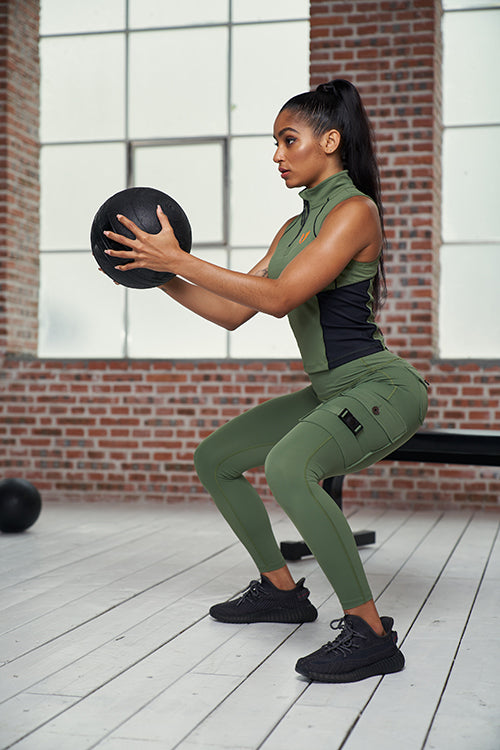
If your shorts or leggings are tight, you can watch your knees and hips during a squat. This helps you avoid mistakes like letting your knees collapse inward, which can cause injury over time.
Practical tip: If you’re learning a new exercise, wear fitted clothes so you or your coach can spot problems with your technique.
Fashion, Confidence, And Motivation
Let’s be honest—style is part of why people choose tight gym wear. Many gym-goers like the way tight clothes look and feel. When you feel good about your outfit, you may feel more confident and motivated to exercise.
Gym fashion has become a big industry. Brands design leggings, tops, and shorts in many colors and patterns. Some people find that wearing stylish, fitted clothes helps them stick to their workout routine.
The Psychology Of Gym Wear
Studies show that what you wear can affect how you perform. This is called “enclothed cognition.” If you put on clothes that make you feel strong, focused, or energetic, you might actually work out harder.
Non-obvious insight: Even people who are not body-confident often choose tight gym wear because it makes them feel more “in the zone” for exercise. The right outfit can help you shift into a workout mindset.
Credit: www.firmabs.com
Hygiene And Health Considerations
Gyms are public places. There’s a risk of picking up germs, bacteria, or fungi from equipment or mats. Tight gym wear helps protect your skin by covering it fully and staying in place.
Loose clothes can drag on the floor or touch surfaces you don’t notice. Tight clothes act like a barrier, especially if they cover your arms and legs. Many modern gym clothes are also antimicrobial, which means they help prevent the growth of odor-causing bacteria.
Hygiene Benefits
- Full coverage: Less skin touches shared surfaces.
- Less sweat pooling: Moisture-wicking reduces bacteria growth.
- Easy washing: Most tight gym wear dries fast, so you can wash it after every use.
Practical tip: Always wash your gym clothes after each workout to stay healthy, especially if you sweat a lot.
Safety And Equipment Use
Certain gym equipment is designed for close-fitting clothes. For example, treadmills, bikes, and weight machines all have moving parts. Loose clothing can get caught, leading to accidents.
Tight gym wear reduces this risk. It also works better with accessories like weightlifting belts, cycling pads, or harnesses. Nothing bunches up or slips out of place.
Non-obvious insight: Many gyms have dress codes that require tight-fitting or athletic clothing for safety reasons—not just for fashion.
Technology In Modern Gym Wear
Today’s gym wear is much more advanced than in the past. Brands use special fabrics and designs to improve performance, comfort, and safety.
Key Features In Modern Tight Gym Wear
- Four-way stretch: Moves with your body in all directions.
- Breathable mesh panels: Keep you cool in sweaty areas.
- Seamless construction: Reduces risk of chafing.
- Reflective stripes: Adds visibility for outdoor workouts.
- Anti-odor technology: Keeps clothes fresher, longer.
Example: Some running tights have hidden pockets, so you can carry keys or cards without the extra bulk of loose shorts.
Cultural And Social Factors
In many places, tight gym wear is the norm. This is partly due to fitness culture, social media, and gym fashion trends. People often look to professional athletes, influencers, or friends for style cues.
Non-obvious insight: In some cultures, modesty is important. Brands now offer tight gym wear with full-coverage designs, like long-sleeve tops and leggings, to meet these needs.
Tip: Choose clothing that fits both your comfort and cultural preferences. There are options for everyone.
Common Beginner Mistakes When Choosing Gym Wear
If you’re new to the gym, it’s easy to make mistakes with clothing. Here are the most common ones:
- Choosing clothes too tight: Extremely tight clothes can cut off circulation or cause discomfort.
- Picking the wrong fabric: Cotton feels soft but stays wet. Look for synthetic blends.
- Ignoring fit for style: Not every tight piece will suit your body or your workout type.
- Skipping the squat test: Try bending or squatting in the fitting room to check if clothes stay in place.
- Wearing old or stretched-out gear: Worn-out gym wear loses its support and can become see-through.
Practical advice: Try on gym wear before buying. Move around in it—jump, squat, twist. If it doesn’t stay put or feels uncomfortable, choose a different size or style.
Comparing Tight Gym Wear For Different Activities
Not every gym activity needs the same level of tightness or compression. Here’s a look at what works best for common workouts:
| Activity | Recommended Fit | Why |
|---|---|---|
| Running | Tight/compression | Reduces drag, supports muscles |
| Weightlifting | Fitted, not restrictive | Allows movement, shows form |
| Yoga/Pilates | Very fitted, stretchable | Tracks body lines, prevents bunching |
| Cycling | Tight, padded shorts | Reduces friction, protects skin |
| HIIT/Cardio | Snug, moisture-wicking | Stays in place during fast moves |
Key insight: There’s no “one size fits all” approach. Choose gym wear based on your activity and comfort level.

Credit: everestkitchennc.com
Myths And Misconceptions About Tight Gym Wear
Many people believe that tight gym wear is uncomfortable or only for people with certain body types. Let’s clear up a few myths:
- Myth: Tight gym wear is only for slim people.
- Fact: Brands offer a wide range of sizes and styles. The benefits apply to all shapes and sizes.
- Myth: Tighter means better performance.
- Fact: Too-tight clothes can restrict movement and cause problems. Find a fit that supports, not squeezes.
- Myth: Compression wear is only for athletes.
- Fact: Anyone can benefit from muscle support, better sweat management, and reduced chafing.
Non-obvious insight: Confidence comes from comfort, not just style. The best gym wear is what helps you move, sweat, and feel your best.
How To Choose The Right Tight Gym Wear
If you want to try tight gym wear, here’s how to pick the right gear:
- Check the fabric: Look for blends with polyester, nylon, or spandex for stretch and moisture-wicking.
- Find your fit: Clothes should hug your body but not pinch. Test by moving in the fitting room.
- Consider the activity: Compression for running, stretch for yoga, padding for cycling.
- Look for flat seams: Reduces chafing and irritation.
- Think about coverage: High-waist leggings, long sleeves, or crop tops—choose what makes you comfortable.
- Read reviews: Other users often mention if clothes run large or small.
- Wash and care: Follow label instructions to keep your gear in good shape.
Tip: Don’t be afraid to try different brands. Fit can vary a lot.
:max_bytes(150000):strip_icc()/the-best-seamless-leggings-that-wont-roll-down-new-tout-d76dbf51f1ef4340af8624a49c84ffae.jpg)
Credit: everestkitchennc.com
What The Experts And Science Say
Fitness experts and sports medicine professionals agree that tight gym wear offers real benefits. According to studies, compression clothing can improve recovery and reduce muscle soreness after exercise. It also helps athletes perform at their best by supporting muscles and joints.
A detailed look at research can be found at the National Institutes of Health.
Key point: Science supports the idea that snug, well-designed gym wear is more than just a fashion statement. It’s about health, comfort, and performance.
Frequently Asked Questions
Why Is Gym Wear Usually Made Of Stretchy Fabric?
Stretchy fabric, like spandex or elastane, allows gym wear to move with your body. This helps you perform exercises without restriction and keeps the clothing in place during fast or complex movements.
Can Tight Gym Wear Cause Health Problems?
Tight gym wear should fit snugly but not be uncomfortable. If clothing is too tight, it can restrict blood flow or cause skin irritation. Always choose a size that supports but doesn’t squeeze your body.
Is Compression Wear Different From Normal Tight Gym Clothes?
Yes, compression wear is designed to apply gentle pressure to muscles. This can help with muscle support, recovery, and reducing soreness. Normal tight gym wear may not provide the same level of pressure or benefits.
How Do I Know If My Gym Wear Is Too Tight?
If you feel numbness, tingling, or pain, your clothing is too tight. You should be able to move freely, breathe easily, and not see deep marks on your skin after wearing the clothes.
Are Tight Gym Clothes Suitable For Everyone?
Most people can wear tight gym clothes, but personal comfort matters. Some may prefer looser styles or need more coverage. There are many options, so choose what feels right for your body and workout.
In summary, tight gym wear is popular for good reasons. It helps you move better, supports your muscles, manages sweat, and can even boost your confidence. Choose the right fit and fabric, and you’ll see why so many people prefer snug gym clothes for their workouts.
