

Why is Gym Clothes So Expensive? Unveiling the Real Reasons
Why Is Gym Clothes So Expensive
Many people notice that gym clothes often cost much more than regular clothing. You might wonder why a basic tank top or a pair of leggings can be so pricey just because they are designed for exercise. The truth is, several factors push up the price of gym wear, and the reasons are not always obvious at first glance.
Gym clothing brands promote their gear as high-performance, durable, and stylish. But is that enough to justify the price tags? To really understand why gym clothes are so expensive, you need to look deeper at what goes into making, marketing, and selling them.
From special fabrics and advanced designs to branding and even psychological reasons, there are many things behind the scenes that make your favorite gym outfit cost more than a casual t-shirt.
Let’s explore all the main reasons, using clear examples and practical insights, so you can decide whether these costs are really worth it for you.
The True Cost Of Specialized Fabrics
One of the biggest reasons gym clothes are expensive comes down to the fabric. Brands use materials that are different from normal cotton or polyester shirts.
Special gym fabrics often include:
- Moisture-wicking fibers that pull sweat away from your body
- Quick-dry technology to keep you comfortable during workouts
- Stretchable materials that move with your body
- Breathable textiles that help regulate temperature
- Odor-resistant finishes to fight bacteria growth
These advanced materials usually cost much more to produce. For example, high-quality nylon blends or custom spandex can cost two or three times more per yard than standard cotton.
Also, the development of these fabrics involves research and testing. Brands test materials for durability, flexibility, and comfort. All of this adds to the final cost. You’re not just paying for the fabric itself; you’re also paying for the science and technology that make gym clothes feel better and last longer.
Comparing Fabric Costs
See how different materials stack up in terms of price per yard:
| Fabric Type | Average Cost per Yard | Usage in Gym Wear |
|---|---|---|
| Standard Cotton | $3 - $5 | Basic Tees |
| Performance Nylon Blend | $8 - $12 | Leggings, Compression Wear |
| Custom Spandex | $10 - $15 | Yoga Pants, Sports Bras |
| Merino Wool | $18 - $22 | Winter Base Layers |
Choosing the right materials can nearly triple the production cost, and these costs get passed on to you.
Advanced Manufacturing And Construction
Making gym clothes is not the same as making a regular shirt. Many gym wear pieces require advanced construction techniques.
These might include:
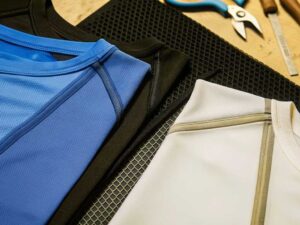
- Flatlock seams to prevent chafing and irritation
- Laser-cut ventilation holes for extra breathability
- Gussets (extra fabric in key areas) for better movement
- Reinforced stitching for durability during intense activity
These processes are often done with specialized machines and skilled workers. Brands may also add features like hidden pockets, reflective strips, or adjustable waistbands.
Manufacturing with these features costs more in both time and labor. For example, flatlock stitching takes longer and requires special equipment. This is why a pair of leggings with no inner seams will cost more than regular leggings with basic stitching.
What many buyers miss is that these construction choices can make the difference between a comfortable, long-lasting piece and one that wears out quickly or feels uncomfortable during exercise.
Credit: modaknits.com
Research, Development, And Testing
Most high-end gym wear brands invest heavily in research and development (R&D). They do not just copy old designs. They test new materials, create prototypes, and ask athletes to try the clothes in real conditions.
Some steps in this process:
- Designing new garments for specific sports or movements
- Prototyping and making small test batches
- Lab testing for stretch, sweat-wicking, and durability
- Field testing with athletes for real-world feedback
- Redesigning based on test results
This cycle can take months. For example, a major brand might spend over $100,000 developing a single new sports bra design. Most of this cost is invisible to the buyer but gets included in the price.
A beginner might not realize that each small improvement—from better fit to improved moisture control—comes from many hours of testing and feedback. This is why even small differences in comfort or performance can lead to higher prices.
Branding, Marketing, And Image
Another big factor in the high price of gym clothes is branding. Fitness brands like Lululemon, Nike, or Gymshark spend huge amounts on marketing to build their image.
They invest in:
- Celebrity endorsements
- Sponsoring athletes and teams
- High-quality ads and videos
- Social media campaigns
- Influencer partnerships
All these activities cost a lot but help create a strong brand that people trust and want to be part of. When you buy a well-known brand, you are often paying for the prestige and the community feeling, not just the product itself.
This is also why two very similar pairs of leggings might have a price difference of $50 or more, just because one has a famous logo.
Fashion And Trend Influence
Gym clothing is not just about function anymore. Many people wear athleisure—clothes designed for both the gym and casual wear. This trend has made gym wear a part of daily fashion.
As a result, brands pay more attention to:
- Unique designs and patterns
- Seasonal color collections
- Limited edition drops
- Collaborations with designers or celebrities
Producing trendy, fashionable pieces costs more than making basic, plain gym wear. Styles change quickly, which means brands must constantly update their collections. Short runs and frequent updates drive up costs, as factories have to make smaller batches and designers must work faster.
This focus on style also creates a sense of urgency—if you want the latest look, you often pay a premium.
Ethical Manufacturing And Fair Labor
Some gym clothing brands highlight their commitment to ethical production. They promise fair wages, safe working conditions, and eco-friendly factories.
Making gym clothes in countries with strict labor laws or environmental rules costs more. For example, producing leggings in a certified green factory in Europe or North America can cost double what it would in a low-cost factory elsewhere.
Many buyers do not realize that when they pay more for a brand that advertises “fair trade” or “eco-friendly,” they are helping cover these higher labor and compliance costs. For some, this is worth it for peace of mind and sustainability.
Sustainability And Eco-friendly Materials
There is a rising demand for sustainable gym wear. Some brands now use:
- Recycled polyester from old plastic bottles
- Organic cotton grown without pesticides
- Bamboo fibers for softness and breathability
- Dyes that use less water and chemicals
These materials are often more expensive and harder to source. The process to recycle or produce them is more complex, and there are extra steps to certify the materials as truly eco-friendly.
While these features are better for the planet, they add to the price. For example, recycled nylon can cost 30–50% more than regular nylon, and organic cotton farming yields less per acre, raising prices.
Distribution And Retail Markup
When you buy gym clothes from a store or online shop, you are not just paying for the product itself. The final price includes several layers of markup:
- Wholesale markup (brand to retailer)
- Retail markup (store’s profit)
- Shipping and logistics
- Returns and exchange handling
A pair of leggings that costs $20 to make may be sold at $60–$100 after all these markups. Stores need to cover rent, staff, and unsold inventory, so they increase prices.
Direct-to-consumer brands (those that sell only online) sometimes offer lower prices because they skip the retail markup. Still, even these companies include their own profit margin.
Small Batch Production
Many gym wear brands produce in small batches. This means they do not make huge quantities of each style. There are reasons for this:
- Reduces waste if styles do not sell well
- Allows for frequent updates to trends and colors
- Creates a sense of exclusivity
However, small batch production is less efficient. Factories give better prices for large orders. When a brand orders only a few hundred pieces, the cost per item is much higher than an order of 10,000.
This is especially true for new brands or those who make special collections. Lower volume means higher cost, which leads to a higher retail price.
Import, Taxes, And Regulations
Many gym clothes are made overseas and shipped worldwide. Importing products involves:
- Customs duties and taxes
- Shipping fees
- Compliance with local regulations
If a brand wants to sell in several countries, it must meet each country’s safety and labeling laws. This can add to the cost of each item.
For example, labeling requirements for recycled content or fire safety in children’s clothing can lead to extra production steps. These costs, although small per item, add up across a collection.
Innovation And Patented Technologies
Some gym wear brands use patented technologies. For example:
- Compression fabrics designed to improve blood flow
- Anti-bacterial coatings to reduce odor
- Temperature control systems that keep you cool or warm
Patents cost money, and brands usually charge more for these “exclusive” features. They also need to pay licensing fees if they use someone else’s technology.
What many people miss is that these innovations are sometimes what sets a $100 pair of running shorts apart from a $20 pair. Whether the extra feature is worth it depends on your needs, but the cost of innovation is real.
Packaging And Presentation
You might not think about packaging when you buy gym clothes, but it adds to the cost. High-end brands use:
- Custom boxes
- Reusable bags
- Special wrapping and tags
These details create a “premium” experience and help the brand stand out. But making and shipping these extras increases the price. Even sustainable packaging, like recycled paper or compostable bags, costs more than basic plastic.
Influencer And Celebrity Impact
In recent years, influencers and celebrities have played a big role in gym wear pricing. When a popular figure is seen in a brand’s outfit, demand rises quickly.
Brands pay large sums for these partnerships, and the cost is built into the product price. Limited-edition drops connected to a celebrity can sell for double or triple the normal price.
For example, a basic black hoodie might cost $60. But if it’s part of a collaboration with a famous athlete, it could cost $120 or more, even if the materials are similar.
High Return And Exchange Rates
Gym clothes are often bought online, and people want the perfect fit. This leads to high return rates. Brands must handle returns, clean or repackage items, and sometimes absorb the cost of unsellable goods.
Some reports show that return rates for apparel can be as high as 30–40%. Brands raise prices to cover these losses. So even if you keep your purchase, you are indirectly paying for the returns of others.
Quality Control And Warranty
Top brands often offer guarantees or warranties on their gym wear. This means they will replace items if stitching comes loose or fabric fails under normal use.
Providing this service requires extra quality control during production and a support team to handle claims. These extra checks and services are included in the price, providing peace of mind but raising the cost.
Store Experience And Customer Service
Some gym wear brands invest heavily in their retail stores. They create welcoming spaces, offer free tailoring or fitting, and have trained staff to help customers.
This high level of customer service is expensive. Brands that provide in-store events or personalized shopping pass these costs onto buyers. You are not just paying for clothes—you are paying for the overall experience.
The Psychological Factor: Perceived Value
There is also a psychological reason why gym clothes are expensive: perceived value. Many buyers believe that higher price means better performance, more style, or greater status.
Brands know this and use pricing strategies to create an “aspirational” feeling. Sometimes, raising the price actually increases sales because people see the brand as more desirable.
This is why discount gym wear is often ignored, even if it performs well. The feeling of wearing a high-end brand can be as valuable to some as the actual quality of the clothes.
Common Myths About Gym Clothes Pricing
Many people think all gym clothes are overpriced for no reason. But there are a few myths that beginners often believe:
- Myth: All expensive gym wear is the same as cheap brands.
- Reality: There can be big differences in fabric, fit, and durability. But not every expensive item is better—some are just marked up for branding.
- Myth: Only professionals need high-quality gym wear.
- Reality: Anyone can benefit from comfortable, well-fitting clothes, especially for activities that cause a lot of sweating or movement.
- Myth: You are always paying for the logo.
- Reality: Sometimes, you are paying for real innovation, ethical practices, or superior construction.

Credit: colosseumathletics.com
Real-life Examples And Data
Let’s compare a basic pair of leggings from a budget store and a high-end brand.
| Feature | Budget Brand | Premium Brand |
|---|---|---|
| Material | Basic Polyester | Custom Nylon-Spandex Blend |
| Seams | Standard Stitch | Flatlock, Reinforced |
| Sweat-wicking | Minimal | High Performance |
| Odor Control | No | Yes |
| Brand | Unknown | Global Leader |
| Retail Price | $20 | $100 |
While the premium brand costs five times more, it offers better fabric, fit, and extra features. But the value depends on your needs and preferences.
Tips For Getting The Best Value
If you want quality gym wear without overspending, here are some strategies:
- Know your needs. If you do light yoga, you might not need the most advanced performance fabrics.
- Look for sales and outlets. Many brands offer discounts at the end of each season.
- Try direct-to-consumer brands. These often provide good quality at lower prices.
- Read reviews and try on if possible. Fit and comfort can vary widely.
- Check the label. Look for the actual fabric content and features, not just the logo.
A smart buyer considers both the technical features and the price, not just the hype.
The Impact Of Counterfeit And Knockoff Products
Cheap knockoffs of popular gym wear are everywhere. They may look similar but usually use lower-quality materials and construction. While it might be tempting to save money, these products rarely last and can perform poorly.
Buying real gym wear from trusted sources ensures you get the quality and durability you expect. Also, supporting original brands helps fund further innovation and ethical practices.
Is Expensive Gym Wear Always Worth It?
The answer depends on your priorities. For serious athletes or people who work out daily, the extra comfort, durability, and technical features can be valuable. For others, a mid-range or budget option may work just fine.
Remember, price does not always equal quality. Always consider what you need from your gym clothes before buying.
For more on the science of sports apparel, see this comprehensive explanation.
Credit: twistedsifter.com
Frequently Asked Questions
Why Do Some Gym Clothes Cost Over $100?
High prices often come from advanced materials, patented technology, branding, and marketing costs. Some brands also use ethical factories and sustainable materials, which are more expensive. You are paying for both performance and brand image.
Are Expensive Gym Clothes Really Better?
Often, yes. Expensive gym wear usually lasts longer, fits better, and performs well during workouts. But not every expensive item is worth it—sometimes you pay mainly for the logo. Always check reviews and features before buying.
How Can I Tell If Gym Clothes Are Worth The Price?
Check for technical features like sweat-wicking, stretch, and flatlock seams. Look at fabric content, warranty, and user reviews. If the clothes last longer and feel better, they are likely worth the price.
Is Sustainable Gym Wear Always More Expensive?
Usually, yes. Sustainable materials and ethical production cost more, so brands charge higher prices. However, some direct-to-consumer brands are reducing these costs as demand grows.
Can I Find Good Gym Clothes At A Lower Price?
Yes. Look for sales, outlets, and lesser-known brands. Focus on features that matter most to you and avoid buying just for a famous logo. With a bit of research, you can find quality gym wear at a reasonable price.
Paying more for gym clothes often means getting extra comfort, performance, or peace of mind. But smart shoppers know when the price is right for their needs. Now, when you see a high price tag, you’ll understand all the reasons behind it—and you’ll be able to make the choice that’s best for you.
