

Why is Business Casual Attire Essential for Workplace Success?
Why Is Business Casual Attire
When you walk into most offices today, you will notice something different from the strict suits and ties of the past. Employees are wearing more relaxed, comfortable clothes, yet they still look professional. This style is known as business casual attire. It has become the standard dress code in many workplaces around the world. But why is business casual so popular? What does it really mean, and how does it affect the way people work and interact? This article will help you understand the reasons behind business casual, its benefits, its challenges, and how you can dress appropriately for this modern standard.
The Meaning And Origins Of Business Casual
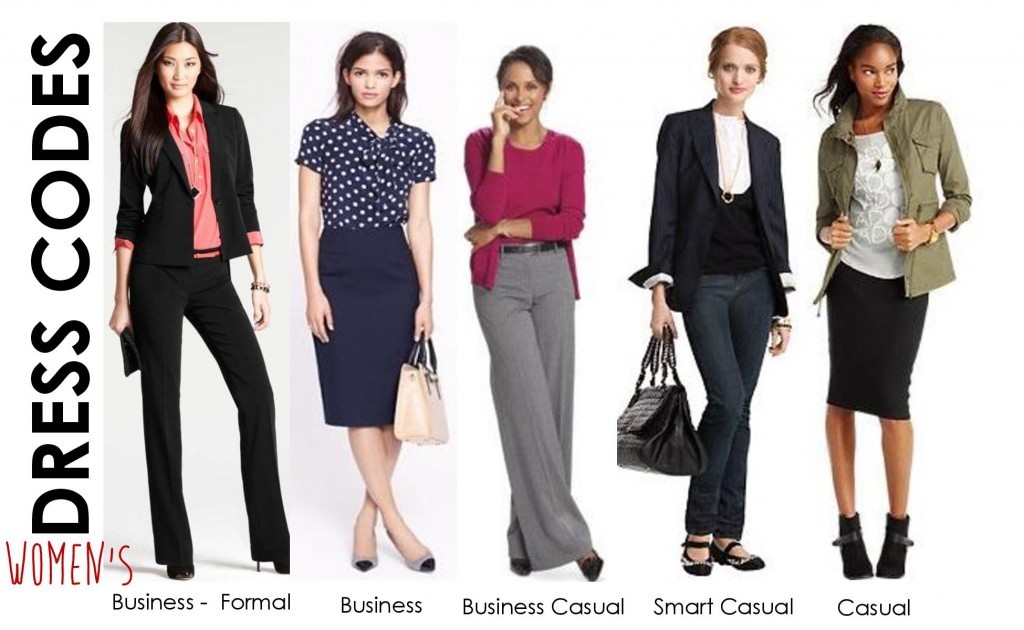
Business casual attire is a mix of professional and relaxed clothing. It allows people to look neat and competent without wearing formal suits. Typical business casual outfits include dress pants or khakis, collared shirts, blouses, skirts, and closed-toe shoes. Jackets and ties are optional, and sometimes jeans are acceptable if they are clean and without rips.
This dress code started in workplaces that wanted to create a more friendly and flexible environment. As technology companies grew, they chose comfort over tradition. Soon, other industries followed. Today, business casual is common in offices, meetings, and even some formal events.
How Business Casual Differs From Other Dress Codes
To understand business casual, it helps to compare it to other office dress codes:
| Dress Code | Typical Clothing | Formality Level |
|---|---|---|
| Formal Business | Suits, ties, dress shoes | High |
| Business Casual | Dress pants, collared shirts, blouses, skirts | Medium |
| Casual | Jeans, t-shirts, sneakers | Low |
Business casual sits in the middle. It is less strict than formal business wear but more polished than casual clothing.
Why Business Casual Became Popular
The rise of business casual attire is not just about fashion. There are practical reasons why this dress code is now preferred in many organizations.
1. Comfort And Productivity
When employees wear comfortable clothes, they feel better during the day. This can lead to better focus and higher productivity. Sitting in a suit all day can be distracting, while business casual allows for easier movement and fewer physical complaints.
For example, a survey by the Society for Human Resource Management found that companies with relaxed dress codes saw a 41% increase in employee satisfaction. Many workers reported feeling less stressed and more willing to stay late or contribute extra effort.
2. Attracting And Retaining Talent
Today’s workforce values flexibility. When companies offer business casual dress, they attract younger employees who expect a modern culture. This helps with recruitment and keeps people from leaving for other firms with friendlier policies.
Some tech companies like Google and Apple were early adopters of business casual. Their relaxed dress codes became part of their brand, making them more appealing to skilled professionals.
3. Reflecting Company Values
Business casual can show that a company is open-minded and cares about staff well-being. It sends a message of trust and respect. Employees feel they are judged by their work, not by their clothing.
This shift has also helped break down old power structures. Workers from all backgrounds feel more included when dress codes are less strict.
4. Adapting To Changing Work Environments
Remote work and hybrid offices are more common now. Business casual fits these settings well. Employees can join meetings from home or the office without changing their entire outfit.
In fact, many companies have adjusted their dress codes to match the realities of video calls and flexible schedules.
5. Cost Savings
Formal business wear can be expensive. Business casual lets employees spend less on clothes and maintenance. This is especially important for younger workers and those just starting their careers.
Some companies even provide guidance or clothing allowances to help staff find suitable business casual items.
What Business Casual Looks Like
Many people are unsure what business casual attire really means. The rules can change between companies and regions. Here are some common examples:
Typical Business Casual Clothing
- Men: Dress pants or khakis, collared shirts (like polos or button-downs), sweaters, belts, dress shoes, optional blazer.
- Women: Dress pants or skirts, blouses, sweaters, cardigans, flats or low heels, simple accessories.
Jeans, sneakers, t-shirts, and flashy jewelry are usually not allowed unless the company says otherwise.
Examples Of Acceptable Business Casual Outfits
| Gender | Outfit Example |
|---|---|
| Male | Khaki pants, light blue button-down shirt, brown belt, leather shoes |
| Female | Black skirt, white blouse, navy cardigan, simple necklace, black flats |
These combinations look professional but are comfortable enough for daily use.
How Business Casual Varies By Industry
Some industries are stricter than others. For example, finance and law firms expect more formal business casual. Tech companies allow jeans and sneakers. Always check your company’s policy or ask HR if you’re unsure.
The Benefits Of Business Casual Attire
Choosing business casual has many advantages for both employees and organizations.
Improved Employee Morale
Staff feel more relaxed and confident when they don’t worry about expensive, uncomfortable clothing. This improves morale and job satisfaction.
Better Team Spirit
When everyone dresses in similar, relaxed styles, there is less visible difference between managers and staff. This creates a sense of unity and teamwork.
Higher Productivity
Comfortable clothing helps people focus on their tasks, not their appearance. Studies show that relaxed dress codes can lead to more creativity and innovation.
Practical Cost Savings
Employees save money on clothing and dry cleaning. Companies may offer clothing allowances or discounts, which further reduce costs.
Adaptability
Business casual allows workers to attend meetings, work at their desks, and interact with clients without changing outfits. It suits a variety of situations.
Challenges And Misunderstandings
Even though business casual is popular, it can cause confusion and problems if not managed well.
Lack Of Clear Guidelines
Some companies do not explain what is acceptable. Employees may arrive in clothing that is too casual or too formal. This can lead to embarrassment or conflict.
Risk Of Unprofessional Appearance
If people wear clothes that are too relaxed, clients or managers may see them as unprofessional. It is important to balance comfort with a neat look.
Cultural Differences
Business casual means different things in different countries. In some places, jeans are fine, while in others, they are not allowed. Travelers should learn local customs before dressing.
Gender And Age Differences
Older workers may prefer more formal clothing, while younger staff like casual styles. Women often have more options, which can cause confusion about what is acceptable.
Maintaining Respect And Authority
Managers sometimes worry that relaxed dress codes make it harder to show leadership. Wearing business casual does not mean losing authority, but it requires careful choices.
How To Dress Business Casual: Practical Tips
If you are new to business casual or want to improve your style, these practical tips will help:
1. Know Your Company’s Policy
Always check the dress code guidelines. If you are unsure, ask your supervisor or HR department.
2. Choose Quality Over Quantity
Buy a few well-made items that fit you well. Clean, pressed clothes look better than expensive ones that are worn out.
3. Mix And Match
Pick neutral colors like black, navy, gray, or beige. These can be combined easily. Add one or two bright items for variety.
4. Keep Accessories Simple
Avoid loud jewelry, flashy belts, or large bags. Choose classic styles that match your outfit.
5. Maintain Good Grooming
Business casual is not just about clothes. Keep hair neat, nails clean, and shoes polished.
6. Avoid Common Mistakes
- Don’t wear sports shoes unless allowed.
- Avoid t-shirts with logos or graphics.
- Don’t wear wrinkled or stained clothing.
- Avoid shorts, tank tops, or flip-flops.
7. Adapt For Special Occasions
If you have a client meeting or presentation, add a blazer or tie. This shows respect and professionalism.

Credit: www.boltstaffing.com
Data On Business Casual Trends
The popularity of business casual is not just a trend. It is supported by data and research.
Employee Preferences
A Gallup survey found that 67% of employees prefer business casual dress codes over formal attire. Most said it made them feel more comfortable and willing to collaborate.
Company Adoption Rates
Research from the National Retail Federation shows that 75% of US companies have adopted business casual dress codes. The trend is growing in Europe and Asia as well.
Productivity Impact
Companies with relaxed dress codes report a 10–20% boost in creativity and teamwork, according to a Harvard Business Review study.
Impact On Job Satisfaction
| Dress Code | Job Satisfaction (%) |
|---|---|
| Business Formal | 58 |
| Business Casual | 74 |
| Casual | 66 |
Business casual leads to higher job satisfaction than formal or casual dress codes.
Non-obvious Insights For Beginners
Many beginners think business casual is easy, but there are details they often miss.
1. Fit And Fabric Matter
Even in business casual, clothes should fit well and be made of quality materials. Loose or tight clothes can look unprofessional. Choose fabrics like cotton, wool, or blends that resist wrinkles.
2. Seasonal Adjustments
Business casual changes with the weather. In summer, light fabrics and short sleeves are acceptable. In winter, sweaters and layers are common. Always adjust your style to the season.
3. Shoes Are Important
Many people forget that shoes are part of business casual. Avoid sneakers unless your company says they are fine. Choose closed-toe shoes, loafers, or flats.
4. Personal Branding
Your business casual style can reflect your personality. Use color, accessories, or small details to show who you are, but keep it professional.
5. Remote Work Dress Codes
Even when working from home, dress professionally for video calls. This shows respect and helps you feel ready for work.
Credit: gardner-webb.edu
Real-world Examples
Some companies have unique business casual policies. For example, the consulting firm Accenture allows jeans on Fridays. Microsoft employees wear polos and khakis daily. Starbucks staff dress in black or khaki pants with branded shirts.
These examples show that business casual is flexible and can be adapted to different cultures and industries.
Business Casual For Different Body Types
Everyone has a different body shape. Business casual allows you to choose clothes that flatter your figure.
Tips For Tall Individuals
- Choose pants with a longer inseam.
- Wear shirts with proper sleeve length.
- Avoid clothes that look too short.
Tips For Petite Individuals
- Pick clothes that fit closely.
- Avoid oversized items.
- Wear heels or wedges to add height.
Tips For Plus-size Individuals
- Select clothes with structure.
- Choose dark colors for a slimming effect.
- Avoid tight or baggy clothes.
Tips For Athletic Builds
- Choose fitted shirts and pants.
- Avoid bulky fabrics.
- Use accessories to add style.
The Role Of Business Casual In Company Culture
Dress codes shape the way people interact at work. Business casual can help create a more open, friendly culture.
Building Trust
Employees feel trusted when they can choose their clothes. This leads to better relationships and teamwork.
Encouraging Diversity
Relaxed dress codes help people from different backgrounds feel included. There is less pressure to follow strict rules.
Supporting Innovation
When staff are comfortable, they are more willing to try new ideas and share their opinions. This leads to more innovation.
Business Casual In A Global Context
Business casual is not the same everywhere. In Asia, dress codes may be stricter. In Europe, fashion is important, and business casual can be more stylish. In Latin America, bright colors and patterns are common.
If you travel or work with international teams, learn local customs to avoid mistakes.
Business Casual For Interviews
Job interviews are a special case. Even if a company has a business casual dress code, it is best to dress slightly more formal. Wear a blazer or jacket, polished shoes, and keep accessories simple.
If you are unsure, ask the recruiter what is expected. It is better to be slightly overdressed than too casual.
The Future Of Business Casual Attire
Business casual is likely to become even more flexible. As remote work grows, companies will allow more types of clothing. Technology may lead to new fabrics and designs.
However, the core idea will stay the same: balance comfort with professionalism.

Credit: www.wikihow.com
Frequently Asked Questions
What Is The Main Difference Between Business Casual And Formal Business Attire?
Business casual allows more comfortable, relaxed clothing like dress pants, collared shirts, and sweaters. Formal business attire requires suits, ties, and dress shoes. Business casual is less strict and more flexible.
Can Jeans Be Considered Business Casual?
Jeans are sometimes allowed if they are clean, dark, and without rips. However, not all companies accept jeans as business casual. Always check your company’s policy.
Is Business Casual The Same For Men And Women?
No, there are differences. Men usually wear dress pants and collared shirts. Women have more options, including skirts, blouses, and cardigans. Both should avoid overly casual items.
How Should I Dress For A Business Casual Interview?
Choose dress pants or a skirt, a collared shirt or blouse, closed-toe shoes, and a blazer if possible. Keep accessories simple. It is better to be a bit more formal than too casual.
Where Can I Find Examples Of Business Casual Attire?
Many fashion sites and HR guides offer examples. A reliable resource is The Muse, which shows real-world business casual outfits.
Business casual attire has changed the way people work and interact. It offers comfort, flexibility, and professionalism. By understanding what business casual means, you can dress well, feel confident, and contribute to a positive workplace culture. Whether you are starting a new job or updating your wardrobe, these guidelines will help you make the right choices.
