

Why is a Rash Guard Called That: Uncover the Surprising Origin
Have you ever wondered why a rash guard is called a rash guard? It’s more than just a strange name for a piece of clothing.
If you’re someone who loves surfing, swimming, or any water sport, understanding this term can change the way you see and use this gear. The story behind the name reveals how this simple shirt protects your skin and boosts your performance.
Keep reading to discover the surprising reason behind the name and why a rash guard might be your next must-have item.
Origin Of The Term
Rash guards got their name because they protect the skin from rashes caused by friction. Surfers wore them to avoid irritation from the board. The term stuck as the gear became popular in water sports.
Early Uses Of Rash Guards
Rash guards first appeared in water sports. Surfers wore them to protect skin from rashes caused by friction. The material helped reduce irritation from rough surfboards. It also offered some sun protection. Over time, other sports adopted rash guards. People used them in martial arts and swimming too. They became popular for their comfort and safety benefits.
Etymology Of 'rash Guard'
The name comes from its main purpose. It is designed to guard against rashes. The word "rash" means skin irritation or red spots. "Guard" means to protect or defend. Together, they describe clothing that protects skin. The term started in the 1970s with surfing culture. It clearly tells what the garment does. Simple and direct.

Credit: battlegend.com
Rash Guards In Water Sports
Rash guards are popular in many water sports. They are tight-fitting shirts made of stretchy material. These shirts help protect the skin during activities like surfing, diving, and swimming. The name "rash guard" comes from their main purpose: to guard the skin from rashes. Wearing one reduces skin problems caused by water sports.
Protection Against Skin Irritations
Rash guards protect the skin from irritation caused by saltwater, sand, and surfboards. The tight fabric stops chafing and rubbing. This helps avoid painful rashes and redness. They also shield the skin from jellyfish stings and sunburn. This makes water sports safer and more comfortable.
Role In Surfing And Diving
Surfers use rash guards to prevent rubbing against the board. This keeps their skin smooth and rash-free. Divers wear them to protect against cold water and sharp objects underwater. Rash guards add a layer of warmth and safety. This helps athletes focus on their performance without skin problems.
Material And Design Features
The name "rash guard" comes from its material and design. These features protect skin from rashes and irritation. The fabric and fit work together to keep you comfortable and safe. Below are key points about the materials and design that make rash guards special.
Fabric Technology
Rash guards use stretchy, quick-dry fabrics. Common materials include polyester and spandex blends. These fabrics fit tightly to the skin. They stop sand and salt from causing irritation. The fabric also blocks harmful UV rays. This helps prevent sunburn during outdoor activities.
The fabric's smooth surface reduces friction. It protects against rashes from boards or rough surfaces. Some rash guards also have antimicrobial treatments. These stop bad odors and bacteria from building up.
Fit And Functionality
Rash guards fit snugly without being too tight. This close fit stops fabric from bunching or chafing. Sleeves often extend to cover more skin. Some have flatlock seams to reduce rubbing.
The design allows full movement. It supports activities like surfing, swimming, and diving. Rash guards also help keep warmth in cooler water. They are lightweight and easy to wear under wetsuits.
Evolution Over Time
The rash guard started as simple gear to protect skin from rashes and sunburn. Over the years, it changed a lot. It grew beyond just protection. It became a part of fashion and sport culture.
The changes in materials and designs helped it become popular worldwide. The rash guard's journey shows how useful gear can turn stylish and versatile.
From Functional Gear To Fashion
At first, rash guards were made for surfers and swimmers. They were tight shirts made from stretchy fabric. The goal was to stop skin irritation from surfboards and rough water.
Later, people started wearing rash guards for looks too. Bright colors and cool designs made them popular as casual wear. Now, many wear rash guards at the beach or gym just for style.
Expansion Into Other Sports
Rash guards moved beyond water sports. Fighters in mixed martial arts (MMA) and Brazilian Jiu-Jitsu wear them. They help stop skin cuts and mat burns during fights.
Other athletes use rash guards for comfort and protection. Cyclists, runners, and gym users find them useful. The rash guard became a multi-sport essential, not just for water activities.
Common Misconceptions
Many people think a rash guard only protects from rashes during water activities. This idea limits what rash guards really do. They offer more than just skin protection. Understanding these common misconceptions helps us see their true value and use.
Not Just For Rash Prevention
A rash guard does prevent rashes, but that is not its only job. It also shields skin from sunburn and abrasions. The tight fabric blocks harmful UV rays effectively. People wear rash guards to stay safe under the sun. They protect against cuts and scrapes during sports.
Versatility Beyond Water Sports
Rash guards are useful outside water sports too. Athletes in martial arts and running wear them for comfort and protection. Their quick-dry material keeps skin cool and dry. Rash guards work well in gyms and outdoor activities. They offer support and reduce muscle strain as well.
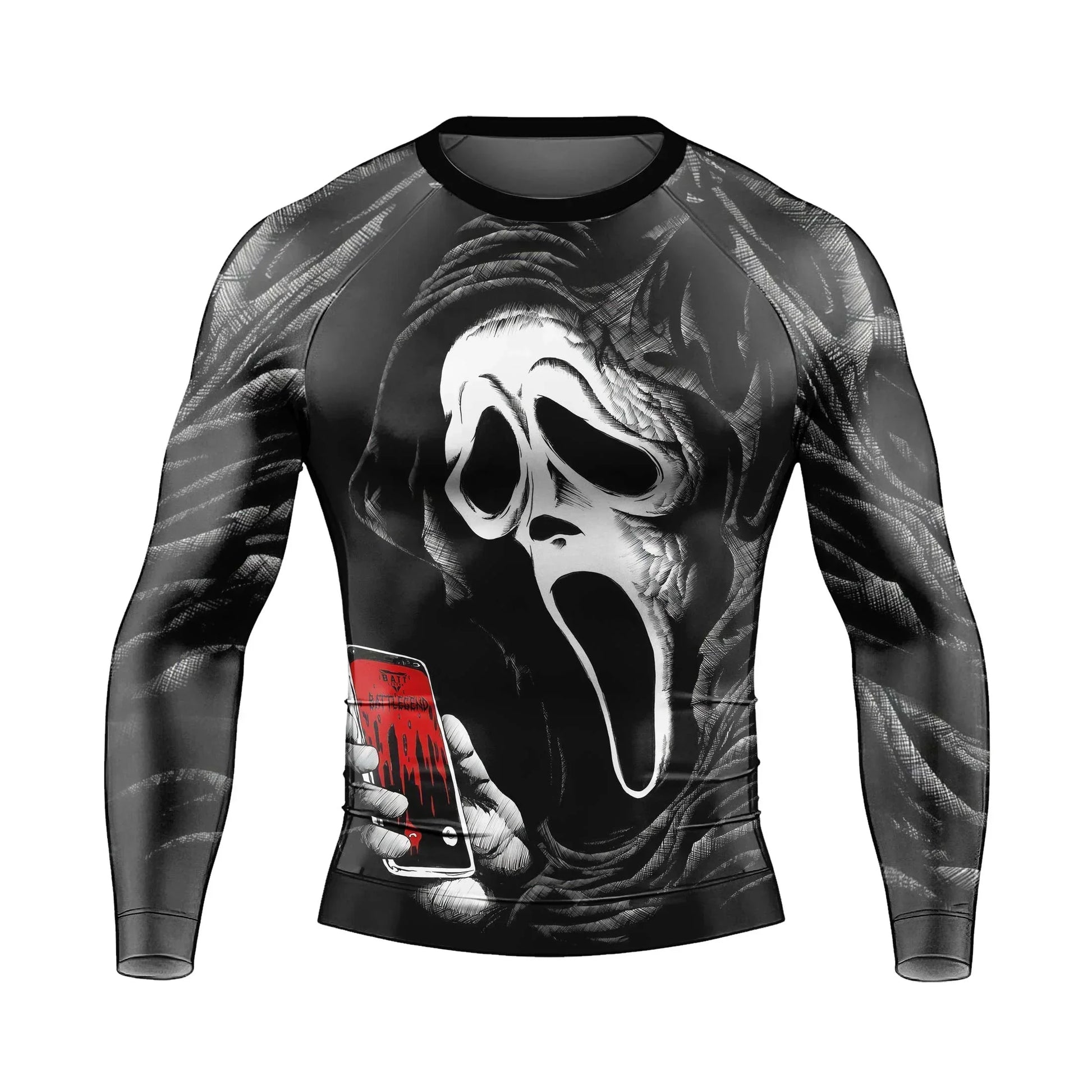
Credit: battlegend.com
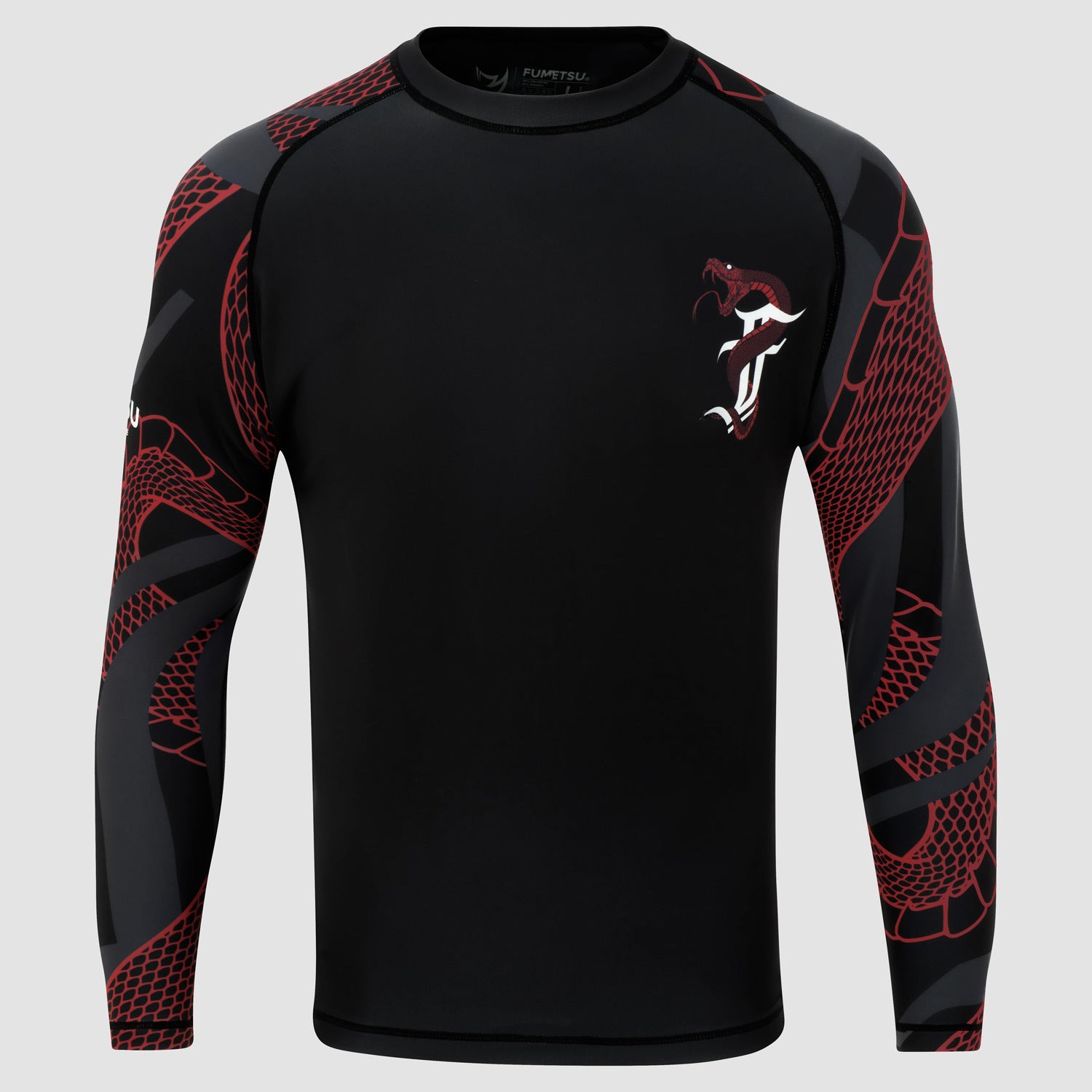
Credit: www.bytomic.com
Frequently Asked Questions
What Does The Term "rash Guard" Mean?
A rash guard is a tight-fitting shirt designed to protect skin. It guards against rashes caused by abrasion, sunburn, and irritation. The name comes from its main function: to guard the wearer’s skin from rashes during water sports and activities.
Why Is It Called A Rash Guard In Water Sports?
It’s called a rash guard because it protects against skin rashes. Water sports can cause friction from boards or wetsuits, leading to rashes. The garment guards the skin, preventing irritation and discomfort, hence the name "rash guard. "
How Does A Rash Guard Prevent Skin Irritation?
A rash guard creates a smooth barrier between skin and rough surfaces. It reduces friction and protects against sunburn and jellyfish stings. This protective layer helps prevent painful skin irritation during activities like surfing or swimming.
Are Rash Guards Only For Surfers?
No, rash guards are used in many water sports. They’re popular in surfing, snorkeling, diving, and paddleboarding. Anyone seeking skin protection from rashes, sun, or marine life can benefit from wearing a rash guard.
Conclusion
A rash guard gets its name from its main purpose: guarding your skin from rashes. It protects you during water sports and outdoor activities. The tight fabric stops irritation from surfboards or rough surfaces. Knowing this helps you choose the right gear.
Wearing a rash guard keeps you comfortable and safe. Simple, but effective protection. Now, you understand why the name fits perfectly.
