

Why I Can't Wear Shorts T Shirt: Surprising Reasons Explained
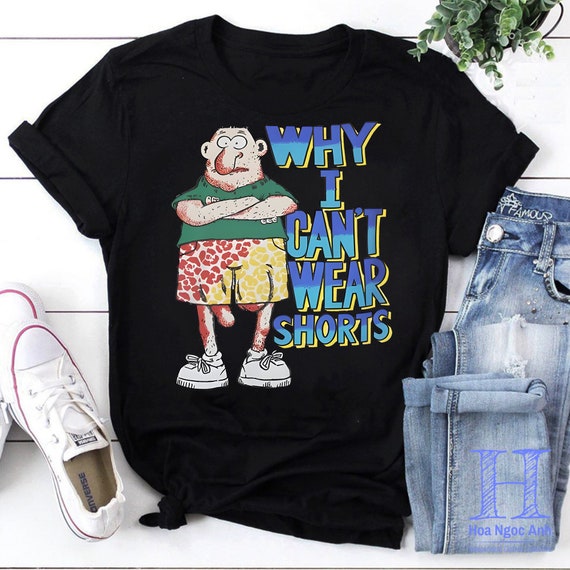
Why I Can't Wear Shorts T Shirt
Wearing shorts and a T-shirt seems simple for many people. For others, it’s a daily challenge. If you’re someone who hesitates or refuses to wear these clothes, you are not alone. There are many reasons—personal, cultural, physical, and emotional—that can make this outfit uncomfortable or even impossible for some. This article explores all the reasons, big and small, obvious and hidden, that can explain why someone can’t wear shorts and a T-shirt. By understanding these factors, you may feel less alone and more confident in your clothing choices.
Cultural And Religious Influences
Culture and religion shape what we wear every day. For many, shorts and T-shirts are not just clothes but symbols of rules, traditions, or values.
Traditional Dress Codes
In some societies, modesty is highly valued. For example, long trousers and covered arms are expected in many Middle Eastern, South Asian, and African cultures. Women, in particular, may be required to cover their legs and arms, making shorts and T-shirts inappropriate. Even in Western countries, some families pass down these expectations, especially in conservative or traditional households.
Religious Guidelines
Islamic, Hindu, Jewish, and Christian faiths have guidelines about modesty. For instance, Muslim women may wear a hijab and long clothing, and some Christian groups discourage revealing clothes. For men, shorts may also be seen as disrespectful in certain religious spaces.
Real-life Example
A young woman from a devout Muslim family may avoid shorts and T-shirts to honor her family’s beliefs—even if she likes the style. This choice is not always forced; sometimes, it’s about respect and belonging.
Body Image And Self-esteem
How we feel about our bodies can influence what we wear. For many, shorts and T-shirts make them feel exposed or judged.
Insecurities About Appearance
Some people worry about their legs, arms, or body shape. Cellulite, scars, birthmarks, hair, or skin tone can make someone feel self-conscious. Media often shows “perfect” bodies in shorts and T-shirts, making regular people feel they don’t measure up.
Past Experiences
Bullying and teasing leave deep marks. If someone was mocked for their body as a child, they may avoid clothes that reveal their skin. Even a single hurtful comment can shape clothing choices for years.
Social Pressures
Peer groups matter. If your friends or colleagues dress a certain way, you might feel out of place in shorts and a T-shirt, or you might avoid them to escape judgment.
Credit: www.etsy.com
Physical Comfort And Health Concerns
Wearing shorts and T-shirts is not always comfortable or practical. Health and physical needs play a big role.
Temperature Sensitivity
Some people feel cold easily, even in warm weather. Conditions like hypothyroidism or poor circulation can make shorts and T-shirts uncomfortable. On the other hand, those who sweat a lot may dislike T-shirts because the fabric sticks to their skin.
Skin Conditions
People with eczema, psoriasis, vitiligo, or severe acne often avoid showing skin. Exposing affected areas can lead to stares or questions, which feels exhausting. Others might have allergies to certain fabrics, making common T-shirt materials like polyester or even cotton a problem.
Medical Devices
Wearing a prosthetic limb, insulin pump, or visible medical device can make people uncomfortable about revealing their body. Shorts and T-shirts may not provide the coverage or support needed.
Table: Common Health Issues Affecting Clothing Choices
| Health Issue | Impact on Shorts/T-Shirt Wear |
|---|---|
| Skin Conditions | May avoid exposing affected areas |
| Temperature Sensitivity | Prefer longer, warmer clothing |
| Allergies | Some fabrics cause irritation |
| Prosthetics/Medical Devices | Need more coverage/support |
Professional And Social Norms
Not every setting welcomes shorts and T-shirts. Social and professional expectations shape what is “acceptable. ”
Workplace Dress Codes
Many offices, factories, and customer-facing jobs have rules against casual wear. Even in creative workplaces, shorts and T-shirts are often seen as too relaxed. Failing to follow dress codes can result in warnings, embarrassment, or lost opportunities.
Social Events
Weddings, funerals, religious services, and formal parties usually require more formal clothes. Wearing shorts and a T-shirt can be considered rude or disrespectful.
Age Expectations
Older adults may feel that shorts and T-shirts are only for young people. They may worry about being judged as “trying too hard” or “not age-appropriate. ”
Credit: www.redbubble.com
Fashion Preferences And Personal Style
Some people simply don’t like the look or feel of shorts and T-shirts.
Style Identity
Personal style is a way to express who you are. Someone who loves vintage dresses, jeans, or sportswear may not feel themselves in shorts and a T-shirt. Fashion trends change, but personal taste remains.
Fit And Flattering
Not every pair of shorts or T-shirt fits well. Finding the right size, length, or cut can be difficult. Baggy shorts may feel sloppy; tight T-shirts can feel revealing. If you can’t find a flattering fit, you may give up on the style altogether.
Fabric Preferences
Some people dislike common T-shirt fabrics—too stiff, too thin, not breathable, or itchy. The same goes for shorts; denim, nylon, or synthetic blends may not suit everyone.
Psychological Factors
Our minds can create real barriers to wearing certain clothes.
Social Anxiety
People with social anxiety often worry about being watched or judged. Wearing shorts and a T-shirt, which show more skin, can increase these fears. The idea of standing out or being noticed can be overwhelming.
Past Trauma
Negative experiences, like harassment, abuse, or accidents, can make someone avoid revealing clothes. For some, covering up feels safer and more in control.
Habit And Conditioning
If you grew up always wearing long pants and sleeves, it feels strange to change. Habits form quickly, and breaking them requires effort and confidence.

Credit: www.amazon.co.uk
Climate And Environment
Location matters. Weather and environment affect what is comfortable or possible to wear.
Weather Conditions
In cold or rainy places, shorts and T-shirts are not practical for most of the year. Even in hot climates, sun exposure, dust, or insects can make people cover up.
Urban Vs. Rural
City dwellers might feel comfortable dressing casually. In rural areas, community expectations or outdoor work may require sturdier, more protective clothing.
Table: Climate And Clothing Choices
| Environment | Preferred Clothing | Reason |
|---|---|---|
| Hot & Humid | Light, breathable clothes | Reduce sweating, stay cool |
| Cold | Layers, long sleeves/pants | Preserve body heat |
| Rural | Durable, protective wear | Work safety, insect protection |
| Urban | Trendy/casual options | Blend with city style |
Safety And Practical Concerns
For some, shorts and a T-shirt are risky or impractical.
Outdoor Work Or Activities
Construction workers, farmers, and factory staff often need to protect their skin from chemicals, machinery, or weather. Shorts and T-shirts are not safe in these jobs.
Sports And Exercise
While shorts and T-shirts are common in gyms, some sports require special gear. For example, soccer players wear shin guards and long socks, while cyclists prefer padded shorts and fitted jerseys.
Sun Protection
Shorts and T-shirts expose large areas of skin to UV rays. People with sensitive skin, a history of skin cancer, or sun allergies may avoid these clothes to reduce risk.
Insect Bites
In places with mosquitoes, ticks, or other biting insects, covering up is a simple way to avoid bites and disease.
Economic Factors
Not everyone has the resources or access to comfortable, well-fitting shorts and T-shirts.
Cost And Accessibility
Quality clothes can be expensive. If you’re on a budget, you may prioritize other items. In some regions, stores may not stock a wide range of sizes, styles, or fabrics.
Hand-me-downs Or Uniforms
Children and teens may wear whatever is available—often hand-me-downs or school uniforms. Shorts and T-shirts might not be part of the mix.
Laundry And Maintenance
Shorts and T-shirts require regular washing, especially in hot weather. If you lack easy access to laundry, you may choose clothes that can be worn longer between washes.
Gender Expectations And Identity
Clothing is deeply connected to gender identity and expression.
Traditional Gender Roles
In some cultures, shorts are for men and skirts for women. Even in modern societies, women in shorts or men in certain T-shirts can attract unwanted attention or criticism.
Non-binary And Transgender Experiences
People who are non-binary or transgender may struggle to find shorts and T-shirts that feel right for their identity. Clothes that don’t match your gender can cause discomfort or even dysphoria.
Table: Gender And Clothing Norms
| Gender Identity | Common Clothing Challenges |
|---|---|
| Cisgender Men | Fear of being seen as too casual or unprofessional |
| Cisgender Women | Fear of unwanted attention, modesty concerns |
| Non-Binary/Transgender | Difficulty finding affirming styles/sizes |
Social Media And Modern Pressures
The rise of social media has changed how we see ourselves and others.
Online Comparison
Platforms like Instagram and TikTok show influencers in perfect shorts and T-shirts. This creates pressure to look a certain way. If your body or style is different, you may avoid these clothes to escape negative comparisons.
Body Positivity Movements
There are growing groups that celebrate all bodies. However, even in these spaces, some feel more pressure, not less. “If everyone else is confident in shorts, why am I not? ” This thinking can add stress rather than reduce it.
Parental And Family Influence
Family plays a large part in early clothing choices.
Childhood Rules
Many parents set strict rules: “No shorts to school,” or “T-shirts are only for sports.” These habits often stick into adulthood, even if the original reason no longer matters.
Family Events
Some families expect a certain standard of dress at gatherings. Wearing shorts and a T-shirt could be seen as disrespectful, even at casual events.
Travel And Changing Locations
If you move or travel to a new place, your old habits may not fit the new culture or climate.
Adapting To New Norms
Moving from a city where shorts are the norm to a place where they are not can be challenging. You may feel out of place or face questions.
Packing And Luggage
Travelers sometimes pack minimally. If you don’t bring shorts and T-shirts, you’re forced to wear what you have, no matter the weather.
Non-obvious Insights
Beyond the clear factors, there are a few reasons people miss:
- Sensory Sensitivity – Some people have strong reactions to certain fabrics, seams, or tags. Shorts and T-shirts can be especially uncomfortable for those with sensory processing issues.
- Symbolic Value – Clothing can have meaning. For some, shorts and T-shirts may be connected to painful memories or represent a life stage they want to move past.
- Eco-Conscious Choices – Those who focus on sustainability may avoid “fast fashion” shorts and T-shirts. They may prefer durable, multi-purpose clothes.
Practical Tips For Those Who Can’t Wear Shorts And T-shirts
If you avoid these clothes, you can still feel cool, comfortable, and confident. Here’s how:
- Choose Lightweight Pants – Linen or cotton trousers breathe well and keep you cool.
- Try Long-Sleeve Tees – Look for thin, moisture-wicking fabrics.
- Layer Smartly – Wear a tank top under an open shirt for coverage and ventilation.
- Find Your Colors – Darker shades can be slimming; patterns can distract from areas you dislike.
- Get Clothes Tailored – Even small adjustments can make a big difference in comfort and appearance.
- Focus on Accessories – Scarves, hats, and jewelry add personality to any outfit.
- Communicate Needs – Tell friends or coworkers why you dress a certain way, if you feel comfortable. Most people are more understanding than you expect.
- Seek Support – Online forums and support groups can help. One example is the Female Fashion Advice subreddit, which offers practical tips for all genders.
Moving Forward With Confidence
Not wearing shorts and a T-shirt doesn’t make you less stylish, less modern, or less confident. Your reasons—whatever they are—are valid. Fashion is about self-expression, comfort, and context. The more you understand your choices, the easier it becomes to stand by them.
You have the power to define what feels right for you.
Frequently Asked Questions
Why Do I Feel Uncomfortable In Shorts And A T-shirt Even When Others Don’t?
Many people feel this way due to body image concerns, cultural expectations, or personal style preferences. You are not alone—comfort in clothing is deeply personal.
Is It Unhealthy To Always Cover My Skin?
It depends on the climate and fabric. If you wear breathable, light fabrics and get enough vitamin D in other ways, it is usually fine. If you sweat a lot or live in a hot place, watch for overheating or skin issues.
How Can I Stay Cool Without Wearing Shorts And A T-shirt?
Opt for loose, light-colored clothing in breathable materials like linen or cotton. Long-sleeve, thin shirts and wide-leg pants are good choices. Stay hydrated and seek shade when possible.
Will People Judge Me For Not Wearing “normal” Summer Clothes?
Some might notice, but most are focused on themselves. Confidence and comfort often speak louder than trends. If you feel good in your clothes, that’s what matters most.
What Should I Do If My Workplace Requires Shorts And A T-shirt, But I’m Not Comfortable?
Speak with your supervisor or HR department. Explain your concerns—whether they are cultural, religious, or health-related. Most workplaces can offer alternatives or exceptions if you communicate your needs.
No matter your reason for avoiding shorts and T-shirts, remember: clothing should fit your life, not the other way around. Your comfort is always in style.
