

Why Don’t Dress Shirts Have Pockets Anymore? Unveiling the Trend
Why Don’t Dress Shirts Have Pockets Anymore
Dress shirts have changed a lot over time. If you look at old photos or vintage clothing, you’ll notice that pockets used to be common on men’s and women’s dress shirts. Today, though, many dress shirts come without pockets at all.
If you’ve wondered why this has happened, you’re not alone. The missing pocket isn’t just a small detail—it tells a story about style, work, and how people live now.
Fashion may seem simple on the surface, but every small change has a reason. The disappearance of the dress shirt pocket is about more than just looks. It’s a mix of tradition, changing needs, and new ways of thinking about clothing.
Some people miss the pocket for keeping pens or small items. Others like the smooth, clean look. Let’s explore why pockets are disappearing from dress shirts, what this means, and how it affects your clothing choices.
The Original Purpose Of Dress Shirt Pockets
Before we talk about why pockets are vanishing, it helps to understand why they were there in the first place. Pockets were added to dress shirts for very practical reasons. In times when men and women did not carry bags or briefcases everywhere, pockets on shirts were useful.
People used shirt pockets to hold:
- Pens
- Small notepads
- Tickets
- Money
- Business cards
Back then, shirts were often worn without a suit jacket or vest. The shirt pocket gave a handy storage space for small, everyday items. For many workers, especially those in offices or trades, a pocket was almost as important as the shirt itself.
But as life and work changed, so did the need for these pockets.
The Rise Of Minimalist Fashion
One of the strongest reasons for the disappearance of dress shirt pockets is the rise of minimalist fashion. Modern style often values clean, simple lines. A pocket, while useful, can break up the smooth look of a shirt front.
Fashion designers noticed that removing the pocket:
- Creates a sleek silhouette
- Looks more formal
- Pairs better with ties and suits
This trend started in high fashion and spread to business wear. Many people now see a pocketless shirt as more elegant and professional. It’s seen as a sign of paying attention to detail, since the shirt looks neat without extra fabric.
Today, high-end brands often avoid pockets on dress shirts unless they are making a casual style. This change has pushed even budget shirt makers to follow suit.
Shifts In Workplace Culture
Work has changed in many ways. People used to carry pens, small notebooks, or cigarettes in their shirt pockets. Now, most people use smartphones or tablets, and fewer items need to be carried in shirt pockets.
Also, dress codes are more relaxed in some workplaces. Many jobs that once required strict, formal dress now allow more casual clothing or even t-shirts. For jobs that still need dress shirts, the focus is more on looking smart than carrying things.
Because of these shifts, the practical need for a shirt pocket is much lower. The pocket has become less about function and more about style or tradition.
Influence Of Suit And Tie Fashion
Dress shirts are often worn with a suit and tie. When a jacket is worn, the shirt pocket is mostly hidden. The pocket can also add bulk, making the shirt look less smooth under a slim-fitting jacket.
Many style experts suggest avoiding pockets on shirts for formal events or business meetings. The pocket can:
- Cause the shirt to bunch up under a jacket
- Create a visible line or bump
- Distract from the clean look of a tie and suit
This advice has spread through fashion magazines, style blogs, and even sales staff in stores. As a result, shoppers are now used to seeing pocketless shirts as the “correct” choice for formal wear.
The Casual Shirt Exception
It’s important to note that casual shirts still often have pockets. Brands that sell to younger buyers or make casual shirts for weekends often include a pocket for style or function.
For example:
- Short-sleeve shirts for summer
- Patterned shirts for parties
- Work shirts for trades and outdoor jobs
In these cases, the pocket is part of the style. Sometimes it is even used for decoration, with a contrasting color or fun stitching.
So, while dress shirts for business and events have mostly lost their pockets, you can still find them on more relaxed, casual options.
The Role Of Technology
Technology has changed how we use our clothing. In the past, people needed a place for pens, notes, or small tools. Now, most people rely on their phones for almost everything.
A smartphone is too heavy and large for a shirt pocket. Carrying one there can stretch the fabric or ruin the shirt’s shape. Instead, people use:
- Jackets with inside pockets
- Bags or briefcases
- Pants pockets
This shift means the shirt pocket is no longer a “must have. ” Most people don’t miss it until they need a place for sunglasses or a concert ticket.
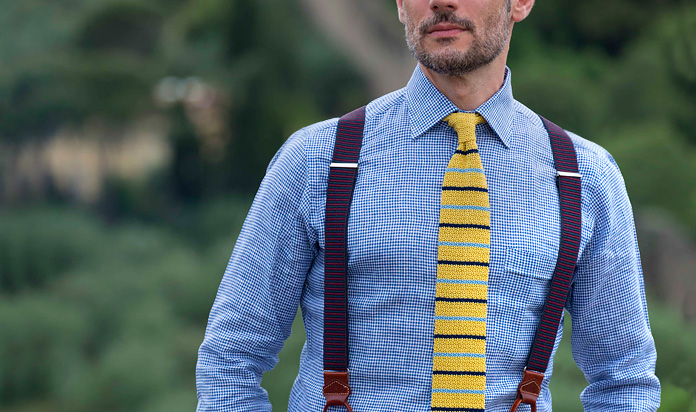
Credit: blog.lanieri.com
Shirt Construction And Fit
Another big reason for the loss of pockets is the change in how shirts are made. Today’s dress shirts are often more fitted than in the past. Slim-fit and tailored shirts are popular, especially with younger professionals.
A pocket on a slim shirt can:
- Change how the fabric sits
- Make the shirt pull or sag on one side
- Add extra weight or bulk
For designers and tailors, it’s easier to create a perfect fit without the extra fabric of a pocket. This is especially true for custom shirts, where the goal is a sharp, smooth look.
Cost And Production Simplicity
While it may sound minor, adding a pocket increases the cost and time to make a shirt. Each pocket needs extra fabric, sewing, and sometimes reinforcement.
For factories making thousands of shirts, removing the pocket means:
- Fewer steps in production
- Lower costs for fabric and labor
- Fewer chances for mistakes
This makes shirts without pockets slightly cheaper to make, which is important for budget brands. Even for higher-end shirts, the simpler design is often more desirable.
Cultural And Regional Differences
Not all countries or cultures have removed the dress shirt pocket. In some regions, especially in parts of Asia, pockets are still common on men’s dress shirts. The reasons are often practical—people may still carry pens or small items for work.
In other places, the pocket is seen as a style statement or a mark of tradition. Some classic American brands, for example, still offer “Ivy League” shirts with a single chest pocket.
So, the change is not universal. If you travel or shop internationally, you may notice these differences.
Gender And Dress Shirt Pockets
Women’s dress shirts often have even fewer pockets than men’s. There are several reasons for this:
- Fashion standards: Women’s shirts are often designed for a closer fit and a cleaner look.
- Fabric weight: Women’s shirts are sometimes made from lighter fabrics that don’t support a pocket well.
- Style trends: Pockets can add bulk or change the line of a fitted shirt.
Some women’s shirts have “fake” pockets—just a flap or a stitched outline. This is done for style, not function.
The Psychology Of The Pocket
The presence or absence of a pocket can affect how a shirt feels to wear. For some, a pocket adds a sense of security—a place to put something important. For others, it’s just extra fabric.
There is also a subtle message. A shirt without a pocket can say:
- “I don’t need to carry things—I am here to do business.”
- “I care about clean, simple style.”
A shirt with a pocket might suggest a more relaxed or practical attitude. Neither is right or wrong. It depends on the message you want to send.
Comparing Shirts With And Without Pockets
To show the differences more clearly, let’s compare shirts with and without pockets in terms of style, function, and fit.
| Feature | With Pocket | Without Pocket |
|---|---|---|
| Formality | Less formal | More formal |
| Usability | Can hold small items | No storage option |
| Fit | May add bulk | Smoother silhouette |
| Cost | Slightly higher | Slightly lower |
| Fashion Trend | Classic/casual | Modern/elegant |
Real-world Data On Pocket Use
Even though there are fewer dress shirts with pockets, some people still look for them. A survey of online shoppers found that about 30% of buyers prefer shirts with a pocket, mostly for work or casual wear. The rest prefer pocketless shirts, especially for formal occasions.
Another study by a major clothing retailer showed:
- Pocketed dress shirts: Favored by men over 40, or those in traditional office jobs
- Pocketless dress shirts: Favored by younger buyers, style-conscious professionals, and those in creative fields
These numbers show that while pockets are less common, there is still a loyal group who want them.
Iconic Shirt Styles And Their Pockets
Some shirt styles are famous for their pockets, even as the trend fades in dress shirts.
- The classic Oxford button-down: Often features a single chest pocket.
- Military-style shirts: Have two flapped pockets for utility.
- Western shirts: Typically have two pointed pockets, sometimes with snaps.
- Short-sleeve summer shirts: Pocket for sunglasses or tickets.
These examples show that pockets haven’t vanished from all shirts—just the ones considered “formal” or “business” wear.
The Role Of Custom Tailoring
If you really want a pocket, you can ask for it on a custom-made shirt. Many tailors let you choose:
- The number of pockets
- The placement (left, right, or both)
- The style (straight, angled, flap, or open)
Custom shirts cost more, but you can get the exact look and function you want. Some people even add a pocket for style—a colored lining or a small embroidered logo.
Common Myths About Dress Shirt Pockets
Some people believe there are “rules” about pockets that everyone must follow. Here are a few myths:
- “A real dress shirt never has a pocket.” (False—some classic styles do.)
- “Only old men want pockets.” (False—some young professionals like them for practical reasons.)
- “A pocket ruins the look.” (It depends on the shirt and the person.)
The truth is, style rules change. It’s best to choose what fits your needs and taste, not just follow trends.
The Future Of Dress Shirt Design
Will pockets ever make a comeback? Fashion moves in cycles. Some designers are already bringing back pockets in new ways—using bold colors, zippers, or hidden styles.
Technology could also change things. For example, smart shirts with built-in tech might need a pocket for a wireless device or card.
However, for now, the smooth, pocketless dress shirt remains the most popular for business and formal wear.
What To Consider When Choosing A Dress Shirt
If you’re buying a dress shirt and wondering about the pocket, here are some tips:
- Occasion: For weddings, interviews, and formal events, go without a pocket.
- Job type: If you need to carry a pen or card, a pocket may help.
- Body type: Pockets can add bulk—if you want a slimmer look, skip it.
- Personal style: Choose what feels right. Don’t just follow the crowd.
For those who need extra storage, consider wearing a jacket, carrying a bag, or asking for a custom shirt.
Comparing Leading Brands
Let’s see how some popular brands handle the pocket question.
| Brand | Pocket as Standard | Available on Request |
|---|---|---|
| Brooks Brothers | On some classic shirts | Yes |
| Hugo Boss | No | Rarely |
| Uniqlo | On casual shirts | No |
| Ralph Lauren | Sometimes | Yes (custom) |
| Charles Tyrwhitt | On request | Yes |
This shows that options still exist, but most brands push pocketless shirts for business and formal wear.
Subtle Style Signals: What Your Shirt Says
Wearing a dress shirt with or without a pocket can send subtle signals:
- With a pocket: Practical, approachable, maybe a bit old-school or casual.
- Without a pocket: Modern, detail-focused, professional.
If you want to look more relaxed at a work event, a pocketed shirt can be a good choice. For presentations or interviews, pocketless is often safer.
Two Insights Most People Miss
- The pocket is a quiet status marker. In some circles, having no need for a pocket shows you have a support system (assistants, bags, or just less to carry). It can be a sign that you’re not “doing the work” but leading it.
- Pockets can signal creative freedom. In creative industries, a pocketed shirt may show you value practicality and personal style over strict rules. It can be a quiet way to stand apart from suit-and-tie crowds.
How To Care For Pocketed Vs. Pocketless Shirts
Pocketed shirts need a bit more care when ironing. The pocket can wrinkle or pucker. Always iron the pocket flat and check for loose threads.
Pocketless shirts are easier to press and tend to keep their shape better, since there are fewer seams and layers.

Credit: www.reddit.com
When A Pocket Actually Makes Sense
There are a few times when a shirt pocket is more than just a style choice:
- Traveling: Keeping a ticket or small paper handy.
- Outdoor work: For a pen or notebook.
- Hot weather: Storing sunglasses or a handkerchief.
In these cases, function beats fashion.
Frequently Asked Questions
Why Did Pockets Disappear From Dress Shirts?
Pockets disappeared because modern fashion values a clean, smooth look. Also, fewer people need to carry small items in their shirts due to technology and changing work habits.
Are Dress Shirts Without Pockets More Formal?
Yes, pocketless shirts are seen as more formal and are the standard for business and special events. Pockets are more common on casual shirts.
Can I Still Buy Dress Shirts With Pockets?
Yes, some brands still offer pocketed shirts, especially in classic or casual styles. You can also order a custom shirt with a pocket if you want one.
Do Women’s Dress Shirts Have Pockets?
Rarely. Most women’s dress shirts do not have pockets due to fit and style preferences. Some have “fake” pockets for decoration.
Is There An Official Rule About Pockets On Dress Shirts?
No official rule exists. It’s about personal taste and the image you want to project. For formal events, pocketless is usually best, but for everyday wear, choose what suits you.
Dress shirts without pockets have become the new standard for formal and business wear, but there’s nothing wrong with wanting or wearing a pocket if it fits your needs. As style continues to evolve, the best choice is the one that helps you feel confident and comfortable. For further reading on the history of shirts and pockets, see Wikipedia: Dress shirt.

Credit: www.ebay.com
