

Why Do People Wear Gym Clothes? Top Reasons Explained
Why Do People Wear Gym Clothes
Walking into any gym, you’ll see people wearing tank tops, leggings, shorts, sweat-wicking shirts, and comfortable sneakers. Some wear bright colors and bold logos, while others choose simple, plain outfits. But why do people wear gym clothes, and what makes them different from regular clothes? If you have ever wondered about this, you are not alone. The answer is not just about fashion or following a trend. In this article, you’ll learn the real reasons behind choosing gym clothes, how they affect performance, comfort, and even motivation, and what you should consider if you want to get the most from your workout.
The Main Purpose Of Gym Clothes
The most important reason people wear gym clothes is for function and comfort during exercise. Regular clothes are not made to handle sweat, stretching, or heavy movement. Gym clothes are designed to help the body move freely and stay cool.
Gym clothes use materials like polyester, spandex, and nylon. These fabrics are lightweight, breathable, and stretch easily. For example, when you do squats or lunges, stretchy leggings or shorts move with you, so you don’t feel restricted. Sweat-wicking shirts pull moisture away from your skin, so you don’t feel sticky or cold.
Another key point is support. Sports bras, compression shorts, and special shoes provide support where your body needs it most. This lowers the risk of injuries and helps you exercise with confidence.
Boosting Performance
Wearing the right clothes can actually improve your workout performance. Here’s how:
- Temperature Control: Gym clothes often have mesh panels or special fabrics to let air flow. This keeps your body at a good temperature, so you don’t get overheated or chilled.
- Moisture Management: Sweat-wicking materials dry quickly, preventing skin irritation and rashes. You can work out longer without feeling uncomfortable.
- Flexibility and Freedom: Clothes with spandex or elastane stretch with your body. You can reach, jump, or bend easily.
- Reduced Distraction: When your clothes fit well and stay in place, you focus more on your exercise and less on adjusting your shirt or shorts.
- Compression Benefits: Some gym clothes offer gentle compression, which can improve blood flow and reduce muscle fatigue.
Real Example
Think about running in heavy cotton pants versus lightweight, sweat-wicking shorts. The shorts help you run faster, stay cooler, and prevent chafing. This small detail can make a big difference in how you feel and how well you perform.
Safety And Injury Prevention
Another reason people wear gym clothes is to lower the risk of injury. Proper shoes give support and protect your feet from hard surfaces. Compression sleeves can keep muscles warm and supported, which helps prevent strains.
Reflective gym clothes are important for people who exercise outdoors in low light. The reflective strips make you more visible to drivers, keeping you safer.
Table: Common Gym Clothing And Their Safety Features
| Clothing Item | Safety Feature | Benefit |
|---|---|---|
| Running Shoes | Cushioned soles | Reduces impact on joints |
| Compression Sleeves | Muscle support | Lowers injury risk |
| Reflective Vest | High-visibility strips | Increases safety at night |
| Sports Bra | Extra support | Prevents discomfort and strain |
Hygiene And Cleanliness
Gyms are full of people, sweat, and sometimes germs. Gym clothes are easier to wash and dry compared to regular clothes. They are made to handle frequent washing without losing shape or color.
Some gym clothes also have antimicrobial properties. This means they resist bacteria that cause odors. You can finish a tough workout and still smell fresh.
Wearing clean, proper gym attire can also show respect for others in the gym. It reduces the spread of sweat and germs on shared equipment.
Psychological Motivation
Wearing gym clothes can change how you feel about exercise. Many people find that putting on workout clothes helps them get into the right mindset. This is called enclothed cognition, which means what you wear affects how you think and act.
If you dress for fitness, you are more likely to stick to your workout plan. For some, wearing bright or favorite colors boosts confidence. For others, seeing themselves in athletic clothes reminds them of their goals.
Table: Psychological Effects Of Wearing Gym Clothes
| Effect | Description |
|---|---|
| Increased Motivation | Dressing for exercise makes starting easier |
| Confidence Boost | Feeling good in your clothes improves self-image |
| Routine Trigger | Wearing gym clothes signals it's time for activity |
Social And Cultural Influence
The rise of athleisure (clothes that work for both gym and casual wear) has changed how people see gym clothes. Now, it’s normal to wear leggings, hoodies, or running shoes outside the gym, at the coffee shop, or even at work.
Wearing gym clothes can be a way to connect with others. People who wear the same brands or styles often feel part of a group. Some wear gym clothes to show they care about health and fitness.
Social media also plays a big role. Fitness influencers and celebrities often post photos in stylish gym outfits. This inspires followers to buy similar clothes and take pride in their appearance, both online and in real life.
Fashion And Personal Style
For many, gym clothes are not just about performance—they are a way to show personal style. Bright colors, patterns, and unique designs let people express themselves. Some brands make limited-edition collections or partner with athletes and designers, turning gym clothes into a fashion statement.
This focus on style can also motivate people to exercise more. If you feel good in your outfit, you may be more excited to go to the gym.
Practical Benefits
Gym clothes are usually lightweight, easy to pack, and quick to wash and dry. This makes them perfect for busy lifestyles. If you travel, you can pack gym clothes in a small bag without taking up much space.
Many gym clothes have extra features like zip pockets for keys, hidden pouches for cash or cards, and headphone loops. These small details make workouts smoother and more convenient.
Climate And Activity-specific Needs
Different sports and activities need different types of clothing. For example:
- Runners may choose light, sweat-wicking fabrics.
- Cyclists wear padded shorts for comfort.
- Yogis prefer flexible, non-slip leggings and tops.
- Swimmers need quick-drying swimsuits.
Weather also matters. In cold weather, people layer gym clothes to stay warm but dry. In hot weather, they choose breathable, loose-fitting tops and shorts.
Table: Gym Clothes By Activity
| Activity | Recommended Clothing | Reason |
|---|---|---|
| Running | Sweat-wicking shirt, shorts, running shoes | Reduces chafing, keeps feet comfortable |
| Yoga | Stretchy leggings, fitted top | Allows full movement, stays in place |
| Cycling | Padded shorts, tight jersey | Prevents friction, improves speed |
| Weightlifting | Compression shirt, flexible shorts | Supports muscles, avoids snagging on equipment |
The Science Behind Performance Fabrics
Modern gym clothes use advanced technology. Many brands use fabrics that can:
- Wick moisture away from the skin
- Stretch in all directions
- Block harmful UV rays from the sun
- Control odor with antimicrobial agents
For example, polyester is popular because it dries fast and holds its shape. Spandex is used for stretch and flexibility. Some brands use recycled materials, making gym clothes eco-friendly.
One non-obvious insight: Not all sweat-wicking fabrics are the same. Some can irritate sensitive skin. It’s important to try different brands or blends to find what works best for you.
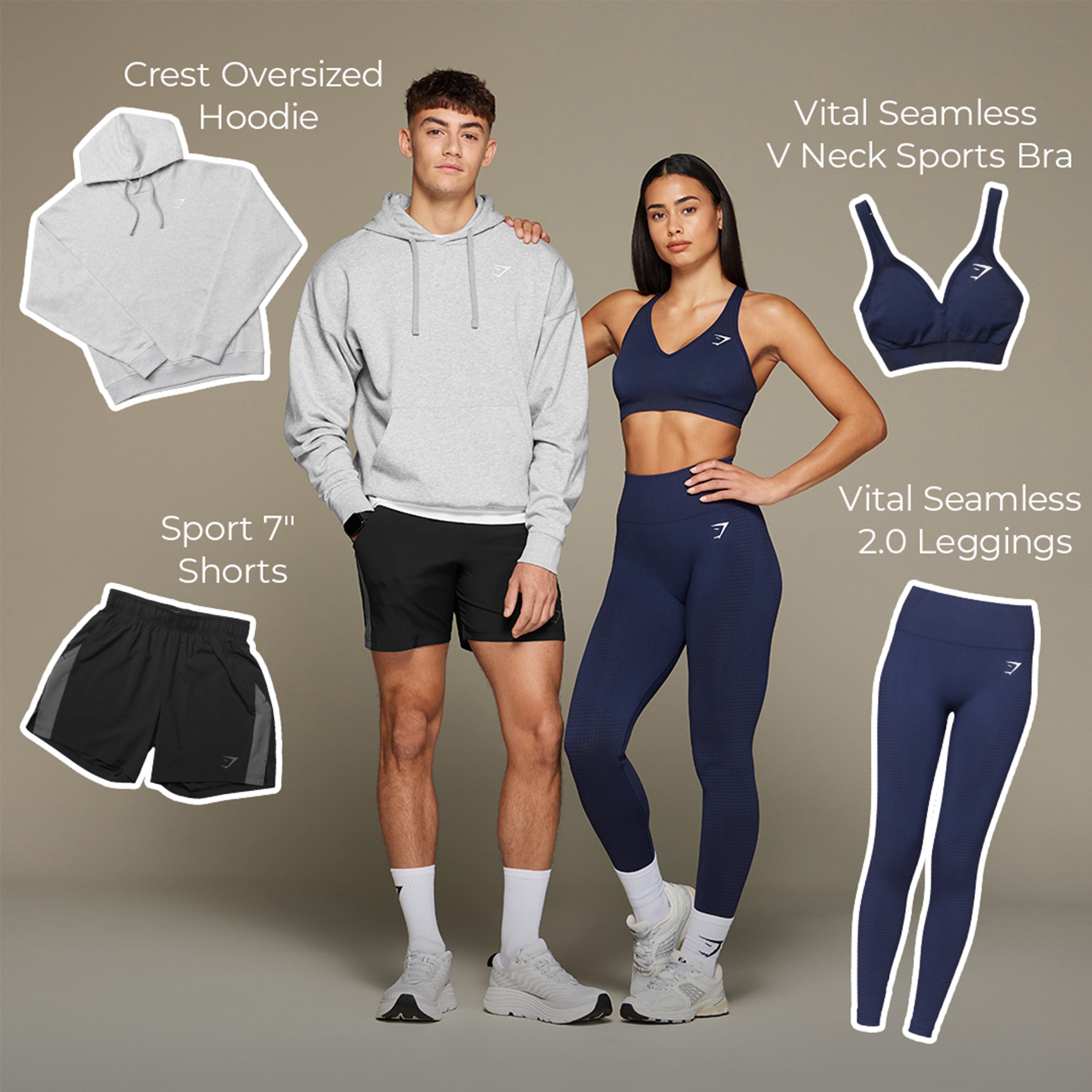
Credit: www.gymshark.com
Financial Considerations
While some gym clothes are expensive, you don’t always need the top brands to get good results. There are affordable options that offer the same benefits. The main things to look for are:
- Comfort and fit
- Breathable, stretchable material
- Support for your activity
Buying a few good-quality basics is often better than buying many cheap items. Well-made gym clothes last longer and keep their shape after many washes.
A common mistake: Buying clothes that look good but don’t fit well. Always test movement before buying—try stretching, squatting, or jogging in place.
Dress Codes And Gym Policies
Many gyms have rules about what you can wear. These rules protect everyone’s safety and comfort. For example, open-toed shoes are often not allowed because they increase the risk of injury. Some gyms require shirts at all times for hygiene.
If you are new to a gym, check their dress code before your first visit. This helps you avoid any surprises and shows respect for the space.
Gender And Age Differences
People of different genders and ages often have different needs. For example:
- Women may need supportive sports bras and high-waisted leggings for coverage.
- Men may prefer loose shorts and tank tops.
- Older adults might look for extra support, easy-on zippers, or looser fits for comfort.
Children’s gym clothes should be comfortable, durable, and easy to put on and take off.
Common Mistakes When Choosing Gym Clothes
Even experienced gym-goers make mistakes when picking workout clothes. Here are a few to avoid:
- Ignoring the Fit: Clothes that are too tight or too loose can distract you and even cause injury.
- Choosing Fashion Over Function: Some clothes look great but don’t perform well during exercise.
- Overlooking the Importance of Shoes: Shoes are the most important piece for many activities. The wrong pair can cause foot, knee, or back pain.
- Not Checking the Material: Some fabrics hold sweat and odor. Look for moisture-wicking options.
- Forgetting About Layers: In changing weather, layers help you stay comfortable before, during, and after your workout.

Credit: www.tuffwraps.com
The Role Of Technology In Gym Clothes
Technology keeps changing how gym clothes are made. Some brands add sensors that track heart rate, calories burned, or muscle movement. Others use fabric that changes temperature to keep you cool or warm as needed.
Smart textiles are still new, but they show that gym clothes are not just about appearance—they can help you measure and improve your workout.
Environmental Impact
Eco-friendly gym clothes are becoming popular. Many brands use recycled materials, organic cotton, or processes that use less water and energy. This helps reduce waste and protect the environment.
One insight: Some recycled fabrics may feel different from traditional ones. It’s important to try them in person before buying a lot.
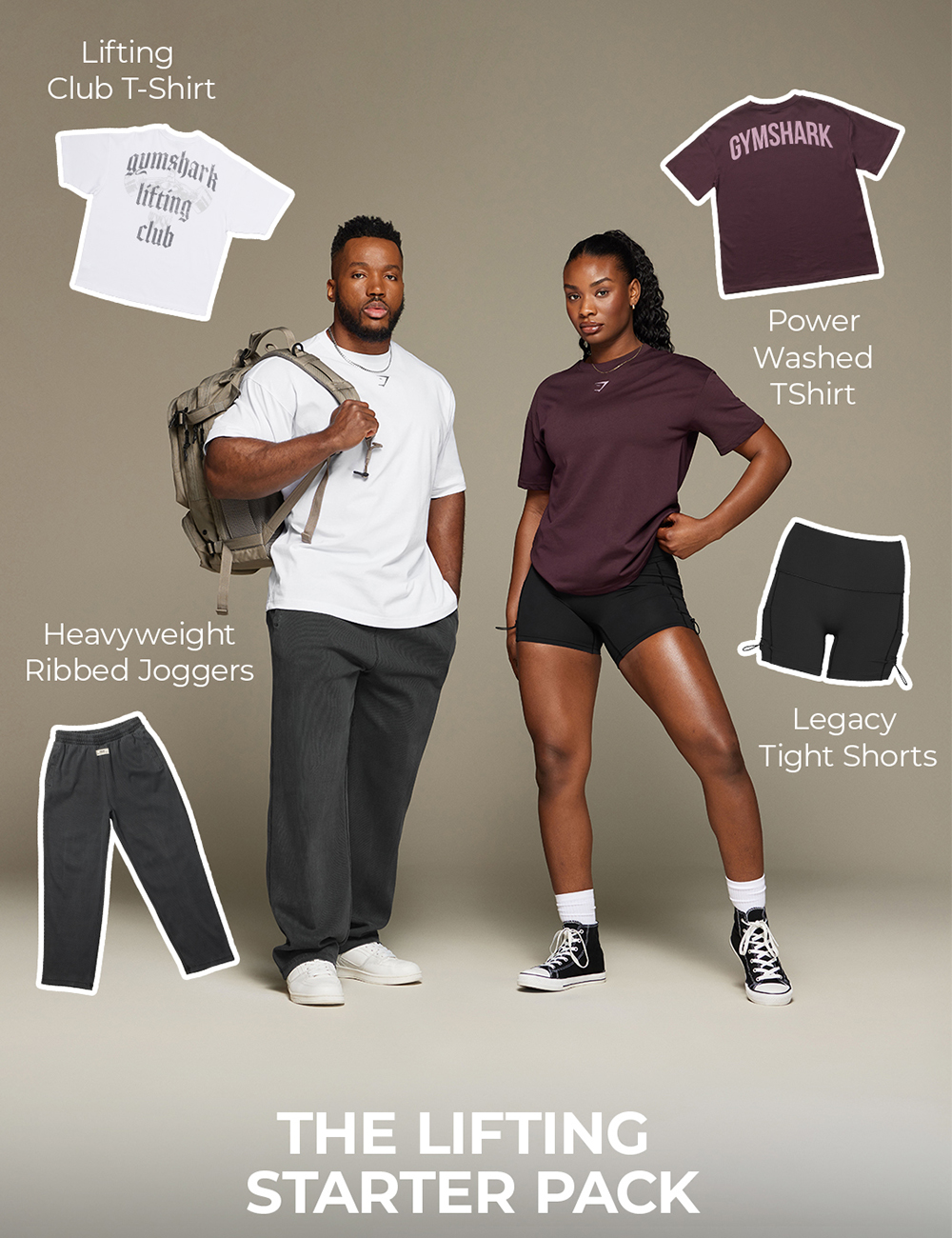
Credit: www.gymshark.com
Gym Clothes For Special Needs
People with disabilities or special needs also benefit from adaptive gym clothing. These clothes might have:
- Easy-access zippers or Velcro
- Extra padding or support
- Tagless labels to prevent irritation
If you have special requirements, look for brands that offer adaptive or inclusive designs.
Wearing Gym Clothes Outside The Gym
Today, many people wear gym clothes for everyday activities, not just workouts. The athleisure trend makes it normal to wear leggings, sneakers, or sports tops to the grocery store, on a walk, or even at work.
There are practical reasons for this. Gym clothes are comfortable, easy to move in, and quick to wash. For busy people, it saves time to wear one outfit all day.
However, some workplaces or events may have their own dress codes, so always check what’s appropriate.
How To Care For Gym Clothes
Taking care of your gym clothes will help them last longer. Here are some tips:
- Wash gym clothes after every use to remove sweat and bacteria.
- Use cold water and mild detergent to protect the fabric’s stretch and color.
- Avoid using fabric softeners—they can block sweat-wicking properties.
- Air dry when possible to keep the shape and elasticity.
Some gym clothes have special washing instructions, so always check the label.
Gym Clothes And Body Positivity
Wearing gym clothes can help people feel better about their bodies. Many brands now offer a wide range of sizes and fits for different shapes. Seeing diverse models in gym ads can inspire more people to start exercising, no matter their body type.
It’s important to choose clothes that make you feel comfortable and confident. Don’t feel pressured to follow trends—pick what suits your body and your needs.
The Future Of Gym Clothes
The world of gym clothes keeps changing. We will see more smart fabrics, eco-friendly materials, and designs for all body types. As more people focus on health and fitness, gym clothes will keep playing a big role in how we exercise and live.
If you want to read more about the science behind sportswear, the Wikipedia Sportswear page has useful information.
Frequently Asked Questions
Why Are Gym Clothes Different From Regular Clothes?
Gym clothes are made from special fabrics that stretch, wick away sweat, and let your body breathe. Regular clothes are usually made for style or comfort in daily life, not for heavy movement or sweating. Gym clothes support your body and help you perform better during exercise.
Can I Wear Gym Clothes All Day?
Yes, many people wear gym clothes outside the gym because they are comfortable and stylish. This trend is called athleisure. Just be sure to check if your workplace or event has a dress code, as gym clothes are not suitable everywhere.
Do I Need Expensive Gym Clothes To Get A Good Workout?
No, you don’t need the most expensive clothes. Focus on fit, comfort, and sweat-wicking materials. There are affordable brands that offer high-quality basics. The most important thing is that your clothes help you move easily and stay comfortable.
How Do I Care For My Gym Clothes?
Wash your gym clothes after every use, using cold water and mild detergent. Avoid fabric softener, as it can block sweat-wicking features. Air dry when possible to protect the fabric’s stretch and color. Always check the care label for special instructions.
What Should I Avoid When Choosing Gym Clothes?
Avoid clothes that are too tight or too loose, as they can cause discomfort or distract you. Don’t choose fashion over function—make sure your clothes are right for your activity. Always pay attention to the material and support, especially for shoes and sports bras.
Wearing the right gym clothes makes a real difference in how you feel, perform, and enjoy exercise. Whether you are just starting or have been active for years, understanding why people wear gym clothes helps you make smart choices for your fitness journey.
