

Why Do People Wear Gym Clothes? Surprising Reasons Revealed
Why Do People Wear Gym Clothes
Stepping into a gym, you will notice a common theme: almost everyone is wearing gym clothes. Whether it’s a crowded fitness center, a yoga studio, or a park filled with joggers, people choose athletic wear for their workouts. But why? Is it only about fashion, or are there deeper reasons behind this choice? The answer involves comfort, performance, psychology, and even social factors. Understanding why gym clothes are so popular can help you make better decisions for your own fitness routine—and see how these choices impact motivation, results, and self-confidence.
Functionality And Comfort
The main reason people wear gym clothes is simple: comfort. Workout clothing is designed to help you move easily and safely. Let’s look at what makes gym clothes so functional.
Moisture-wicking Materials
Sweating is normal during exercise, but regular cotton can trap sweat and feel heavy. Gym clothes use moisture-wicking fabrics like polyester and nylon. These materials pull sweat away from the skin and dry quickly. This prevents discomfort and skin irritation. According to industry studies, moisture-wicking apparel can reduce sweat-related issues by up to 40% compared to regular clothing.
Moisture-wicking is not just about feeling dry; it actually helps prevent health problems. For example, trapped sweat can lead to fungal infections or irritation, especially in hot climates. Many brands now include antimicrobial finishes, which help fight bacteria and reduce odor.
Some people notice a big difference when switching from regular cotton to technical fabrics. For instance, after running in a moisture-wicking T-shirt, a beginner might feel less sticky and recover faster, even after a long workout.
Stretch And Fit
Most gym clothes include spandex or elastane. These fibers stretch with your body, allowing a full range of motion. Whether you’re squatting, jumping, or stretching, your clothing moves with you. This flexibility is essential for preventing injuries and maximizing performance.
A key detail is how stretch impacts safety. Tight jeans or restrictive shirts can limit movement, causing strain or awkward posture. High-stretch gym clothes adapt to your body, so you can twist, bend, and reach without resistance.
Some gym tops and bottoms offer four-way stretch, meaning the fabric stretches both lengthwise and widthwise. This is especially helpful for activities like yoga, dance, or functional training where dynamic movement is needed.
Temperature Control
Gym clothes often use breathable fabrics and mesh panels. These features help regulate body temperature. For outdoor exercise, some athletic wear provides insulation or UV protection. Good temperature control keeps you comfortable and reduces the risk of overheating.
For example, runners often choose tops with mesh ventilation to stay cool in summer, while hikers may select insulated jackets that trap warmth but let sweat escape. UV protection is another feature in some gym clothes, preventing sunburn during outdoor workouts.
Practical Examples
- A runner wears moisture-wicking shorts to avoid chafing.
- A yoga enthusiast uses high-stretch leggings for flexibility.
- Cyclists choose padded shorts for comfort during long rides.
- Tennis players pick sweatbands and breathable shirts to stay dry and agile.
Data On Comfort
Surveys show that 78% of gym-goers select workout clothes primarily for comfort and movement. In contrast, only 12% choose them mainly for appearance. This highlights how most people value functionality over style when exercising.
Another survey found that people who switched to specialized gym clothes were able to train longer and more often, simply because they felt less discomfort and irritation.
Performance Enhancement
Gym clothes are not just about feeling good—they can help you perform better.
Supporting Muscles
Some athletic wear offers compression. Compression garments hug your muscles tightly, which may improve blood flow and reduce muscle fatigue. Studies suggest that compression leggings can lead to a small but measurable increase in endurance during high-intensity activities.
Compression clothing also helps with muscle recovery after workouts. By applying gentle pressure, they reduce swelling and speed up healing. Some athletes wear compression sleeves or socks during and after exercise for this reason.
Reducing Injury Risk
Loose or inappropriate clothing can cause accidents. For example, baggy pants may get caught in gym equipment. Gym clothes are designed to fit snugly and stay in place, reducing risk.
Proper fit is especially important for sports with lots of movement, like basketball or aerobics. Tight gym clothes also prevent distractions, so you can focus on your technique without worrying about wardrobe malfunctions.
Improved Aerodynamics
For sports like cycling or running, tight-fitting clothes reduce wind resistance. This can make you faster and more efficient.
In competitive events, even small improvements in aerodynamics can impact results. Professional athletes use streamlined suits to shave seconds off their time. For beginners, tight-fitting clothes can make exercise feel smoother and less tiring.
Shoes And Accessories
Footwear is part of gym attire. Proper athletic shoes provide arch support, shock absorption, and stability. Accessories like wristbands and gloves protect your skin and joints.
Different activities require different shoes. For example, running shoes have thick cushioning, while weightlifting shoes offer a solid base for heavy lifts. Wearing the wrong shoes is a common mistake, leading to injuries like shin splints or ankle sprains.
Gloves can prevent calluses during weightlifting, and wristbands help absorb sweat during tennis or basketball. Small accessories can make a big difference in safety and comfort.
Comparison Table: Regular Clothes Vs. Gym Clothes For Performance
| Feature | Regular Clothes | Gym Clothes |
|---|---|---|
| Moisture Control | Poor | Excellent |
| Flexibility | Limited | High |
| Support | Minimal | Strong (compression) |
| Safety | Lower | Higher |
| Aerodynamics | None | Optimized |
Psychological Benefits
Wearing gym clothes isn’t just about physical comfort. There are powerful psychological effects too.
Boosting Motivation
Putting on workout clothing signals your brain that it’s time to exercise. This “mental switch” helps you focus and feel ready. Many people report that changing into gym clothes increases motivation.
This effect is more than just a feeling. Studies show that people who put on gym clothes are more likely to complete their planned workouts. The act of dressing up for exercise creates a sense of purpose, similar to preparing for work or school.
Building Confidence
Gym clothes are often designed to flatter the body and highlight progress. Feeling good about your appearance boosts self-confidence, which can improve performance and enjoyment.
Confidence is not only about looking good. Wearing gym clothes that fit well can make you feel strong and capable, even if you are new to fitness. For many, this boost helps them try new activities, lift heavier weights, or join group classes without fear.
Creating Routine
A simple ritual, like changing into gym clothes before a workout, helps build a consistent routine. This habit is especially helpful for beginners who struggle with motivation.
Routine is a key factor in sticking to exercise long-term. Having a set time and place to change into gym clothes makes workouts feel regular and predictable. Over time, this builds discipline and helps turn exercise into a daily habit.
Example: The “enclothed Cognition” Theory
Psychologists describe a phenomenon called enclothed cognition. This means your clothing can affect your mindset and behavior. Wearing gym clothes makes you feel more athletic, which may lead to better workout results.
For example, someone who wears gym clothes may stand taller, walk with more energy, and approach exercise with greater focus. Research shows that even subtle cues from clothing can change how people think and act.
Data Table: Psychological Impact Of Gym Clothes
| Psychological Benefit | Percentage Reporting Improvement |
|---|---|
| Motivation | 65% |
| Confidence | 71% |
| Routine adherence | 59% |
Social And Cultural Influences
Gym clothes also play a role in social interactions and cultural trends.
Fitness As A Lifestyle
Fitness culture has grown rapidly. Wearing gym clothes, even outside the gym, signals a healthy lifestyle. This “athleisure” trend blends athletic wear with casual fashion.
The rise of athleisure has changed how people dress for everyday activities. Now, it’s common to see gym clothes in offices, cafes, and airports. This shift shows how fitness is now part of daily life, not just a hobby.
Group Identity
People feel a sense of belonging when they wear gym clothes. In group classes, matching outfits can build unity and team spirit.
For example, sports teams often wear matching uniforms to create a strong group identity. Yoga studios may encourage certain colors or styles. This unity helps motivate members and reduces anxiety, especially for beginners.
Social Media And Trends
Influencers and celebrities showcase workout outfits online. Many brands promote gym clothes as a way to express personality. This drives trends and encourages people to buy new styles.
Popular hashtags like #gymfashion or #fitstyle highlight workout outfits, making gym clothes a topic of conversation. This influence shapes what people wear and even how they feel about fitness.
Non-obvious Insight
Some people wear gym clothes to avoid judgment. In fitness spaces, wearing the “right” attire can help you fit in and feel accepted—even if you’re a beginner.
For instance, newcomers might feel nervous about starting at a gym. Wearing gym clothes helps them blend in and reduces social pressure. This can be a key factor in sticking with exercise.
Comparison Table: Gym Clothes In Everyday Life
| Setting | Purpose of Gym Clothes | Social Impact |
|---|---|---|
| Gym | Functionality, performance | Belonging |
| Yoga studio | Flexibility, comfort | Group unity |
| Café | Fashion, lifestyle | Trendiness |
| Home | Routine, ease | Relaxation |
Health And Hygiene
Gym clothes help protect your health in several ways.
Reducing Skin Problems
Sweat, bacteria, and friction can cause skin issues like rashes and acne. Gym clothes are designed to minimize these risks. Antimicrobial fabrics and smooth seams help keep your skin safe.
Some gym clothes use flatlock stitching, which prevents chafing. The smooth seams reduce friction, especially during long workouts. Antimicrobial fabrics actively fight bacteria and fungi, lowering the risk of infections.
Preventing Overheating
Special fabrics allow air to flow, preventing overheating during intense exercise.
Breathable mesh panels in gym tops and shorts help cool you down, while moisture-wicking layers keep sweat away from your skin. This is especially important for cardio activities, where overheating can lead to fatigue or heat exhaustion.
Minimizing Odor
Many gym clothes use odor-resistant technologies. They neutralize smells caused by sweat and bacteria. This makes it easier to work out confidently in public spaces.
Odor control is not only for comfort—it helps you socialize and feel less self-conscious after exercise. Some fabrics use silver ions or bamboo fibers to fight bad smells naturally.
Practical Example
A person who exercises in jeans or dress shirts is more likely to experience skin irritation and overheating, leading to discomfort and lower performance.
Data On Hygiene
Research shows that athletes who wear proper gym clothes have 35% fewer skin-related complaints than those using regular attire. This includes fewer cases of athlete’s foot, rashes, and body acne.
Fashion And Personal Expression
Gym clothes are now a form of personal expression and fashion.
Style Choices
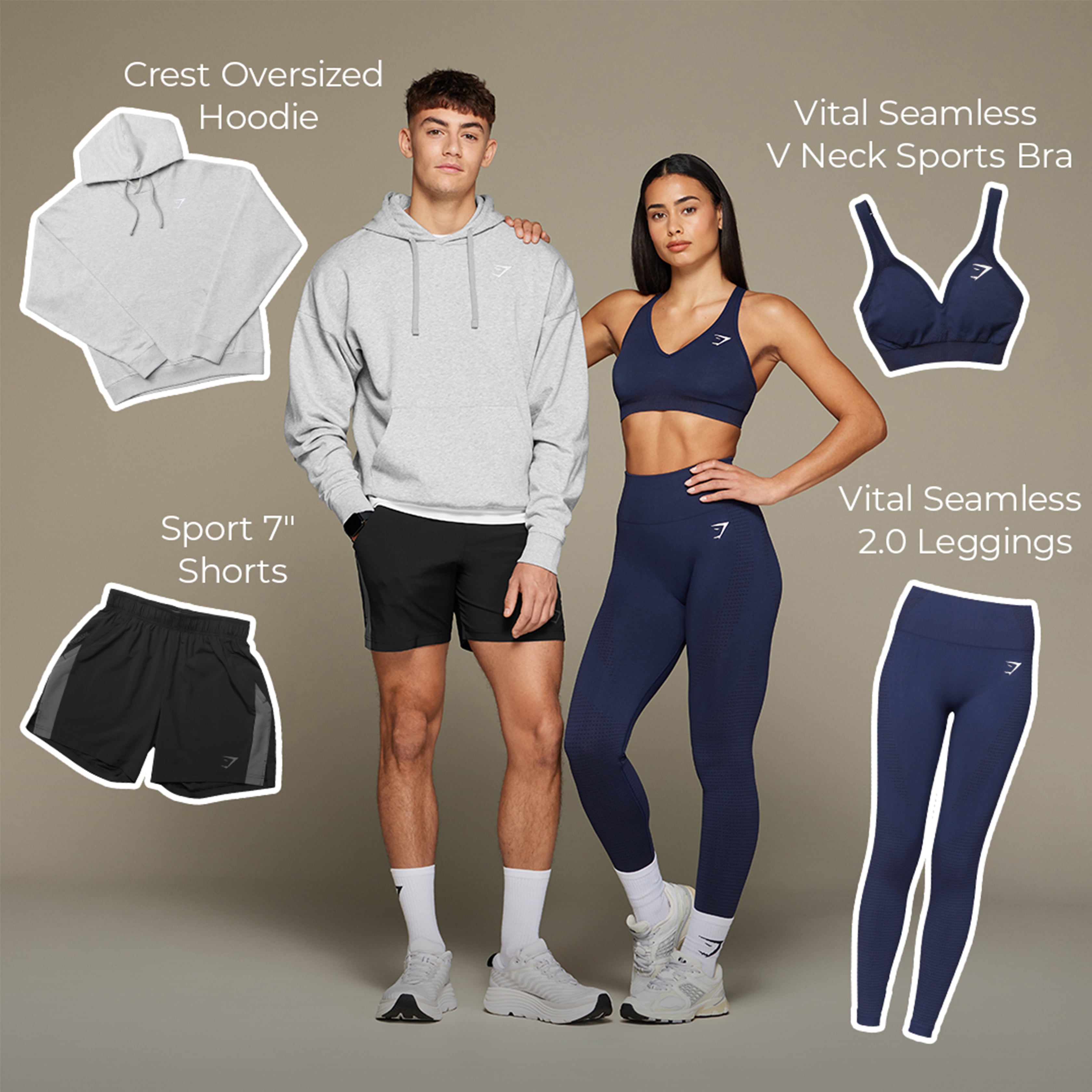
Brands offer gym clothes in many colors, patterns, and cuts. People choose outfits that reflect their personality. This variety makes gym wear attractive both inside and outside the gym.
For example, some people pick bold prints to show energy and positivity, while others prefer classic black for a sleek, understated look. This choice can affect mood and confidence, giving you extra motivation.
Athleisure Trend
“Athleisure” is a mix of athletic and leisure wear. Many people wear gym clothes for errands, travel, or social events. Athleisure is now a billion-dollar industry.
The trend has made gym clothes more comfortable and stylish. You can find leggings, joggers, and hoodies designed for both gym and streetwear, often with added pockets or adjustable features for convenience.
Example: Mixing And Matching
A fitness enthusiast might wear a bright tank top with patterned leggings to express their mood. Others prefer neutral tones for a minimalist look.
Mixing gym clothes with everyday outfits is now common. For instance, pairing sneakers with jeans or layering a gym jacket over casual clothes. This flexibility is part of why gym clothes are so popular.
Non-obvious Insight
Fashion is not just about appearance. Some people use gym clothes to signal confidence or ambition, even if they are not athletic.
For example, wearing gym clothes at work or school may show that you value health and discipline. This can change how others see you and even influence your own mindset.
Credit: row.gymshark.com
Safety And Protection
Gym clothes also protect you from injury and environmental hazards.
Visibility
For outdoor exercise, gym clothes often use reflective materials. This keeps you visible to drivers and cyclists, reducing accident risk.
Reflective stripes or bright colors are common in running jackets and cycling gear. Safety is especially important at night or in low-light conditions.
Supportive Features
Sports bras, knee sleeves, and padded shorts provide support and prevent strain on sensitive areas.
For example, sports bras reduce discomfort and injury risk during high-impact activities. Knee sleeves help stabilize joints, while padded shorts protect muscles and bones during cycling.
Weather Protection
Some athletic wear is waterproof or wind-resistant. This helps you stay comfortable and safe during outdoor activities.
Rain jackets and windbreakers are designed for runners and hikers who train in all conditions. Layering gym clothes helps you adapt to changing weather, making workouts safer.
Example: Layering
Runners layer gym clothes to stay warm in cold weather and shed layers as they heat up. This flexibility is a big advantage, keeping workouts safe and comfortable year-round.
Accessibility And Affordability
Gym clothes are now accessible to almost everyone.
Wide Price Range
Athletic wear is available at many price points. You can find budget options at discount stores or invest in premium brands. The wide range means gym clothes are not limited to elite athletes.
Many brands offer basic gym clothes with good performance features for less than $30. This makes fitness more accessible, regardless of income.
Easy To Clean
Most gym clothes are machine washable and dry quickly. This makes them practical for frequent use.
Quick-drying fabrics are ideal for people who exercise daily, as they don’t have to wait long for their clothes to be ready. This also helps prevent bacteria buildup.
Beginner Mistake
Some beginners think gym clothes are too expensive. In reality, basic functional items can be found for less than $20.
Another mistake is buying only branded items. Many generic or store-brand gym clothes offer similar comfort and performance, often at a lower price.
Data Table: Gym Clothes Price Comparison
| Brand | Average Price (Top + Bottom) | Features |
|---|---|---|
| Discount Store | $25 | Basic, durable |
| Mid-range Brand | $60 | Moisture-wicking, stylish |
| Premium Brand | $120 | Compression, advanced tech |
Environmental Concerns
As gym clothes become more popular, people worry about their environmental impact.
Synthetic Fabrics
Most gym clothes use synthetic materials like polyester. These fabrics are durable but may contribute to microplastic pollution.
Some companies are working to reduce pollution by using recycled polyester or biodegradable materials. Washing gym clothes in special bags can also help catch microplastics before they enter water systems.
Eco-friendly Options
Brands are developing recycled fabrics and sustainable production methods. Choosing eco-friendly gym wear supports environmental health.
Eco-friendly gym clothes often use organic cotton, bamboo, or recycled plastics. These materials are less harmful to the environment and are becoming more widely available.
Non-obvious Insight
Not all eco-friendly gym clothes perform equally. Beginners may pick “green” options that lack moisture control or durability. Always check performance features before buying.
A tip: read product reviews or check for certifications like OEKO-TEX or Global Recycled Standard. These labels help ensure quality and sustainability.
Gym Clothes For Different Activities
The type of gym clothes you need depends on your workout.
Cardio
For running or cycling, choose lightweight, moisture-wicking clothes and supportive shoes.
Look for shorts with built-in liners and tops with mesh panels. Running socks should be cushioned and breathable to prevent blisters.
Weightlifting
Look for compression shorts and fitted tops. Gloves and belts may help with grip and support.
Compression clothing helps stabilize muscles, while fitted tops prevent distractions. Weightlifting shoes provide a solid base for heavy lifts.
Yoga And Pilates
Opt for stretchy leggings and tops that stay in place during movement.
High-waist leggings are popular for yoga, as they stay put during poses. Tank tops with built-in bras offer support and comfort.
Swimming
Swimsuits are designed for water resistance and quick drying.
Competitive swimsuits use special materials to reduce drag, while casual swimwear focuses on comfort and style.
Sports Teams
Team uniforms use athletic materials and may include protective gear.
Soccer jerseys, basketball shorts, and baseball pants are made with moisture-wicking fabrics and reinforced seams for durability.

Credit: dianaintimates.com
Choosing The Right Gym Clothes
Selecting gym clothes is about more than just style. Here’s what matters most:
- Fit: Clothes should be snug but not restrictive. Avoid anything too tight or too loose.
- Material: Look for moisture-wicking, breathable fabrics. Avoid heavy cotton.
- Activity: Choose clothes based on your workout. Runners need different gear than yoga practitioners.
- Support: Sports bras, compression wear, and proper shoes protect your body.
- Durability: Pick clothes that last through repeated washes and workouts.
- Budget: Don’t overspend. Good gym clothes are available at many prices.
Common Mistakes When Choosing
- Buying trendy styles without checking comfort or performance.
- Picking sizes too small for “motivation,” leading to discomfort.
- Ignoring features like moisture control or support.
- Choosing fabrics that cause itching or allergies.
A practical tip: Try clothes on before buying, and test their stretch and fit by moving around. Check washing instructions to ensure easy care.
The Future Of Gym Clothes
As technology advances, gym clothes continue to evolve.
Smart Fabrics
Some brands now offer smart gym clothes. These have built-in sensors to track heart rate, calories, and movement.
Smart gym clothes can help you monitor progress and adjust workouts in real time. For example, shirts with sensors send data to your phone, making fitness tracking easier.
Customization
New production methods allow personalized fit and design. You can order clothes tailored to your body and style.
Custom gym clothes are useful for people with unique body shapes or special needs. Some companies use 3D scanning to create perfect fits.
Sustainability
More companies are investing in recycled materials and eco-friendly production.
Eco-friendly gym clothes are becoming more affordable, making it easier for everyone to choose sustainable options.
Example: Wearable Technology
A runner uses leggings with embedded sensors to track steps and muscle effort. This data syncs with a fitness app for feedback.
Wearable tech is not just for pros—beginners can use smart gym clothes to set goals and monitor progress.
Credit: row.gymshark.com
Frequently Asked Questions
Why Can’t I Just Wear Regular Clothes For Exercise?
Regular clothes lack features like moisture-wicking, flexibility, and support. They can cause discomfort, overheating, or even injury. Gym clothes help you move safely and comfortably.
Are Gym Clothes Really Necessary For Beginners?
You don’t need expensive gear, but basic gym clothes make exercise easier and safer. Look for affordable, functional items and focus on comfort.
How Often Should I Wash Gym Clothes?
Wash gym clothes after every workout to prevent bacteria and odor buildup. Most athletic wear is designed for frequent washing.
What’s The Difference Between Gym Clothes And Athleisure?
Gym clothes are made for exercise, with technical features. Athleisure combines style and comfort, often worn outside the gym. Some athleisure items can be used for light workouts.
Are Eco-friendly Gym Clothes As Good As Regular Ones?
Eco-friendly gym clothes can be high-quality, but check performance features like moisture control and durability. Not all “green” items are suitable for intense exercise.
People wear gym clothes for many reasons: comfort, performance, motivation, and even fashion. The right gym attire protects your body, boosts confidence, and helps you reach your fitness goals. As technology and trends change, gym clothes continue to evolve—making them an essential part of modern fitness culture. If you want to learn more about the science behind athletic wear, visit Wikipedia for detailed information. Ultimately, your choice of gym clothes can shape not just your workout, but your mindset and daily routine.
