

Why Do People Call Tank Tops Wife Beaters? Uncovering the Origin
Why Do People Call Tank Tops Wife Beaters
If you walk into a clothing store or scroll through online shops, you’ll see a simple sleeveless shirt called a tank top. But in many places, people use a much harsher nickname: “wife beater.” This phrase is common, but it’s also confusing and uncomfortable for many. Why would a basic piece of clothing get such a loaded name? The answer ties together history, language, pop culture, stereotypes, and even discussions about violence and masculinity.
The story behind this name reveals how words change, how media shapes our view of clothes, and how society’s problems can hide in plain sight. Understanding why people call tank tops “wife beaters” means looking beyond fashion and exploring attitudes, events, and mistakes that still matter today.
Let’s dig into where this term came from, why it stuck, and what it says about culture.
What Is A Tank Top?
First, let’s be clear about what a tank top is. It’s a sleeveless shirt with wide armholes and a scoop or round neck. Usually made from cotton or a stretchy blend, these shirts are light, comfortable, and popular in hot weather. People wear them alone or as an undershirt.
There are different styles of tank tops:
- Athletic tank tops: Often seen in gyms or sports, designed to wick sweat.
- Fashion tank tops: Made for casual style, sometimes with logos or prints.
- Undershirt tank tops: Plain, usually white, worn under shirts.
What’s important is that the basic tank top is a neutral piece of clothing. So how did it get such a negative nickname?
The Origins Of The Term "wife Beater"
Many wonder when and how the term wife beater became linked to a simple tank top. The answer isn’t straightforward, but several theories and events help explain this strange pairing.
Early Associations With Violence
Long before the nickname was common, the sleeveless undershirt had a reputation. In older movies and news, men who were shown as poor, rough, or violent often wore plain white tank tops. These characters were not meant to be stylish—they were meant to look sweaty, tough, and sometimes dangerous.
The image stuck. Over time, the tank top became a symbol of a certain “tough guy” stereotype. It was seen as cheap, practical, and linked to manual labor or lower-income neighborhoods. Unfortunately, these stereotypes also included ideas about domestic violence.
A Crime Report That Changed Language
One story about the name’s origin points to a real crime. Decades ago, a news story reported on a man who was arrested for abusing his wife. In his mugshot, he wore a dirty white tank top. Newspapers called him a “wife beater,” and the image became infamous.
People started to connect the shirt with violence at home, even if most tank top wearers were not violent.
Hollywood And Pop Culture’s Role
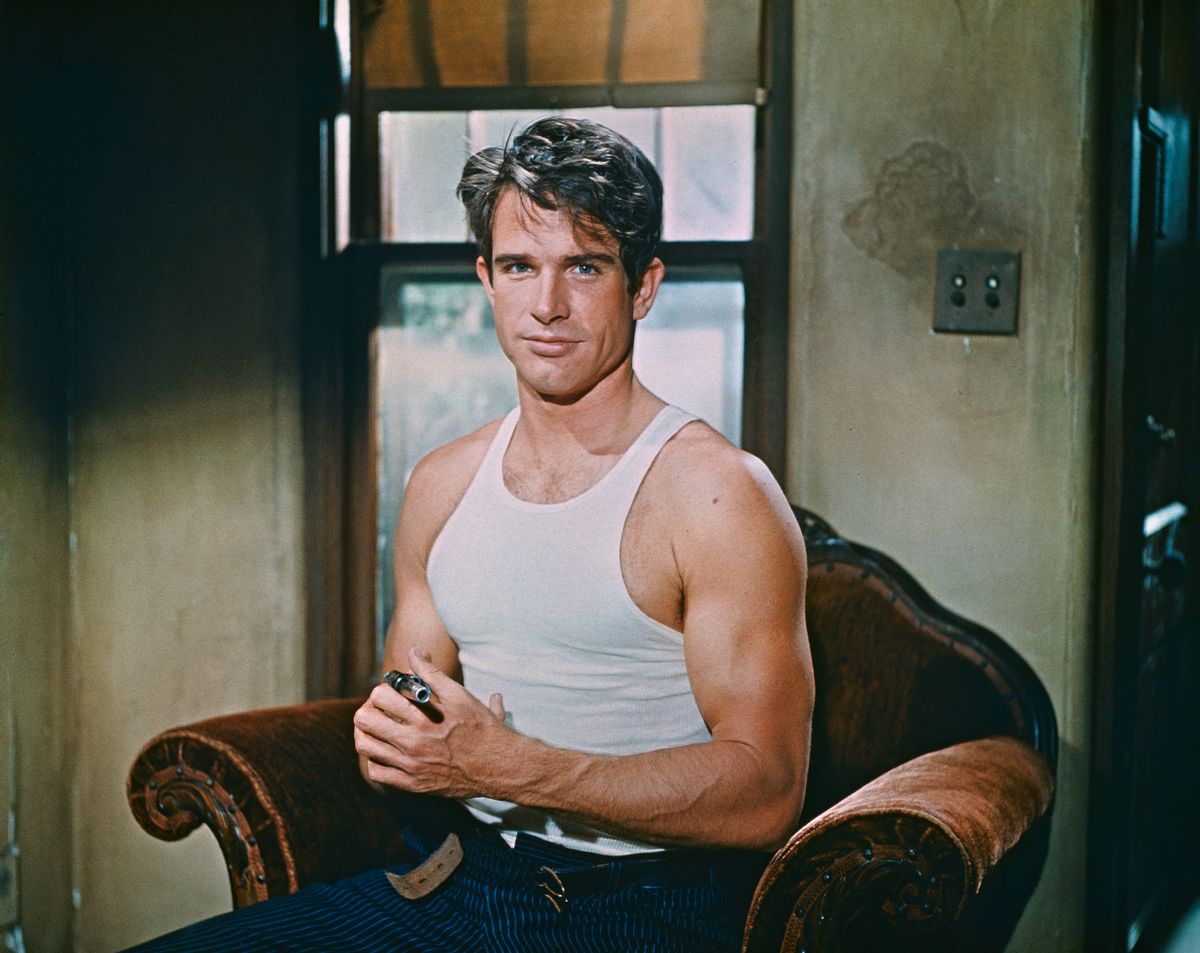
Movies, TV shows, and even cartoons have shown villains or troubled men in white tank tops. For example, actors playing angry, aggressive, or drunk characters often wore these shirts. This visual shortcut made it easy for viewers to “read” the character quickly.
Over time, the shirt itself picked up the nickname, and people stopped thinking about where it came from.
Music videos, comedy sketches, and even advertisements have sometimes used the term “wife beater” as if it was just another style, ignoring its violent roots. This careless use helped spread the nickname until it was almost as common as “tank top” itself.
When Did The Name Become Mainstream?
The nickname started as dark humor or slang, but it spread fast—especially among young people. Soon, it appeared in movies, magazines, and online stores. Some brands even used it to sell shirts, thinking it sounded edgy or funny. Many people didn’t realize (or ignored) the real meaning.
The pattern is clear: media, stereotypes, and a few high-profile cases linked the tank top with domestic violence, then everyday speech made the nickname “normal.”
Credit: www.snopes.com
The Power Of Language: Why Nicknames Stick
Why do some nicknames, even offensive ones, become popular? The answer lies in how people use language, the power of repetition, and the way slang spreads.
Slang Travels Fast
Slang often starts in small groups—students, musicians, or comedians—and spreads through jokes or pop culture. If a phrase is catchy or easy to remember, it moves quickly from one group to another. The more people repeat it, the more “normal” it feels.
Media Amplifies Words
TV, movies, and the internet boost slang. When a famous character says “wife beater” in a blockbuster film, millions hear it at once. If a popular comedian makes a joke about tank tops using that term, it spreads even more.
The nickname becomes part of the everyday vocabulary.
When Humor Hides Harm
Some people use dark or shocking language for humor. Saying “wife beater” instead of “tank top” sounds edgy or rebellious to them. But this kind of humor can hide the real harm behind the words, making people forget about the serious issues connected to domestic violence.
Social Pressure And Imitation
People often repeat words and phrases just because their friends or favorite celebrities use them. They may not stop to think about the meaning. This is why many use “wife beater” without realizing its history or impact.
Stereotypes, Masculinity, And Clothing
The nickname “wife beater” is not just about language—it’s about stereotypes and how clothes signal identity.
Who Wears A Tank Top?
In many movies and shows, the tank top is worn by men who are:
- Working class or poor
- Aggressive or violent
- Unemployed or drinking
- Living in “rough” neighborhoods
These stereotypes are unfair, but they stick because they’re repeated so often in media.
Hyper-masculinity And The Tank Top
The tank top also became a symbol of hyper-masculinity—the idea that “real men” are tough, muscular, and sometimes angry. In bodybuilding or wrestling, the tank top shows off muscles and sweat. In movies, the “bad guy” often wears one to look mean or dangerous.
This connection between the shirt and “toughness” made it easier for people to use a nickname that suggests violence, even if most wearers are peaceful and normal.
Fashion, Class, And Respectability
Fashion also plays a role. In some cultures, wearing a tank top is seen as “low-class” or disrespectful, especially in formal or work settings. This view adds to the stereotype that people who wear tank tops don’t follow social rules.
It’s important to see that these are just stereotypes. Millions of people wear tank tops for comfort, sports, or style without any connection to violence or poverty.

Credit: www.youtube.com
The Impact Of The Term: Harmful Or Harmless?
Some people argue that “wife beater” is just a joke or a harmless bit of slang. But others say it’s a real problem.
Normalizing Violence
When people use the term without thinking, it makes jokes about something serious—domestic violence. Over time, this can make violence seem less shocking or important. It sends the message that hitting a partner is just a punchline, not a crime.
Offending And Excluding
Many people, especially survivors of abuse, find the nickname deeply offensive. It can make them feel unseen, unwelcome, or even mocked. Using the term in public or in stores can make people uncomfortable or upset.
Language Shapes Attitudes
Words matter. When a society uses violent terms casually, it can change how people see real violence. Nicknames like “wife beater” may seem small, but they shape attitudes and can make it harder to talk about real problems.
Commercial Use And Backlash
Some clothing brands and online shops have used “wife beater” in ads or product descriptions. This has led to backlash, boycotts, and calls for more responsible marketing. Many now avoid the term, but it still appears in some places.
Tank Tops In Pop Culture: Famous Examples
The tank top has a long history in movies, music, and sports. Sometimes it’s part of a cool, rebellious look. Other times, it’s used to signal danger or trouble.
Movie Characters
- Action heroes: Many action stars have worn tank tops in famous scenes. Think of characters running through explosions, fighting bad guys, or escaping danger. The shirt shows off muscles and sweat, making the hero look tough and active.
- Villains and anti-heroes: Directors often dress “bad guys” in tank tops to make them look rough or unpolished. This visual cue helps the audience judge the character quickly.
- Everyday men: In some dramas and comedies, the tank top is just a sign of casual, at-home life. It’s part of pajamas or lazy weekends.
Music And Subcultures
Tank tops are also popular in music scenes—punk, hip hop, rock, and dance. Musicians have worn them on stage to look edgy, rebellious, or athletic. Sometimes, artists use the tank top to challenge fashion rules.
Sports And Fitness
In sports, tank tops are practical and common. Athletes wear them to stay cool and move freely. In this context, the shirt has no negative meaning.
Fashion Trends
Designers have tried to reclaim the tank top by making high-end versions or adding new colors and fabrics. In fashion shows, tank tops appear as cool, modern basics—far from the stereotype.
How Different Cultures Name Tank Tops
The nickname “wife beater” is most common in the United States and some English-speaking countries. But other cultures have their own names for the same shirt, and most are neutral or positive.
Here’s a look at how a simple tank top is named around the world:
| Country/Region | Local Name | Meaning/Origin |
|---|---|---|
| United Kingdom | Vest | Undershirt, neutral term |
| India | Banyan | From Hindi/Urdu, very common |
| Australia | Singlet | Sports term, neutral |
| Philippines | Sandos | From Spanish, casual |
| United States | Tank Top/Wife Beater | Both common, one negative |
As you can see, most cultures use names that describe the style or function, not a stereotype or insult. The American nickname stands out as unusually harsh.
Tank Tops Vs. Other Sleeveless Shirts
Not all sleeveless shirts are called “wife beaters.” The nickname is linked to a specific style: the plain, white, ribbed cotton undershirt. Let’s compare tank tops to other sleeveless shirts.
| Type | Features | Common Names |
|---|---|---|
| Tank Top | Sleeveless, wide armholes, scoop neck | Tank, undershirt, wife beater (US) |
| Muscle Shirt | Sleeveless, tighter fit, higher neck | Muscle tee, gym shirt |
| A-Shirt | Ribbed, white, thin straps, worn as underwear | Wife beater (US), vest (UK) |
| Camisole | Sleeveless, thin straps, often for women | Cami, tank |
The nickname “wife beater” is almost always used for the classic men’s white tank top/undershirt, not for fashion or sports tank tops.
Social Change: Moving Away From The Term
Many people and groups now encourage using the proper name—tank top or undershirt—instead of the nickname. Here’s why:
Raising Awareness
Campaigns against domestic violence have pointed out how language can harm. They explain that using “wife beater” for a shirt makes light of real pain.
Changing Store Labels
Some stores and brands have stopped using the term in product descriptions. They use “tank top,” “A-shirt,” or “undershirt” instead.
Conversations And Corrections
Teachers, parents, and activists often correct others who use the nickname, explaining why it’s harmful. This helps spread awareness and change habits.
Media Responsibility
News outlets and style magazines are more careful now, using neutral terms and avoiding jokes about violence.
Online Influence
Social media has made it easier to call out harmful language. Many people now share information about the nickname’s history and why it should be avoided.
Why The Term Persists
Despite growing awareness, the nickname “wife beater” is still common. Why is it so hard to get rid of?
Habit And Inertia
People often use words they’ve heard for years. Changing habits takes time and effort.
Lack Of Awareness
Many do not know the origin or meaning of the nickname. They repeat it without thinking.
Peer Pressure
If friends or family use the term, it feels normal. People may fear being “too sensitive” if they complain.
Humor And Irony
Some use the nickname as a joke or to be “ironic,” not realizing the harm it can do.
Media Lag
Old movies, TV shows, and even some modern content still use the term, keeping it alive.
What Should You Call This Shirt?
The safest and most respectful choice is to use tank top or undershirt. These terms are clear, neutral, and widely understood. If you want to be more specific, use “A-shirt” or the local name in your country.
If you hear someone use the nickname, you can gently explain why it’s better to choose a different word. Most people don’t mean harm—they just haven’t thought about the history.
Non-obvious Insights Most People Miss
- The nickname is not just slang; it reflects deeper issues of how society jokes about serious topics. Many people think it’s just a silly phrase, but it hides a pattern of making violence seem less serious.
- The tank top’s reputation changes from culture to culture. While it’s linked to negative ideas in some places, in others it’s a sign of comfort, status, or even athleticism. The stereotype is not universal.
- Media shortcuts can shape reality. When directors or advertisers repeatedly show a certain type of person in a tank top, viewers start to believe this is true in real life—even when it’s just a costume choice.
- Changing language is possible. Many offensive terms have faded over time as people learn and adapt. This can happen with “wife beater” too, if enough people care.
- Tank tops themselves are not the problem—stereotypes and language are. The shirt is just fabric. The real issue is how people use words and images to send messages, often without realizing it.
Frequently Asked Questions
What Is The Original Purpose Of A Tank Top?
Tank tops were designed as undergarments or activewear. They help absorb sweat, keep outer clothes clean, and let the body stay cool in warm weather. Over time, they became popular as casual outerwear, especially in sports and summer fashion.
Is It Offensive To Use The Term "wife Beater"?
Yes, for many people, it is offensive. The nickname makes light of domestic violence and can be hurtful to survivors or those affected by abuse. It’s better to use neutral terms like “tank top” or “undershirt.”
Why Do People Still Use The Nickname If It’s Problematic?
Habit, lack of awareness, and social pressure keep the nickname alive. Some people don’t know its history, while others use it as a joke. Media and pop culture also continue to use the term, making it feel normal even when it’s not.

Credit: www.nytimes.com
Are There Alternatives To The Term "wife Beater"?
Yes. Use tank top, undershirt, A-shirt, or the local name in your country (like “singlet” or “vest”). These words are clear and do not carry negative meanings.
Where Can I Learn More About The History Of Clothing Names?
For more information on clothing terms and history, you can visit Wikipedia, which provides detailed explanations and examples of how these names have changed over time.
The story of why people call tank tops “wife beaters” is a lesson in how language, media, and stereotypes shape our world. By choosing better words and understanding their impact, we can make small but real changes in how we talk about each other—and the clothes we wear.
