

Why Do My Gym Leggings Fall Down? Top Causes and Quick Fixes
Why Do My Gym Leggings Fall Down
Finding the perfect pair of gym leggings can be a challenge. For many fitness lovers, nothing is more frustrating than leggings that keep sliding down during a workout. This small problem can interrupt your flow, distract you from your exercises, and make you feel uncomfortable.
If you've ever wondered, "Why do my gym leggings fall down? "—you're not alone. This is a common issue faced by both beginners and experienced athletes.
Leggings are designed to fit snugly and move with your body. When they don't stay in place, it can be a sign of several underlying factors, ranging from sizing mistakes to fabric problems. Understanding these reasons can help you make smarter choices and enjoy your workout without constant readjusting.
In this article, you'll discover all the main causes behind slipping leggings, learn how to solve the problem, and pick up tips for future purchases. With practical advice, real examples, and expert insights, you'll finally get the answers you need for a better gym experience.
Understanding Leggings Design And Fit
Gym leggings are more than just stretchy pants. Their design, material, and structure all affect how well they stay up during movement. Let's look at the key features that influence their fit.
Waistband Types
The waistband is one of the most important parts of gym leggings. There are a few common styles:
- Elastic waistbands: These use a band of elastic sewn into the fabric. They are flexible but may lose tightness over time.
- High-rise waistbands: These cover more of your waist and stomach, often helping leggings stay up better.
- Drawstring waistbands: Some leggings include a drawstring for extra support. These are less common but can be adjusted for a custom fit.
A waistband that is too loose or made from poor-quality elastic can quickly lead to slipping.
Fabric And Stretch
The fabric blend also plays a major role. Most gym leggings use a mix of polyester, nylon, and spandex. Spandex (or elastane) adds stretch, while polyester and nylon provide strength and moisture control. If your leggings have too little spandex, they might not stretch enough to grip your body.
A common blend ratio looks like this:
| Material | Percentage | Purpose |
|---|---|---|
| Polyester/Nylon | 70-90% | Durability, moisture-wicking |
| Spandex/Elastane | 10-30% | Stretch and recovery |
If the fabric loses its stretch or the blend is unbalanced, leggings can slide down easily.
Seams And Stitching
The way leggings are stitched also matters. Flatlock seams are often used to reduce chafing and provide comfort. However, if seams are weak or placed in the wrong spot, the leggings may twist or slip. Sometimes, poor stitching causes the waistband to detach slightly, which can make the fit less secure.
Body Shape And Legging Design
Not all leggings fit every body type the same way. For example, people with a smaller waist and bigger hips may find that leggings fit well at the hips but are loose at the waist. Others might have the opposite issue.
Brands design leggings based on average measurements, but everyone’s body is unique. If your body shape doesn’t match the design, slipping is much more likely.
Common Reasons Gym Leggings Fall Down
Understanding why leggings fall down starts with knowing the most common causes. Let’s break down the main reasons.
1. Incorrect Size
One of the most frequent reasons is wearing the wrong size. If your leggings are too big, they won’t grip your waist or hips tightly enough. Sizing can be tricky because each brand uses different charts. Sometimes, people buy a size up for comfort, but this can lead to constant slipping.
A quick way to check: Put your leggings on and squat. If the waistband moves down or gaps open, they’re probably too big.
2. Worn-out Elastic
Over time, the elastic in the waistband can lose its stretch. This happens naturally with repeated washing and wearing. If your leggings used to stay up but now slide down, the elastic is likely the problem. Worn-out elastic doesn't snap back, so it can't hold your leggings in place.
3. Low-quality Fabric
Not all leggings are made equal. Cheaper materials might look fine at first but quickly lose their shape. If the spandex content is low or the fabric is thin, it stretches out and sags. High-quality leggings are an investment because their fabric holds up better, maintaining its fit even after many uses.
4. Improper Washing And Care
How you wash your leggings matters. Hot water, strong detergents, and dryers can damage the fibers, especially spandex. This makes the material less stretchy and more likely to slide down. Always check the care label and avoid heat as much as possible.
5. Body Changes
Weight loss or gain, muscle growth, or hormonal changes can alter how your leggings fit. Even a small change in your waist or hips can affect the tightness. If you notice your leggings fit differently after several months, your body shape may have changed.
6. Activity Type
Certain exercises put more stress on your leggings. For example, running, jumping, or burpees can pull leggings down more than yoga or cycling. If your leggings are slipping during high-impact activities, you might need a style with more support.
7. Lack Of Grip Features
Some leggings have extra features to help them stay put, such as silicone strips inside the waistband or a double-layered top. If your leggings lack these, they may slide more easily. This is especially true for basic or budget designs.
8. Incorrect Rise
Leggings come in different rises: low, mid, and high. If you choose a rise that doesn’t match your body type or activity, the waistband can roll or slip. High-rise leggings often stay up better for most body types.
9. Static And Slippery Undergarments
Wearing silky underwear or using lotions can make your leggings slide against your skin. Static electricity can also reduce grip, especially in dry climates.
10. Poorly Placed Seams
Seams that don’t follow your body’s natural lines can cause leggings to twist and slip. This is a design flaw that’s hard to fix without buying a different pair.
How To Stop Your Gym Leggings From Falling Down
Now that you know the causes, let’s look at practical solutions. These tips can help you get the most out of your current leggings and choose better ones in the future.
1. Find Your True Size
Check the sizing chart for each brand. Measure your waist, hips, and inseam, and compare these to the chart. If you’re between sizes, try the smaller one for a snug fit. Some brands offer “curvy” or “tall” options for different body shapes.
2. Look For High-quality Materials
Choose leggings with at least 20% spandex/elastane. This ensures good stretch and recovery. Read reviews and check the fabric blend before buying. High-quality leggings cost more but last longer and fit better.
3. Test The Waistband
Try leggings with a wide, high-rise waistband. These cover more area and hold better. If possible, test them with a few squats or jumps in the store. Look for extra grip features like silicone or a drawstring.
4. Care For Your Leggings Properly
Wash your leggings in cold water and avoid the dryer. Lay them flat to dry. This keeps the elastic and fabric strong. Turn them inside out before washing to reduce friction.
5. Consider Body Changes
If your body shape has changed, it’s worth updating your wardrobe. Holding on to old leggings that no longer fit will only lead to discomfort.
6. Match Leggings To Activity
For high-impact workouts, pick leggings with extra support. Compression leggings are a good choice for running and HIIT. For yoga or Pilates, lighter fabrics may be enough.
7. Try Different Rises
Experiment with mid-rise and high-rise leggings to see which works best for your body. High-rise leggings usually offer the most secure fit.
8. Avoid Slippery Underwear
Choose cotton or seamless underwear for better grip. Avoid lotions before putting on leggings, especially around your waist and hips.
9. Check For Good Stitching
Inspect the seams before buying. Flatlock seams that follow your body’s shape are best. Avoid leggings with seams that look twisted or uneven.
10. Use Accessories If Needed
Some people use a thin belt or waistband gripper to keep leggings in place. This can be a quick fix if you’re not ready to buy new ones.
Comparing Popular Legging Features
Not all leggings are the same. Here’s a quick side-by-side comparison of features to look for when shopping:
| Feature | Benefit | Drawback |
|---|---|---|
| High-rise waistband | Better coverage and support | Can feel warm or restrictive |
| Compression fabric | Stays put during movement | Can be tight for some users |
| Drawstring | Custom fit adjustment | Less common, may be bulky |
| Silicone grip | Extra security for waistband | May irritate sensitive skin |
Using this table, you can decide which features matter most for your body and workout style.
What To Look For When Buying New Leggings
Choosing the right leggings involves more than picking a color or brand. Here’s how to make a smart choice:
Fabric Quality And Blend
Check the label for polyester/nylon and spandex content. More spandex means better stretch. Avoid leggings that feel thin or see-through when you try them on.
Waistband Construction
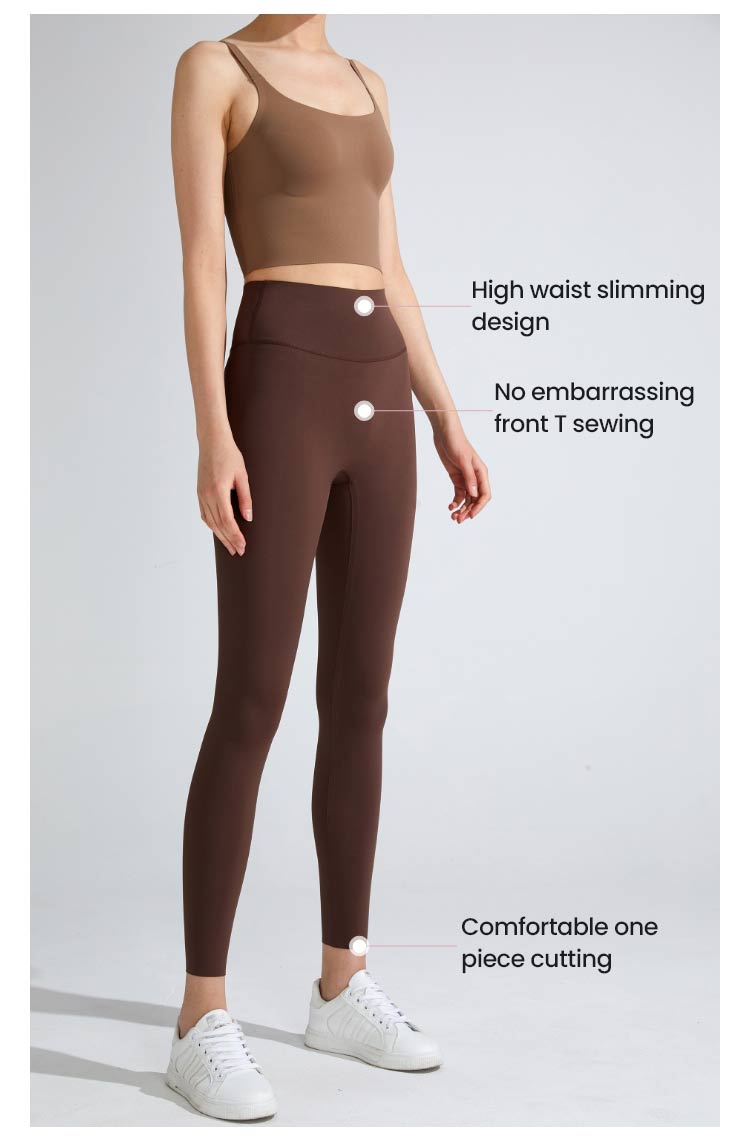
A wide, double-layered waistband offers the best grip and comfort. Avoid leggings with a narrow or rolled waistband, as these often slip.
Sizing And Length
Try on different sizes and lengths if possible. Some people need “7/8 length” (just above the ankle) rather than full-length, depending on height and leg shape.
Reviews And Brand Reputation
Research brands that are known for quality activewear. Read online reviews to see if others mention slipping problems. Brands that focus on athletic wear tend to have better designs for movement.
Return Policy
Look for stores with a good return policy. This way, if your leggings don’t fit well after a few wears, you’re not stuck with them.
Real-world Examples: Why Leggings Fall Down
Sometimes, hearing about real experiences can make the problem clearer. Here are a few common scenarios:
- Case 1: A runner buys basic leggings from a fast-fashion store. After two runs, the waistband stretches out and the leggings slide down. The cause: low-quality fabric and weak elastic.
- Case 2: A woman loses weight over several months. Her favorite leggings now gap at the waist and fall during squats. The issue: body changes mean the old size no longer fits.
- Case 3: A man with a muscular build buys leggings designed for a slimmer frame. The leggings fit his legs but not his waist, leading to constant slipping.
- Case 4: After months of hot water washes and dryer cycles, a pair of leggings loses its stretch and starts sagging.
These stories show that slipping leggings are rarely the result of just one factor. Usually, it’s a mix of fabric, fit, and care.

Credit: ugawear.com
Surprising Insights Most People Miss
While many people focus on size and fabric, a few less obvious factors can make a big difference.
- Muscle vs. Fat Distribution: If you have a muscular lower body and a smaller waist, most leggings will feel loose at the top. Some brands now offer “athletic fit” leggings for this reason.
- Rise and Torso Length: People with a long torso may find that regular high-rise leggings are actually mid-rise for them. This difference can lead to slipping. If this sounds like you, look for brands that offer “long rise” or “tall” options.
- Heat and Sweat: Sweat can make the waistband slide, especially if the inside is smooth. Some leggings use textured or brushed fabric on the inside to increase grip.
How Legging Brands Differ
Brand reputation matters. Well-known athletic brands often invest more in research, design, and testing. Cheaper brands may cut corners, resulting in leggings that don’t fit as well or last as long.
Here’s a comparison of what you might expect from different price ranges:
| Price Range | Typical Features | Durability |
|---|---|---|
| Budget ($10–$30) | Basic fabric, simple waistband, limited sizes | Low—stretches out quickly |
| Mid-range ($30–$70) | Better fabric blend, wider waistband, more styles | Medium—lasts several months to a year |
| Premium ($70+) | High spandex, engineered fit, grip features, many sizes | High—can last years with care |
While you don’t always need the most expensive pair, investing in quality often means fewer slipping problems.
Mistakes To Avoid When Choosing Leggings
Many people make simple errors when buying or caring for leggings. Here’s what to watch out for:
- Buying for Looks Alone: Cute designs are great, but function comes first. Always test the fit and grip.
- Ignoring the Care Label: Washing in hot water and drying can ruin elasticity. Follow care instructions closely.
- Sticking to One Size: Your body changes over time. Re-measure yourself every few months.
- Choosing Thin Fabrics: Thin leggings may look sleek but often lose shape quickly.
- Forgetting About Activity Type: Yoga leggings may not work for running. Match your leggings to your workout.
Long-term Solutions And Habits
To prevent slipping leggings in the future, consider these habits:
- Rotate Your Leggings: Wearing the same pair too often wears them out faster. Rotate between several pairs.
- Store Flat: Hanging leggings can stretch them out. Fold and store them flat.
- Buy Multiples: If you find a pair that fits perfectly, buy an extra. Brands change designs often, so it’s smart to stock up.
Credit: loonylegs.com
When It’s Time To Replace Leggings
Even the best leggings don’t last forever. Signs you need a new pair include:
- The waistband stays stretched out even after washing.
- The fabric feels thin or see-through.
- Seams start to unravel.
- The leggings slip no matter how you wear them.
Most good-quality leggings last 6-18 months with regular use. If you notice these issues, it’s time for an upgrade.
Getting The Most Out Of Your Leggings
To make your leggings last longer and perform better:
- Wash in cold water with mild detergent.
- Avoid fabric softeners—they coat fibers and reduce stretch.
- Dry flat, not in the dryer.
- Avoid sitting on rough surfaces, which can damage fabric.
Taking a few extra steps can keep your leggings fitting well and staying up, workout after workout.
Expert Tips For A Better Fit
- Try leggings on at the end of the day when your body is at its largest.
- Look for leggings with a gusset (diamond-shaped piece at the crotch) for better fit and movement.
- Don’t be afraid to tailor your leggings. A small adjustment can make a big difference.
When To See A Professional
If you’ve tried everything and your leggings still fall down, you might have unique body proportions. Some athletic stores offer personal fittings or custom tailoring. This can be especially helpful if you have a hard time finding off-the-rack leggings that fit both your waist and hips.
Credit: www.fitopwear.com
Additional Resources
For more guidance on athletic wear and fitness clothing care, the Consumer Reports guide to workout leggings offers independent reviews and tips on choosing the right leggings for your needs.
Frequently Asked Questions
Why Do My Leggings Slide Down Even Though They Feel Tight At First?
Tight leggings may still slip if the waistband elastic is weak or the fabric loses stretch quickly. Sometimes, leggings fit tightly on the legs but are too loose at the waist, which can also cause slipping.
Can Wearing Underwear Affect How My Leggings Fit?
Yes. Silky or slippery underwear can reduce the grip between your skin and leggings, making them more likely to slip. Opt for cotton or seamless underwear for better hold.
Is It Bad To Wear Leggings That Are Too Tight To Avoid Them Falling Down?
Wearing leggings that are too tight can cause discomfort, restrict movement, and even affect circulation. It’s better to find a pair with the right blend of snugness and comfort, not just the tightest fit.
How Do I Know If The Fabric Is High Quality?
High-quality fabric should feel smooth, thick, and stretchy. Look for leggings with 20% or more spandex/elastane in the blend. Check reviews and brand reputation for more clues.
Do All Leggings Eventually Fall Down As They Age?
Most leggings will lose some elasticity over time, but high-quality pairs with proper care can last much longer without slipping. Signs of aging include a stretched-out waistband, sagging fabric, and slipping during activity.
Finding gym leggings that stay up is possible with the right information and a little trial and error. By focusing on fabric, fit, and care, you can say goodbye to slipping leggings and focus on your workout.
