

Why Are Women's Gym Clothes So Tight? The Real Reasons Explained
Why Are Women’s Gym Clothes So Tight?
Stepping into any gym or fitness studio, you notice something almost everywhere: women’s gym clothes are often tight. Leggings, sports bras, compression tops—these outfits cling closely to the body. It’s a trend that stands out, and for many, it prompts the question: why are women’s gym clothes so tight? Is it only about fashion, or are there deeper reasons behind the snug fit?
This article explores the practical, scientific, cultural, and psychological factors that shape the design of women’s gym wear. We’ll look at how tight gym clothes help with performance, comfort, safety, and confidence, and also how marketing, social norms, and personal preferences play a role.
If you’ve ever wondered why the shelves are full of fitted gym clothes—and if they’re right for you—this guide will provide the answers.
The Science Behind Tight Gym Clothes
One of the main reasons women’s gym clothes are tight is functionality. Tight fabrics are designed to support the body during exercise. Let’s dive into the science.
Compression And Muscle Support
Compression wear is a big part of modern gym clothing. These garments gently squeeze the muscles, which can:
- Increase blood flow
- Reduce muscle vibration
- Support recovery
Studies show that compression can boost athletic performance by keeping muscles warm and reducing fatigue. For example, compression leggings may help runners maintain speed and reduce soreness after a workout.
Moisture Management
Another key reason for tight gym clothes is moisture control. Most fitted gym wear uses synthetic fabrics like polyester, spandex, or nylon. These materials wick sweat away from the skin, keeping you dry. Loose clothing often absorbs sweat, which can feel heavy and uncomfortable.
Safety In Movement
Tight gym clothes also offer safety. When you lift weights or do cardio, loose clothes may get caught on equipment. Fitted wear stays out of the way, reducing risk of accidents. Plus, it allows trainers or coaches to see your form clearly, helping correct mistakes.
Temperature Regulation
Some tight gym clothes are made with thermoregulating fabrics. These keep the body cool during intense exercise and warm during stretching. This is especially important for activities like yoga, pilates, or HIIT, where body temperature changes quickly.
Comfort And Practicality
While the science shows that tight gym clothes help the body, comfort is another big reason behind their popularity.
Freedom Of Movement
When clothes fit closely, they move with your body. This is important for exercises like squats, lunges, and stretches. Loose clothes can bunch up, restrict movement, or slip down, causing distraction.
Less Chafing And Irritation
Tight gym clothes often mean fewer seams and less fabric rubbing against the skin. This reduces chafing, which is common during running or high-intensity workouts. Seamless leggings and sports bras, for example, are designed for maximum comfort.
Staying In Place
Many women’s gym clothes include features like:
- Wide waistbands
- Silicone grips
- Adjustable straps
These keep the clothes in place, even during intense workouts. No one wants to stop exercising to pull up leggings or adjust a top.
Practical Examples
Consider yoga. Most poses require bending, stretching, and twisting. Tight leggings allow for these movements without restriction. In cycling, snug shorts reduce wind resistance and stay comfortable on the seat.

Credit: www.bvmindia.org
Fashion And Style Trends
Fashion is a major driver of tight gym wear. Over time, the gym has become a place to express personal style.
Athleisure: The Blending Of Gym And Everyday Wear
The rise of athleisure—clothes that work in both gym and casual settings—means gym wear must look good. Tight leggings and crop tops are now seen in supermarkets, cafes, and even offices. Brands design these clothes to be flattering and stylish.
Body Positivity And Confidence
Many women choose fitted gym clothes because they feel confident in them. Tight clothes can highlight muscle tone and progress, boosting self-esteem. Some women find that seeing their body’s shape helps them feel empowered.
Influencer And Celebrity Impact
Social media has a huge effect on gym fashion. Celebrities and fitness influencers often wear tight gym clothes, setting trends that many follow. Brands partner with these figures to promote new designs.
Brand Competition
Big sportswear brands compete to design the most eye-catching gym clothes. This drives innovation in fit, color, and style. For example, unique patterns, mesh panels, and cut-outs are popular, all in tight-fitting designs.
Cultural And Social Influences
Culture has shaped the way women’s gym clothes are designed and worn.
Changing Attitudes Toward Fitness
Years ago, gym clothes were mostly loose and basic. As fitness became more popular, especially among women, brands responded by making clothes that support active lifestyles. Today, tight gym wear is seen as normal.
Women’s Empowerment
Many see tight gym clothes as a symbol of empowerment. Wearing fitted clothes shows confidence, strength, and pride in one’s body. This is a shift from older norms, where women were expected to hide their bodies.
Peer Pressure And Social Acceptance
There is also a social element. Some women wear tight gym clothes because others do. It’s a way to fit in and feel accepted at the gym or in fitness groups. This can be positive, creating a sense of community, but also challenging for those who prefer looser styles.
Body Types And Fit Options
Not all women have the same body shape or size, so how do tight gym clothes work for everyone?
Size Inclusivity
Brands now offer a wider range of sizes and fits. From petite to plus-size, many companies use stretchy fabrics to accommodate different body types.
Customization And Adjustability
Some gym wear includes adjustable features, like drawstrings or variable support in sports bras, to help each woman find her perfect fit.
Comparison Of Fit Styles
Here’s a look at how different fit styles compare for gym wear:
| Fit Style | Main Features | Best For |
|---|---|---|
| Tight/Compression | Snug, supports muscles, moisture-wicking | High-intensity workouts, running, weightlifting |
| Relaxed/Semi-Fitted | Looser, breathable, less restriction | Yoga, pilates, walking, casual wear |
| Loose | Very roomy, less sweat control | Warm-up, cool-down, layering |
Personal Preference
Many women mix tight and loose gym clothes, depending on activity and comfort. For example, some wear fitted leggings but a loose tank top. The key is choosing what feels best for your body and workout.
Fabric Technology And Innovation
Gym clothes have changed a lot thanks to new fabric technologies.
Stretch And Recovery
Modern fabrics use spandex (also called Lycra or elastane) to create stretch. This allows clothes to move with the body and return to their original shape after washing.
Breathability
Breathable fabrics are crucial. Tiny holes or mesh panels in tight gym clothes increase airflow, keeping the skin cool.
Odor Control
Some tight gym clothes use antimicrobial technology to prevent odors caused by sweat. This is especially helpful for those who exercise frequently.
Data On Fabric Use
Let’s compare common gym wear fabrics:
| Fabric | Stretch | Moisture Wicking | Odor Control |
|---|---|---|---|
| Polyester | Medium | Excellent | Often treated |
| Spandex | High | Good | Rare |
| Cotton | Low | Poor | Poor |
| Nylon | Medium | Excellent | Often treated |
Environmental Concerns
Many synthetic fabrics are not eco-friendly. Some brands now offer recycled materials or natural fibers with stretch, for those who want sustainable options.
Psychological Impact Of Tight Gym Wear
Wearing tight gym clothes affects not just the body, but the mind.
Motivation And Accountability
Some women say tight gym clothes motivate them. Feeling the snug fit reminds them to stay active or keep working toward fitness goals. Seeing muscle definition can be a reward for progress.
Reducing Distraction
Loose clothes can be distracting—slipping, bunching, or needing adjustment. Tight clothes reduce these distractions, letting you focus on your workout.
Self-image And Confidence
Fitted gym wear can help some women feel strong and confident. For others, it may be uncomfortable. The psychological impact depends on personal preference and body image.
Practical Insight
Beginners often worry about how tight gym clothes look, but most people at the gym are focused on their own workouts. Over time, many grow comfortable wearing fitted clothes.
Marketing And Commercial Strategies
Brands play a big role in shaping gym wear trends.
Highlighting Performance
Sportswear companies market tight gym clothes as performance enhancing. They use data and athlete endorsements to show how compression helps with speed, endurance, and recovery.
Social Proof
Marketing often relies on images of fit, confident women in tight gym clothes. This creates a “social proof” effect, encouraging others to buy similar styles.
Limited Editions And Seasonal Trends
Brands release limited-edition colors and prints, often in tight styles, to create demand. This keeps consumers interested and returning for new products.
Comparison Of Brand Strategies
Here’s how top brands approach women’s gym wear:
| Brand | Main Focus | Unique Features |
|---|---|---|
| Brand A | Compression and performance | Advanced fabric tech, pro athlete endorsements |
| Brand B | Fashion and style | Bold prints, influencer partnerships |
| Brand C | Comfort and inclusivity | Wide size range, soft fabrics, sustainable options |

Credit: www.mydreamality.com
Common Misconceptions
Not everyone understands the reasons behind tight gym wear. Let’s address some common misconceptions.
Only For Slim Bodies
Some believe tight gym clothes are only for thin or athletic women. In reality, brands make fitted gym wear for all shapes and sizes. The stretch fabric adapts to different bodies.
Uncomfortable By Default
Many think tight gym clothes are always uncomfortable. Properly designed gym wear uses soft, stretchy fabrics that feel good and allow movement.
Just A Fashion Statement
While style matters, tight gym clothes are mainly about functionality. The fit helps with safety, performance, and comfort.
One-size-fits-all
There is a wide range of fits and designs. Women can choose what works best for them, mixing tight and loose pieces.
Health And Safety Considerations
Tight gym clothes offer many benefits, but there are some important safety tips.
Avoiding Over-compression
Too much compression can cause discomfort or restrict blood flow. Look for gym clothes that are snug, but not overly tight.
Skin Health
Some women experience skin irritation or rashes from synthetic fabrics. If this happens, try natural fibers or moisture-wicking materials designed for sensitive skin.
Hygiene
Tight gym clothes can trap sweat. Always wash gym wear after each workout to prevent bacteria growth.
Listening To Your Body
If you feel pain, numbness, or discomfort, switch to a looser fit. Comfort and safety should always come first.
How To Choose The Right Gym Clothes
If you’re shopping for gym wear, keep these points in mind:
- Activity Type: Choose tighter clothes for high-intensity workouts and looser ones for stretching or yoga.
- Fit and Comfort: Try different sizes and fits to find what feels best.
- Fabric: Look for moisture-wicking, breathable fabrics.
- Support: Make sure sports bras offer enough support for your activity.
- Style Preference: Pick styles and colors that make you feel good.
- Budget: Good gym wear doesn’t always mean expensive. Many brands offer quality at lower prices.
- Durability: Check reviews for how clothes hold up after washing.
Practical Tips
- Wash gym clothes in cold water to preserve stretch.
- Avoid fabric softeners, which can damage moisture-wicking properties.
- If you’re new to fitted gym wear, start with semi-fitted styles.
Real-life Experiences And Testimonials
Many women share their reasons for choosing tight gym clothes.
- Maria, Runner: “Compression leggings help me recover faster after long runs. I feel supported and comfortable.”
- Sara, Yoga Instructor: “Tight leggings allow me to move freely in every pose. They stay in place, so I don’t worry about adjusting.”
- Lily, Gym Beginner: “I was nervous about wearing tight gym clothes, but after a few sessions, I realized everyone is focused on their own workout.”
The Future Of Women’s Gym Wear
As fitness trends change, so does gym clothing.
Smart Fabrics
Some brands are developing smart gym wear—clothes with sensors that track heart rate or movement. These are usually tight-fitting to ensure accurate readings.
Sustainability
Eco-friendly fabrics are becoming popular. Tight gym clothes made from recycled materials offer both performance and environmental benefits.
Inclusivity
Brands are expanding size ranges and offering more choices for all body types. The focus is shifting from just fashion to comfort and performance for everyone.
For more on the science and trends behind gym wear, you can explore research at Wikipedia.
Frequently Asked Questions
Why Are Women’s Gym Clothes Tighter Than Men’s?
Women’s gym clothes are often designed to fit the curves of the female body and provide support during exercise. Tight fits help with muscle support, movement, and moisture management. Men’s gym clothes can be tight too, but often focus on different areas of support.
Are Tight Gym Clothes Safe For All Body Types?
Generally, tight gym clothes are safe if they are not overly restrictive. Choose a snug fit that allows movement without discomfort. If you experience pain or numbness, switch to a looser style.
Do Tight Gym Clothes Really Improve Performance?
Yes, compression wear can improve blood flow, reduce muscle fatigue, and support recovery. Tight gym clothes also reduce distraction and help maintain proper form during exercise.
Can I Wear Tight Gym Clothes Outside The Gym?
Many women wear tight gym clothes as part of athleisure style. Leggings, fitted tops, and sports bras are now common in everyday outfits. Choose styles that feel comfortable and appropriate for your activity.
How Do I Care For Tight Gym Clothes?
Wash gym clothes in cold water, avoid fabric softeners, and let them air dry. This helps maintain stretch and moisture-wicking properties. Always wash after each workout to keep them fresh and hygienic.
Women’s gym clothes are tight for many reasons—science, comfort, style, culture, and performance all play a part. Whether you choose fitted or looser gym wear, the most important thing is finding what works for your body and your workout. Tight gym clothes aren’t just a trend; they’re designed to help you move, feel confident, and reach your fitness goals.
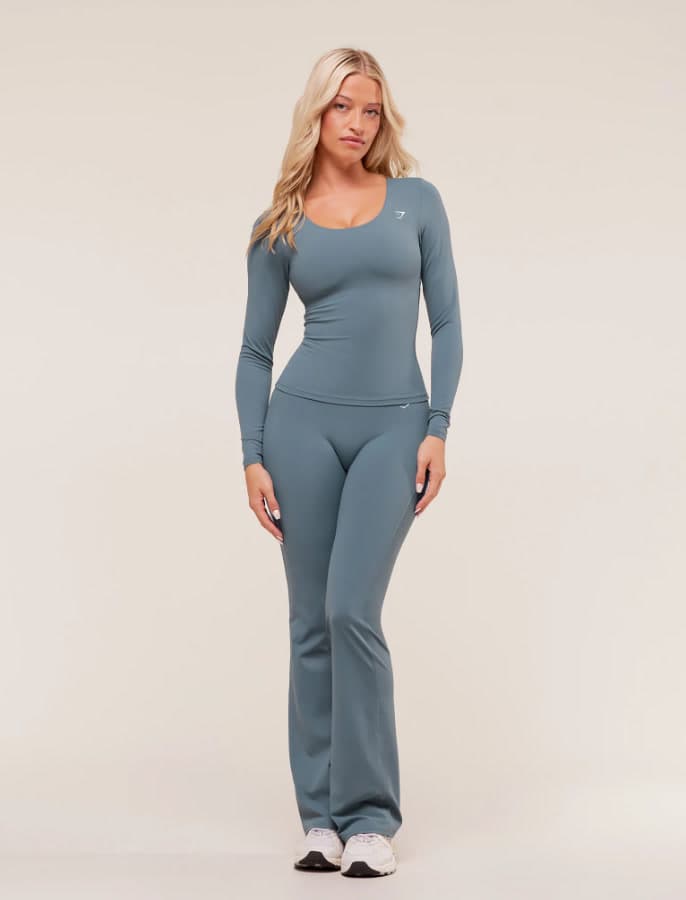
Credit: www.gymshark.com
