

Why Are Tank Tops Called That? Surprising Origins Revealed
Why Are Tank Tops Called That
Few pieces of clothing are as simple and useful as the tank top. It’s worn by athletes, fashion lovers, and people relaxing at home. But if you stop and think, the name “tank top” sounds strange. Why do we call this sleeveless shirt a “tank top”? Is it because of water tanks, armored tanks, or something else? The answer is not obvious. The story behind this name is interesting, and it connects sports, history, and culture.
Most people wear tank tops without ever thinking about the name. Some believe it’s just a short way to say “sleeveless shirt. ” Others think it’s because the shirt shows off the arms and shoulders, making you look strong like a tank.
But these ideas miss the real origin. Understanding why tank tops are called that helps us appreciate how clothes get their names and how society changes with fashion.
The Origin Of The Name “tank Top”
The name “tank top” comes from a surprising place: swimming pools. In the past, swimming pools were often called swimming tanks. These tanks were large, rectangular containers filled with water. People swam in them for exercise, fun, or competitions. The first tank tops were created for swimmers to wear inside these tanks.
Early swimmers needed special clothing. The tank top was designed to cover the chest while leaving the arms free for movement. The shirt was simple, light, and easy to wear. It became known as a tank suit because it was worn in the swimming tank. Over time, the “suit” part was dropped, and the top half of the tank suit became the “tank top.”
The connection between “tank” and “tank top” is not about armored vehicles or strength. It’s about the swimming tank, which was a common word for a pool. As sports and recreation grew, so did the popularity of the tank top.
People started wearing them outside of swimming, and the name stuck.
How Tank Tops Evolved
Tank tops didn’t stay just for swimmers. The design was so practical that it spread to other activities. Athletes wore tank tops for running, basketball, and other sports because they allowed free movement. The shirt was light and cool, making it perfect for hot weather.
In fashion, tank tops became popular for their simple look. They were easy to layer under other clothes or wear alone. The design changed over the years, with different cuts, fabrics, and colors. Today, you can find tank tops in many styles, from sporty to stylish.
Tank tops have also been used in uniforms. For example, many basketball teams wear tank tops as their jerseys. The sleeveless design makes it easier for players to move their arms and stay cool during games. This shows how the tank top’s origin in swimming influenced other sports.
Tank Top Vs. Other Sleeveless Shirts
There are many sleeveless shirts, but not all are tank tops. The tank top has specific features that make it different. Understanding these features helps explain why the name is unique.
| Type | Main Features | Common Use |
|---|---|---|
| Tank Top | Sleeveless, wide straps, scoop or racerback | Sports, casual wear |
| Singlet | Very thin straps, tight fit | Wrestling, running |
| Muscle Shirt | Sleeveless, wider arm openings | Gym, bodybuilding |
| Camisole | Spaghetti straps, lighter fabric | Women’s fashion, layering |
The tank top is recognized by its wider straps and simple design. It is different from the singlet, which is usually worn by runners or wrestlers and has thinner straps. The muscle shirt is similar but often has larger armholes and a more relaxed fit. The camisole is lighter and has very thin straps, mainly worn by women.
Knowing these differences shows that “tank top” is not just a general term for any sleeveless shirt. Its name and style are connected to its history and use.
The Role Of Tank Tops In Sports
Sports have played a big part in making tank tops popular. In swimming, the tank top was first used to help swimmers move easily. As sports grew, other athletes started using tank tops because they were comfortable and practical.
Basketball is one sport where tank tops became standard. Players need freedom to move their arms when shooting, passing, or dribbling. The tank top allows this movement and keeps players cool. Running and track athletes also prefer tank tops for their lightness and breathability.
Tank tops are used in many other sports:
- Gymnastics: Athletes wear tank tops for flexibility.
- Tennis: Some players choose tank tops for comfort.
- Weightlifting: Tank tops show off muscles and allow free movement.
- Yoga: Many yoga practitioners wear tank tops for ease.
The tank top’s sports roots are clear. The name connects to its history in swimming and its usefulness in many athletic activities.

Credit: www.snopes.com
Tank Tops In Everyday Fashion
Tank tops are not just for athletes. They have become a regular part of everyday fashion. People wear them for comfort, style, and layering.
One reason tank tops are popular is their versatility. They can be worn alone in hot weather or under other shirts. Tank tops come in many colors, fabrics, and designs, making them easy to match with other clothes.
Fashion designers have also used tank tops in their collections. Sometimes they add prints, patterns, or special cuts to make the tank top stand out. This has made the tank top a favorite for both men and women.
The tank top’s simple shape makes it easy to personalize. People can add patches, embroidery, or dye to create unique looks. This shows how the tank top has moved from a sports item to a fashion statement.
Tank Tops Around The World
Tank tops are worn in many countries and cultures. The style may change, but the basic design stays the same. In some places, tank tops are called by different names, such as “vest,” “sleeveless shirt,” or “singlet. ”
In Asia, tank tops are common in both sports and casual fashion. In Europe, they are used in summer and for layering. In America, tank tops are worn in gyms, beaches, and homes.
The global use of tank tops shows their appeal. The name “tank top” may not be used everywhere, but the style is recognized worldwide.
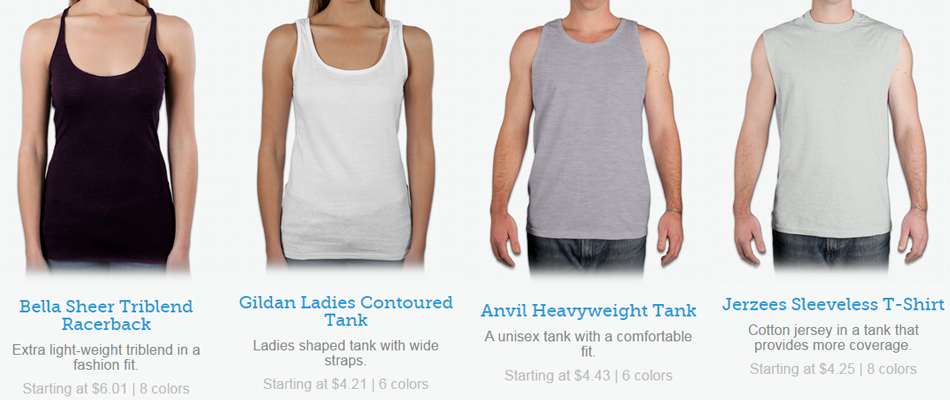
Credit: www.ooshirts.com
Why The Name Lasted
Many clothing names change over time, but “tank top” has lasted. There are several reasons:
- Clear origin: The name connects to swimming tanks.
- Simple design: The tank top is easy to recognize.
- Popular in sports: Its use in athletics keeps the name alive.
- Fashion appeal: Tank tops are always in style.
The name is unique. It doesn’t confuse people with other sleeveless shirts. Even as fashion changes, “tank top” remains a familiar term.
How Tank Tops Are Made
The way tank tops are made has changed with technology. Early tank tops were made of wool or cotton. Today, many are made from synthetic fabrics like polyester or blends that dry quickly.
Modern tank tops are designed for both comfort and durability. Some have extra features, like moisture-wicking or UV protection. Others are made to stretch and fit the body closely.
The process of making a tank top is simple:
- Cutting fabric: The fabric is cut into the shape of the tank top.
- Sewing seams: The parts are sewn together, leaving space for arms.
- Finishing edges: The armholes and neckline are finished to prevent fraying.
- Adding details: Labels, prints, or logos can be added.
Some brands use eco-friendly materials to make tank tops. This appeals to people who care about the environment.
Comparing Tank Tops To Other Athletic Wear
Tank tops are just one type of athletic clothing. They are often compared to t-shirts, jerseys, and singlets. Here is a comparison:
| Clothing | Arm Coverage | Best For | Comfort Level |
|---|---|---|---|
| Tank Top | Sleeveless | Sports, casual | High |
| T-shirt | Short sleeves | Casual, some sports | Medium |
| Jersey | Varies (short or sleeveless) | Team sports | Medium to high |
| Singlet | Very thin straps | Running, wrestling | High |
Tank tops stand out because they offer maximum arm movement. T-shirts are more casual and cover the shoulders. Jerseys are used for team sports and may have sleeves or not. Singlets are used in specific sports and fit tightly.
Cultural Meanings Of Tank Tops
Tank tops have different meanings in culture. In some places, they are seen as casual and relaxed. In others, they are used to show off muscles or style.
For example, in movies, tank tops are often worn by tough characters. This gives the shirt a strong image. In fashion, tank tops can be elegant or bold, depending on how they are worn.
Some people wear tank tops to show tattoos or body art. Others use them to stay cool in hot weather. The tank top’s meaning changes depending on the situation.
Tank Tops And Gender
Tank tops are worn by all genders, but the styles can be different. Men’s tank tops are usually wider and simpler. Women’s tank tops may have thinner straps or special cuts.
Tank tops can be unisex. Many brands offer tank tops that fit anyone. Some designs are made for specific activities, like yoga or running.
The tank top’s history in sports helped make it popular with men. But women also wear tank tops for fitness and fashion. The shirt’s versatility makes it a favorite for everyone.
Common Myths About Tank Tops
There are a few myths about tank tops:
- Tank tops are only for athletes: This is false. Tank tops are worn for fashion, comfort, and layering.
- The name comes from armored tanks: Some believe this, but the real origin is swimming tanks.
- Tank tops are always tight: While many are fitted, some are loose and relaxed.
Understanding the facts helps clear up confusion about the tank top’s name and use.
Tank Tops In Popular Culture
Tank tops have appeared in movies, music videos, and TV shows. Famous actors and singers wear them, making them trendy. The tank top is sometimes used to show confidence or strength.
For example, action stars often wear tank tops in films. This connects the shirt to power and toughness. In pop culture, tank tops are used to create a relaxed or sporty look.
Fashion magazines and blogs often show tank tops as part of summer outfits. This keeps the shirt in style and popular with young people.
The Science Of Comfort: Why Tank Tops Work
Tank tops are comfortable because they let air flow around the body. This helps keep you cool and dry. The sleeveless design means less fabric, so there is less chance of sweating.
Athletes like tank tops because they reduce friction. When moving, sleeves can rub against the skin and cause discomfort. Tank tops avoid this problem.
Some tank tops use special fabrics to improve comfort. These fabrics pull sweat away from the body, making the shirt dry faster. This is useful for sports and outdoor activities.
Tank Tops And Body Image
Tank tops are used to show off the body. People who work out often wear tank tops to highlight their muscles. This can help build confidence and motivate others.
But tank tops are not just for fit people. Anyone can wear them. The shirt is about comfort and style, not just showing off. Some people worry about how they look in a tank top, but there are styles for every body type.
Choosing the right tank top can make you feel good. There are options for loose, fitted, long, or short tank tops. Everyone can find a style that suits them.
Tank Tops In The Workplace
In some jobs, tank tops are allowed. For example, fitness instructors or lifeguards often wear tank tops. The shirt is practical for these roles.
However, in many offices or formal settings, tank tops are not accepted. Dress codes may require shirts with sleeves. This is because tank tops are seen as informal.
Some workplaces are changing. In creative fields, people may wear tank tops, especially in hot weather. The choice depends on the company culture and rules.

Credit: undersummers.com
Environmental Impact Of Tank Tops
The production of tank tops affects the environment. Some fabrics use a lot of water or chemicals. Brands are now making tank tops from recycled or organic materials.
Consumers can help by choosing eco-friendly tank tops. Look for shirts made from organic cotton or recycled fibers. This reduces waste and pollution.
Washing tank tops also matters. Use cold water and avoid harsh detergents to protect the fabric and the environment.
Tank Tops And Health
Tank tops are good for health in some ways. They keep you cool and reduce sweating. This helps prevent skin problems like rashes.
For people with sensitive skin, choosing soft fabrics is important. Tank tops made from natural fibers are less likely to cause irritation.
Tank tops are also good for exercise. They don’t restrict movement, making it easier to stay active.
Choosing The Right Tank Top
Picking the best tank top depends on your needs. Here are some tips:
- Fit: Decide if you want a tight or loose tank top.
- Fabric: Choose cotton for comfort or synthetic for sports.
- Style: Pick a design that matches your activity.
- Color: Bright colors for fashion, neutral for layering.
- Purpose: Is it for sports, fashion, or casual wear?
Trying on different tank tops helps find the best one. Pay attention to how it feels and moves with your body.
The Future Of Tank Tops
Tank tops continue to change with fashion and technology. Smart fabrics may offer new features like temperature control or odor resistance.
Designers are creating tank tops with new shapes and prints. The shirt remains popular because it is practical and stylish.
Tank tops are also part of sustainable fashion. Brands are working to reduce waste and use better materials.
Tank Top Statistics And Facts
Here are some interesting facts:
- Tank tops are one of the most sold summer shirts in many countries.
- Athletic brands report that tank tops are among their top sellers for training.
- Surveys show that most people own at least one tank top.
- Tank tops are often the preferred choice for gym-goers.
These facts prove the tank top’s popularity and usefulness.
Non-obvious Insights About Tank Tops
- Many people believe tank tops are only for hot weather, but they are also used as base layers in cold climates. Wearing a tank top under shirts helps trap warmth without adding bulk.
- Tank tops support body movement in ways that sleeves do not. For dancers or performers, the sleeveless style allows for expressive motion and reduces restriction.
- The original tank suits were made from heavy materials, but the move to lighter fabrics made tank tops more popular in general life—not just sports.
- Some cultures use tank tops as traditional wear, pairing them with skirts or trousers for ceremonies and festivals.
Comparing Tank Tops To Camisoles
Tank tops and camisoles are often confused. Both are sleeveless, but they have differences.
| Feature | Tank Top | Camisole |
|---|---|---|
| Strap Width | Wide | Thin (spaghetti straps) |
| Fabric | Thicker, athletic | Lighter, often lace |
| Use | Sports, casual | Layering, sleepwear |
| Gender | Unisex | Mainly women |
Knowing these differences helps you choose the right shirt for your needs.
Frequently Asked Questions
Why Are Tank Tops Called “tank Tops”?
The name “tank top” comes from swimming tanks, which were early pools. The shirt was first worn by swimmers inside these tanks, and the name stuck as the design spread to other activities.
Are Tank Tops And Muscle Shirts The Same?
No, muscle shirts usually have wider armholes and a looser fit. Tank tops have more structured straps and are used for sports and fashion. The names are often mixed up, but the styles are different.
Can Anyone Wear A Tank Top?
Yes, tank tops are made for all body types and genders. There are many styles, from loose to fitted. Everyone can find a tank top that suits their shape and comfort level.
What’s The Difference Between A Tank Top And A Singlet?
A singlet has thinner straps and is tighter. It is mainly used in sports like wrestling or running. Tank tops have wider straps and are worn for sports, fashion, and casual wear.
Where Can I Learn More About Tank Top History?
You can find more information about tank top origins and uses at Wikipedia, which offers detailed background and examples.
Tank tops are more than just simple shirts. Their name connects to sports history, culture, and fashion. Understanding why they are called “tank tops” helps us see how clothing reflects society and change. Next time you wear a tank top, you’ll know the story behind its unique name.
