

Why Are Gym Clothes Tight? The Science Behind Compression Wear
Why Are Gym Clothes Tight
For many people, walking into a gym for the first time can be a surprising experience. The walls are covered with mirrors, music plays in the background, and everywhere you look, people are wearing tight, body-hugging clothing. This style is not just a fashion trend—it’s a practical choice that’s become the standard for workout gear. But why are gym clothes tight? Is it just about looks, or are there deeper reasons tied to performance, comfort, and even safety?
Understanding the reasons behind tight gym clothing will help you make better decisions for your own workout wardrobe. This article explores the science, psychology, and practical benefits of tight gym wear, along with potential downsides and tips for choosing the right fit.
The Science Behind Tight Gym Clothes
Performance And Muscle Support
One of the main reasons gym clothes are tight is to provide muscle support during physical activity. Tight clothing, especially compression wear, gently squeezes the muscles. This pressure can help reduce muscle vibration, which often happens during exercises like running or jumping. Less vibration means less muscle fatigue, so you can work out longer and recover faster.
A study published in the Journal of Sports Sciences found that compression garments can help reduce muscle soreness after intense exercise. The snug fit supports muscles and may even help blood flow, improving the delivery of oxygen and nutrients.
Moisture Management And Sweat Control
Tight gym clothes are usually made from moisture-wicking fabrics. These materials pull sweat away from your skin and spread it across the surface, where it can evaporate quickly. This keeps your body cool and dry during a workout. Loose clothing, on the other hand, can become heavy and clingy as it absorbs sweat.
Here’s a comparison of how different fabrics handle sweat:
| Fabric | Moisture Wicking | Drying Speed | Comfort When Wet |
|---|---|---|---|
| Cotton | Poor | Slow | Low |
| Polyester | Excellent | Fast | Good |
| Spandex/Lycra | Very Good | Fast | High |
| Wool (lightweight) | Good | Medium | Good |
Key insight: Beginners often choose cotton because it feels soft, but it traps moisture and can lead to discomfort or even skin irritation.
Safety And Injury Prevention
Loose clothes can get caught on gym equipment, increasing the risk of accidents. Tight gym wear stays close to the body, reducing the chance of snagging on weights, machines, or resistance bands. This is especially important in activities like cycling or weightlifting, where loose pants or shirts could be dangerous.
Compression wear also offers joint support. For example, tight leggings can help stabilize the knees, and snug sleeves can support the elbows. This can lower the risk of strains and sprains, especially during high-impact movements.
Psychological Benefits Of Tight Gym Clothing
Confidence And Motivation
Wearing tight gym clothes can boost self-confidence. When you see your body’s shape and muscles working during exercise, it can be motivating. This visual feedback helps you check your form and posture. Good form is important for both results and injury prevention.
Many people report feeling more “ready” to work out when they put on well-fitting gym gear. This mental signal can make it easier to start and maintain a regular fitness routine.
Social And Cultural Influences
Tight gym clothing is now a part of fitness culture. Brands, social media, and celebrities have all helped make tight leggings, shorts, and tops popular. This trend is not just about looking good; it’s about fitting in and feeling part of the gym community.
For some, wearing trendy tight gym clothes can be a source of motivation. It’s a way to express personal style and signal commitment to a healthy lifestyle.
Body Awareness
Tight clothing helps with body awareness. When clothes hug your body, you can better sense your movements and posture. This is especially helpful for activities like yoga, pilates, and weight training. You can spot mistakes in form more easily and make adjustments to avoid injury.
Practical Advantages Of Tight Gym Clothes
Range Of Motion
Tight gym wear is made from stretchy materials like spandex or Lycra. These fabrics move with your body, allowing for a full range of motion. Whether you’re stretching, lifting, or running, tight clothes won’t bunch up or get in the way.
In contrast, loose clothing can restrict movement, especially during activities that require bending or twisting. Baggy shorts might ride up during squats, and oversized shirts can slip over your head during yoga poses.
Temperature Regulation
Tight clothing, especially when made from technical fabrics, helps regulate your body temperature. The close fit holds warmth during cold weather workouts, while moisture-wicking properties keep you cool during intense activity.
Some brands offer thermal compression wear for winter workouts. These pieces trap heat close to the body, making it easier to exercise outdoors in low temperatures. In hot weather, lighter tight clothing helps with sweat evaporation, cooling your skin more effectively.
Durability And Longevity
Tight gym clothes tend to last longer than loose ones when used for exercise. The snug fit means less fabric rubbing against itself, which reduces wear and tear. Quality tight gym wear keeps its shape wash after wash, while baggy items can stretch out and become misshapen.
Hygiene And Odor Control
Modern tight gym clothes often include antimicrobial technology. This feature helps prevent the growth of bacteria that cause odor. Since tight clothes keep sweat off your skin, they also lower the risk of fungal infections, which can happen when moisture is trapped for long periods.
Comparing Tight And Loose Gym Clothing
Many beginners wonder whether they should wear tight or loose gym clothes. Both have pros and cons, but for most types of workouts, tight clothing offers more benefits.
Here’s a side-by-side comparison:
| Feature | Tight Gym Clothes | Loose Gym Clothes |
|---|---|---|
| Muscle Support | High | Low |
| Range of Motion | Excellent | Good, but can bunch up |
| Safety | Low risk of snagging | Higher risk of snagging |
| Moisture Control | Excellent | Poor |
| Confidence Boost | Common | Varies |
| Fashion/Trendiness | High | Low |
| Air Circulation | Moderate | High |
| Privacy/Modesty | Lower | Higher |
Non-obvious insight: Many people think loose gym clothes are always cooler, but tight moisture-wicking fabrics can actually keep you cooler by drying sweat quickly.
The Role Of Fabric Technology
Key Materials Used In Tight Gym Clothes
Tight gym clothes rely on advanced fabric technology. Here are some of the most common materials:
- Spandex (Lycra/Elastane): Offers stretch and snap-back shape. Essential for compression and flexibility.
- Polyester: Durable, lightweight, and excellent at wicking moisture.
- Nylon: Soft, smooth, and quick-drying. Adds durability.
- Bamboo blends: Naturally antimicrobial and soft, sometimes used for eco-friendly options.
Fabric Blends And Their Impact
Most gym clothes use a blend of these materials. For example, a typical pair of leggings might be 80% polyester and 20% spandex. This blend offers the right mix of stretch, durability, and sweat management.
Some brands add mesh panels or ventilation zones to increase airflow. These features keep the skin cool without sacrificing the benefits of a tight fit.
Innovations In Gym Wear
Recent innovations include seamless construction, which reduces chafing, and laser-cut holes for better breathability. There are also clothes with built-in sensors that track movement and muscle activation, though these are not yet common for most gym-goers.
Practical tip: When buying gym clothes, check the fabric label. More spandex usually means more stretch, but less breathability. Choose a blend based on your workout type and personal comfort.
Compression Wear Vs. Regular Tight Gym Clothes
What Is Compression Wear?
Compression wear is a special type of tight gym clothing designed to apply gentle pressure to specific muscle groups. It’s popular among athletes and regular gym users for its performance benefits.
Benefits Of Compression Wear
- Improved circulation: Helps deliver more oxygen to muscles.
- Reduced muscle soreness: Speeds up recovery after exercise.
- Better proprioception: Improves body awareness and balance.
- Joint stability: Supports knees, elbows, and other joints.
Compression wear can include socks, sleeves, shorts, and shirts. The level of compression varies. Medical-grade compression is tighter and used for health conditions, while sports compression is less intense and made for comfort during movement.
Is Compression Wear For Everyone?
Not everyone needs compression wear. For casual workouts, standard tight gym clothes are usually enough. However, if you’re training for endurance events or struggle with muscle soreness, compression garments can be a smart addition.
Non-obvious insight: Compression wear works best when sized correctly. Too tight can restrict blood flow, while too loose loses its benefits. Always try on before buying if possible.

Credit: www.afvt.org
Are There Drawbacks To Tight Gym Clothes?
Comfort And Fit Issues
Tight gym clothes are not comfortable for everyone. Some people feel self-conscious or restricted. If the clothes are too tight, they can cause chafing, limit movement, or even affect circulation.
Skin And Hygiene Problems
Wearing tight clothes for long periods, especially if they’re not made from breathable materials, can increase the risk of skin irritation, rashes, or fungal infections. It’s important to wash gym clothes regularly and change out of them soon after exercising.
Modesty And Body Image Concerns
Some people may not feel comfortable showing their body shape in tight clothing. This can be a barrier to going to the gym or exercising in public. For these individuals, it’s important to find clothing that balances comfort, performance, and confidence.
Cost Considerations
High-quality tight gym wear can be expensive. Compression garments and technical fabrics often cost more than basic sportswear. However, they usually last longer and offer more benefits.
How To Choose The Right Tight Gym Clothes
Assess Your Workout Needs
Different workouts call for different types of tight clothing:
- Running or cycling: Look for leggings or shorts with flat seams to prevent chafing.
- Yoga or pilates: Choose high-stretch fabrics that move with your body.
- Weightlifting: Opt for supportive tops and bottoms that don’t shift during big movements.
Check Sizing And Fit
Always try on gym clothes before buying, if possible. The fit should be snug but not restrictive. You should be able to move, stretch, and breathe comfortably. If you’re between sizes, size up for more comfort.
Look For Key Features
- Flat seams or seamless construction to avoid chafing.
- Moisture-wicking and quick-drying fabrics for sweat control.
- Wide waistbands for better support and to prevent rolling.
- Gusseted crotch in leggings for increased comfort and durability.
- Pockets for carrying keys, phones, or gym cards.
Pay Attention To Care Instructions
Technical fabrics often require gentle washing. Avoid fabric softeners, as they can reduce moisture-wicking properties. Hang dry to keep the fabric stretchy and prevent shrinkage.
Consider Your Budget
While you don’t need to buy the most expensive option, investing in quality will save you money over time. Cheap tight gym clothes may lose their shape and support quickly.
How Gym Clothes Have Evolved
Early Days Of Gym Wear
Decades ago, gym clothes were mostly loose and made from cotton. People wore sweatpants, oversized shirts, and basic shorts. These clothes were comfortable but not designed for performance.
The Shift To Performance Wear
With the rise of aerobics and fitness culture, brands started developing tight, stretchy clothes made from synthetic fibers. This shift helped athletes and regular gym-goers perform better, stay comfortable, and look stylish.
Influence Of Social Media And Fashion
Social media has played a big role in making tight gym clothes popular. Influencers and celebrities often share workout outfits, driving trends and encouraging more people to choose form-fitting styles.
Common Myths About Tight Gym Clothes
Myth 1: Tight Clothes Are Always Uncomfortable
While tight clothes can be uncomfortable if the fit is wrong, most modern gym wear is designed to be supportive and flexible. The right size and fabric make a big difference.
Myth 2: Only Athletes Need Tight Gym Clothes
Tight gym clothes are not just for professional athletes. Anyone can benefit from better muscle support, moisture control, and improved movement.
Myth 3: Tight Gym Clothes Are Bad For Circulation
Properly fitted tight gym clothes can actually improve blood flow. Problems only occur if the clothes are too tight or worn for too long without a break.
Myth 4: Tight Clothes Cause More Sweat
Tight gym clothes made with moisture-wicking fabric help sweat evaporate faster. You may feel cooler, not hotter, compared to wearing loose cotton.
Tips For Feeling Confident In Tight Gym Clothes
- Choose the right fit: Don’t force yourself into a size that’s too small. Comfort leads to confidence.
- Layer up: If you feel exposed, wear a loose top over a fitted tank or leggings.
- Focus on function: Remember that the main goal is performance, not just appearance.
- Pick colors you like: Darker shades can be more forgiving, while bright colors stand out.
- Practice good posture: Standing tall in your gym wear can boost self-esteem.
Real-world Examples: Who Uses Tight Gym Clothes And Why
Professional Athletes
Many athletes, from runners to soccer players, use tight gym wear for performance. Compression shorts, tights, and sleeves help them train longer and recover faster.
Everyday Gym-goers
People at all fitness levels use tight gym clothes for comfort and confidence. Whether lifting weights, attending group classes, or using cardio machines, snug clothing has become the default.
Special Populations
People recovering from injuries may use compression wear for joint support. Pregnant women can find maternity leggings that offer gentle belly support during workouts.
When Tight Gym Clothes Are Not The Best Choice
There are situations where tight gym clothes are not ideal:
- Heat-sensitive workouts: If you’re exercising outdoors on a hot day, consider looser styles for better airflow.
- Certain cultural or religious settings: Some gyms or fitness classes may prefer modest dress codes. In these cases, look for loose, breathable layers over your tight base layer.
- Medical conditions: People with circulation problems or skin sensitivities should consult a doctor before wearing compression gear.
How The Fitness Industry Supports Tight Gym Clothes
Brands and gyms have embraced tight clothing for its practical benefits. Many group fitness classes, like spinning or barre, recommend tight wear to help instructors check form and alignment. Some brands even offer size-inclusive lines, making it easier for everyone to find a comfortable fit.
For more information on the science behind compression clothing, check out this Compression garment overview.
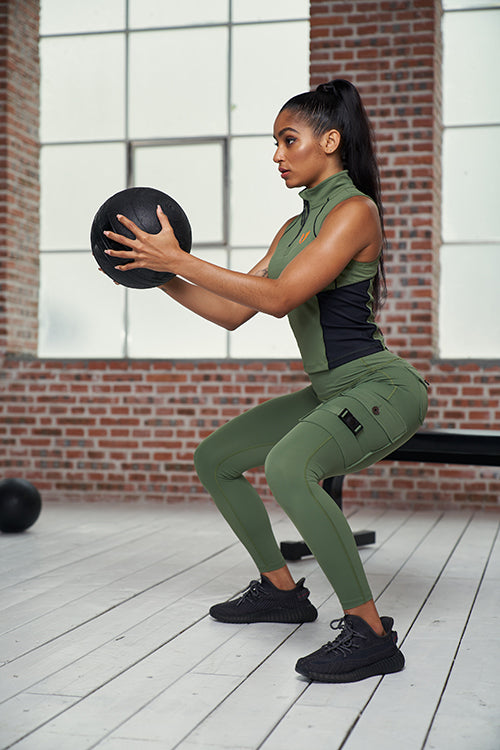
Credit: www.firmabs.com
Frequently Asked Questions
Why Do Gym Clothes Need To Be So Tight?
Tight gym clothes support muscles, help manage sweat, and allow for a full range of movement. They also reduce the risk of fabric getting caught on equipment and improve form by letting you see your body’s alignment during exercise.

Credit: www.nytimes.com
Are Tight Gym Clothes Better Than Loose Ones For All Workouts?
Not always. Tight clothes are best for activities that need a lot of movement, like running or yoga. For slower, low-intensity workouts, some people may prefer looser clothes for more airflow and comfort.
Can Tight Gym Clothes Cause Health Problems?
If they are too tight or worn for long periods, they can cause skin irritation, chafing, or restrict blood flow. The key is to wear the correct size and choose breathable fabrics.
Do Tight Gym Clothes Help With Weight Loss?
Tight gym clothes themselves do not burn calories or melt fat. However, they can boost confidence and comfort, which may encourage more frequent exercise—a key part of weight loss.
How Do I Know If My Gym Clothes Are Too Tight?
If you feel restricted, notice marks on your skin, or have trouble breathing deeply, your clothes are probably too tight. You should be able to move freely and feel comfortable during your workout.
Tight gym clothes are more than just a trend—they’re a practical tool for better workouts, increased comfort, and improved safety. With the right fit and fabric, they can help you reach your fitness goals and feel good doing it. Choose wisely, focus on comfort and performance, and enjoy the many benefits that a well-fitting gym outfit can offer.
