

Why Are Gym Clothes So Tight? The Science Behind the Fit
Why Are Gym Clothes So Tight?
Walk into any gym or fitness class and you’ll see a common trend: many people wear clothes that fit closely to their bodies. For someone new to exercise, this can be surprising. Why are gym clothes so tight? Is it just a fashion statement, or is there a reason behind these skin-hugging outfits?
The truth is, tight gym clothes are not just about looks. They play a big role in performance, comfort, and safety during workouts. From helping muscles move better to reducing the risk of injuries, snug activewear brings real benefits. However, there are also myths and drawbacks to consider. This article will explore all the reasons why gym clothes are tight, what it means for your workout, and how to choose what’s right for you.
The Science Behind Tight Gym Clothes
Tight gym clothes are usually made from stretchy materials like spandex, nylon, or polyester blends. These fabrics are designed to fit closely but still allow freedom of movement. The main reason is compression—this means the clothes gently press against your body.
Compression clothing has been studied in sports science. Research shows that tight clothes can help with blood flow, muscle support, and even speed up recovery after exercise. For example, athletes who wear compression shorts or shirts may notice less muscle soreness and swelling.
But there’s more to it. Tight gym clothes also help keep muscles warm, which can reduce the risk of pulling a muscle. They wick away sweat from the skin, keeping you dry and comfortable. And they help prevent chafing—a painful rubbing of the skin that can happen during repetitive movements.
Practical Benefits Of Tight Gym Clothes
Let’s look at the main reasons why people choose tight activewear for their workouts.
1. Improved Movement And Flexibility
Loose clothing can get in the way during exercise. Tight clothes move with your body, so you can stretch, bend, and lift without restriction. For activities like yoga, Pilates, or weightlifting, this flexibility is important. You don’t want your shirt falling over your face during a downward dog or your shorts riding up during squats.
2. Reduced Muscle Vibration And Fatigue
When you run or jump, your muscles shake with each impact. This is called muscle oscillation. Tight gym clothes hold the muscles in place and reduce this vibration. Less shaking means your muscles get tired less quickly and you may recover faster after exercise.
3. Sweat Management
During a workout, your body produces sweat to cool down. If the sweat stays on your skin, it can feel uncomfortable and lead to chills or even skin problems. Tight gym clothes made of moisture-wicking material pull sweat away from your skin and help it evaporate faster.
This keeps you dry and comfortable, even during intense exercise.
4. Injury Prevention
Snug clothing provides gentle support to muscles and joints. This support can help prevent strains and sprains, especially during fast or complex movements. For example, runners often wear compression socks to reduce the risk of ankle injuries.
5. Better Body Awareness
Tight gym clothes make it easier to see your body’s position. This is important for exercises that require good form. For example, a close-fitting shirt or leggings help you notice if your back is straight during deadlifts or if your knees are in the right place during lunges.
Coaches and trainers can also see your movements and give better feedback.
6. Less Chafing And Friction
Loose or rough clothes can rub against your skin, especially in areas like the underarms, thighs, or waist. Over time, this can cause redness, blisters, or even small wounds. Tight, seamless gym clothes minimize friction and protect your skin.
7. Fast Drying And Easy Care
Because tight gym clothes are made from synthetic fibers, they dry quickly and are easy to wash. You can sweat a lot during your workout, rinse your clothes, and they’ll be ready to use again soon. This is a big plus for people who exercise every day.
How Tight Is “tight Enough”?
Not all tight gym clothes are the same. There’s a difference between comfortable snugness and unhealthy restriction. Good activewear should fit closely but not cut off circulation or feel painful.
Signs Your Gym Clothes Are Too Tight
- Numbness or tingling in arms or legs
- Marks or deep lines on your skin after wearing
- Trouble moving or breathing deeply
- Constant pulling or adjusting during exercise
If you notice any of these, your clothes are too tight. Always look for a balance between support and comfort.
Fashion, Confidence, And Social Influence
The popularity of tight gym clothes is also connected to style and self-image. Influencers, celebrities, and athletes often wear fitted outfits, making them look modern and athletic.
1. Body Confidence
Many people feel more confident in snug gym clothes because they show off the results of their hard work. Seeing muscle tone in the mirror can be motivating. However, it’s important to remember that not everyone feels comfortable in tight clothing, and that’s okay.
2. Social Trends
Brands like Nike, Lululemon, and Under Armour have made tight gym clothes a trend. Social media, fitness magazines, and even gym culture encourage people to wear close-fitting outfits. This doesn’t mean you have to follow the trend, but it explains why so many people do.
3. Variety And Personal Choice
There are now more options than ever. Some people prefer high-waisted leggings, others like fitted tank tops. The main thing is to find what makes you feel good and lets you move freely.

Credit: www.nytimes.com
Comparing Tight Vs. Loose Gym Clothes
Sometimes, it’s easier to see the differences in a side-by-side comparison. Here’s how tight and loose gym clothes perform in different areas:
| Feature | Tight Gym Clothes | Loose Gym Clothes |
|---|---|---|
| Movement | Unrestricted, follows body | Can get in the way |
| Muscle Support | Good (compression) | Minimal or none |
| Sweat Management | Excellent, wicks moisture | Varies, often less effective |
| Chafing Risk | Low | Higher, more rubbing |
| Style | Modern, athletic look | Relaxed, casual |
| Comfort | Varies, can feel snug | Often feels airy |
As you can see, tight gym clothes have advantages for performance, but loose clothes can feel more relaxed. Some athletes even mix both styles—for example, a tight base layer with a loose top.
The Role Of Compression In Sports Performance
Compression clothing is a big reason why gym clothes are tight. Let’s dive deeper into how compression works and its effects.
What Is Compression Clothing?
Compression wear applies gentle pressure to your muscles. It’s not the same as medical compression, but it’s enough to give support. The pressure level is measured in mmHg (millimeters of mercury), but most brands don’t list these numbers.
Research Findings
Studies have found that compression clothing can:
- Improve blood flow, which may help muscles get more oxygen
- Reduce swelling and soreness after exercise
- Increase muscle efficiency during short, high-intensity activities
However, not all studies agree. The benefits are usually bigger for recovery than for actual performance. For example, you might not run faster, but you could feel less sore the next day.
When Compression Helps Most
Compression is most helpful for:
- Long runs or endurance sports
- Activities with lots of jumping or fast stops (like basketball)
- People recovering from muscle injuries
If you’re just doing light exercise, the difference may be small.
Material Matters: The Fabrics Behind Tight Gym Clothes
The type of material used in gym clothes makes a big difference. Common fabrics include:
- Spandex (Lycra, Elastane): Very stretchy, returns to shape easily
- Nylon: Smooth, strong, dries quickly
- Polyester: Durable, resists shrinking, good at wicking sweat
These materials are often blended to get the right balance of stretch, comfort, and durability. Some clothes also have mesh panels for breathability or flat seams to reduce chafing.
Why Not Cotton?
Cotton is soft and comfortable, but it holds onto sweat. This makes it heavy and slow to dry during workouts. That’s why most tight gym clothes use synthetic fibers instead.
Safety And Health: Are There Risks With Tight Gym Clothes?
While there are many benefits, wearing clothes that are too tight can cause problems.
Common Issues
- Restricted Blood Flow: Extremely tight clothes can squeeze blood vessels, causing tingling or numbness.
- Skin Irritation: Sweat and friction can lead to rashes or fungal infections.
- Hygiene Concerns: Tight clothes hold sweat close to the skin. If not washed often, bacteria can grow.
- Nerve Compression: Rarely, very tight waistbands or seams can press on nerves, causing discomfort.
How To Avoid Problems
- Always choose your correct size—not smaller for a “better look”
- Change out of sweaty clothes quickly after a workout
- Wash gym clothes after every use
- If you have skin sensitivities, look for seamless or hypoallergenic designs
Real-world Examples: Athletes And Everyday People
Elite athletes often wear compression clothing for training and competition. For example, marathon runners use tight shorts and tops to reduce chafing and muscle fatigue. Football players wear compression sleeves to support their arms or legs.
But you don’t have to be a pro to benefit. Many regular gym-goers find that snug leggings or shirts help them feel more focused and less distracted by their clothing.
Cost And Brand Influence
Tight gym clothes often cost more than loose ones. This is partly due to technology and materials, but also branding. High-end brands use special stitching, seamless designs, and advanced fabrics.
Here’s a quick look at how price compares for different gym clothes:
| Type | Average Price (USD) | Features |
|---|---|---|
| Basic Tight Leggings | 20-40 | Standard stretch, simple seams |
| High-End Compression Leggings | 80-120 | Advanced fabric, seamless, sweat-wicking |
| Loose Gym Shorts | 10-30 | Basic material, minimal tech |
You don’t always need the most expensive option. Many affordable brands now offer good quality and performance.
Cultural Views And Body Acceptance
The rise of tight gym clothes has started conversations about body image. Some people feel judged or uncomfortable, especially in group classes. Others find motivation in seeing their progress.
It’s important to remember that gym clothes are about your comfort and goals—not fitting in with others. If you prefer looser fits, that’s fine too. The best gym outfit is one that helps you feel confident and ready to move.
Common Myths About Tight Gym Clothes
Let’s clear up a few misunderstandings.
Myth 1: Tight Gym Clothes Are Only For Athletes
Fact: Anyone can wear them. The benefits apply to all fitness levels.
Myth 2: Tighter Is Always Better
Fact: Too tight can harm circulation or cause pain. Comfort and movement come first.
Myth 3: You Must Wear Them To Get Results
Fact: Workout results come from effort, not clothing. Clothes help, but they don’t replace hard work.
Myth 4: They’re Only For People With “fit” Bodies
Fact: Gym clothes come in all sizes. Brands now offer options for every body type.
How To Choose The Right Fit For You
Picking the right gym clothes is personal. Here’s how to decide what’s best for your workout and body.
1. Know Your Activity
- Running or cycling: Look for compression shorts or tights to reduce chafing.
- Yoga or Pilates: Stretchy leggings and fitted tops for easy movement.
- Weightlifting: Fitted shirts for better form checks.
- Team sports: Some prefer a tight base layer under a team jersey.
2. Try Before You Buy
If possible, try on clothes and move around. Do a squat, stretch, or jump to see how they feel.
3. Check Fabric And Features
Look for features like:
- Moisture-wicking technology
- Flat seams or seamless designs
- Breathable panels
4. Listen To Your Body
Comfort is key. If something feels too tight, try a different size or style.
5. Don’t Ignore Your Budget
You can find good options at many price points. Focus on fit and function, not just the brand name.
Non-obvious Insights Most Beginners Miss
Many people new to the gym focus only on looks. Here are two insights that are often missed:
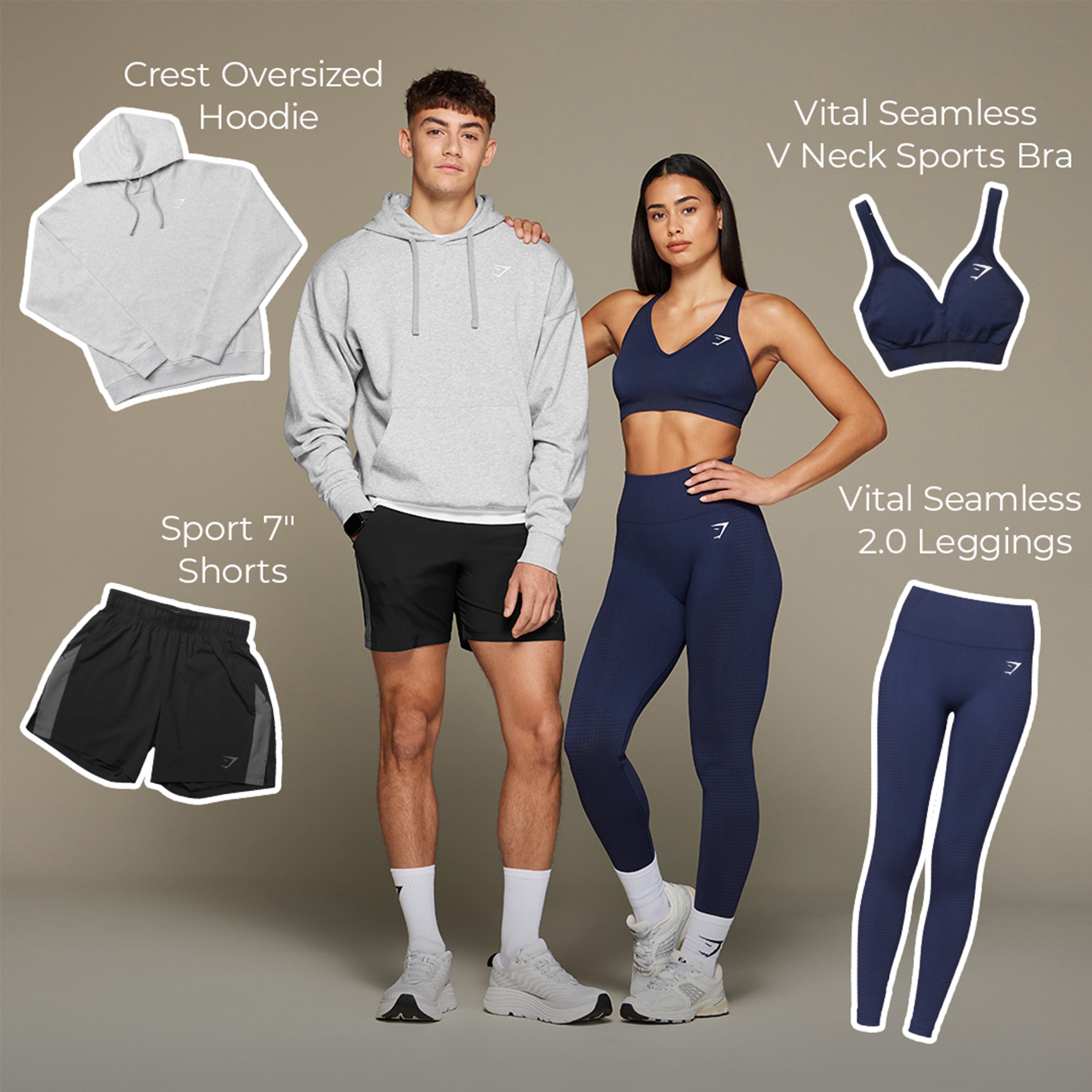
- Layering Matters: Some athletes wear a tight base layer under loose clothes. This gives support without feeling exposed or self-conscious.
- Seam Placement: Even the best fabric can rub if seams are in the wrong place. Look for flat or moved seams to reduce irritation, especially if you run or cycle a lot.
Credit: www.gymshark.com
The Environmental Impact Of Tight Gym Clothes
Most tight gym clothes are made from synthetic materials, which can take a long time to break down in the environment. Some brands now use recycled polyester or eco-friendly dyes. If this matters to you, look for brands with environmental certifications or sustainable practices.
Washing synthetic clothes can also release microplastics into water. To reduce this, wash your gym clothes in a laundry bag designed to catch these fibers.
What If You Don’t Like Tight Gym Clothes?
You don’t have to wear tight gym clothes to get fit. Some people never feel comfortable in them, and that’s fine. There are plenty of loose, breathable options for every type of exercise.
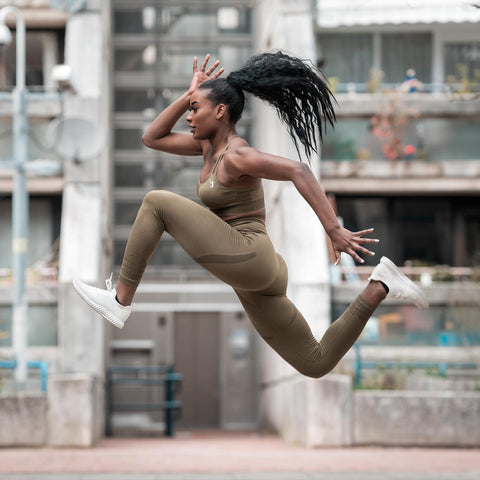
If you want some benefits of tight clothes (like less chafing or better sweat management) but don’t like the look or feel, try:
- Fitted but not compressive styles
- Layering a loose shirt over a tight tank top
- Choosing shorts with built-in compression liners
Credit: www.gymwear.co.uk
Tight Gym Clothes For Different Body Types
Activewear brands now offer a wider range of sizes and fits. This means you can find tight gym clothes designed for curvy, tall, petite, or muscular bodies.
If you have larger thighs or arms, look for brands with extra stretch or “plus-size” lines. If you’re tall or short, check for lengths that match your height. The goal is a close fit, not a squeeze.
Key Takeaways
- Tight gym clothes are designed for performance, comfort, and safety.
- They improve movement, reduce muscle fatigue, manage sweat, and lower the risk of chafing.
- Compression wear may help with muscle recovery and support.
- Choose clothes that fit snugly but don’t restrict breathing or movement.
- Fashion and social trends play a role, but personal comfort is most important.
- You don’t have to wear tight clothes if you don’t like them—there are many good options.
For more on the science of sports clothing, check out Compression Garment on Wikipedia.
Frequently Asked Questions
Why Do Athletes Prefer Tight Gym Clothes?
Athletes wear tight gym clothes for better muscle support, improved movement, and faster recovery. Compression clothing can also help reduce soreness after intense exercise.
Can Tight Gym Clothes Cause Health Problems?
If gym clothes are too tight, they can restrict blood flow, cause skin irritation, or lead to hygiene issues if not washed often. Always choose a size that feels comfortable and change out of sweaty clothes after exercise.
Are Tight Gym Clothes Suitable For All Body Types?
Yes, tight gym clothes are made in many sizes and shapes. Brands now offer options for all body types, including plus-size and petite lines. The key is finding a fit that feels supportive, not restrictive.
Is It Okay To Wear Loose Clothes For Exercise?
Absolutely. Loose clothes can be comfortable and are fine for many types of exercise. Just make sure they don’t get in the way or cause chafing. Some people wear a tight base layer under a loose top for the best of both worlds.
How Do I Know If My Gym Clothes Are Too Tight?
If you feel numbness, tingling, or pain—or if you see deep marks on your skin—your gym clothes are too tight. You should be able to move freely and breathe deeply. If you’re always adjusting your clothes, try a different size or style.
Tight gym clothes are popular for good reasons, but comfort and function always come first. Find what works for your body and your workout, and you’ll feel better both in and out of the gym.
