

Why are Gym Clothes Made of Polyester? Benefits Explained
Why Are Gym Clothes Made Of Polyester
Going to the gym is more than just lifting weights or running on a treadmill. The clothes you wear play a big role in how comfortable and effective your workout feels. If you look at the label on most gym clothes—shirts, shorts, leggings, sports bras—you’ll often see one word: polyester. Why do brands choose this material? Why has polyester become the go-to fabric for activewear all over the world? The answer is not as simple as “it dries fast.” There’s a world of science, practical benefits, and even some downsides behind this choice. Let’s dive deep and understand why polyester dominates gym wear, and what it means for athletes and everyday fitness fans alike.
The Science Behind Polyester
Polyester is a synthetic fabric, which means it is not made from natural sources like cotton or wool. Instead, it comes from a chemical process that transforms petroleum into fibers. These fibers are then woven or knitted to create fabric.
The result is a material with unique properties. Polyester fibers are strong, resistant to shrinking and stretching, and can be engineered for different textures and thicknesses. That’s why polyester can feel silky, rough, or even mimic cotton—depending on how it’s made.
One thing beginners often miss is that polyester’s molecular structure doesn’t absorb water like natural fibers. The surface repels moisture, which is why it feels dry even after a heavy workout. This property, called hydrophobicity, is a game changer for gym clothes.
Why Gym Clothes Need Special Fabrics
Gym clothes do more than cover your body. They need to help you move, manage sweat, and handle repeated washing. Here are some key demands:
- Moisture management: Workout sessions make you sweat. Fabrics must keep sweat away from your skin to avoid discomfort and chills.
- Stretch and flexibility: Gym activities—from yoga to weightlifting—require clothes that move as you do.
- Durability: Frequent washing and movement can wear out weak materials quickly.
- Lightweight: Heavy fabrics slow you down and trap heat.
- Breathability: Good air flow keeps your body temperature stable.
- Shape retention: Fabrics shouldn’t sag or lose their fit after use.
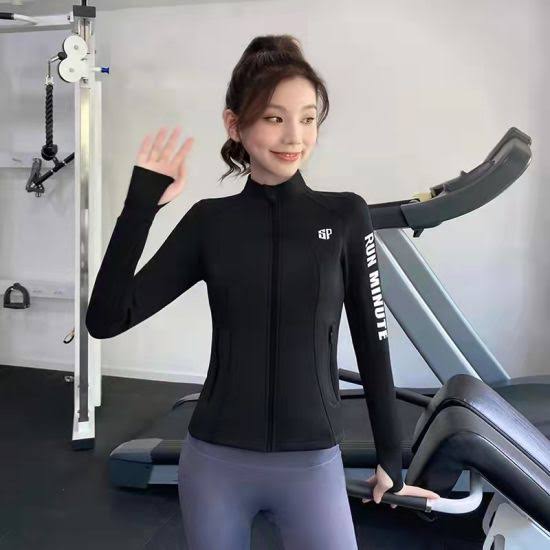
Polyester ticks almost all these boxes, and that’s why it’s so popular in athletic wear.
Credit: ugawear.com
How Polyester Excels In Activewear
Let’s break down the top reasons why polyester stands out for gym clothes. Each one solves a real-world problem for athletes and fitness lovers.
Moisture-wicking Superpower
One of polyester’s biggest strengths is its moisture-wicking ability. Unlike cotton, which soaks up sweat and stays wet, polyester moves moisture to the fabric’s surface, where it can evaporate quickly. This keeps your skin dry and comfortable, even during long workouts.
Some polyester gym clothes use special weaves or finishes to boost this effect. For example, “microfiber” polyester has very fine threads, increasing the surface area so sweat can spread out and dry even faster.
Fast Drying
Because polyester doesn’t hold much water, it dries much quicker than natural fabrics. After a sweaty session, your polyester shirt will be dry in minutes—much faster than a cotton tee. This is especially useful for people who exercise daily and need their clothes ready for the next session.
Durability And Strength
Polyester is very strong for its weight. It resists tearing, even when stretched or twisted during tough workouts. This means your gym clothes can last longer, saving you money over time.
Some beginners overlook that polyester also resists shrinking and losing shape in the wash. While cotton clothes can become baggy or tight after a few washes, polyester usually holds its form.
Lightweight And Comfortable
Polyester fibers are thin, so the fabric can be made very lightweight. This is perfect for gym wear, where heavy clothes can make you sweat more and feel tired faster.
Athletic brands often blend polyester with a small amount of stretchy fibers like spandex. This gives you clothes that feel like a second skin—snug but not tight.
Easy To Care For
Gym clothes need to be washed often. Polyester handles this well. It can be washed in machines, dries quickly, and rarely needs ironing. It also resists most stains, which is great when you’re working out outdoors or on mats.
Color Retention
Polyester holds dye better than many natural fibers. Your brightly colored gym shirts and patterned leggings stay vivid even after many washes. This is a small but important detail for people who like their workout gear to look good as well as perform well.
Comparing Polyester With Other Popular Gym Fabrics
To see why polyester is so popular, it helps to compare it to other common gym clothing materials: cotton, nylon, and blends.
| Fabric | Moisture Wicking | Drying Speed | Durability | Comfort |
|---|---|---|---|---|
| Polyester | Excellent | Very Fast | High | Good |
| Cotton | Poor | Slow | Medium | Very Good |
| Nylon | Good | Fast | High | Good |
| Polyester/Spandex Blend | Excellent | Very Fast | High | Very Good |
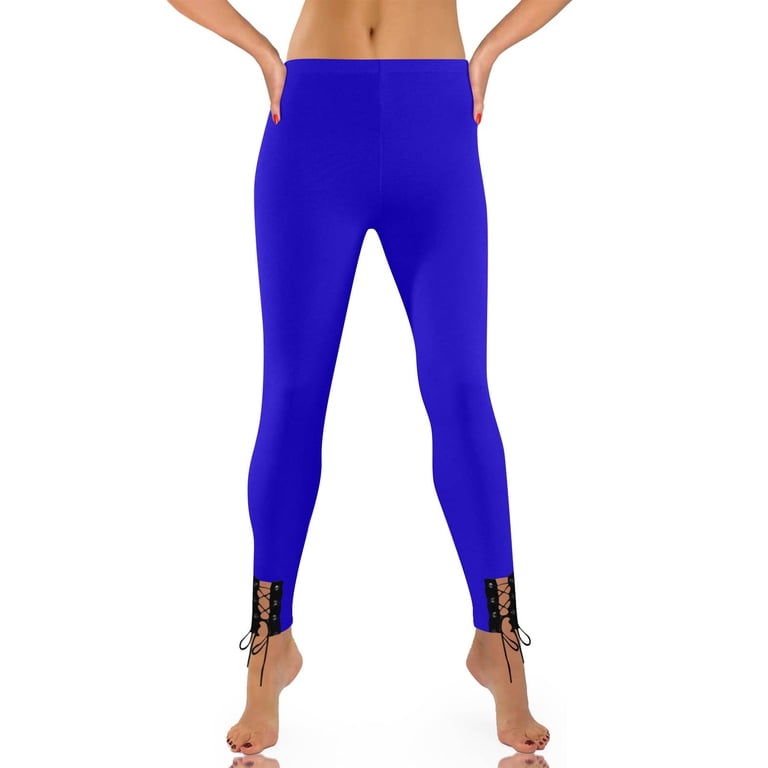
Polyester leads in moisture management and drying speed. Cotton, while soft, struggles with sweat and takes longer to dry, making it less suitable for intense workouts.
Credit: www.walmart.com
The Role Of Polyester In Performance Enhancement
Wearing the right gym clothes can actually help you perform better. Polyester’s features are not just about comfort—they can boost your workout in real ways.
Regulating Body Temperature
Sweat is your body’s way to stay cool. Polyester’s moisture-wicking properties help this system work. By pulling sweat away and allowing it to evaporate, polyester helps prevent overheating and keeps you comfortable longer.
Reducing Chafing And Skin Irritation
Wet, heavy clothes can rub against your skin, causing chafing—painful rashes or blisters. Polyester dries quickly and fits smoothly, so you’re less likely to suffer from these issues.
Supporting Muscle Movement
Modern polyester gym clothes are designed to move with your body. They often include features like four-way stretch and ergonomic seams, which support natural movement and reduce the chance of injury.
Psychological Boost
Feeling dry and comfortable helps you focus on your workout, not your clothing. Many athletes report that high-performance gym wear makes them feel more confident and motivated—a subtle but real benefit.
Innovations: How Polyester Is Getting Even Better
The polyester of today is not the same as the polyester of the past. New technologies and manufacturing methods have made it even more suitable for sportswear.
Microfiber Polyester
Microfiber polyester uses very fine threads, which makes the fabric softer and boosts moisture-wicking. This is often used in high-end running shirts and yoga pants.
Recycled Polyester (rpet)
With growing concern about the environment, many brands now use recycled polyester made from plastic bottles. This process reduces waste and uses less energy than making new polyester from oil.
Anti-odor Treatments
One problem with synthetic fabrics is that they can hold onto smells. Many gym clothes now use special treatments—like silver ions or plant-based finishes—to reduce bacteria and odor.
Uv Protection
Some polyester fabrics are designed to block ultraviolet (UV) rays, protecting your skin during outdoor workouts. Not all polyester does this, but it’s a growing trend in sportswear.
Smart Fabrics
Polyester can be combined with electronic fibers for “smart” gym clothes. These can track your heart rate, count steps, or even monitor your sweat for signs of dehydration. This might sound futuristic, but some products are already on the market.

Credit: vibrantbodycompany.com
Real-world Examples: Polyester In Action
To understand polyester’s dominance, let’s look at how major brands use it in their top gym products.
- Nike Dri-FIT: Uses high-performance polyester microfiber that wicks sweat and dries fast. It’s a favorite for runners and team sports.
- Adidas Climalite: Blends polyester with a small amount of spandex for stretch, focusing on moisture management and comfort.
- Under Armour HeatGear: Uses lightweight polyester designed to keep the body cool and dry during intense workouts.
- Gymshark Flex Leggings: Uses a polyester-nylon blend for durability and a soft, stretchy feel, making them ideal for high-impact training.
These brands choose polyester for its proven performance, but also tweak the fabric to create unique benefits.
Common Mistakes When Choosing Gym Clothes
Even with all of polyester’s strengths, it’s easy to pick the wrong gym clothes if you don’t pay attention. Here are some mistakes beginners often make:
- Ignoring fabric blends: Some gym clothes are labeled “polyester” but are blended with cotton or rayon. Blends can change how the fabric performs, especially in moisture management.
- Choosing style over function: A shirt might look good but lack features like mesh panels or flat seams for comfort.
- Overlooking fit: Polyester is strong and holds shape, but if the cut is wrong for your body, you’ll feel uncomfortable.
- Buying without checking care instructions: Some polyester clothes need gentle washing or special detergents to keep their properties.
- Not considering odor control: Some basic polyester gym wear can trap smells, so if you sweat a lot, look for anti-odor features.
Environmental Impact: The Dark Side Of Polyester
No material is perfect. While polyester offers many benefits, it also has downsides—especially for the environment.
Production And Pollution
Polyester is made from petroleum, a non-renewable resource. Producing polyester uses energy and releases greenhouse gases. When washed, polyester can also shed microplastic fibers that end up in the ocean.
Non-biodegradable
Unlike cotton or wool, polyester does not break down easily. Old gym clothes made from polyester can last for many years in landfills.
Solutions And Progress
Many brands are now using recycled polyester, and some are developing biodegradable versions. Washing clothes in special bags or using filters can also reduce microplastic pollution.
For more on the environmental impact of polyester, you can read this detailed explanation from the Wikipedia: Polyester page.
Polyester Vs. Natural Fibers: The Comfort Debate
Some people still prefer natural fibers like cotton or bamboo for gym wear, arguing that they feel softer and less “plastic.” Here’s how polyester and natural fibers compare in gym situations:
| Feature | Polyester | Cotton | Bamboo |
|---|---|---|---|
| Moisture Wicking | Excellent | Poor | Good |
| Drying Time | Very Fast | Slow | Fast |
| Odor Resistance | Medium | Good | Excellent |
| Softness | Good | Excellent | Excellent |
| Eco-Friendliness | Low/Medium* | High | Very High |
| Durability | High | Medium | Medium |
*Eco-friendliness of polyester is higher if recycled materials are used.
The key insight: while cotton and bamboo feel softer, they don’t manage sweat as well as polyester, especially in intense gym sessions.
How To Care For Polyester Gym Clothes
To get the best out of your polyester gym wear, follow these tips:
- Wash in cold water to protect fibers and colors.
- Avoid fabric softeners as they can block the moisture-wicking finish.
- Dry on low heat or air dry. High heat can damage the fabric’s structure.
- Turn clothes inside out before washing to reduce pilling and protect printed designs.
- Use a gentle detergent to keep technical finishes working.
A non-obvious tip: if you notice your gym clothes smell even after washing, try soaking them in a mix of water and vinegar before the next wash. This can help remove trapped odors.
Myths And Misconceptions About Polyester
Despite its popularity, some myths about polyester remain. Let’s clarify a few:
- “Polyester is always hot and sticky.” Modern polyester is breathable and designed to stay cool. Old-fashioned polyester felt heavy, but today’s athletic versions are much improved.
- “It always smells bad after sweating.” Advances in anti-odor technology have reduced this problem. Not all polyester gym clothes trap smells.
- “It’s worse for the skin.” Most people have no issues, but if you have very sensitive skin, look for blended fabrics or those with smooth finishes.
- “Polyester is only for cheap clothing.” Many premium sportswear brands use high-quality polyester for their top products.
The Future Of Polyester In Gym Wear
Polyester is likely to remain at the heart of gym clothing, but the way it’s used will keep changing. Expect to see:
- More recycled and eco-friendly options
- Smarter blends with natural fibers for better comfort
- High-tech features like built-in sensors or temperature control
- Improved odor and bacteria resistance
- More focus on circular fashion—reusing and recycling old clothes into new ones
As technology improves, polyester will become even more versatile and sustainable.
Frequently Asked Questions
Why Do Most Gym Clothes Use Polyester Instead Of Cotton?
Polyester handles sweat better than cotton. It wicks moisture away from your skin and dries quickly, while cotton absorbs sweat and stays wet. This makes polyester more comfortable and practical for workouts.
Can Polyester Gym Clothes Cause Skin Allergies?
Most people wear polyester without problems. However, if you have very sensitive skin, some synthetic fabrics may cause irritation. Choose high-quality brands and look for clothes labeled as “hypoallergenic” if you are concerned.
How Can I Keep My Polyester Gym Clothes From Smelling Bad?
Wash them soon after wearing, avoid fabric softeners, and let them dry completely. For extra freshness, soak your clothes in water with a little vinegar before washing. Look for gym wear with anti-odor technology if you have persistent issues.
Is Polyester Gym Wear Bad For The Environment?
Polyester is made from petroleum and is not biodegradable, which can harm the environment. However, recycled polyester and better washing habits (to reduce microplastic pollution) are making it more eco-friendly. Always check if the brand uses recycled materials.
Are There Any Gym Activities Where Polyester Is Not The Best Choice?
Polyester is great for most workouts. However, for gentle activities like stretching or meditation, some people prefer the soft feel of cotton or bamboo. For outdoor sports in very hot weather, look for polyester clothes with added UV protection for extra safety.
Polyester has changed the way we dress for fitness. Its mix of comfort, durability, and performance is hard to beat. Next time you pull on your favorite gym shirt or leggings, you’ll know why polyester is the athlete’s favorite fabric—and what to look for when buying your next set of gym clothes.
