

Why are Flare Pants Forbidden? Surprising Reasons Revealed
Why Are Flare Pants Forbidden
Fashion trends often come and go, but some styles spark strong rules and reactions. One such item is the flare pants—those wide-bottomed trousers you may have seen in old photos or modern streetwear. But why are flare pants forbidden in some places? What makes this style so controversial that it’s actually banned in schools, workplaces, and even public areas? This question leads to a deep look into culture, safety, social norms, and the surprising impacts of clothing choices.
This article explores the reasons behind the ban on flare pants. It covers the history, social influence, practical concerns, and the many places where rules against flare pants exist. You’ll also discover things most people overlook—how a simple piece of clothing connects to identity, safety, and group behavior.
If you’re curious about the story behind the rules, you’re in the right place.
The Origin And Evolution Of Flare Pants
To understand the ban, it helps to know where flare pants come from. Originally, flare pants were designed with a practical purpose. They started as part of naval uniforms, where wide bottoms made it easier to roll up trousers and work on ships. Later, the fashion world adopted them, and they became a symbol of youth culture.
Flare pants became popular as a statement of rebellion and freedom. The wide legs and swinging fabric were a way for people to stand out. But as the style spread, not everyone welcomed this bold look. Some saw it as a challenge to tradition, which eventually led to rules against wearing them in certain places.
This link between fashion and social change is important. Flare pants are not just about style—they represent ideas that sometimes clash with what’s expected.
Social And Cultural Reasons For The Ban
Clothes are a powerful way to show identity and values. In many societies, flare pants became a sign of rebellion, non-conformity, and counterculture. For some, this was exciting and positive. For others, it was a threat to order.
Flare Pants And School Dress Codes
Many schools have strict dress codes. Flare pants are often forbidden because they break the idea of uniformity. Schools want students to focus on learning, not on fashion statements. They believe that flashy clothing distracts from studies.
Teachers and administrators worry that one student wearing bold flare pants will lead others to follow, creating a chain reaction. Soon, the focus shifts from education to who wears what. By banning flare pants, schools try to keep attention on academics.
Workplace Rules And Professionalism
In offices and formal workplaces, flare pants are usually not allowed. The reason is simple—most companies want employees to look professional and serious. Wide-legged pants are often seen as too relaxed or playful.
Some jobs, especially those with uniforms, have clear guidelines for what’s acceptable. Flare pants don’t fit these guidelines. Companies believe that a consistent, tidy look builds trust with clients and shows respect for the job.
Cultural And Religious Norms
In some cultures, clothing must match traditional values. Flare pants, with their dramatic style, can be seen as disrespectful or inappropriate. In certain religious communities, modesty is very important. Wide, eye-catching pants may break these rules.
Sometimes, the ban comes from a desire to protect tradition. Leaders may worry that modern fashion will push out older, more respected styles. By forbidding flare pants, they hope to keep their culture strong.

Credit: www.laborkreis.de
Safety Concerns Behind Flare Pants Restrictions
Style is not the only reason for the ban on flare pants. Safety plays a major role, especially in schools, factories, and public places. The wide design of flare pants can actually create hazards that most people don’t expect.
Tripping And Accidents
Flare pants are loose around the ankles and sweep the ground. This can cause the wearer—or even someone nearby—to trip. In schools, where students move quickly between classes, a fall can lead to injuries.
Workplaces with machinery are even riskier. The fabric can get caught in moving parts, pulling the person toward danger. For this reason, factories and labs often have strict bans on any loose clothing, including flare pants.
Fire And Chemical Risks
In environments where chemicals or open flames are present, flare pants are especially dangerous. The extra fabric can catch fire easily or absorb harmful liquids. A spill that wouldn’t reach the skin with tight pants might do so with flares.
This is why hospitals, kitchens, and laboratories have clear rules. Safety always comes first, and the risks of flare pants are simply too high.
Public Transport And Crowded Spaces
Another problem is the way flare pants interact with busy spaces. On buses or trains, wide pant legs can get caught in doors, escalators, or steps. In crowded places, someone stepping on your flares can cause both people to fall.
These incidents are not just rare cases. Many reports show that accidents involving wide-legged pants have happened in schools, malls, and public transport. For this reason, some cities ban flare pants in certain public areas.
Psychological And Social Impact
Why do rules about flare pants matter so much? The answer goes beyond simple fashion. Clothing affects how we feel, how others treat us, and even how groups behave.
Group Identity And Peer Pressure
When a style becomes a symbol, it can unite people—or divide them. Flare pants became linked to certain youth movements, music cultures, or social groups. Wearing them could mean you were part of a trend, or rejecting what others expect.
Schools and other institutions worry that fashion trends can cause cliques or bullying. If only some students are allowed to wear flare pants, others may feel left out. Banning the style is one way to stop these problems before they start.
Authority And Rule Enforcement
Enforcing a ban on flare pants also sends a message about authority. When rules are made and followed, it shows who is in charge. If students or workers break the dress code, it tests the system.
Some experts say that rules about clothing are really about control. By setting clear limits, leaders try to create order and respect. Flare pants, as a symbol of breaking the rules, become the focus of these efforts.
Hidden Effects Most People Miss
One thing beginners often miss is that banning flare pants can have unexpected results. When something is forbidden, it sometimes becomes more popular. Students or young people might want to wear flares even more, just to show independence.
Another hidden effect is the way rules can shape group culture. If a school bans flare pants, students may turn to another style that is not forbidden—starting the cycle again. The real issue is often not the pants, but the desire for self-expression.
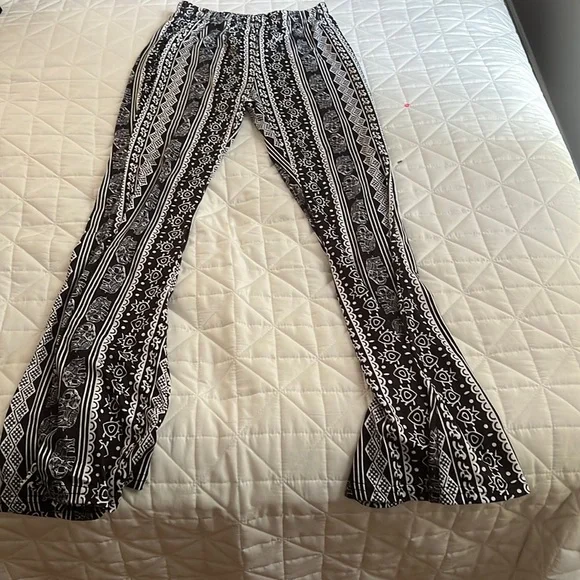
Credit: poshmark.com
Real-world Examples Of Flare Pants Bans
The ban on flare pants is not just a theory. There are many real-life examples from schools, workplaces, and public spaces around the world. These cases show how rules are made and enforced, and what happens when people break them.
Schools And Universities
In many countries, schools have written rules against flare pants. Some schools even send students home or give them detention for wearing flares. The reason is usually to keep the dress code simple and to avoid distractions.
There are also stories of student protests. In some places, students have organized events where everyone wears flare pants to challenge the rules. These protests usually lead to debates about freedom and expression.
Workplaces And Uniformed Jobs
Certain jobs have strict uniform policies. For example, airline staff, hotel workers, and restaurant employees are not allowed to wear flare pants. The reason is that employers want a clean, professional look.
In factories or construction sites, the ban is about safety. Employees must wear fitted pants to avoid accidents. If someone wears flare pants, they may be sent home or even fired for breaking the rules.
Public Spaces And Events
Some cities have rules about what can be worn in public. For example, at concerts, festivals, or sporting events, flare pants may be banned for safety reasons. Security staff check clothing at the door and ask people to change if needed.
There have also been cases where fashion shows or clubs ban certain styles, including flare pants, to control the image of the event. In these cases, the goal is to create a certain atmosphere or match a theme.
Comparison: Flare Pants Vs. Other Banned Clothing
To understand why flare pants are targeted, it helps to see how they compare to other forbidden styles. Here is a quick look at how flare pants stack up against other common bans.
| Clothing Item | Reason for Ban | Common Locations |
|---|---|---|
| Flare Pants | Safety, distraction, unprofessional look | Schools, workplaces, public events |
| Short Skirts | Modesty, distraction | Schools, religious institutions |
| Baggy Hoodies | Security, hiding items | Schools, concerts, malls |
| Ripped Jeans | Dress code, unprofessional look | Workplaces, formal events |
This comparison shows that flare pants are not alone. Many styles are banned for similar reasons: safety, distraction, or not fitting the image an institution wants.
Health And Ergonomic Concerns
Beyond social and safety reasons, flare pants can affect health and comfort in ways people don’t expect.
Movement And Posture
Because flare pants are loose at the bottom, they can make it harder to move quickly or climb stairs. In sports or physical activities, this can slow you down or even cause you to fall.
In some cases, the extra fabric at the ankle can get tangled around the foot. This changes the way you walk and can lead to ankle injuries or muscle strain over time.
Hygiene And Cleanliness
Flare pants often brush the ground. In cities or dirty environments, this means the fabric picks up dust, germs, and chemicals. This can lead to skin problems or bring unwanted dirt into homes and classrooms.
For people with allergies or sensitive skin, this is a real issue. Tight pants or shorter pants avoid this problem, which is why some schools and parents prefer them.
Legal And Institutional Policies
Some bans on flare pants are just rules set by schools or companies. Others are written into law or official policy. These formal bans have real consequences if broken.
Dress Codes And Enforcement
Most policies are written down in dress code handbooks. These explain exactly what is allowed and what is not. If someone wears flare pants, they may be asked to change, sent home, or face other penalties.
Enforcement is usually strict in places where safety is a big concern. For example, in factories or labs, breaking the rules can lead to fines or job loss.
National Or Regional Laws
In rare cases, governments set rules about clothing. For example, some countries ban certain styles in public buildings, on transport, or during official events. The reason is often security, safety, or maintaining tradition.
Most of the time, these laws are enforced by police or security staff. People who break the rules may get a warning, a fine, or be refused entry.
Cultural Meaning And Symbolism
Flare pants are more than just a piece of clothing. They carry meaning, both positive and negative.
A Symbol Of Rebellion
In many times and places, flare pants became a way to challenge authority. Young people wore them to show they were different. For some, this was a source of pride. For others, it was a problem.
This history of rebellion is one reason why some schools and institutions ban flare pants. They want to avoid anything that challenges the rules.
Fashion Cycles And Comebacks
Even when flare pants are banned, the style often returns. Fashion is a cycle, and what’s forbidden today may be popular tomorrow. Designers sometimes bring back flare pants with new twists, making them “acceptable” again.
This back-and-forth shows that bans are often temporary. The meaning of flare pants changes with time, but the rules tend to follow public opinion.
Flare Pants In Media And Popular Culture
Another reason for the ban is the way flare pants are shown in movies, TV, and music. When celebrities or pop stars wear them, young people often want to copy the style.
This can create a sudden wave of popularity, which schools and workplaces try to control. By banning flare pants, they hope to stop trends from spreading too quickly.
However, this often has the opposite effect. The more something is forbidden, the more people want it. This is known as the “forbidden fruit effect,” and it explains why some bans fail.
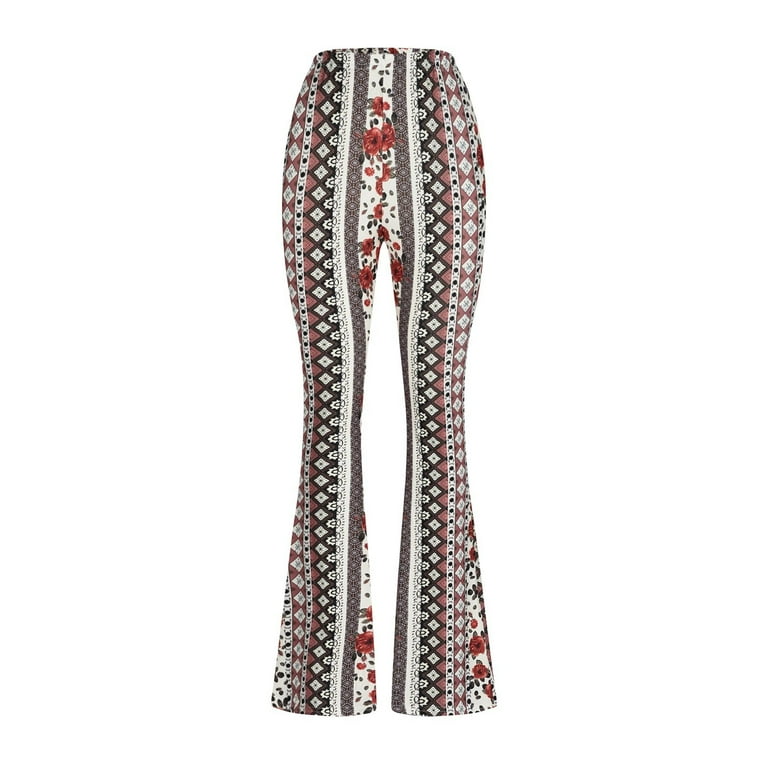
Credit: www.walmart.com
Economic Impact On The Fashion Industry
Bans on flare pants can also affect the companies that make and sell clothes.
Retailers And Trends
When a style is banned in schools or workplaces, stores sell less of it. This can hurt fashion brands that depend on trends. Some companies try to work around this by offering slimmer cuts or different colors.
On the other hand, bans can also create a “black market” for forbidden styles. People may buy flare pants online or from small shops, even if they can’t wear them everywhere.
Designers’ Response
Fashion designers sometimes use bans as a challenge. They create new versions of flare pants that follow the rules but still have the style’s spirit. For example, they might use less fabric or add zippers to make pants safer.
This shows how fashion and rules are always in a kind of conversation, each affecting the other.
How The Ban Impacts Different Groups
The ban on flare pants does not affect everyone equally. Here is a look at how different groups experience these rules.
Students
Young people are most affected because schools are strict about dress codes. For many students, not being able to wear flare pants feels unfair or limiting.
Some students try to find ways around the ban, such as wearing flares outside school or choosing similar styles.
Workers
In offices and factories, the ban is about safety and professionalism. Most workers accept the rules, but some feel that dress codes are too strict.
There are stories of workers being sent home or even losing jobs for breaking the rules. This creates stress and can affect morale.
Fashion Lovers
People who love fashion see bans as a block to creativity. For them, not being able to wear flare pants is frustrating. They may turn to other forms of expression, such as accessories or hairstyles.
Alternatives To Flare Pants
If you cannot wear flare pants, what are your options? Here are a few alternatives that are usually allowed in schools and workplaces.
| Alternative Style | Key Features | Where Accepted |
|---|---|---|
| Straight-Leg Pants | Even width from hip to ankle | Schools, offices, public events |
| Bootcut Pants | Slightly wider at the ankle | Some workplaces, casual settings |
| Skinny Pants | Tight fit, close to the body | Many schools, fashion events |
| Tapered Pants | Loose at top, narrow at ankle | Business and casual wear |
These styles offer a way to look fashionable while following the rules.
What Beginners Often Miss
If you’re new to dress codes or fashion rules, there are a few things you might not realize:
- Rules change quickly. What’s banned today may be allowed tomorrow, and vice versa.
- Enforcement is not always equal. Sometimes, rules are enforced more strictly in one place than another. Knowing the local culture is important.
- Compromises are possible. If you love flare pants, look for ways to wear them safely or choose similar styles that fit the rules.
Many people also forget that clothing bans are often about deeper issues—like control, safety, and group identity. Understanding these reasons helps you navigate the rules with confidence.
Global Differences In Flare Pants Policies
Not every country or region treats flare pants the same way. In some places, they are common and accepted. In others, they are strictly forbidden.
For example, some Western countries see flare pants as just another trend, while in more conservative cultures, they are seen as too bold. Schools in Asia or the Middle East may have stricter dress codes than those in Europe or North America.
Travelers should always check local rules before wearing flare pants in a new place. What’s fine in one city may cause problems in another.
How To Handle Flare Pants Bans
If you find yourself in a place where flare pants are forbidden, here are some practical steps:
- Read the rules carefully. Most schools and workplaces have dress codes online or in handbooks.
- Ask questions. If you’re not sure, ask a teacher, manager, or security staff before wearing flare pants.
- Keep alternatives ready. Have a pair of straight or tapered pants as backup.
- Express yourself in other ways. If you can’t wear flare pants, try colorful tops, shoes, or accessories.
Remember, rules are usually about safety, tradition, or image—not a personal attack.
Looking Ahead: The Future Of Flare Pants
Fashion is always changing. While flare pants may be banned in some places now, they could return in the future. Designers, students, and workers often find creative ways to bring old styles back in new forms.
The debate over flare pants shows how clothing is more than just fabric—it’s a way to show who you are, what you believe, and how you fit into society.
If you want to learn more about clothing bans and their effects, you can read further at this Wikipedia dress code article.
Frequently Asked Questions
Why Are Flare Pants Considered Dangerous In Schools And Workplaces?
Flare pants are loose around the ankles, which makes it easy to trip or catch the fabric on objects. In schools, this can lead to falls during busy times. In workplaces with machines or chemicals, the wide fabric increases the risk of accidents or injuries.
Do All Schools And Workplaces Ban Flare Pants?
No, not all schools and workplaces ban flare pants. The rules depend on local culture, safety needs, and the image the institution wants to show. It’s important to check the dress code for your specific place.
Can I Wear Flare Pants In Public Places?
Some public places, like malls or parks, allow flare pants. However, certain events, transport systems, or cities may have rules against them for safety or tradition. Always check local guidelines before choosing your outfit.
What Styles Can I Wear Instead Of Flare Pants?
You can wear straight-leg, bootcut, skinny, or tapered pants. These styles are usually allowed in most schools and workplaces and are less likely to cause safety or dress code problems.
Are Flare Pants Likely To Come Back In Fashion?
Yes, fashion trends change often. Even if flare pants are banned now, they may return in new forms as designers and culture evolve. Bans are usually temporary, but safety and professionalism will always play a role in what styles are accepted.
Flare pants are more than a trend—they reflect the balance between individuality, safety, and social order. Understanding why they are forbidden helps you navigate dress codes with confidence and respect.
