

Why are Flare Leggings Forbidden? Shocking Fashion Facts Revealed
Why Are Flare Leggings Forbidden
Flare leggings have become a fashion favorite for many people, especially among teens and young adults. Their stylish look and comfortable fit have made them a popular choice for everyday wear, workouts, and even casual outings. However, in some places, flare leggings are banned or forbidden. This surprises many, especially those who see them as just another piece of clothing. So, why are flare leggings forbidden in certain environments? To answer this, we need to look deeper into school policies, workplace rules, cultural norms, and even safety issues. Understanding these reasons will help you know where and why these trendy pants might not be welcome.
What Are Flare Leggings?
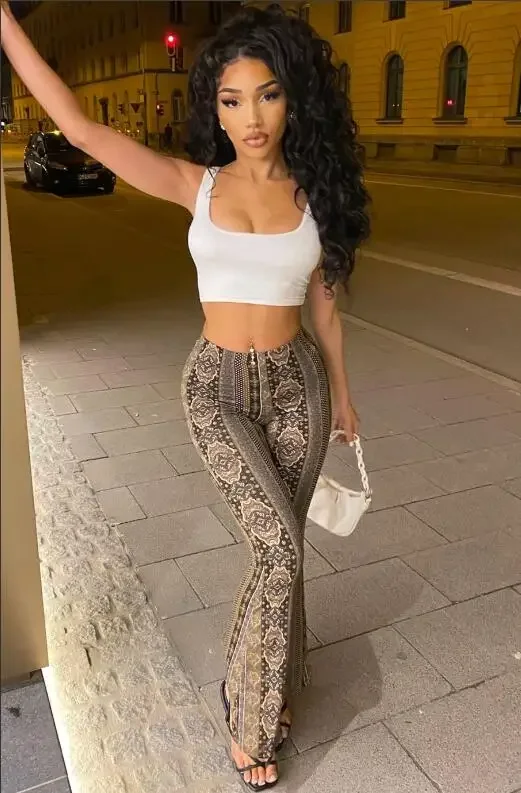
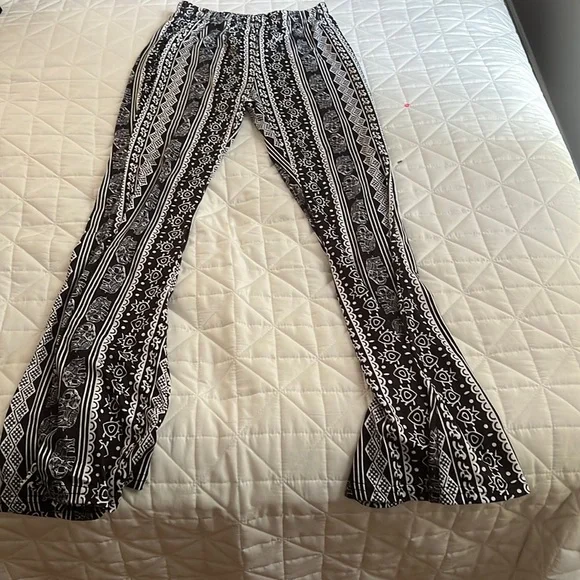
Flare leggings are a type of tight-fitting pants made from stretchy material, usually spandex or a spandex-cotton blend. Unlike classic leggings, flare leggings are snug from the waist to the knee and then widen out toward the ankle, creating a flared silhouette. This design is inspired by classic bell-bottom pants but uses modern, athletic fabrics. Flare leggings are loved for their comfort, flexibility, and the way they flatter different body shapes. Many people wear them for yoga, running errands, or just relaxing at home.
Where Are Flare Leggings Forbidden?
Not every place bans flare leggings. However, there are certain environments where wearing them is not allowed. These include:
- Schools (especially middle and high schools)
- Some workplaces (offices, retail, or customer-facing jobs)
- Gyms or sports clubs (with specific dress codes)
- Cultural or religious settings
- Events with formal dress codes (theaters, ceremonies)
- Institutions with safety rules (factories, labs)
Let’s break down the main reasons behind these bans.
School Dress Codes And Flare Leggings
Why Do Schools Ban Flare Leggings?
Many schools enforce strict dress codes to create a focused learning environment. Flare leggings are often seen as too casual or distracting. Some school leaders believe that tight or body-hugging clothes take attention away from learning. In other cases, they worry about students comparing brands or styles, which can lead to social issues.
Common Dress Code Policies
- No form-fitting clothes: Some schools ban all leggings, not just flare leggings, if they are considered too tight.
- No visible undergarments: Because leggings are thin, they can show lines or details underneath.
- No distracting styles: Bright colors, bold patterns, or flashy flares may be considered too eye-catching.
Examples And Data
A survey of 100 U.S. high schools found that 60% have banned some form of leggings, including flare styles. In many cases, students must wear tops that cover their hips if they wear leggings.
Non-obvious Insight
One thing many students don’t realize is that school dress codes are shaped by parents’ concerns and community standards, not just school leaders’ preferences. Complaints from parents often lead to tighter rules.
Workplace Restrictions
Professional Appearance Expectations
Some companies want employees to dress in a way that projects a professional image. Flare leggings, even in dark colors, are often seen as too casual or sporty for an office or retail environment. Employers worry that customers or clients might see the brand as unprofessional if staff wear leggings.
Workplace Dress Code Rules
- Business casual or business formal: These codes usually ban leggings, jeans, and anything too tight.
- Uniform requirements: In stores or restaurants, employees may have to wear specific pants for safety, hygiene, or branding.
- Safety concerns: In some workplaces, flared pants can catch on machinery or create tripping hazards.
Real-world Example
A large retail chain updated its dress code to ban all types of leggings after customer surveys showed that some shoppers saw them as “unprofessional. ” Instead, employees must now wear tailored pants.
Non-obvious Insight
Some workplaces have insurance policies that require staff to wear certain types of clothing for liability reasons. This is rarely discussed openly but can affect dress code rules.
Safety Hazards
Flare leggings are stylish, but their wide bottoms can cause problems in some environments.
Why Flare Leggings Are A Safety Concern
- Tripping: The flared end can get caught under shoes or snag on objects.
- Machinery risk: In factories or labs, loose clothing can be pulled into machines.
- Slippery surfaces: In kitchens or medical settings, flared pants can drag on wet floors, increasing slip risk.
Comparison Table: Safety Risk Of Pants Styles
| Pant Style | Risk of Tripping | Machinery Hazard | Suitability for Active Work |
|---|---|---|---|
| Flare Leggings | High | Moderate | Low |
| Skinny Jeans | Low | Low | Moderate |
| Straight-Leg Pants | Low | Low | High |
| Wide-Leg Pants | Moderate | High | Low |
Non-obvious Insight
Some building codes or safety guidelines require all staff to wear pants that are “close-fitting below the knee” to reduce workplace injuries. This is especially true in food processing and manufacturing.
Cultural And Religious Norms
Modesty Rules
In some cultures and religious communities, clothing must cover the body and not reveal its shape. Because flare leggings are tight from waist to knee, they can be seen as immodest.
Where This Applies
- Places of worship: Many require loose-fitting clothes.
- Religious schools: Dress codes often ban leggings for both boys and girls.
- Countries with modesty laws: In some nations, wearing body-hugging clothes in public is forbidden by law.
Example
A private school run by a religious organization might allow only skirts or loose pants for girls. Leggings, including flare styles, are not allowed because they outline the body.
Non-obvious Insight
Sometimes, bans are not written in a policy but are enforced based on “community expectations. ” Students or workers may be told privately not to wear flare leggings, even if the rules don’t mention them.
Distraction And Peer Pressure
Some schools and workplaces worry that certain clothing can cause distractions.
Why Distraction Is Cited
- Attention on appearance: Flare leggings can draw focus to the legs, especially if they have bright colors or prints.
- Peer comparisons: Teens may feel pressure to wear expensive or trendy brands, which can cause stress or bullying.
- Focus on learning or work: Leaders want to reduce anything that shifts attention away from tasks.
Data Example
In a school survey, 45% of teachers said that dress code violations, including wearing leggings, led to classroom disruptions at least once a week.
Non-obvious Insight
Often, the real concern is not the clothing itself but the social issues it creates. For example, some students may feel left out if they cannot afford the latest style of flare leggings.
Dress Code Consistency
Many organizations want to keep rules simple and easy to enforce.
Why Consistency Matters
- Avoids confusion: If some types of leggings are allowed but others are not, it’s hard to know what is acceptable.
- Easier enforcement: Staff or teachers can quickly spot violations if the rules are clear.
Example
A gym bans all leggings except for plain black, straight-leg styles. This keeps the dress code simple and avoids arguments about what counts as “too flared. ”
Non-obvious Insight
Dress code rules are often updated in response to new fashion trends. If flare leggings become popular, organizations may ban them just to keep the rules simple.
Hygiene And Cleanliness
This reason is more common in healthcare or food service environments.
Hygiene Concerns
- Fabric collects dirt: Flared bottoms can drag on the floor, picking up germs or chemicals.
- Difficult to clean: Leggings often need special washing and can hold onto odors.
- Uniformity: Some businesses want all workers to wear clothes that are easy to clean and replace.
Example
In a hospital, staff are required to wear scrub pants that fit closely around the ankle. Flare leggings are banned because they may carry bacteria from one area to another.
Non-obvious Insight
Some materials used in leggings are not resistant to certain cleaning agents. This makes it harder for businesses to maintain proper hygiene standards.
Uniform Policies
Some organizations, especially schools and sports teams, require uniforms.
Uniform Requirements
- Matching look: Everyone must wear the same style and color.
- Safety: Uniform pants are designed for specific activities.
- Easy identification: Uniforms help staff, teachers, or coaches recognize who belongs where.
Example
A cheerleading team might ban flare leggings because the uniform requires straight or fitted pants for safety during stunts.
Comparison Table: Uniform Vs. Flare Leggings
| Feature | Standard Uniform Pants | Flare Leggings |
|---|---|---|
| Fit | Close or straight | Tight to knee, flared below |
| Safety | High | Moderate |
| Professional Look | Consistent | Varied |
| Allowed in Uniform Policy? | Usually Yes | Usually No |
Non-obvious Insight
Uniform bans on flare leggings are often about more than just appearance. They help schools and teams build a sense of identity and equality.
Legal And Policy Considerations
Sometimes, bans on flare leggings are rooted in local or national law.
Legal Reasons
- Labor laws: Some countries have rules about what workers can wear for safety.
- Education policies: State or national guidelines may set minimum dress code standards.
- Discrimination concerns: Some policies are written to avoid claims of unfair treatment.
Example
A country with strict labor safety laws may ban all loose or flared clothing in certain jobs, not just leggings.
Non-obvious Insight
Legal challenges have sometimes forced schools to clarify why certain clothing is banned. In a few cases, parents have sued schools for banning leggings, arguing that the rules are unfair or sexist.
The Fashion Debate: Supporters Vs. Opponents
Flare leggings have both strong supporters and critics.
Supporters’ Arguments
- Comfort: Many people find leggings, including flared ones, much more comfortable than jeans or trousers.
- Body positivity: Supporters say dress codes that ban leggings can shame people for their bodies.
- Freedom of expression: Some believe clothing is a way to show personality.
Opponents’ Arguments
- Professionalism: Critics say leggings are too casual for work or school.
- Distraction: Some believe leggings draw attention away from learning or working.
- Safety and hygiene: As discussed, flared pants can be unsafe or unhygienic in some settings.
Comparison Table: Arguments For And Against Flare Leggings
| Aspect | Supporters’ View | Opponents’ View |
|---|---|---|
| Comfort | Very Comfortable | Too Casual |
| Self-Expression | Encouraged | Not Appropriate in Formal Settings |
| Safety | No Issue in Daily Life | Risk in Active/Industrial Environments |
| Distraction | Not a Problem | Can Distract Others |
Credit: www.aliexpress.com
Social Media Influence And Flare Leggings
Social media platforms have a big impact on fashion trends, including flare leggings.
How Social Media Drives Trends
- Influencers: Popular personalities wear and promote flare leggings, making them trendy.
- Brand marketing: Companies launch new styles online, often using celebrities.
- Peer pressure: Young people may feel pressure to follow what they see online.
Backlash And Dress Code Changes
As flare leggings become popular online, schools and workplaces may ban them to avoid disruptions or to maintain their chosen image.
Non-obvious Insight
Some bans are reactions to viral trends. For example, a school might ban flare leggings after a TikTok video makes them suddenly popular among students.
Alternatives To Flare Leggings
If flare leggings are banned, there are other options you can consider.
Alternative Pants
- Straight-leg leggings: These are similar but without the flare.
- Joggers: Looser and often allowed in casual settings.
- Tailored pants: Suitable for work or formal environments.
- Yoga pants (bootcut): Sometimes allowed if the flare is minimal.
Tips For Choosing Alternatives
- Check the dress code: Always read the rules before buying new clothes.
- Stick to neutral colors: Black, navy, or gray are less likely to be banned.
- Avoid bold patterns: These draw attention and may break the rules.
Non-obvious Insight
Some dress codes make exceptions for medical or religious reasons. If you have a valid reason to wear certain types of pants, talk to your school or employer.

Credit: www.laborkreis.de
What To Do If You Disagree With The Ban
If you feel that banning flare leggings is unfair, there are steps you can take.
- Talk to leaders: Ask for a meeting with school or work leaders to discuss the policy.
- Gather support: If others agree, you can present your concerns as a group.
- Suggest compromises: Offer ideas, like allowing flare leggings on certain days.
- Know your rights: In some places, you can appeal dress code decisions.
Example
A group of students once convinced their school to change its dress code by showing that leggings were not causing problems. They shared data and suggested clear guidelines instead of a full ban.
Non-obvious Insight
Sometimes, rules are based on old concerns that no longer apply. Presenting new information or examples from other schools or workplaces can help change minds.
Frequently Asked Questions
What Is The Difference Between Flare Leggings And Regular Leggings?
Flare leggings are tight from the waist to the knee and then widen out at the bottom, creating a flared or bell-bottom look. Regular leggings are tight all the way down from the waist to the ankle. The flare makes the leggings more stylish for some people, but also more noticeable and sometimes less suitable for strict dress codes.
Are Flare Leggings Considered Inappropriate Everywhere?
No, flare leggings are not considered inappropriate everywhere. They are accepted in many casual settings, gyms, and even some workplaces with relaxed dress codes. However, they may be banned in schools, certain workplaces, or places with strict safety and modesty rules.
Can I Wear Flare Leggings To School If I Cover Them With A Long Top?
In some schools, wearing a long top that covers your hips may make flare leggings acceptable. However, each school has its own dress code, so it’s important to check the rules or ask a teacher before wearing them.
What Should I Do If My Workplace Bans Flare Leggings But I Need Comfortable Pants For Health Reasons?
If you need to wear comfortable pants for a medical reason, talk to your manager or human resources department. Many workplaces will make exceptions if you have a doctor’s note or a valid health reason.
Credit: poshmark.com
Where Can I Find More Information About Dress Codes And Clothing Bans?
You can find more information on official school or workplace websites, or by checking resources like Wikipedia’s Dress Code article. These sources explain how dress codes work and why certain clothes are sometimes banned.
Flare leggings are a popular and comfortable fashion choice, but their place in schools, workplaces, and public spaces is not always guaranteed. Understanding the reasons behind bans—whether for safety, professionalism, modesty, or simplicity—can help you make smart choices about what to wear and where.
If you ever face restrictions, remember that there are always alternatives and ways to discuss changes. Fashion trends come and go, but knowing the rules helps you stay comfortable and confident wherever you are.
