

Where Did Tank Tops Originate: Uncovering Fashion History
Where Did Tank Tops Originate
When you look around at the gym, a summer festival, or even a casual workplace, tank tops are everywhere. They appear in sports, fashion runways, and even as uniforms in some jobs. But have you ever wondered, where did tank tops originate? Their history is far more interesting than just being a sleeveless shirt. From ancient athletic contests to high fashion, the tank top’s journey is a story of changing cultures, innovation, and comfort.
Today, tank tops are a go-to choice for people who want something cool, simple, and flexible. But their roots reach back much further than most people realize. Let’s dive deep into the story of tank tops: how they started, evolved, and became a global wardrobe staple.
Ancient Beginnings: Early Sleeveless Garments
The concept of a sleeveless garment is not new. In fact, ancient civilizations often wore clothing that left the arms uncovered. In hot climates, this was practical and comfortable.
In Ancient Greece, athletes participated in early Olympic Games wearing minimal clothing. The "chiton," a type of tunic, was sometimes worn sleeveless by younger men or athletes. This allowed free movement and kept the body cool during intense activity.
Similarly, Ancient Rome had its own version. The "tunica," a basic garment for both men and women, was sometimes sleeveless, especially for laborers or gladiators. The lack of sleeves was not a fashion statement, but a practical choice for physical work or hot weather.
These early examples show that the sleeveless design was always about freedom and comfort. However, these garments were not called tank tops yet, and their look was very different from what we know today.
The Swimming Connection: Birth Of The Modern Tank Top
The name "tank top" comes from a surprising place: swimming pools, which were often called "tanks." In the early days of competitive swimming, athletes needed clothing that was light, flexible, and didn’t slow them down in the water.
Men’s and women’s swimsuits began to look more like the tank tops we know today. These suits covered the body but left the arms and shoulders free. The design was simple, usually made from wool or cotton, and fitted close to the body. The sleeveless style made it easier to move in the water, which was a big advantage in races.
At this time, modesty was still important, so even these early tank tops were considered daring. Over time, as society grew more comfortable with less coverage, the tank top became accepted outside the pool as well. This shift was the true starting point for the tank top as everyday clothing.
From Sportswear To Everyday Fashion
The tank top quickly spread beyond swimming. Its practicality made it a favorite for other sports. Boxers wore them for training and matches, valuing the freedom of movement. Wrestlers also adopted the style, and their version—now called a "singlet"—is still used in the sport.
As gyms became popular, people working out wanted clothing that was comfortable and allowed sweat to evaporate quickly. The tank top met these needs perfectly. It also became a symbol of strength, with bodybuilders proudly showing off their hard-earned muscles.
Soon, the tank top was not just for athletes. It began to appear in casual wear collections, thanks to its comfort and simplicity. It became a favorite summer shirt, ideal for hot days and layering under other clothes.
Tank Tops In Pop Culture
The tank top’s rise in popular culture cannot be ignored. Movies, music videos, and celebrities have all played a role in making it famous.
One of the most iconic images is from action movies, where heroes often wear white tank tops. The simple, tough look became so connected with strong characters that it earned a nickname: “the muscle shirt.” Pop stars and performers have also helped the tank top become a fashion statement, sometimes pairing it with luxury accessories or bold designs.
Tank tops have also been used to make statements. During different social movements, people have worn them to challenge norms about gender, body image, or class. This flexibility is part of what keeps the tank top relevant in every decade.

Credit: americantall.com
Evolution Of Styles And Fabrics
The first tank tops were made from natural fibers like cotton and wool. These materials were easy to find but did not always fit perfectly or last long. Over time, technology introduced new fabrics, such as synthetic blends and moisture-wicking materials. This made tank tops lighter, stretchier, and more durable.
Let’s compare some common tank top fabrics:
| Fabric | Comfort | Durability | Typical Use |
|---|---|---|---|
| Cotton | Soft, breathable | Medium | Casual, everyday wear |
| Polyester | Smooth, less absorbent | High | Sports, gym |
| Spandex blends | Stretchy, snug fit | High | Activewear, fashion |
| Wool | Warm, less common | Medium | Historical swimwear |
Designs also evolved. Early tank tops were plain and practical. Later, fashion designers began experimenting with colors, prints, and cuts. Some tank tops feature racerback styles, others have spaghetti straps, and some are cropped for a different look. This diversity means there’s a tank top for almost every taste and body type.
Gender And The Tank Top
Tank tops have always crossed gender lines. Both men and women have worn them, but the way they are styled and marketed has changed over time.
For men, tank tops are often linked to sports, workwear, or a "tough" image. For women, the focus is sometimes on fashion, layering, or comfort in warm weather. Over time, unisex designs have grown more popular, and many brands now create tank tops for all genders.
Here’s a look at different styles by gender:
| Style | Typical Wearer | Main Features |
|---|---|---|
| Muscle Tank | Men | Wide shoulders, loose fit |
| Racerback | Women | Narrow back, sporty look |
| Camisole | Women | Thin straps, fitted |
| Unisex Basic | All | Straight cut, simple |
An interesting insight is that tank tops have sometimes challenged ideas about masculinity and femininity. For example, in some periods, men wearing tank tops was seen as rebellious or casual, while women’s tank tops could be viewed as either empowering or controversial, depending on the setting.
Tank Tops Around The World
Different cultures have developed their own version of sleeveless tops. In some countries, sleeveless undershirts are a standard part of daily dress, especially in hot climates. In others, tank tops are reserved for sports or the beach.
For example, in India, the "banian" is a sleeveless undershirt worn by millions of men. In the Philippines, the "sando" is a popular top for both men and women. These garments serve similar purposes: keeping cool, absorbing sweat, and acting as a layer between skin and outer clothes.
Tank tops are also a favorite in tropical countries, where the weather is hot year-round. In places with strict dress codes, tank tops may be less common or worn only in private spaces. This shows how social norms and climate both shape the popularity of tank tops worldwide.
The Tank Top In Sports: More Than Just Comfort
Sports have always driven clothing innovation, and tank tops are no exception. Athletes in basketball, track, and field, and other sports rely on tank tops for their many advantages.
Basketball And Track
The basketball jersey is one of the most famous tank top styles. The loose, sleeveless design lets players move freely and stay cool during intense games. Team colors and numbers are added, turning the tank top into a powerful symbol of team spirit.
Track athletes also prefer tank tops for racing. The light, tight-fitting style reduces wind resistance and helps with temperature control.
Bodybuilding And Weightlifting
In the gym, the tank top is almost a uniform. It allows full movement for lifting weights and shows off muscle growth. Some bodybuilders even design their own unique tank tops to stand out in competitions.
Swimming
Remember, the tank top was born in the pool. Modern swimsuits still borrow from the original tank top design, with their focus on fit and movement.
Tank Tops And Fashion Trends
Tank tops are more than just sportswear. Over time, they have become a tool for fashion designers to express creativity.
High Fashion
Many famous designers have sent models down the runway in tank tops made from silk, lace, or even leather. These unique versions often play with shape, color, and texture. Some are part of formal outfits, paired with suits or long skirts.
Streetwear
In everyday life, tank tops are a key part of street fashion. People mix them with jeans, shorts, skirts, or even under jackets. Sometimes, a bold print or logo can make a simple tank top the center of an outfit.
Subcultures
Certain groups have made the tank top their own. For example, punk and grunge styles often use ripped or oversized tank tops. LGBTQ+ communities have used the tank top as a sign of pride and confidence. Each group adds its own twist, proving the tank top’s versatility.
The Influence Of Media And Celebrities
Media has done a lot to make the tank top popular. When a celebrity is seen wearing a tank top, sales often spike. Famous examples include actors in action movies or pop stars on stage.
But it’s not just about looks. Sometimes, a celebrity wearing a tank top can set off a cultural debate. For example, if a star wears a tank top to an important event, it might challenge ideas about what is "proper" or "elegant.
" This keeps the tank top at the center of style discussions.
The Tank Top As A Symbol
Over the years, the tank top has stood for many things:
- Freedom: Wearing a tank top can feel liberating, especially in hot weather.
- Strength: Athletes and bodybuilders use tank tops to show their hard work.
- Rebellion: Sometimes, choosing a tank top over a formal shirt is a way to break social rules.
- Equality: Unisex tank tops show that style can belong to everyone, not just one gender.
This power to mean different things is rare in clothing. It’s part of why the tank top has never gone out of style.
Production And Sustainability
Most tank tops are made in large quantities, often in factories in Asia. The process uses lots of water, energy, and chemicals, especially for synthetic fabrics. Some companies are now trying to make tank tops more eco-friendly.
Organic cotton and recycled materials are becoming more common. Some brands are also working to reduce waste and improve worker conditions. If you care about the environment, looking for these options can make a difference.
Here’s a quick comparison of production methods:
| Method | Environmental Impact | Common Fabrics |
|---|---|---|
| Conventional | High (more waste and pollution) | Polyester, regular cotton |
| Organic | Lower (less chemicals) | Organic cotton |
| Recycled | Lowest (reuses materials) | Recycled polyester |
Choosing sustainable tank tops can help reduce your impact on the planet. It’s a small step, but it matters.
How Tank Tops Fit Different Body Types
One reason tank tops are so popular is that they can work for almost any body type. The key is in the fit and style.
- Slim fit tank tops highlight the body’s shape. These are popular with athletes.
- Loose fit tank tops offer more comfort and airflow, perfect for summer or relaxing at home.
- Cropped tank tops are shorter and work well for those who want a trendy look.
A helpful tip: If you have broad shoulders, look for wider straps. If you want a more delicate look, try thinner straps or racerback designs.
Common Mistakes When Wearing Tank Tops
Even a simple tank top can go wrong if not worn well. Here are some mistakes to avoid:
- Wrong size: A tank top that is too tight or too loose will not look or feel right.
- See-through fabric: Light colors or thin materials can show more than you want.
- Ignoring the setting: Tank tops may not be welcome in formal places or some workplaces.
- Skipping layers: In cool weather, tank tops can be layered under shirts or jackets for extra warmth.
- Not caring for the fabric: Some tank tops shrink or fade quickly if not washed carefully.
Learning these basics will help you enjoy your tank tops for a long time.
Why Tank Tops Last Through The Years
Trends come and go, but the tank top always finds a place in fashion. Why? It’s all about versatility. Tank tops are:
- Simple: Easy to put on, take off, and style.
- Adaptable: Work for sports, casual wear, or even dressed-up looks.
- Comfortable: Light, breathable, and perfect for warm weather.
- Affordable: Available at every price point, from basic to designer.
Another reason is the way tank tops adapt to new ideas. Whether it’s a high-tech fabric or a bold new cut, the tank top stays up-to-date without losing its core appeal.
The Future Of Tank Tops
Looking ahead, the tank top is not going away. In fact, new trends are making it even more interesting. Designers are testing new materials, such as bamboo fibers or recycled plastics. Smart fabrics that control sweat or adjust to temperature are also being explored.
Personalization is another trend. Some brands let you design your own tank top with custom prints or cuts. This makes each piece unique and special.
As the world changes, so does the tank top. It continues to reflect our needs, our values, and our creativity.
Non-obvious Insights About Tank Tops
Many people overlook the role of tank tops as undergarments. In many parts of the world, tank tops are worn under shirts to absorb sweat and protect outer clothing. This practical use has kept them popular in hot and humid climates, even when not visible.
Another insight: the tank top’s link to protest and identity. In various social movements, tank tops have been used to break rules about dress codes, gender, or body acceptance. This has made the tank top a quiet but powerful tool for self-expression.
How To Choose The Right Tank Top
Selecting a tank top isn’t just about color or price. Consider these factors:
- Purpose: Is it for sports, layering, or fashion?
- Fabric: Do you want breathable cotton, stretchy blends, or a technical fabric?
- Fit: Slim, regular, or loose?
- Strap width: Wide for more support, narrow for style.
- Length: Cropped, waist-length, or long.
- Care instructions: Check if it’s machine washable or needs special treatment.
Trying on different styles is the best way to find what works for you.

Credit: www.reddit.com
Tank Tops In Social And Political Contexts
The tank top has sometimes caused debate. In schools or workplaces, dress codes might ban tank tops, calling them "too casual" or "improper. " This has led to discussions about body image, gender roles, and personal freedom.
In some places, tank tops have been used to challenge these rules. For example, activists have worn them to protest strict clothing laws or to push for more acceptance of different body types. This shows that even a simple garment can have a big social impact.
Cultural Significance And Symbolism
Beyond fashion, the tank top often symbolizes something deeper. In movies, it can show a character’s toughness, vulnerability, or even rebellion. In sports, it signals readiness and energy.
In some cultures, wearing a tank top is a sign of relaxation or leisure. In others, it can still be controversial. The meaning changes depending on who is wearing it, where, and why.
Tank Tops: A Quick Global Comparison
Let’s look at how tank tops are used in different parts of the world:
| Country | Local Name | Main Use | Special Features |
|---|---|---|---|
| USA | Tank top | Casual, sports | Wide range of styles |
| India | Banian | Undergarment | Cotton, white |
| Philippines | Sando | Casual, home wear | Loose, airy |
| UK | Vest | Undergarment, sports | Simple, plain |
| Australia | Singlet | Sports, casual | Often colored or printed |
This comparison shows how a single style can be adapted for many uses and meanings.
Frequently Asked Questions
What Is The Main Difference Between A Tank Top And A Camisole?
A tank top is usually a sleeveless shirt with wider straps and a simple cut, worn by all genders. A camisole often has thin straps and a more fitted shape, and is usually designed for women. Camisoles are sometimes used as undergarments, while tank tops are commonly worn as outerwear.
Why Is It Called A Tank Top?
The name "tank top" comes from swimming tanks, an early word for swimming pools. The first tank tops looked like the suits worn for swimming in these pools. Over time, the name stuck, even as the style moved away from the pool.
Can Tank Tops Be Formal?
Tank tops are mostly casual, but fashion designers have created formal versions using silk, lace, or other fine materials. When paired with jackets or elegant accessories, some tank tops can be worn at formal events, but always consider the dress code.
Are Tank Tops Allowed Everywhere?
Not always. Some schools, workplaces, or religious places have dress codes that do not allow tank tops. It’s best to check the local rules before wearing one in a new setting. In many places, however, tank tops are widely accepted.
What Is The Best Fabric For A Tank Top?
Cotton is popular for its comfort and breathability. For sports, polyester or spandex blends are better because they wick moisture and stretch. If you want an eco-friendly choice, look for organic cotton or recycled materials.
For more on the global history of clothing, visit Wikipedia.
In the end, the tank top’s story is about much more than cloth and thread. From ancient athletes to modern runways, it has shown the power of simple design to adapt, inspire, and unite people everywhere. Whether you wear one for comfort, style, or statement, you’re part of a long and fascinating tradition.
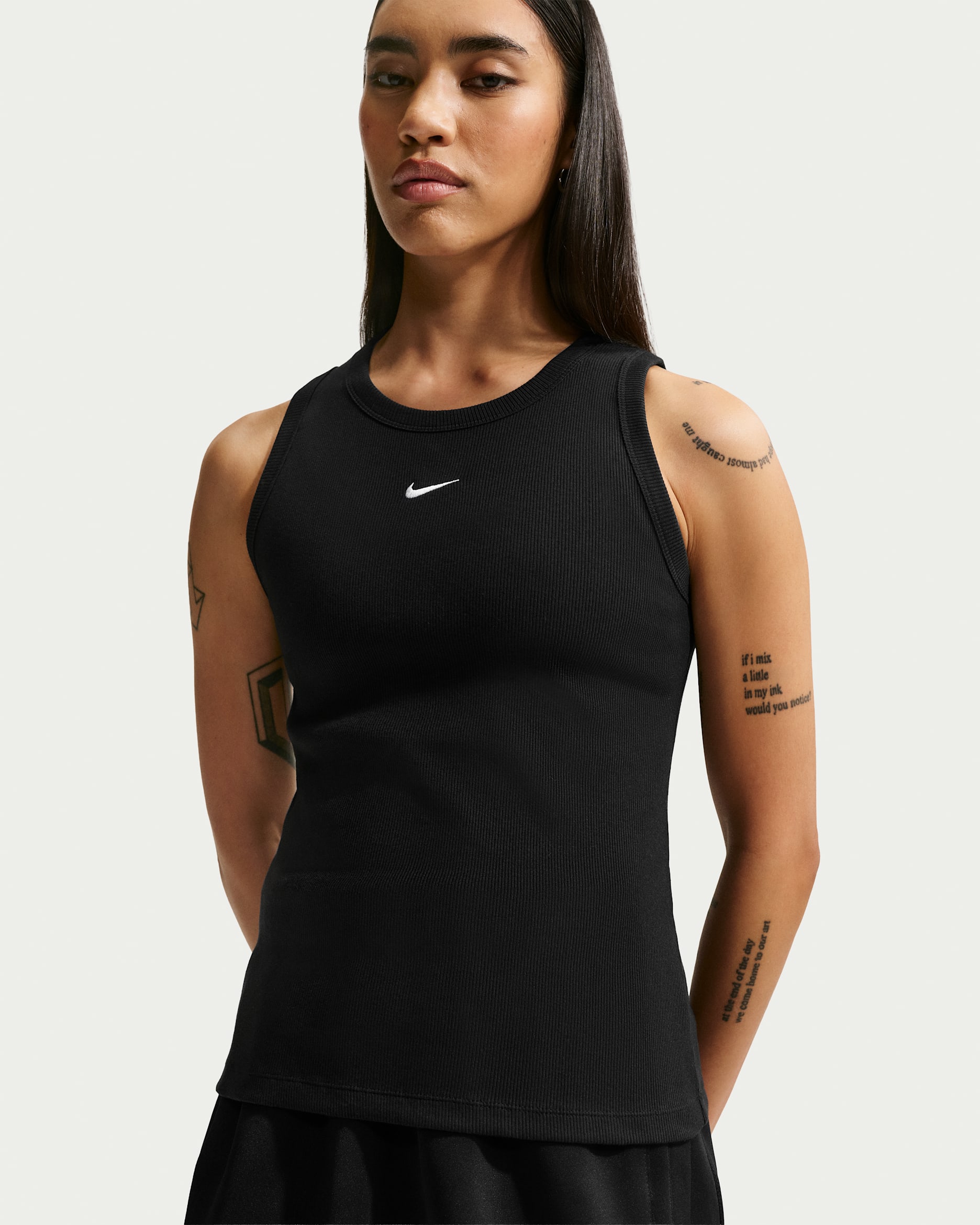
Credit: www.nike.com
