

When to Wear Rash Guard: Ultimate Guide for Every Water Activity
Have you ever wondered if a rash guard is just for surfers or if it can fit into your everyday activities? Knowing when to wear a rash guard can make a big difference in your comfort and skin protection.
Whether you’re hitting the waves, going for a swim, or trying out a new water sport, the right timing to wear one can keep you safe and comfortable. Keep reading to discover exactly when you should pull on a rash guard and why it might become your new favorite gear.

Credit: www.billabong.com
Benefits Of Rash Guards
Rash guards offer many benefits for outdoor activities, especially water sports. They protect your skin and keep you comfortable. Wearing a rash guard can improve your experience by preventing common issues. Here are some key benefits of rash guards.
Sun Protection
Rash guards block harmful sun rays from reaching your skin. They cover large areas, reducing sunburn risk. Wearing one means less need for constant sunscreen reapplication. This helps keep your skin safe during long hours outside.
Chafing Prevention
Rash guards create a smooth barrier between your skin and rough surfaces. This stops irritation caused by rubbing, especially on wet skin. They help avoid painful chafing during activities like surfing or swimming. Comfort stays high even with extended movement.
Thermal Insulation
Rash guards keep your body warm in cool water. They trap a thin layer of water that your body heats up. This layer works like a shield against cold. You can stay active longer without feeling cold or stiff.
Uv Protection
Rash guards provide extra protection against UV rays beyond sunscreen. Many have built-in UV protection ratings like UPF 50+. This reduces the chance of skin damage and long-term problems. Wearing one is a smart choice for sun safety.
Rash Guards For Surfing
Rash guards are essential for surfers. They protect the skin from sunburn and rashes caused by friction with the surfboard. Wearing a rash guard helps surfers stay comfortable and safe in the water.
Choosing The Right Fit
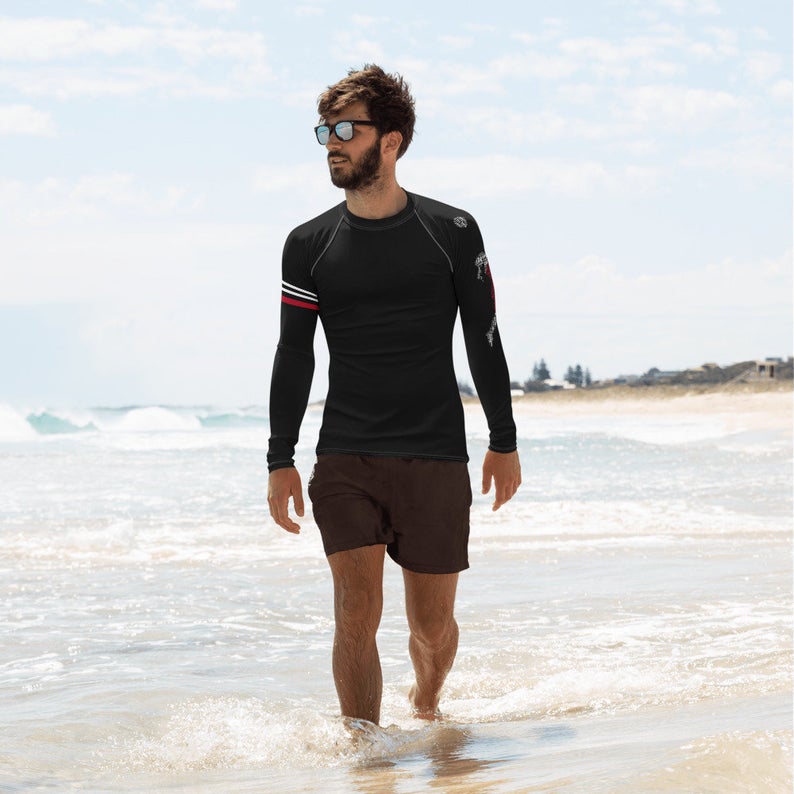
A rash guard should fit snugly but not too tight. It needs to stay in place during waves and movement. Loose rash guards can cause chafing and slow you down. Pick one that feels like a second skin without restricting movement.
Material Considerations
Look for rash guards made from quick-drying, stretchy fabrics. Nylon and spandex blends are common choices. These materials offer flexibility and comfort. They also protect against UV rays, which is important for long sessions in the sun.
Seasonal Use
Wear a thin rash guard in warm weather to stay cool and protected. In colder months, choose a thicker, thermal rash guard. It helps keep your body warm while surfing. Layering with a wetsuit is also an option for cold water.
Rash Guards In Snorkeling And Diving
Rash guards are popular in snorkeling and diving for many good reasons. These lightweight shirts offer useful protection and comfort underwater. They fit snugly and dry quickly, making them ideal for water activities. Wearing a rash guard helps improve your experience in the sea or ocean.
Protection From Marine Life
Rash guards protect your skin from jellyfish stings and sharp coral. They act as a barrier against tiny sea creatures that can bite or irritate. This protection keeps you safe and reduces the risk of skin problems. Wearing one allows you to enjoy the underwater world with less worry.
Thermal Comfort
Water can be cold, even in warm places. Rash guards help keep your body warm by reducing heat loss. They trap a thin layer of water close to your skin, which warms quickly. This keeps you comfortable and extends your time in the water without shivering.
Layering Options
Rash guards work well as a base layer under wetsuits or dive skins. They add extra warmth and stop chafing from wetsuit seams. You can wear them alone in warm water or layer up in colder conditions. This flexibility makes rash guards a smart choice for all diving trips.
Using Rash Guards For Paddleboarding
Paddleboarding is a fun water sport that many enjoy. Wearing a rash guard can improve your experience. It protects your skin and keeps you comfortable. Choosing the right time to wear one depends on a few key factors.
Sun Exposure Risks
Sunburn can happen quickly on the water. Paddleboarding exposes your skin to strong UV rays. A rash guard blocks harmful sunlight. It helps prevent painful burns and skin damage. Wearing one reduces the need for frequent sunscreen reapplication.
Mobility And Comfort
A rash guard fits snugly without feeling tight. It moves with your body as you paddle. This allows easy arm and shoulder movement. The material dries fast and feels smooth. It stops chafing caused by water and board contact.
Water Temperature Factors
Water temperature affects your comfort on the board. Rash guards provide a layer of warmth in cooler water. They protect against wind chill on breezy days. In warm water, they keep you cool by wicking sweat away.
Rash Guards In Swimming And Pool Activities
Rash guards are popular in swimming and pool activities. They protect skin from sun and irritation. Many swimmers wear them for comfort and safety. These shirts fit snugly and dry quickly. They help prevent rashes caused by pool surfaces and water friction.
Chlorine Resistance
Rash guards resist damage from chlorine in pools. Chlorine can harm regular swimwear fabric. Rash guards use special materials that last longer. They keep their shape and color after many swims. This makes them ideal for frequent pool users.
Skin Sensitivity
People with sensitive skin benefit from rash guards. Pool chemicals can cause redness or itching. Rash guards form a barrier between skin and water. They reduce direct contact with irritants. This helps prevent allergic reactions and discomfort.
Style And Design Choices
Rash guards come in many styles and colors. Some have long sleeves; others are short. Choose bright colors for better visibility in water. Designs can suit kids or adults. Comfortable fit and attractive look make them popular.

Credit: swimzip.com
Rash Guards For Kayaking And Canoeing
Rash guards are a smart choice for kayaking and canoeing. They protect your skin from sun, wind, and water. These shirts fit snugly and dry quickly. You can wear them on warm days or layer them on cold ones. They keep you comfortable during your paddling adventure.
Wind Protection
Wind can chill your skin fast on open water. Rash guards block the wind and keep you warmer. They fit tight to stop the breeze from reaching your skin. This helps avoid shivers and keeps your body temperature steady.
Quick Dry Features
Water splashes happen a lot while paddling. Rash guards dry very fast to stop you from feeling cold. The fabric pulls moisture away from your skin. This means you stay dry and comfortable for longer.
Layering For Cold Weather
On cold days, rash guards work great as a base layer. Wear them under a jacket or a wetsuit. They add warmth without bulk. You can move easily and stay warm even if the air is chilly.
Choosing The Right Rash Guard
Choosing the right rash guard is important for comfort and protection. The right one fits well and suits your activity. Rash guards come in different materials and styles. Knowing what to pick helps you enjoy your sport or outdoor fun. Consider factors like material, fit, and how long it lasts. This guide breaks down what to look for in a rash guard.
Material Types
Rash guards often use polyester, nylon, or spandex. Polyester is light and dries fast. Nylon is soft and strong but may take longer to dry. Spandex adds stretch for better movement. Some rash guards blend these materials for balance. Choose a fabric that feels good on your skin. Also, check if it offers UV protection.
Fit And Comfort
A rash guard should fit snug but not too tight. It should move with your body without causing pain. Look for flat seams to avoid skin rubbing. Long sleeves offer more sun and surf protection. Short sleeves work well in warmer weather. Try it on before buying to check comfort and size.
Durability And Maintenance
Durability matters for regular use. Look for strong stitching and quality fabric. Some rash guards resist fading and wear from sun and saltwater. Wash your rash guard in cold water to keep it fresh. Avoid using bleach or fabric softeners. Air dry to prevent shrinking or damage.
Care Tips For Rash Guards
Rash guards need special care to last longer and stay comfortable. Proper cleaning and storage keep the fabric strong and colors bright. Follow simple steps to protect your rash guard from damage and wear.
Washing Guidelines
Rinse your rash guard with cold water after use. Avoid hot water to prevent fabric damage. Use mild detergent without bleach or fabric softeners. Hand wash is best, but gentle machine cycles work. Turn the rash guard inside out before washing. Wash separately or with similar colors to avoid stains.
Drying Methods
Do not use a dryer; heat can ruin the fabric. Lay the rash guard flat on a towel to dry. Avoid direct sunlight to stop colors from fading. Hang drying in shade works well too. Make sure it is fully dry before storing to prevent mold.
Storage Advice
Fold your rash guard neatly to avoid wrinkles. Store it in a cool, dry place away from sunlight. Avoid keeping it in damp bags or tight spaces. Regularly check your rash guard for signs of wear. Proper storage helps keep it ready for your next adventure.
Credit: www.improveyourvolley.com
Frequently Asked Questions
When Is The Best Time To Wear A Rash Guard?
Wear a rash guard during water sports, surfing, or swimming. It protects against sunburn, rashes, and abrasions. It’s ideal for extended sun exposure and chilly water conditions.
Can Rash Guards Be Worn For Activities Other Than Surfing?
Yes, rash guards are great for snorkeling, paddleboarding, and kayaking. They provide sun protection and reduce skin irritation from equipment or water contact.
How Does A Rash Guard Protect Your Skin?
Rash guards block harmful UV rays and prevent chafing from saltwater and sand. They also shield skin from jellyfish stings and minor scrapes.
Should Rash Guards Be Worn In Cold Or Warm Water?
Rash guards are versatile for both. In warm water, they prevent sunburn. In cold water, they offer light insulation and maintain body heat.
Conclusion
Rash guards protect your skin during water sports and outdoor activities. They help prevent sunburn, rashes, and injuries. Wear one when surfing, swimming, or snorkeling. Also, try it for yoga or gym workouts to avoid chafing. Choose a rash guard that fits well and feels comfortable.
This simple gear keeps you safe and comfortable. Don’t wait for pain or irritation. Stay protected and enjoy your activities fully.
