

When to Use Rash Guard: Ultimate Guide for Protection & Comfort
Have you ever wondered when it’s the right time to wear a rash guard? Whether you’re hitting the water, trying a new sport, or just looking for extra protection, knowing when to use a rash guard can make a big difference.
It’s not just about style—your comfort, safety, and performance all depend on choosing the right gear. Keep reading, and you’ll discover exactly when a rash guard becomes your best friend.
Benefits Of Rash Guards
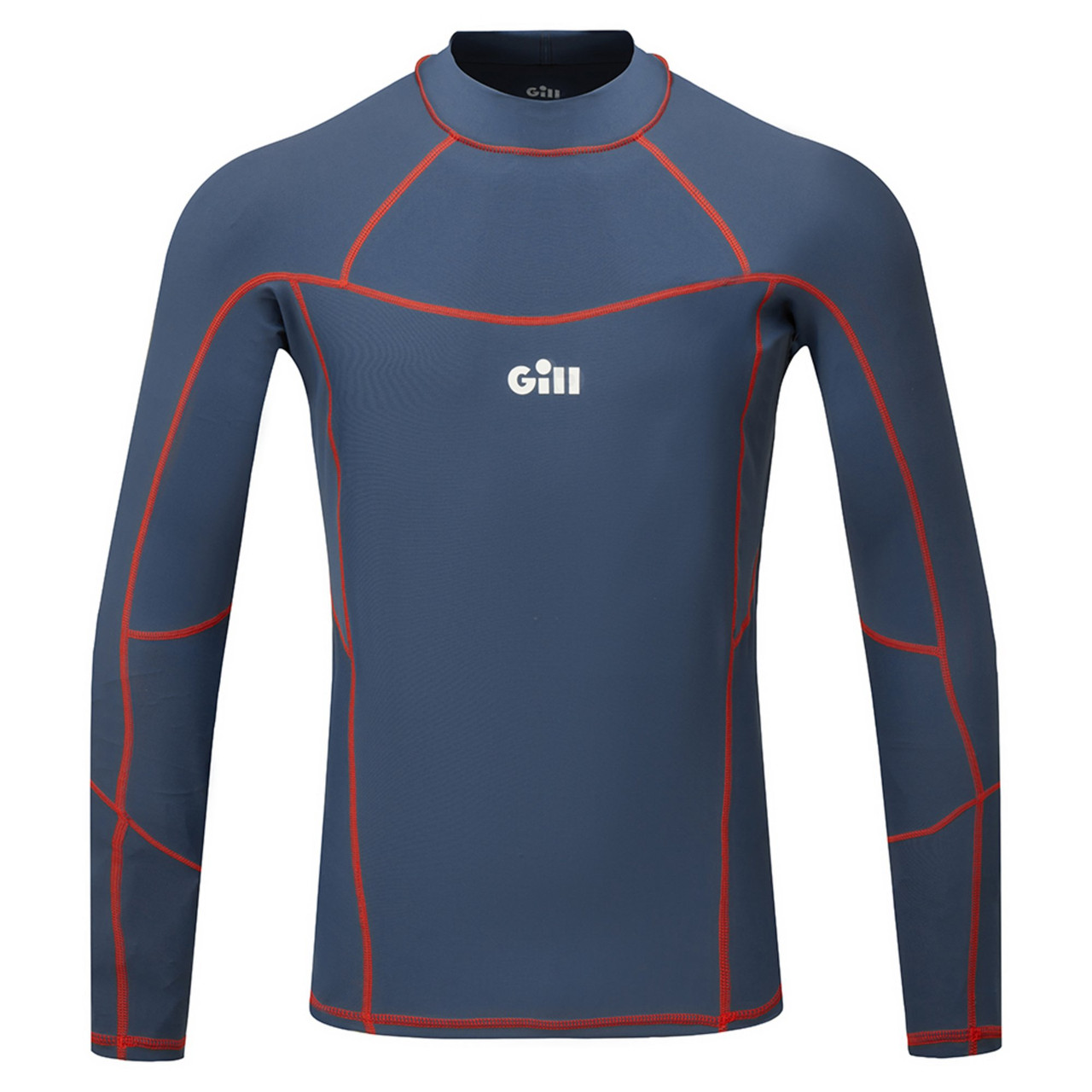
Rash guards offer many benefits for people who spend time in or near water. They protect the skin and improve comfort. Wearing a rash guard can make water activities safer and more enjoyable. Here are some key benefits of using rash guards.
Skin Protection From Sun
Rash guards block harmful UV rays from the sun. They cover more skin than regular swimwear. This helps prevent sunburns and long-term skin damage. Many rash guards have a built-in UPF rating for extra protection. This means less risk of painful sunburns during outdoor activities.
Prevention Of Rashes And Irritations
Rash guards reduce skin irritation from saltwater and sand. They also protect against rashes caused by friction with surfboards or bodyboards. Wearing a rash guard lowers the chance of itchy, uncomfortable skin problems. It acts like a barrier between your skin and rough surfaces.
Enhanced Comfort During Water Activities
Rash guards provide a snug fit that moves with your body. They help keep muscles warm in cooler water. The fabric dries quickly, so you feel comfortable on land too. Rash guards reduce chafing from wetsuits or equipment. This makes swimming, surfing, and diving more pleasant.
Credit: www.gillmarine.com
Ideal Activities For Rash Guards
Rash guards protect your skin and improve comfort during many water and beach activities. They guard against sunburn, rashes, and abrasions. Their lightweight fabric dries fast and keeps you cool. Knowing the ideal activities for rash guards helps you choose the right gear. These activities often involve water, sun, or physical contact.
Surfing And Paddleboarding
Rash guards are perfect for surfing and paddleboarding. They protect your skin from the rough surfboard surface. The fabric reduces chafing caused by saltwater and wax. They also shield you from harmful UV rays during long hours on the water. Wearing a rash guard keeps you comfortable and focused.
Snorkeling And Diving
Snorkelers and divers wear rash guards under wetsuits or alone in warm water. They prevent skin irritation from coral, rocks, and marine life. Rash guards add a thin layer of warmth in cooler water. Their snug fit reduces drag and improves swimming efficiency. They also protect against sunburn on exposed areas.
Swimming And Pool Workouts
Rash guards are great for swimming and pool workouts. They offer lightweight coverage without restricting movement. The fabric resists chlorine damage better than regular swimwear. Rash guards help avoid rashes caused by pool chemicals or rough pool surfaces. They keep swimmers comfortable and protected during training.
Beach Volleyball And Other Sports
Rash guards work well for beach volleyball and other active sports. They shield skin from sand, sun, and minor scrapes. The stretchy material allows full range of motion for quick moves. Rash guards wick away sweat and help regulate body temperature. They provide protection and comfort on the sandy court or field.
Choosing The Right Rash Guard
Choosing the right rash guard makes a big difference in comfort and protection. The right one fits well, feels soft, and shields you from sun or irritation. Picking a rash guard depends on where and how you plan to use it. Focus on material, fit, and UV protection to find the best match.
Material And Fabric Types
Rash guards come in various fabrics. Nylon and spandex blends offer stretch and durability. Polyester is quick-drying and resists fading. Some have mesh panels for breathability. Choose a fabric that suits water activities and keeps you comfortable.
Fit And Sizing Tips
A good rash guard fits snug but not tight. It should move with your body without restricting. Check size charts and measure chest and waist. Consider layering underneath for colder water. Too loose can cause chafing; too tight may limit movement.
Uv Protection Ratings
Many rash guards have UPF ratings to block UV rays. UPF 50+ offers excellent sun protection. Always check the label for the rating. Using a rash guard with UV protection reduces sunburn risk. Great for long hours outdoors or water sports.
Seasonal Use Of Rash Guards
Rash guards are versatile gear suitable for different seasons. They protect the skin and add comfort during outdoor water activities. Knowing how to use rash guards based on the season helps you stay safe and enjoy your time in the water.
Warm Weather Advantages
In warm weather, rash guards shield your skin from the sun’s strong rays. They prevent sunburn without needing heavy sunscreen. Lightweight and breathable fabric keeps you cool and dry. Rash guards also protect against jellyfish stings and minor scrapes from rocks or coral. Wearing one means less skin irritation and more fun in the sun.
Cold Water Layering Options
In cold water, rash guards act as a base layer under wetsuits. They add warmth by trapping a thin layer of water against your skin. This layer warms up quickly with your body heat. Rash guards reduce chafing from wetsuit seams and improve overall comfort. Layering with a rash guard extends your water time during chilly seasons.
Care And Maintenance
Proper care and maintenance keep your rash guard in top shape. It helps maintain the fabric’s strength and color. It also prevents damage from salt, chlorine, and sweat. Taking time for care extends the life of your rash guard. Here are key tips for washing and storing your gear.
Washing Instructions
Rinse your rash guard with cold water after each use. This removes salt, chlorine, and dirt. Use mild detergent for hand washing. Avoid bleach or fabric softeners. Wash separately from rough or heavy clothes. Gently squeeze out water, do not wring. Lay flat to dry in shade, avoiding direct sunlight. Do not use a dryer or iron. These steps keep the fabric stretchy and bright.
Storage Tips To Extend Lifespan
Store your rash guard in a cool, dry place. Avoid folding it tightly to prevent wrinkles. Use a hanger or lay it flat. Keep it away from heat sources and sunlight. Make sure it is fully dry before storing. This stops mold and bad smells. Proper storage preserves the material and shape for many uses.
Credit: www.stockbjj.com
Credit: www.stockbjj.com
Frequently Asked Questions
When Is It Best To Wear A Rash Guard?
Wear a rash guard during water sports like surfing, snorkeling, or swimming. It protects against sunburn, rashes, and abrasions. It also helps regulate body temperature in cold water.
Can Rash Guards Protect From Uv Rays?
Yes, rash guards offer excellent UV protection. Most have UPF ratings that block harmful sun rays. Wearing one reduces the risk of sunburn during outdoor activities.
Are Rash Guards Suitable For All Water Activities?
Rash guards are versatile and suitable for many water activities. Use them for surfing, diving, paddleboarding, or swimming. They provide comfort, protection, and help prevent skin irritation.
How Do Rash Guards Help In Cold Water?
Rash guards provide a thin layer of insulation that retains body heat. They reduce heat loss and keep you warmer when water temperatures are cool. Layering with a wetsuit improves warmth further.
Conclusion
Rash guards protect your skin and keep you comfortable. Use them during water sports or outdoor activities. They help prevent sunburn, rashes, and scrapes. Wearing a rash guard also keeps you warm in cool water. Choose the right one for your activity and weather.
Remember, comfort and protection matter most. Rash guards are simple gear with big benefits. Try one next time you head outdoors. Stay safe and enjoy your time with the right gear.
