

What Trainers are Good for Zumba: Top Picks for Every Dancer
Dancing to Latin music, moving your feet, sweating, and having fun—this is the spirit of Zumba. But if you have ever tried a Zumba class with the wrong shoes, you know how quickly the fun can fade. Foot pain, slippery moves, or sore knees are common problems for beginners who do not know how important the right trainers are.
Wearing shoes made for running or walking may seem okay, but Zumba has its own demands. Shoes that work for the gym or outdoor running often do not give you what you need for dance fitness. So, what trainers are good for Zumba?
Let’s break down the features, mistakes, and best options, so you can move safely and comfortably with every beat.
Why Zumba Needs Special Trainers
Zumba is not like running, tennis, or even most gym workouts. It is a mix of dance, aerobics, and quick footwork. In one class, you twist, turn, hop, and slide in many directions. Standard gym shoes or running trainers are designed for forward motion.
Zumba needs something different.
Lateral support is crucial. When you do side-to-side moves, your shoes must hold your feet in place, not let them roll or slip. Also, Zumba involves pivots—quick turns on the ball of your foot. Shoes with too much grip can hurt your knees or ankles during these moves. Finally, Zumba is high energy, so you want trainers that are lightweight and breathable to keep you moving and comfortable.
Key Features To Look For In Zumba Trainers
Not every shoe is created equal. When choosing trainers for Zumba, focus on these important features:
Lightweight Construction
Zumba is fast and energetic. Heavy shoes slow you down and make your legs tired. Lightweight trainers help you move quickly and easily, making every jump and step feel effortless.
Flexible Soles
Dance moves need flexibility. A stiff shoe restricts your foot and can even cause pain. Choose trainers with flexible soles so your foot can bend and move naturally, especially during dance steps or when landing from jumps.
Cushioning And Shock Absorption
A typical Zumba class involves a lot of bouncing and jumping. Proper cushioning protects your feet and joints from the shock of these high-impact moves. Look for shoes with good padding in the heel and forefoot.
Pivot Points
This is a feature often overlooked by beginners. A pivot point is a small, smooth circle on the sole, usually under the ball of the foot. It allows you to spin and turn easily without putting pressure on your knees. Most running shoes do not have this, but many dance or studio trainers do.
Lateral Support
Since Zumba has lots of sideways moves, lateral support is very important. This means the shoe holds your foot firmly from the sides, stopping your foot from sliding off the sole or rolling. Shoes for court sports like tennis sometimes have this, but they may be too heavy for dance.
Breathability
Dancing makes your feet sweat. Shoes with mesh panels or breathable materials help keep your feet cool and dry, reducing the risk of blisters and bad odor.
Proper Fit
Never underestimate the power of a good fit. Trainers that are too tight can cause blisters and pain; too loose, and your feet will slide around, risking injury. Always try on shoes at the end of the day when your feet are slightly swollen, which is closer to how they will feel during a workout.
Types Of Trainers Suitable For Zumba
Not all athletic shoes are good for Zumba. Here are some types to consider:
- Dance Sneakers: Designed for dance fitness, these offer pivot points, flexibility, and lightweight feel. Good brands make models just for Zumba or similar workouts.
- Studio Trainers: Often used for aerobics, step, or gym classes. They have good lateral support, are light, and sometimes include pivot points.
- Cross-Trainers: Some cross-trainers work well if they are light and flexible. Not all are suitable, so check for flexibility and pivot features.
- Minimalist Shoes: These are lightweight and flexible, but they must still offer enough support and cushioning for Zumba. Some people love them, while others need more padding.
Running shoes, tennis shoes, or walking trainers generally do not work well for Zumba because they are made for different movements.
Top Features Comparison
To help you see the differences, here is a comparison of important features in different types of trainers often used for Zumba:
| Trainer Type | Pivot Point | Lateral Support | Flexibility | Cushioning | Weight |
|---|---|---|---|---|---|
| Dance Sneakers | Yes | Good | Excellent | Moderate | Light |
| Studio Trainers | Sometimes | Good | Good | Good | Light |
| Cross-Trainers | Rarely | Moderate | Moderate | Good | Medium |
| Running Shoes | No | Poor | Poor | Good | Light/Medium |
| Minimalist Shoes | Sometimes | Poor | Excellent | Poor | Very Light |
From this, it is clear that dance sneakers and studio trainers offer the best mix of features for Zumba.
Popular Brands And Models For Zumba
Many people wonder which brands make the best trainers for Zumba. While personal fit and comfort are very important, some brands have a reputation for making great dance or studio shoes. Here are a few popular choices:
- Nike: The Nike Air Zoom SuperRep and Nike Free RN models are popular for studio and dance workouts.
- Ryka: Especially designed for women’s feet, Ryka’s Influence and Devotion XT trainers are known for their pivot points and lightweight build.
- Bloch: Famous for dance shoes, Bloch’s Boost DRT and Wave Dance Sneakers are common in Zumba classes.
- ASICS: The Gel-Fit Sana and Gel-Quantum 90 are loved for their flexibility and comfort.
- Reebok: The Reebok Guresu and Studio Basics lines are made for dance fitness and offer good support with pivot features.
Not every foot is the same, so always try on different brands and models to see what feels best for you.
How The Wrong Shoes Can Affect Your Zumba Experience
Using the wrong trainers can quickly turn a fun class into an uncomfortable or even painful experience. Here is what can go wrong:
- Blisters and Hot Spots: Shoes that are too tight or have rough seams will rub your skin during fast moves.
- Slipping or Poor Grip: Shoes without enough grip can make you slide too much, risking falls.
- Too Much Grip: Shoes with sticky soles can hurt your knees during pivots, as your foot stays in place while your body turns.
- Lack of Support: Without good lateral support, your foot may slide off the sole, leading to ankle injuries.
- Heavy Shoes: Trainers that are too heavy make every move harder, tiring your legs faster.
- Poor Shock Absorption: Not enough cushioning leads to sore feet and tired joints, especially after jumping.
Many beginners think any sports shoe is good enough for Zumba. But after a few classes, they often feel pain or get injured. That is why it is worth investing time and effort in finding the right trainers.

Credit: www.woolyyarn.com
Special Considerations For Different Feet
Everyone’s feet are unique. Some people need extra support, while others need more room or cushioning. Here are a few things to keep in mind:
Wide Or Narrow Feet
Some brands make trainers in different widths. If you have wide feet, look for brands like Ryka or New Balance, which often offer wide-fit options. Narrow-footed people should avoid shoes that feel too loose, as their feet will slide inside and cause blisters.
High Arches Or Flat Feet
People with high arches need more arch support, which helps prevent foot pain and fatigue. Flat feet often need shoes with a stable base and good support to avoid overpronation (rolling inwards).
Orthotics
If you use custom insoles or orthotics, choose trainers with removable insoles. This allows you to insert your orthotics without making the shoe too tight.
Foot Problems
If you have plantar fasciitis, bunions, or other foot issues, speak with a podiatrist or foot specialist. They can recommend specific types of trainers or extra supports to keep you comfortable.
How To Test If Trainers Are Good For Zumba
Before buying, it helps to test the trainers in-store or at home:
- Try Turning: Stand on the balls of your feet and try pivoting. Your shoe should turn easily without sticking or gripping too much.
- Jump and Bounce: Do a few small jumps. Check if the cushioning feels comfortable and absorbs impact.
- Side Steps: Try moving sideways or doing a grapevine step. The shoe should hold your foot firmly from the sides.
- Bend and Flex: Hold the shoe in your hand and bend it. Good Zumba trainers should flex at the forefoot, not be stiff like a hiking boot.
If you shop online, read reviews from people who use the trainers for dance or studio classes, not just for running or walking.
How Trainers For Zumba Differ From Other Sports Shoes
Many beginners use their running or gym shoes for Zumba, but these are not always the best choice. Here’s how they differ:
| Feature | Zumba Trainers | Running Shoes | Tennis Shoes |
|---|---|---|---|
| Motion Support | Lateral & rotational | Forward only | Lateral |
| Pivot Point | Yes | No | Rarely |
| Flexibility | High | Moderate | Moderate |
| Weight | Light | Light | Medium |
| Cushioning | Medium | High | Medium |
| Sole Grip | Moderate (not sticky) | Strong (for traction) | Strong (for court grip) |
The main difference is the pivot point and the level of lateral support, both very important for Zumba but not needed in running shoes.
Mistakes To Avoid When Choosing Zumba Trainers
It is easy to make mistakes when picking trainers for Zumba, especially if you are new to dance fitness. Here are some common errors:
- Choosing by Looks Only: Some people pick the most stylish shoe, not the most functional. Comfort and fit matter more than color or design.
- Buying Running Shoes: Running shoes are not made for side-to-side motion or pivots. They can cause injuries if used for Zumba.
- Ignoring Pivot Points: Trainers without a pivot point make turning difficult and can hurt your knees.
- Buying Too Small: Your feet swell during workouts. Leave a thumb’s width between your longest toe and the end of the shoe.
- Forgetting Socks: Always try on shoes with the same socks you will use in class. This helps you get the right fit.
- Not Testing Movement: If possible, mimic Zumba moves in the store. If the shoe feels stiff, heavy, or awkward, keep looking.
Many beginners also forget to replace their trainers regularly. Dance shoes lose their support and cushioning over time, even if they look fine. A worn-out sole can lead to injury.
:max_bytes(150000):strip_icc()/Byr_DanceWkoutShoes_LeadRecirc-690b7a98ba7943d9b83c53888050edc4.jpg)
Credit: www.byrdie.com
When To Replace Your Zumba Trainers
No shoe lasts forever. Here are signs you need new trainers:
- Worn Out Soles: If the pivot point is gone or the grip is uneven, it’s time for a new pair.
- Loss of Cushioning: If your feet feel sore after class, the padding may be worn down.
- Pain or Blisters: If a shoe that once felt good now causes pain, it is no longer supporting you properly.
- Loose Fit: Over time, trainers can stretch and become too loose for safe dancing.
As a general rule, replace Zumba trainers every 6 to 12 months, depending on how often you dance. If you do Zumba several times a week, you may need to replace them sooner.
Extra Tips For Zumba Shoe Care
Taking care of your trainers will help them last longer and keep you safe:
- Air Them Out: Remove insoles and let shoes dry after each class to prevent odor.
- Clean Gently: Use a damp cloth to wipe off sweat and dirt. Do not put dance trainers in a washing machine, as it can ruin their structure.
- Rotate Pairs: If you do Zumba often, having two pairs and switching between them lets each pair recover and dry out.
- Check for Wear: Look at the soles and sides regularly. Replace trainers at the first sign of major wear.
What About Barefoot Zumba Or Socks?
Some people wonder if they can do Zumba barefoot or in socks, especially at home. While dancing without shoes can feel free, it is not always safe. Hard floors offer no shock absorption, and you risk slipping or hurting your feet.
Special dance socks with grip are safer than regular socks, but they still lack the support of good trainers. If you have foot problems or dance on a hard surface, trainers are strongly recommended.
Real-world Examples And Advice
People who have switched from regular trainers to Zumba-specific shoes often notice a big difference. For example, Maria, a Zumba enthusiast, used to wear running shoes and felt knee pain after every class. After switching to studio trainers with a pivot point, her pain disappeared and her moves felt much smoother.
Another common insight: some beginners do not realize that shoe fit can change as they get stronger in Zumba. As your muscles and moves improve, you may want a more flexible or lighter shoe. It is normal to update your trainers as your skill grows.
One thing beginners often miss is that flooring makes a difference. If your class is on a wood dance floor, you need less grip than if it is on rubber gym mats. Some people keep two pairs of trainers to match different floors.
Where To Find Reliable Zumba Trainers
You can buy Zumba trainers at sports stores, dance shops, or online. When shopping online, look for detailed product descriptions and reviews from dance fitness users. Avoid buying very cheap or unknown brands, as they may not offer the support or durability you need.
For trusted advice and more details on dance fitness footwear, the Verywell Fit website offers expert recommendations and user reviews.
Frequently Asked Questions
What Is The Most Important Feature In A Zumba Trainer?
The pivot point is the single most important feature. It allows you to turn and spin safely, protecting your knees and ankles.
Can I Use Running Shoes For Zumba?
It is not recommended. Running shoes are made for forward motion and do not have the lateral support or pivot point needed for Zumba. They can lead to injury.
How Often Should I Replace My Zumba Trainers?
Replace trainers every 6 to 12 months, depending on how often you dance. If you feel pain or notice worn-out soles, replace them sooner.
Are Minimalist Or Barefoot Shoes Good For Zumba?
Minimalist shoes can work if they offer enough support and have a pivot point. However, most people feel safer and more comfortable in trainers made for dance or studio workouts.
What Should I Do If I Have Wide Or Narrow Feet?
Look for brands that offer different width options. Always try on trainers with the socks you will use in class, and make sure there is enough room for your toes but not too much space to slide.
The right trainers make a huge difference in your Zumba experience. With the right support, flexibility, and fit, you can dance with confidence, protect your body, and enjoy every class to the fullest. Remember, a little time spent choosing good trainers pays off with better health, more fun, and fewer injuries as you move to the music.
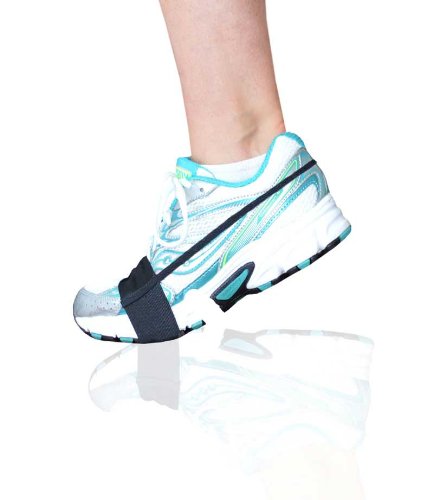
Credit: www.footankle.com
