

What to Wear to Pilates: Ultimate Guide for Comfort & Style
Are you getting ready for your first Pilates class or looking to upgrade your workout wardrobe? Knowing what to wear to Pilates can make a huge difference in how comfortable and confident you feel during your session.
The right outfit helps you move freely, stay cool, and focus on your form without distractions. Keep reading to discover simple tips that will help you choose the perfect Pilates clothes, so you can get the most out of every stretch and strength move.
Your body—and your Pilates practice—will thank you!
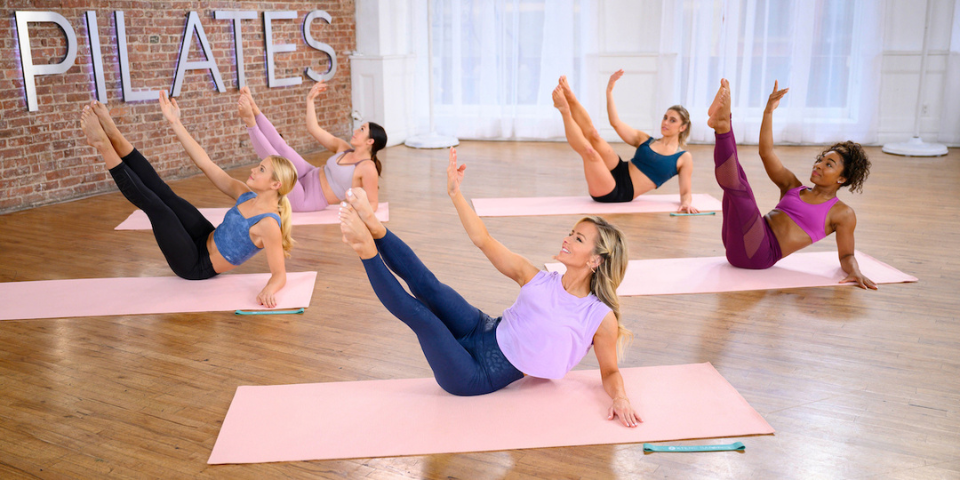
.jpg)
Credit: blog.clubpilates.com.au
Choosing The Right Fabrics
Choosing the right fabrics for Pilates wear can improve comfort and performance. The right fabric helps your body move freely and stay cool. It also keeps sweat away and prevents irritation. Understanding fabric types helps you pick clothes that work best for Pilates sessions.
Breathable Materials
Breathable fabrics let air flow through the clothing. This keeps your skin cool during exercises. Cotton and bamboo are natural options that breathe well. Lightweight mesh panels also help air circulate. Breathable fabrics reduce sweat buildup and keep you fresh.
Moisture-wicking Options
Moisture-wicking fabrics pull sweat away from your skin. This helps you stay dry and comfortable. Polyester and nylon blends often have this feature. These fabrics dry quickly and prevent chafing. Moisture-wicking clothes are perfect for intense Pilates sessions.
Stretch And Flexibility
Stretchy fabrics allow your body to move freely. Look for materials with elastane or spandex. These add flexibility without losing shape. Stretchy clothes support your muscles during stretches and poses. They prevent restriction and help you perform better.
Best Tops For Pilates
Choosing the right top for Pilates is important for comfort and performance. The best tops help you move freely and keep you cool. They also provide the right support during exercises. Picking the right style can make your Pilates sessions more enjoyable.
Fitted Vs. Loose Styles
Fitted tops stay close to your body. They help you see your form clearly. Tight tops reduce extra fabric getting in the way. Loose tops offer more airflow and comfort. They suit people who want a relaxed fit. Both styles can work well depending on your preference.
Sleeve Length Considerations
Short sleeves keep you cool and allow free arm movement. Sleeveless tops are great for hot rooms and intense workouts. Long sleeves offer extra warmth and cover during cooler days. Choose sleeve length based on room temperature and your comfort.
Supportive Sports Bras
Sports bras give essential support during Pilates. They prevent discomfort and help maintain good posture. Look for bras with medium support and soft fabric. A good sports bra fits snugly without pinching. It improves focus by reducing distractions during exercises.
Ideal Bottoms For Movement
Choosing the right bottoms for Pilates matters a lot. They help you move freely and stay comfortable. The best bottoms fit well and stretch with your body. This lets you focus on your workout without distractions. Here are some great options for Pilates bottoms.
Leggings And Capri Pants
Leggings are a top choice for Pilates. They fit snugly and move with your body. Look for leggings made from stretchy, breathable fabric. Capri pants are a shorter option that stops below the knee. They keep you cool and allow full leg movement. Both choices support smooth, easy motion during exercises.
Shorts And Skorts
Shorts provide freedom and keep you cool during Pilates. Pick shorts that are not too loose or too tight. Skorts combine a skirt with shorts underneath. They offer modesty and flexibility at the same time. These bottoms are perfect for warmer days or intense sessions.
Waistband Comfort
The waistband should feel soft and secure. Avoid waistbands that dig into your skin or slide down. A wide, elastic waistband gives support without pressure. High-rise waistbands help keep everything in place. Comfort here means fewer distractions and better focus on Pilates moves.
Credit: www.drfabregues.com
Footwear Choices
Choosing the right footwear for Pilates affects your balance and comfort. Pilates needs careful footwork and control. Wearing proper footwear can support your movements and keep you safe. Some people prefer no shoes at all. Others like special socks or shoes. Understanding the options helps you decide what fits best for you.
Barefoot Benefits
Many Pilates classes prefer practicing barefoot. Bare feet help you feel the floor clearly. This improves balance and body awareness. It also strengthens foot muscles over time. Barefoot Pilates allows natural foot movement. It reduces the risk of slipping on smooth surfaces. Your feet connect directly with the mat or floor.
Pilates Socks
Pilates socks have grips on the bottom. These grips stop your feet from sliding. Socks keep your feet clean and warm. They offer some protection without restricting movement. Pilates socks work well on slippery floors. They give extra traction while keeping the barefoot feel. Many studios require socks for hygiene reasons.
When To Wear Shoes
Shoes are not common in Pilates but sometimes needed. If you have foot problems, shoes offer support. Special Pilates or yoga shoes are lightweight and flexible. They protect your feet during standing exercises. Shoes help if the floor is rough or cold. Choose shoes with thin, non-slip soles for best results.
Layering Tips For Pilates
Layering your clothes for Pilates helps keep you comfortable throughout your session. It allows easy adjustments to match room temperature and your body heat. Smart layering can improve your focus and performance during exercises. Choose lightweight, flexible pieces that move with you. Avoid anything bulky or stiff. Here are some tips to help you layer properly for Pilates.
Light Jackets And Wraps
Light jackets or wraps are great for warming up and cooling down. Pick breathable fabrics like cotton or thin fleece. These pieces should be easy to remove or tie around your waist. They add warmth without feeling heavy. A zip-up jacket or a simple wrap works well. Keep your arms free for smooth movement. This layer protects you from drafts before and after class.
Temperature Adaptations
Pilates studios vary in temperature. Dress in layers that you can add or remove quickly. Start with a fitted tank or T-shirt as your base. Add a long-sleeve top or light sweater if it feels cool. Carry a thin scarf or shawl for extra warmth if needed. Focus on fabrics that dry fast and breathe well. Adjust your layers to stay comfy from start to finish.
Accessories To Enhance Your Practice
Accessories can improve your Pilates sessions by adding comfort and focus. Small details matter. The right accessories help keep you steady and distraction-free. They also support better movement and posture.
Hair Accessories
Keep hair out of your face with simple hair ties or headbands. Soft, stretchy bands hold hair gently without pulling. Clips should be smooth and secure. Hair accessories stop strands from blocking your view or distracting you.
Minimal Jewelry
Wear small, simple jewelry only. Avoid big or dangling pieces that can catch on equipment. Thin rings or stud earrings work best. Minimal jewelry keeps you safe and comfortable during Pilates moves.
Pilates Equipment
Use basic Pilates tools like a mat, resistance bands, or small balls. A good mat offers cushion and grip. Resistance bands help strengthen muscles gently. Small balls improve balance and control. These tools support your practice effectively.
Color And Style Ideas
Choosing the right colors and styles for Pilates wear can boost your mood and confidence. Bright tones or soft shades both work well in the studio. Clothes that feel good help you move freely during your workout.
Picking the right colors can also reflect your personality. Some prefer calm, neutral shades, while others enjoy bold, lively colors. Style choices can be simple or a bit more playful, as long as they keep you comfortable.
Mixing Patterns And Solids
Mixing patterns with solid colors creates a balanced look. Pair a patterned top with solid leggings for a fresh style. This combination keeps your outfit interesting without being too busy.
Stripes, florals, or geometric shapes work well in small amounts. Choose one patterned piece and match it with plain items. This approach highlights your style while staying practical for Pilates movements.
Seasonal Color Choices
Seasonal colors can brighten your Pilates wardrobe. Light pastels are perfect for spring and summer. These soft colors feel cool and fresh during warm days.
In fall and winter, choose deeper shades like burgundy, navy, or forest green. These colors add warmth and comfort to your outfit. Seasonal choices keep your look up-to-date and fitting for the weather.
Care Tips For Pilates Clothes
Taking care of your Pilates clothes helps them last longer. Proper care keeps the fabric soft and comfortable. It also preserves the fit and color of your workout gear. Follow simple steps for washing and drying. Protect the fabric’s quality with easy habits.
Washing And Drying
Wash Pilates clothes in cold water. Cold water stops shrinking and fading. Use a gentle cycle on your washing machine. Avoid bleach and fabric softeners. They can damage the fabric’s stretch and breathability. Turn clothes inside out to protect the outer layer. Air dry your clothes whenever possible. Heat from dryers can weaken fibers and cause shrinking. If you must use a dryer, choose low heat.
Maintaining Fabric Quality
Keep Pilates clothes away from rough surfaces. Rough fabrics cause pilling and snags. Store clothes folded, not hanging, to keep shape. Avoid ironing; heat can ruin elastic fibers. Wash new clothes separately to prevent color bleeding. Follow care labels for the best results. Clean clothes after each use to remove sweat and bacteria. This keeps the fabric fresh and odor-free.
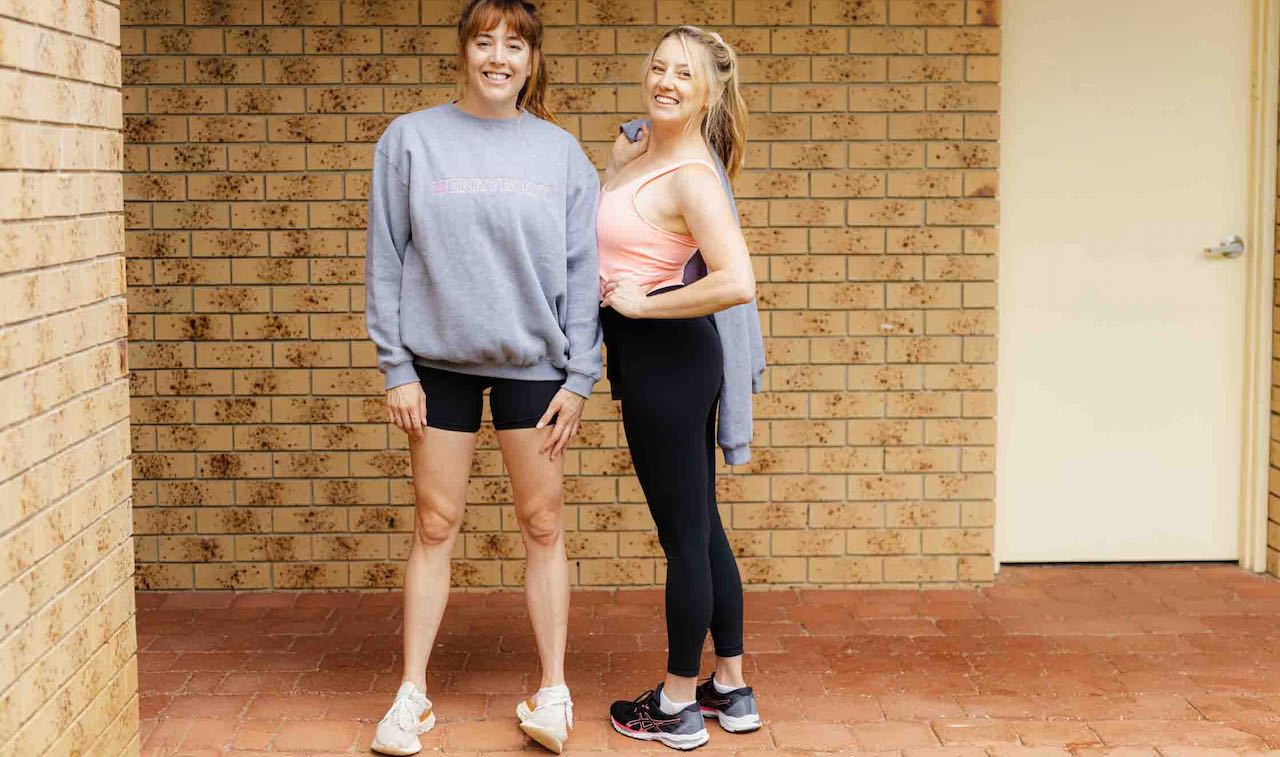
Credit: themerrymakersisters.com
Frequently Asked Questions
What Type Of Clothing Is Best For Pilates?
Choose form-fitting, breathable clothes like leggings and fitted tops. These allow easy movement and help instructors check your form. Avoid loose or baggy clothes that may get in the way during exercises.
Should I Wear Shoes To Pilates Classes?
Most Pilates classes are done barefoot or with grip socks. Shoes are generally not recommended as they limit foot flexibility and connection to the mat. Grip socks improve stability and hygiene.
Can I Wear Regular Workout Clothes For Pilates?
Yes, regular workout clothes like stretchy yoga pants and moisture-wicking tops work well. Comfort and flexibility are key for Pilates, so pick clothes that move with you and keep you dry.
Is It Necessary To Wear A Sports Bra For Pilates?
Wearing a supportive sports bra is recommended for comfort and support. Pilates involves core and upper body movements, so a good sports bra helps reduce discomfort during exercises.
Conclusion
Choosing the right clothes helps you enjoy Pilates more. Wear stretchy, comfortable clothes that move with you. Avoid tight or heavy fabrics that limit your motion. Breathable materials keep you cool during exercises. Good grip socks or bare feet work best on the mat.
Dress simply and focus on your practice. Feeling comfortable boosts your confidence and performance. Keep these tips in mind for your next Pilates class. Your body will thank you for it.
