

What to Wear Job Interview: Expert Tips to Impress Employers
Nailing your job interview starts long before you answer the first question. One of the most powerful ways to make a great impression is by choosing the right outfit.
What you wear speaks volumes about your confidence, professionalism, and attention to detail. But how do you pick the perfect look that fits the role and company culture? Keep reading, because mastering your interview outfit could be the key to unlocking your dream job.

Credit: www.youtube.com
Dress Codes For Interviews
Choosing the right clothes for a job interview is very important. The dress code shows respect and professionalism. Different jobs and companies expect different styles. Knowing the dress code helps you make a good first impression.
Some jobs need formal clothing, while others accept casual wear. Creative fields may allow more personal style. Even remote interviews require thoughtful dressing. Below are common dress codes for interviews and what to wear for each.
Business Formal Attire
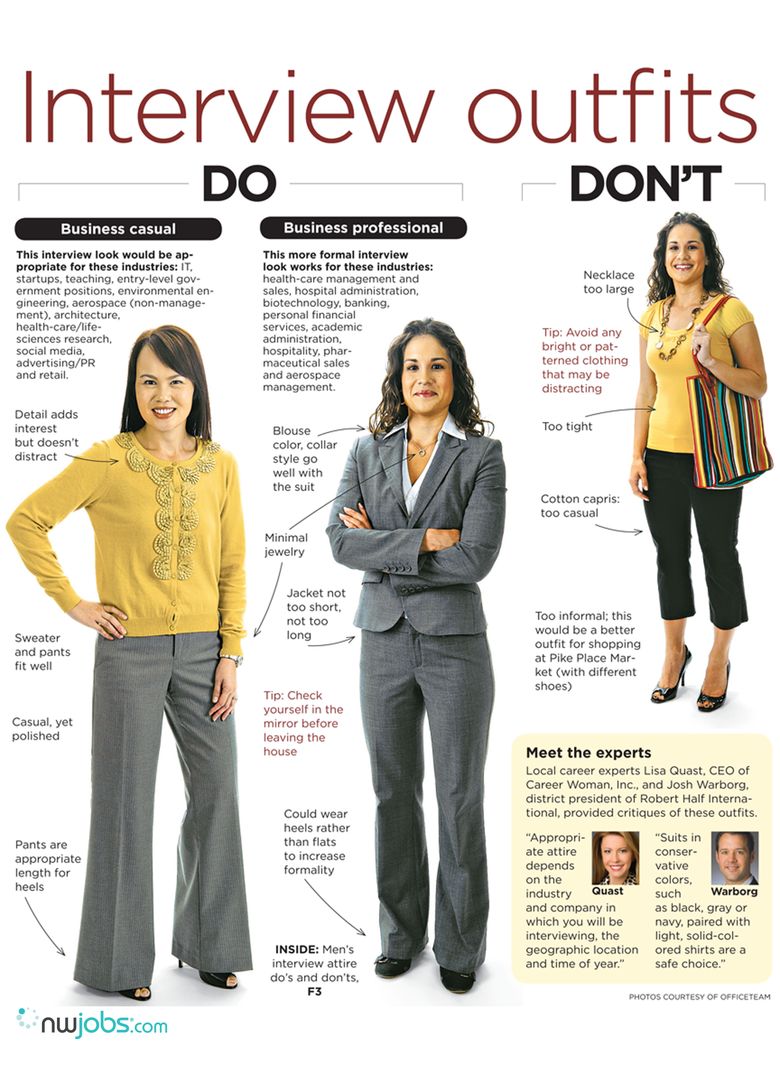
Business formal is the most traditional dress code. Men should wear a suit with a tie and polished shoes. Women can choose a suit, dress, or skirt with a blazer. Clothes should fit well and be clean. Colors like black, navy, and gray work best. Avoid bright or flashy accessories. Keep makeup and hair neat and simple.
Business Casual Options
Business casual is less strict but still professional. Men may wear dress pants with a button-down shirt. Ties are optional. Women can wear slacks or skirts with blouses. Avoid jeans, t-shirts, and sneakers. Clothes should look tidy and pressed. Neutral colors and soft patterns are good choices. Business casual works well for many office jobs.
Creative Industry Styles
Creative jobs allow more freedom in dress. You can show personality with your outfit. Men and women can wear smart casual clothes. Think stylish but not sloppy. Colorful shirts, patterned blouses, or unique accessories fit well. Avoid anything too casual like ripped jeans. Show you understand the company’s culture with your style.
Remote Interview Dressing
Remote interviews still need professional clothes. Dress as if you attend in person. Wear a neat shirt or blouse. Avoid pajamas or casual tops. Choose solid colors to look clear on camera. Keep hair tidy and avoid distracting backgrounds. Dressing well boosts confidence and helps you stay focused.
Colors That Impress
Colors play a big role in making a strong impression during job interviews. They can show confidence, professionalism, and even creativity. Choosing the right color can help you feel more confident and leave a positive mark on the interviewer. Some colors send powerful messages, while others might distract or seem unprofessional.
Power Colors To Choose
Blue is a top choice for interviews. It shows trust and calmness. Navy blue feels very professional and safe. Black signals strength and seriousness but use it carefully. Dark gray is smart and neutral. These colors help you look polished and confident.
Colors To Avoid
Bright colors like red or neon can be too loud. They may distract the interviewer. Avoid overly bright yellows or oranges. These colors can seem unprofessional in most settings. White is clean but can look plain alone. Avoid too many patterns or flashy colors.
Matching Accessories
Keep accessories simple and matching. A black or brown belt and shoes work well. Avoid bright or flashy jewelry. Stick to classic watches or small earrings. Match your accessories with your outfit colors. This shows attention to detail and care.
Grooming And Personal Care
Grooming and personal care play a big role in making a good impression at a job interview. Clean and neat appearance shows respect and professionalism. Small details like hair, nails, and scent can affect how others see you.
Hair And Makeup Tips
Keep your hair clean and styled simply. Avoid wild or messy looks. For makeup, choose natural tones. A light touch enhances your features without distracting. Avoid bright or heavy makeup. Aim for a fresh, polished look.
Nail Care Essentials
Trim your nails short and clean. Avoid chipped nail polish or bold colors. Neutral shades like beige or soft pink work best. Healthy nails suggest good hygiene. Make sure hands look tidy and well cared for.
Fragrance Guidelines
Use fragrance sparingly or not at all. Strong scents can be overwhelming in close spaces. A subtle, fresh scent is enough. Avoid heavy perfumes or colognes. Clean skin and fresh breath are most important.
Credit: www.seattletimes.com
Footwear Choices
Choosing the right footwear for a job interview matters a lot. Shoes create the first impression even before you speak. They show your attention to detail and respect for the occasion.
Picking shoes that match your outfit and the job’s formality helps you feel confident. Comfort also plays a key role. You want to walk in with ease and focus on the interview, not your feet.
Shoes For Formal Interviews
For formal interviews, classic leather shoes work best. Black or dark brown colors are safe choices. Men can wear polished oxfords or loafers. Women can choose closed-toe pumps or flats with low heels.
Make sure shoes are clean and in good condition. Avoid flashy designs or bright colors. Simple and neat shoes fit most professional settings.
Comfort Meets Style
Comfort is as important as style. Shoes that hurt distract you during interviews. Choose shoes with good support and cushioning. Try wearing them a few days before the interview.
Break in new shoes to avoid blisters. Opt for breathable materials to keep feet cool. Comfortable shoes help you stay relaxed and confident.
Avoiding Common Mistakes
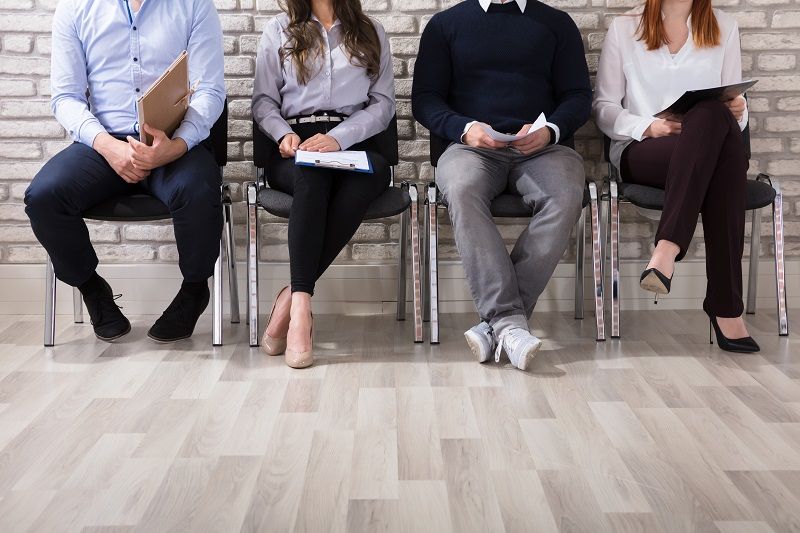
Avoid wearing worn-out or dirty shoes. Scuffed soles and stains look careless. Do not wear casual footwear like sneakers or sandals.
Stay away from very high heels or flashy designs. They can seem unprofessional. Also, avoid shoes that make noise when you walk.
Remember, your footwear should match the tone of your outfit and the company culture.
Dressing For Different Industries
Choosing the right outfit for a job interview depends on the industry you want to join. Each field has its own style and expectations. Dressing well shows respect and helps make a good first impression. Understanding what to wear can boost your confidence and increase your chances of success.
Corporate Sector Styles
The corporate world favors formal and polished looks. Men usually wear dark suits with ties. Women often choose pantsuits or skirt suits. Stick to neutral colors like black, gray, or navy. Shoes should be clean and classic. Avoid flashy accessories or strong perfumes. Keep your hairstyle neat and simple.
Tech Industry Trends
Tech companies often prefer a smart casual style. You can wear a nice shirt or blouse without a tie. Dark jeans or chinos are usually acceptable. Avoid ripped or overly casual clothing. Sneakers are fine if they look tidy. Focus on comfort and a clean appearance. Show you fit the company culture with your outfit.
Creative Fields Attire
Creative jobs allow more freedom in dress. You can add color and unique touches to your clothes. Wear well-fitted outfits that reflect your personality. Avoid anything too messy or sloppy. Artistic accessories can highlight your creativity. Make sure your look is professional but imaginative. Balance style with neatness to impress recruiters.
Body Language And Confidence
Body language plays a big role in job interviews. It shows confidence and helps make a good first impression. Even with the best answers, poor body language can hurt your chances. Understanding how to use your body can boost your confidence and help you connect with the interviewer.
Posture And Presence
Stand or sit up straight. Good posture shows you are alert and ready. Avoid slouching or leaning too much. Keep your shoulders relaxed and your head up. Face the interviewer directly to show interest. Small movements like nodding can show you listen well. Keep your hands visible and avoid fidgeting. A calm and open presence makes you look confident.
Using Clothing To Boost Confidence
Choose clothes that fit well and feel comfortable. When you feel good in your outfit, you stand taller. Clothes that match the company style help you blend in. Wear simple colors and avoid flashy patterns. Clean and neat clothing shows you care about details. When your clothes feel right, your confidence grows. This helps you speak clearly and stay calm.
Common Outfit Mistakes
Choosing the right outfit for a job interview is important. Common outfit mistakes can hurt your chances. These errors distract the interviewer from your skills. Avoid them to make a strong, positive impression.
Overdressing Vs Underdressing
Wearing too much can seem like you don’t understand the company. It might make you look out of touch or uncomfortable. On the other hand, dressing too casually can show a lack of effort. It may seem like you don’t respect the interview process. Find a balance by researching the company dress code. Dress slightly better than regular employees to show professionalism.
Avoiding Distracting Details
Bright colors, loud patterns, and flashy accessories pull attention away from you. Keep your outfit simple and neat. Avoid noisy jewelry or strong perfumes that can distract. Your goal is to keep the focus on your words and skills. Clean, well-fitting clothes create a calm and confident look. Small details like polished shoes and neat hair also matter.
Preparing Your Outfit Ahead
Preparing your outfit ahead makes job interviews less stressful. It gives you time to choose clothes that fit well and look neat. Early preparation helps avoid last-minute wardrobe problems. Feeling confident in your outfit can boost your performance. Start early to make sure everything is perfect and ready for the big day.
Planning And Trying On
Pick your outfit a few days before the interview. Choose clothes that suit the job and company culture. Try on the full outfit, including shoes and accessories. Check for comfort and fit. Move around to see if anything feels tight or itchy. Make sure your clothes are clean and wrinkle-free. This practice helps you feel ready and confident on interview day.
Emergency Fixes And Tips
Keep a small kit with safety pins, stain remover wipes, and a lint roller. These items fix small problems quickly. Carry an extra pair of socks or tights. Bring a travel-size deodorant for freshening up. Have a backup shirt or blouse just in case. These simple tips save you from last-minute outfit troubles. Being prepared shows professionalism and care.
Credit: mici.com
Frequently Asked Questions
What Is The Best Outfit For A Job Interview?
The best outfit is professional and fits the company culture. Choose clean, well-fitted clothes like a suit or business casual attire. Neutral colors like navy, black, or gray work well. Avoid flashy accessories or strong perfumes to maintain a polished, respectful appearance.
Should I Wear A Suit To Every Job Interview?
Not every interview requires a suit. Research the company’s dress code first. Formal industries like finance or law expect suits. Creative or tech fields often accept business casual. When in doubt, it’s safer to overdress slightly than underdress for an interview.
How Can I Choose Interview Clothes For A Casual Workplace?
Opt for neat business casual clothes for casual workplaces. Consider chinos or dress pants with a button-down shirt or blouse. Avoid jeans, sneakers, or t-shirts. Keep colors muted and accessories minimal. Cleanliness and neatness always matter, even in relaxed settings.
Are There Accessories To Avoid During Job Interviews?
Yes, avoid large or noisy jewelry that distracts attention. Steer clear of strong perfumes or colognes. Limit visible tattoos or piercings if unsure about company culture. Keep accessories simple and professional to maintain a focused impression.
Conclusion
Dressing well for a job interview shows respect and confidence. Choose clothes that fit the company’s culture and keep your look neat. Simple, clean outfits help create a good first impression. Remember, your clothes should not distract from your skills.
Feeling comfortable boosts your confidence and helps you focus. Prepare your outfit the day before to avoid stress. A smart appearance can open doors to new opportunities. Dress to impress, but stay true to yourself.
