

What to Wear And What Not to Wear to a Wedding: Ultimate Guide
What to Wear And What Not to Wear to a Wedding
Weddings are joyful events filled with love, laughter, and memories. But for guests, choosing what to wear can feel stressful. You might wonder if your outfit is too formal, too casual, or if you could accidentally upstage the bride. This guide will help you decide what to wear and what not to wear to a wedding, so you look your best while respecting the occasion and its traditions.
Whether you’re attending a formal evening ceremony or a relaxed outdoor celebration, you’ll find practical advice, examples, and answers to common questions here.
Understanding Wedding Dress Codes
Dress codes are often included on invitations, but they can be confusing. Each type of wedding dress code has its own expectations, so it’s important to know what they mean.
Common Wedding Dress Codes
- White Tie: The most formal. Men wear tuxedos with tails, white vests, and bow ties. Women wear full-length ball gowns.
- Black Tie: Very formal. Men wear tuxedos, usually with a black bow tie. Women wear long evening dresses.
- Formal or Black Tie Optional: Men can wear a tuxedo or a dark suit and tie. Women wear long dresses or fancy cocktail dresses.
- Semi-Formal: Men usually wear a suit and tie, but lighter colors are acceptable. Women wear cocktail dresses, skirts, or elegant pantsuits.
- Cocktail: Men wear suits or dress pants with a jacket. Women wear short or mid-length dresses.
- Casual: Men wear dress pants and shirts, but not jeans. Women wear sundresses, skirts, or nice pants.
Example Dress Code Table
Here’s a quick comparison for men and women:
| Dress Code | Men | Women |
|---|---|---|
| White Tie | Tuxedo with tails, white vest, bow tie | Full-length ball gown |
| Black Tie | Tuxedo, black bow tie | Long evening dress |
| Formal | Dark suit, tie | Long dress or cocktail dress |
| Semi-Formal | Suit, tie (lighter colors okay) | Cocktail dress, skirt, pantsuit |
| Cocktail | Suit or dress pants, jacket | Short/mid-length dress |
| Casual | Dress pants, shirt (no jeans) | Sundress, skirt, nice pants |
Reading Between The Lines
Sometimes, couples don’t state a dress code. Look for clues in the invitation, venue, and time of day. For example, a wedding at a country club in the evening is likely formal, while a daytime beach ceremony suggests casual attire.
If you’re unsure, ask the couple or someone close to them.
What To Wear To A Wedding
Choosing the right outfit shows respect for the couple and helps you feel comfortable. Here’s how to select your clothing, shoes, and accessories based on the type of wedding.
Formal Weddings
Formal weddings require elegant outfits. For men, this means tuxedos or dark suits with polished shoes. Women should wear long gowns or sophisticated cocktail dresses. Avoid anything too flashy, like sequins or bold patterns, unless the invitation suggests it.
Tips For Formal Weddings
- Stick to neutral colors such as navy, black, gray, or deep jewel tones.
- Choose classic fabrics like silk, satin, or velvet.
- Wear formal shoes (closed-toe heels for women, leather dress shoes for men).
- Keep accessories simple—a clutch or small handbag, tasteful jewelry.
Semi-formal And Cocktail Weddings
Semi-formal or cocktail weddings are less strict. Men can wear lighter suits or dress pants with a nice shirt and tie. Women can choose knee-length dresses, skirts, or elegant pantsuits.
Semi-formal Suggestions
- Men: Navy or gray suits, patterned ties, dress shoes.
- Women: A-line or sheath dresses, comfortable heels, small earrings.
Cocktail Suggestions
- Men: Dress pants, button-up shirt, blazer (tie optional).
- Women: Short or midi dresses, bold colors or prints allowed, fun accessories.
Casual Weddings
Casual weddings allow more relaxed clothing, but you should still look neat. Avoid jeans or sneakers unless the couple says it’s okay.
Casual Wedding Tips
- Men: Khakis or dress pants, collared shirt, loafers.
- Women: Sundresses, skirts with tops, wedge sandals.
Outdoor Wedding Example
For a garden or beach wedding, choose breathable fabrics like cotton or linen. Women can wear floral prints or pastel colors. Men can skip the tie and wear a light blazer.
Cultural Or Themed Weddings
Some weddings reflect cultural traditions or have a theme, like vintage or rustic. If the couple requests specific attire, follow their instructions.
Cultural Attire Examples
- Indian weddings: Guests may wear saris or kurta pajamas. Avoid black and white, which are seen as unlucky.
- Jewish weddings: Women often cover their shoulders, and men may wear a kippah.
- Vintage weddings: Dress in styles from the requested era, such as 1920s flapper dresses or retro suits.
Accessories And Shoes
Accessories help complete your look. Choose items that match your outfit and the wedding’s formality.
For Women
- Small clutch or handbag
- Statement jewelry for cocktail events, delicate pieces for formal
- Shawl or wrap for outdoor or religious venues
- Comfortable yet stylish shoes (consider heel height and walking distance)
For Men
- Tie or pocket square for extra polish
- Cufflinks for formal weddings
- Belt matching shoes
- Dress socks (avoid athletic socks)
What Not To Wear To A Wedding
Knowing what to avoid is just as important. Some clothing choices can cause embarrassment or offend the couple.
Never Wear White
White is reserved for the bride. Even off-white, cream, or ivory can be risky. Wearing white is seen as disrespectful and can distract from the bride’s special moment.
Avoid Anything Too Revealing
Weddings are family events. Low-cut tops, mini skirts, and see-through fabrics are not appropriate. If you’re unsure, go for more coverage.
No Jeans Or Casual Shorts
Jeans, shorts, and athletic wear are never suitable unless the invitation specifically allows them. Even at casual weddings, opt for dress pants or skirts.
Steer Clear Of Loud Prints And Neon Colors
Bright, flashy colors and bold prints can draw attention away from the couple. Stick to muted tones or soft patterns unless the wedding is themed or encourages bold attire.
Don’t Overdress
Wearing a ball gown or tuxedo to a casual wedding can make you stand out in an awkward way. Match your outfit to the dress code and venue.
Avoid Excessive Accessories
Large hats, oversized jewelry, or flashy handbags can distract from the event. Keep accessories tasteful and in proportion to your outfit.
Skip Anything Damaged Or Dirty
Stained, wrinkled, or worn-out clothing can make a bad impression. Make sure your outfit is clean, pressed, and in good condition.
Common Outfit Mistakes Table
Here’s a quick table showing mistakes to avoid:
| Mistake | Why It’s Bad |
|---|---|
| Wearing white | Competes with the bride’s dress |
| Jeans or shorts | Too casual for most weddings |
| Revealing outfits | Inappropriate for family events |
| Flashy accessories | Distracts from the couple |
| Dirty or wrinkled clothes | Shows disrespect for the occasion |
Dress Code For Different Wedding Roles
Guests aren’t the only ones who need to think about their outfits. People in special roles have extra guidelines.
Bridesmaids
Bridesmaids usually wear dresses chosen by the bride. If you’re allowed to pick your own, stick to the color and style requested. Avoid anything too flashy, and don’t wear white.
Groomsmen
Groomsmen often wear matching suits or tuxedos. Make sure your shoes and accessories match the group. Keep your look neat and coordinated.
Parents Of The Couple
Parents should dress slightly more formally than guests, but not as formal as the couple. Mothers often wear elegant dresses in soft colors. Fathers usually wear dark suits. Avoid white, bold prints, or anything too casual.
Children
Children should look neat but comfortable. Boys can wear dress pants and collared shirts. Girls can wear simple dresses. Avoid formal shoes that might hurt their feet.
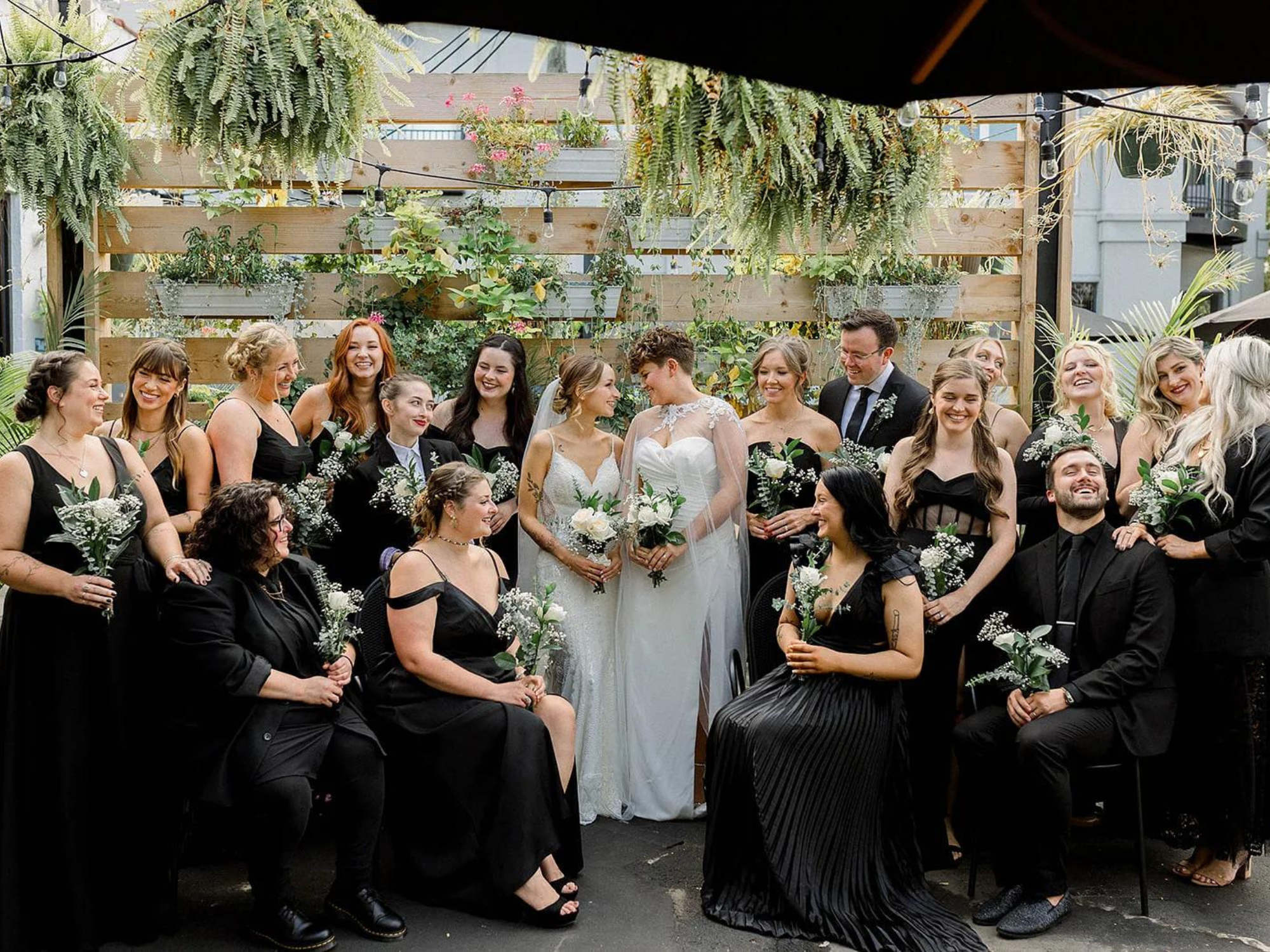
Credit: www.theknot.com
Dressing For The Season And Venue
Weather and location affect your outfit choice. Here’s how to stay comfortable and stylish.
Spring And Summer Weddings
Choose lightweight fabrics like cotton, chiffon, or linen. Pastel colors and floral prints are popular. For outdoor events, bring sunglasses or a sun hat, but keep it small.
Fall And Winter Weddings
Wear heavier fabrics like wool, velvet, or brocade. Deep colors such as burgundy, emerald, or navy look elegant. Add a shawl, wrap, or stylish coat for warmth.
Venue Matters
For a church, synagogue, or mosque, modest clothing is expected. Cover shoulders and avoid short skirts. For outdoor venues, check if you need flat shoes or layers.
Venue Comparison Table
Here’s a quick guide to different venues:
| Venue | What to Wear | What to Avoid |
|---|---|---|
| Church/Religious | Modest, covered shoulders | Short skirts, bare shoulders |
| Beach/Garden | Light fabrics, flat shoes | Heels, heavy fabrics |
| Hotel/Banquet | Formal or semi-formal attire | Casual clothes, sandals |
| Barn/Rustic | Comfortable, layered clothing | Formal gowns, tight shoes |
Practical Tips For Choosing Your Wedding Outfit
Choosing what to wear isn’t only about following rules. Here are some practical tips for a smooth experience:
- Check the Invitation: Look for dress code hints.
- Ask the Couple or Planner: If unsure, reach out.
- Plan for Comfort: You’ll be sitting, standing, and possibly dancing.
- Prepare for Weather: Bring a jacket, umbrella, or sunglasses if needed.
- Test Your Outfit: Try it on before the event. Check for fit and comfort.
- Mind the Shoes: Choose footwear you can walk and dance in.
- Respect Cultural Traditions: If you’re attending a wedding with traditions you don’t know, research or ask for guidance.
- Pack Essentials: Bring safety pins, stain remover, or a spare pair of stockings.
Non-obvious Insights
Many guests miss these subtle points:
- Photographs matter: Your outfit will be captured forever. Avoid colors that clash with the wedding theme or group photos.
- Scent sensitivity: Heavy perfume or cologne can bother others. Use lightly.
- Dress for movement: If the wedding includes dancing, make sure your outfit allows you to move easily.
Common Questions And Mistakes
It’s easy to make mistakes when choosing a wedding outfit. Here are a few examples:
- Wearing white or very light colors by accident
- Not checking the venue’s rules (some places require covered shoulders)
- Ignoring weather forecasts
- Choosing uncomfortable shoes
- Forgetting to coordinate with your plus-one
How Wedding Trends Affect Dress Codes
Weddings evolve with style trends. Recently, couples are choosing unique venues and less traditional dress codes. You might see requests for “festive attire,” “bohemian,” or “garden party. ”
Trend Examples
- Festive attire: Bright colors, bold prints, fun accessories.
- Bohemian: Flowy dresses, sandals, relaxed fits.
- Garden party: Pastels, light fabrics, hats.
When trends are involved, follow the couple’s instructions and use your best judgment.
How To Handle Uncertainty
If you still feel unsure, here’s how to get answers:
- Ask politely: The couple or their planner will appreciate your interest.
- Check the wedding website: Many couples provide extra info online.
- Look at past photos: If you know someone who attended a similar wedding, check their pictures.
- Err on the side of formality: It’s better to be slightly overdressed than underdressed.

Credit: www.supplechic.com
Real-life Example
Consider this scenario: You’re invited to a semi-formal evening wedding at a hotel. The invitation doesn’t mention the dress code. You check the couple’s website and see photos from their engagement party, where guests wore suits and cocktail dresses. You decide to wear a navy suit with a patterned tie and leather shoes. Your partner chooses a knee-length dress in a soft color with small earrings and a clutch. Both outfits fit the event, are comfortable, and avoid common mistakes.
Data And Statistics
According to a survey by The Knot, about 70% of couples include a dress code on their invitations. However, 40% of guests admit they feel unsure about what to wear. Most couples prefer guests to dress slightly more formally than casually.
Comfort and modesty are highly valued, especially for ceremonies with religious elements.
For more wedding etiquette data, visit The Knot.

Credit: www.poseidonion.com
Frequently Asked Questions
What Colors Are Safe To Wear To A Wedding?
Safe colors include navy, gray, blush, burgundy, green, and most pastels. Avoid white, cream, ivory, and anything that matches the bridesmaids unless you know their color.
Can I Wear Black To A Wedding?
Yes, black is usually acceptable, especially for evening or formal weddings. Pair it with colorful accessories to avoid looking too somber.
Is It Okay To Wear A Short Dress?
A short dress is fine for cocktail or semi-formal weddings, but not for formal evening events. Make sure the dress isn’t too revealing.
What Should Men Wear If The Dress Code Is Unclear?
Men should choose a dark suit and tie. This is safe for most occasions. If you learn the event is more casual, remove the tie or switch to lighter colors.
Can I Wear Jeans To A Wedding?
You should not wear jeans unless the invitation specifically says it’s okay. Jeans are too casual for almost all weddings.
Final Thoughts
Choosing what to wear to a wedding isn’t just about fashion—it’s about respect, comfort, and celebration. By following the dress code, avoiding common mistakes, and thinking about the venue and season, you’ll look great and feel confident. Remember, your outfit helps set the tone for the day and shows your support for the couple.
If you’re ever unsure, ask questions or err on the side of formality. Weddings are special, and your thoughtful attire will help make the event memorable for everyone.
