

What to Do If You Forgot Your Gym Clothes: Quick Fixes
Forgetting your gym clothes can feel like a disaster, especially when you’re eager to stick to your fitness routine. Many people face this problem at least once, and it’s easy to panic or even skip your workout. But missing your session isn’t your only option.
With a bit of creativity and calm thinking, you can still get active, avoid losing progress, and maybe even learn new habits for next time. This article explores practical solutions, real examples, useful tips, and smart ways to handle the situation.
You’ll find clear advice for different scenarios—whether you’re at work, school, or heading straight from home. By the end, you’ll know exactly what to do if you forget your gym clothes and how to turn a setback into a win.
Why Gym Clothes Matter
Choosing the right gym clothes isn’t just about style. It’s about comfort, hygiene, and performance. Modern gym wear is designed to wick sweat, stretch with your movements, and reduce risk of skin irritation. According to a survey by the International Health, Racquet & Sportsclub Association, over 85% of gym-goers say proper attire boosts confidence and motivation. Wearing the right outfit also makes it easier to stick to your plan.
But forgetting your clothes doesn’t mean you can’t exercise. Sometimes, you just need to adjust your expectations and be resourceful. Understanding the reasons behind gym attire helps you make smarter choices if you ever need to improvise.
| Aspect | Gym Clothes | Regular Clothes |
|---|---|---|
| Comfort | High (stretchy, breathable) | Medium to low |
| Hygiene | Good (moisture-wicking) | Poor (holds sweat) |
| Safety | Reduces chafing, injuries | Higher risk of irritation |
| Performance | Optimal movement | Restricted movement |
Immediate Steps: Assess Your Situation
When you realize you’ve forgotten your gym clothes, pause before reacting. Your choices depend on where you are, the gym’s policies, and what’s available. Here’s what you should do first:
- Check your bag thoroughly. Sometimes, clothes slip into side pockets or under other items. Make sure they’re really missing.
- Review gym rules. Some gyms require specific attire, while others are more flexible. See if you can use regular clothes or borrow items.
- Look for alternatives nearby. Did you bring extra clothes for work or school? Can you buy or rent gear at the gym?
- Decide on your priority. Is your workout more important than comfort or style? Sometimes, you can adjust your plan to fit what you have.
Most people panic and leave, but staying calm lets you find creative solutions.
Using Regular Clothes For Your Workout
If you forgot your gym clothes, you might have to use what you’re wearing. This works best if your clothes are comfortable and allow movement. Here’s how to make the most of regular attire:
Types Of Workouts You Can Do
- Low-impact exercises: Walking, cycling, or stretching are less likely to damage your clothes or cause discomfort.
- Bodyweight routines: Push-ups, squats, planks, and lunges can be done in most outfits, as long as you have space.
- Cardio machines: Ellipticals and bikes are often easier than treadmills for those in streetwear.
Tips For Exercising In Regular Clothes
- Avoid tight jeans, skirts, or anything restrictive.
- Remove jewelry or accessories to prevent injury.
- Use a towel to protect your clothes from sweat and gym equipment.
Non-obvious insight: Many gyms allow you to wear casual attire for certain activities, especially during off-peak hours or in group classes. Asking staff can help you avoid embarrassment.
Borrowing Or Renting Gym Clothes
Some fitness centers offer rental or loaner gear. Larger gyms, hotels, and corporate wellness centers often keep spare shirts, shorts, or even shoes for guests. If you’re in a big facility, ask the front desk.
How To Borrow
- Approach staff politely and explain your situation.
- Ask about their policy for borrowing or renting.
- If available, check the cleanliness and fit of borrowed items.
Common Mistakes
- Failing to ask early: Supplies may be limited, so act quickly.
- Ignoring hygiene: Always check if clothes have been washed.
Non-obvious insight: Sometimes, gyms provide disposable clothing (like paper shorts or shirts) for emergencies. While not stylish, they’re better than skipping your workout.
Credit: everydayspeech.com
Buying Gym Clothes On The Spot
If you have time and budget, buying new gym clothes is a simple solution. Many gyms have a small shop or vending machine with basic workout gear. Nearby malls, sports stores, or even discount retailers can save your session.
What To Look For
- Fit: Choose comfortable, not too tight or loose.
- Material: Prefer moisture-wicking fabrics like polyester or spandex.
- Price: Don’t overspend for a one-time emergency.
Example
Sarah forgot her gym clothes on her lunch break. She found a discount store nearby, bought a basic T-shirt and shorts for under $20, and finished her workout without stress.
Comparison Table: Buying Vs Borrowing
| Option | Cost | Availability | Hygiene | Convenience |
|---|---|---|---|---|
| Buying | Medium to high | Depends on store/gym | Excellent | Fast if store nearby |
| Borrowing | Low to free | Limited (depends on gym) | Varies | Quick in large gyms |
Modifying Your Workout Plan
When you’re not dressed for your usual routine, changing your workout can help. You might need to skip certain exercises or focus on safer activities.
Safer Alternatives
- Yoga or stretching: These need minimal equipment and can be done in most clothes.
- Light cardio: Walking, stationary cycling, or using a rowing machine.
- Core exercises: Planks, sit-ups, and gentle movements.
What To Avoid
- High-intensity training (HIIT) in restrictive clothing.
- Heavy lifting without proper shoes or support.
- Group classes with strict dress codes.
Practical advisor tip: Always listen to your body. If your clothes are uncomfortable or risky, switch to lighter activities.
Using Locker Room Resources
Locker rooms often have showers, towels, deodorant, and sometimes spare items. Make use of these resources to freshen up before and after your workout. Here’s how:
Steps
- Use a towel to protect your clothes and keep sweat away.
- Apply deodorant and clean your skin before exercising.
- After your workout, shower and change into clean clothes to avoid odor and irritation.
Some gyms even offer hair dryers, toiletries, or spare socks. Check with staff for extras—they can make your experience much better.
Asking Friends Or Other Gym Members
If you’re part of a group or know regulars at your gym, asking for help can be a lifesaver. People often have spare shirts, shorts, or even clean socks in their lockers.
How To Ask
- Approach someone you know or trust.
- Explain the situation honestly.
- Offer to wash and return items if borrowed.
Etiquette
- Don’t ask for shoes unless you’re certain about hygiene.
- Return all borrowed items promptly and in good condition.
Friendly mentor insight: Many gym communities are supportive. Helping each other builds trust and can lead to new friendships.
Using Technology: Apps And Online Solutions
Modern technology can help you avoid forgetting gym clothes in the future. Fitness apps and online platforms offer reminders, packing lists, and emergency contacts.
Useful Features
- Packing reminders: Set alerts before leaving home or work.
- Gym locator: Find nearby stores for quick purchases.
- Community groups: Ask local members for advice or gear.
Example Apps
- MyFitnessPal: Offers reminders for gear and nutrition.
- GymBuddy: Connects you with other members for sharing equipment.
Straight-to-the-point helper tip: Use your smartphone to set calendar reminders for gym days. Over time, this becomes a habit that prevents mistakes.
Emergency Workouts: Staying Active Without Gym Clothes
If you simply can’t change clothes or find alternatives, don’t give up on exercise. There are plenty of ways to stay active without special attire.
At-home Options
- Bodyweight exercises: Push-ups, sit-ups, jumping jacks.
- Stretching and yoga: No equipment needed, just a mat or towel.
- Dance or aerobic routines: Use online videos for guidance.
Outdoor Solutions
- Jogging or brisk walking in comfortable shoes.
- Park workouts: Use benches, playgrounds, or open spaces.
Office Workouts
- Chair squats, desk push-ups, stair climbing.
- Discreet stretches during breaks.
Experience-based guide insight: Even without gym clothes, movement matters. Small activities can reduce stress, boost mood, and keep you on track.
Hygiene And Health Risks
Exercising in regular clothes can lead to skin irritation, odor, or even infection if you’re not careful. Here’s how to protect yourself:
Prevention Tips
- Use a towel to separate skin from equipment.
- Change out of sweaty clothes quickly after your workout.
- Wash your skin with antibacterial soap if possible.
Signs To Watch For
- Redness, itching, or rashes.
- Unusual odor or moisture buildup.
Non-obvious insight: Tight clothes trap moisture and heat, increasing risk of fungal infections. If you feel discomfort, stop and clean up immediately.
Planning For Next Time: Creating A Backup Plan
Learning from your mistake is key. Creating a backup plan ensures you won’t face the same problem again. Here’s how:
Pack Extra Clothes
- Keep a spare set in your gym locker, car, or office.
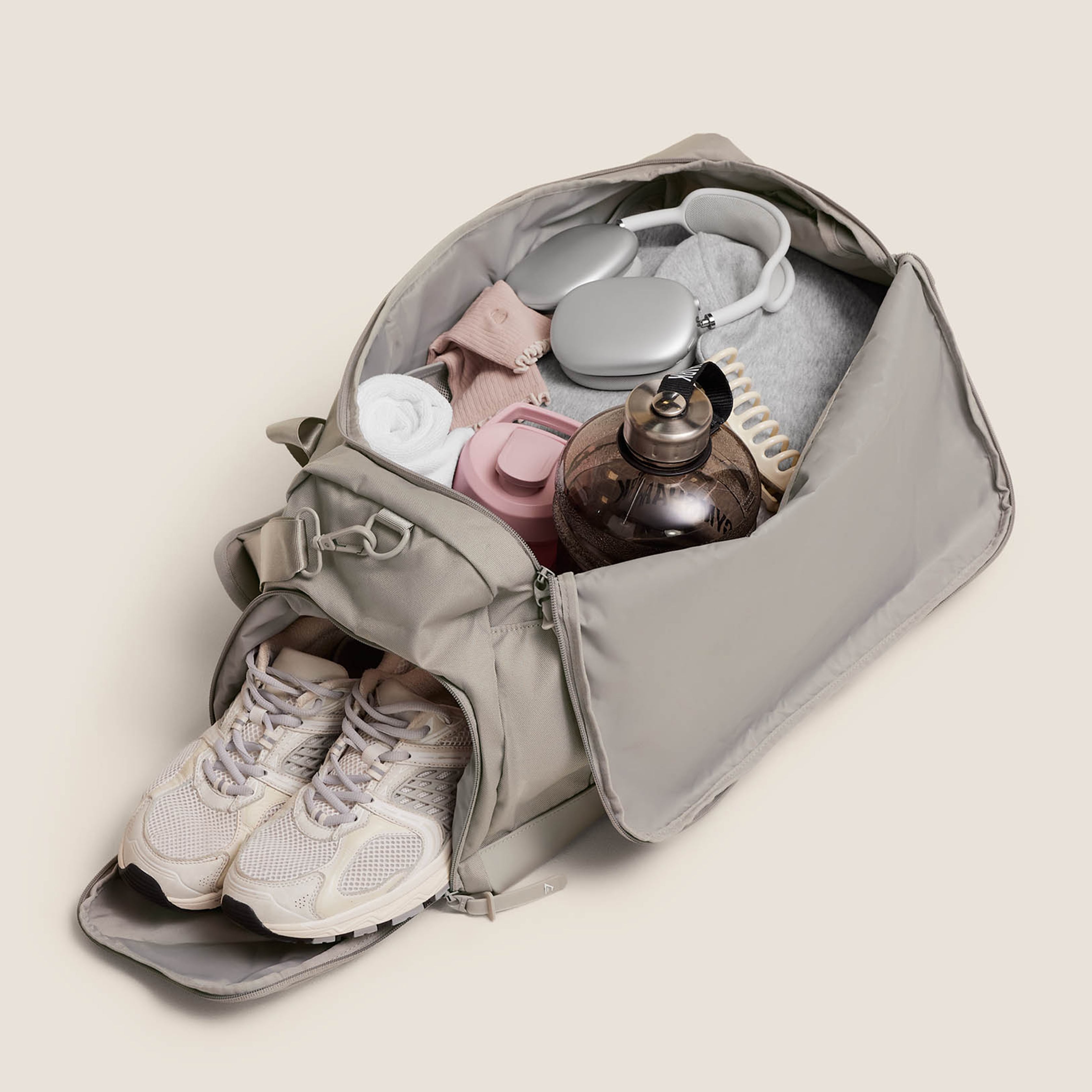
- Use a dedicated gym bag for all essentials.
Checklist For Gym Days
- Shoes
- Socks
- Shirt
- Shorts/pants
- Towel
- Water bottle
Example Packing Routine
John always keeps a spare T-shirt and shorts in his car. He also uses a checklist app to make sure he has everything before leaving work. Since starting this habit, he never misses a workout due to forgotten gear.
| Backup Location | Pros | Cons |
|---|---|---|
| Locker | Always available, secure | May forget to restock |
| Car | Accessible on-the-go | Heat/cold can damage clothes |
| Office | Convenient for after-work gym | Limited space |
Psychological Impact: Overcoming Embarrassment
Forgetting your gym clothes can feel embarrassing, especially if you’re new to fitness. But most people have experienced this, and it’s not as uncommon as you might think.
How To Handle Feelings
- Remind yourself it’s a minor setback.
- Focus on your goals, not the mistake.
- Laugh it off and share your story—others can relate.
Building Resilience
- Every mistake is a learning opportunity.
- Adapting builds confidence for future challenges.
Calm expert advice: The gym is about progress, not perfection. Missing clothes shouldn’t stop your commitment.
Social And Cultural Differences
Gym dress codes and attitudes about attire vary by country, culture, and community. In some places, casual clothes are fine, while others require strict uniforms.
Examples
- In the US, most gyms are flexible with attire during off-hours.
- In Asia, some clubs require full uniforms or branded gear.
- European gyms often allow casual wear for yoga or stretching classes.
Understanding local norms can prevent confusion and help you adapt quickly.

Credit: www.amazon.com
When To Skip Your Workout
Sometimes, skipping your workout is the smartest option. If you’re uncomfortable, unsafe, or at risk of injury, it’s better to rest and recover.
Situations To Avoid Exercise
- You forgot shoes and the gym requires closed footwear.
- Your clothes are too restrictive or cause pain.
- Hygiene risks are too high.
Making The Decision
- Weigh your options: Is a light walk or stretch possible?
- Don’t force yourself into risky activities.
- Plan for a better session next time.
Non-obvious insight: Missing one workout doesn’t ruin your progress. It’s your long-term consistency that matters.
What To Do After Your Workout
If you exercised in regular clothes or borrowed gear, proper cleanup is important. Here’s how:
Cleaning Up
- Shower as soon as possible to remove sweat and bacteria.
- Wash borrowed items before returning.
- Air out your clothes to prevent odor.
Maintaining Hygiene
- Carry antibacterial wipes for emergencies.
- Use deodorant and fresh socks.
Straight-to-the-point helper tip: Never leave sweaty clothes in your bag or locker—this causes odor and bacteria growth.
Credit: www.gymshark.com
Building Good Habits: Preventing Future Mistakes
To avoid forgetting gym clothes again, build simple, reliable habits.
Habit Ideas
- Pack your gym bag the night before.
- Use a checklist app or paper list.
- Keep spares in multiple locations.
Tracking Progress
- Set reminders in your calendar.
- Celebrate consistency with small rewards.
Over time, these habits become automatic, making gym days smoother and stress-free.
Frequently Asked Questions
What Should I Do If I Forget My Gym Shoes?
If your gym requires closed footwear, you may need to skip your session or do low-impact activities like stretching or yoga. Some gyms offer rental shoes, so ask staff. Never exercise barefoot on gym equipment due to hygiene and safety risks.
Can I Work Out In Jeans Or Dress Clothes?
It’s possible for light activities, but jeans and dress clothes can restrict movement and cause discomfort. Stick to gentle exercises like stretching or walking, and avoid heavy cardio or weightlifting.
Is It Safe To Borrow Gym Clothes From Others?
Borrowing is safe if the clothes are clean and fit well. Always check for hygiene and return items promptly. Avoid borrowing shoes or underwear to reduce health risks.
How Can I Prevent Forgetting My Gym Clothes Again?
Build habits like packing your bag the night before, keeping a spare set in your locker or car, and using reminders on your phone. Using a checklist reduces mistakes and keeps you organized.
Where Can I Buy Emergency Gym Clothes Near My Gym?
Many gyms have small shops or vending machines with basic workout gear. Nearby sports stores, discount retailers, or even supermarkets may have affordable options. Use a gym locator app to find stores quickly, or ask the staff for suggestions. For more guidance, check resources like WikiHow.
Forgetting your gym clothes doesn’t have to ruin your workout or your day. With smart planning, creative solutions, and a positive attitude, you can overcome the challenge and stay committed to your fitness goals. The next time you face this problem, remember these tips—and turn a small mistake into a big win for your health and confidence.
